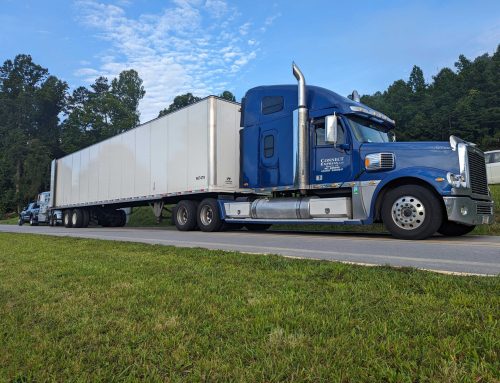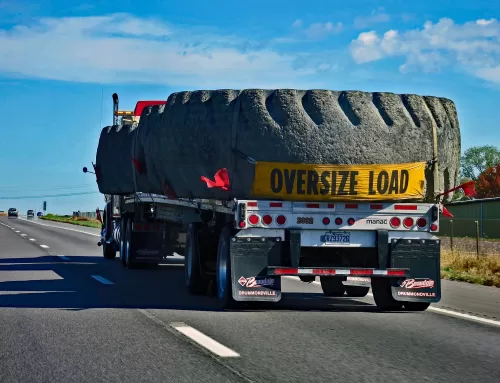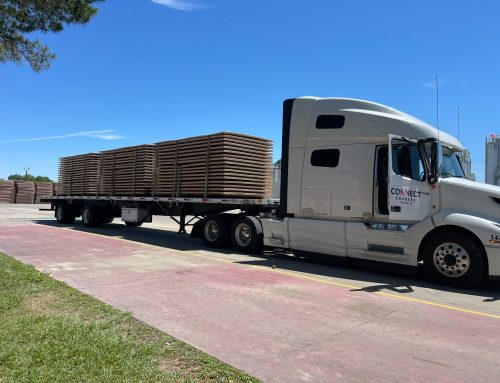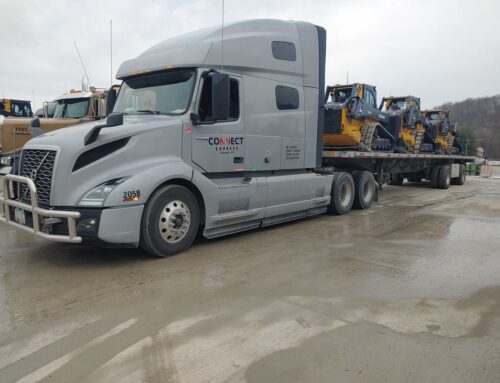
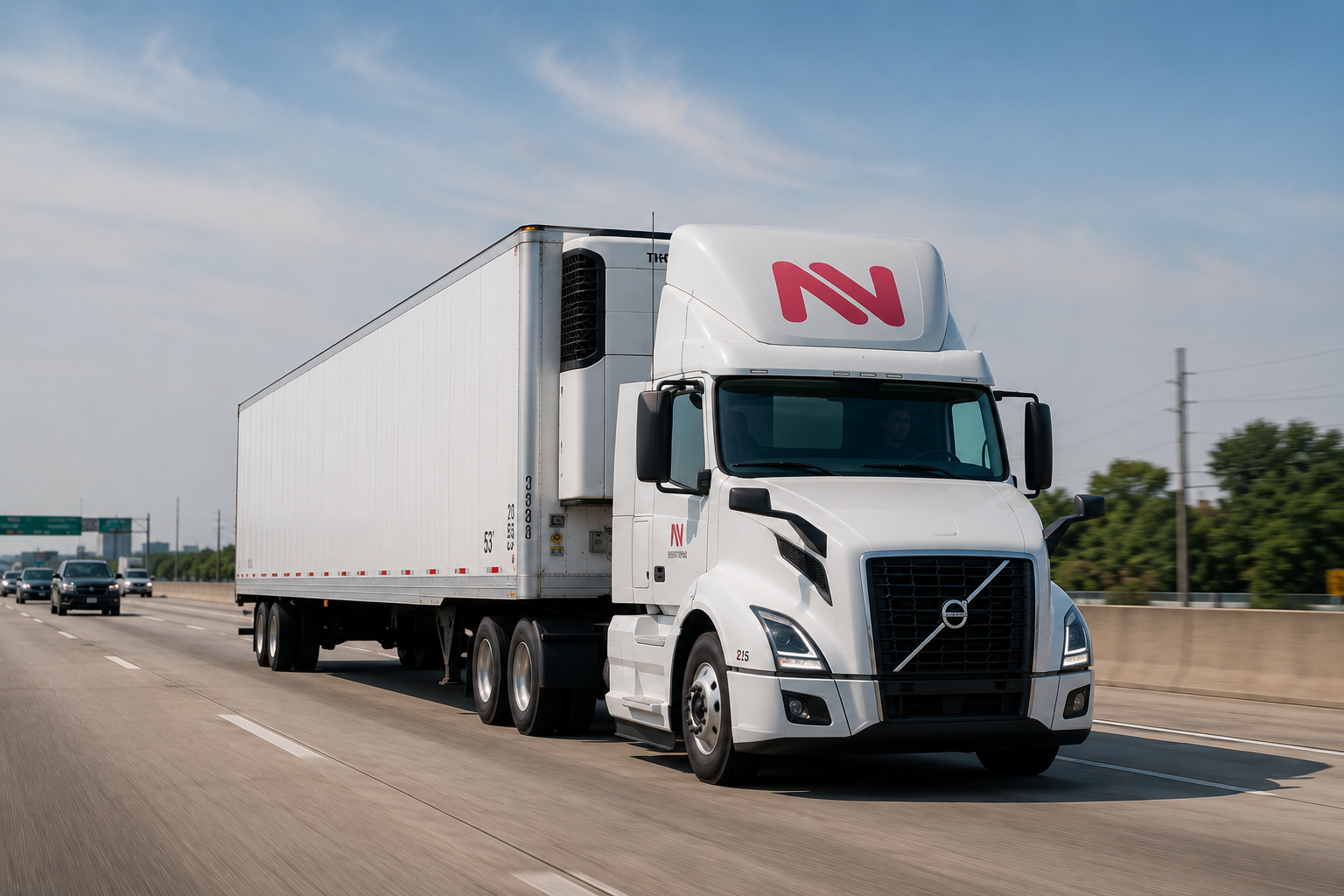
A load can be ready at the plant and still fail before it reaches the highway. The wrong trailer, a low bridge, an expired permit, or an unprepared receiver can stop the move cold. Oversized load planning is the work that prevents those problems before a driver is loaded and committed to a route.
Moving an oversize load? See our overdimensional freight service. Request a truckload quote → Contact us or call (844) 474-8963.
For shippers moving machinery, steel, components, tanks, or heavy equipment, the details are not paperwork after the fact. They are the job. A good plan gives the driver clear instructions, gives the shipper real expectations, and keeps the freight moving without avoidable surprises.
Start With Exact Load Information
Do not plan an oversize move from an estimate. Get verified dimensions and weight before equipment is assigned or permits are requested. That means overall length, width, height, gross weight, axle weights when available, and the freight’s center of gravity.
Height is where small mistakes become major delays. A load that clears a yard gate may not clear a bridge, utility line, or traffic signal on the route. Measure from the ground to the highest fixed point after the freight is secured on the actual trailer. Do not rely only on a drawing or a measurement taken before loading.
Weight matters just as much. Gross weight is only part of the picture. States look at axle groups and spacing. A load can be within a tractor-trailer’s total legal weight but still require a different configuration because too much weight sits on one axle group.
The freight itself also needs a handling review. Ask whether it can be loaded flat, whether it has lift points, whether it can be tarped, and whether any loose parts need separate securement. If a component can rotate, shift, or catch wind, that needs to be addressed before pickup.
Match the Trailer to the Real Job
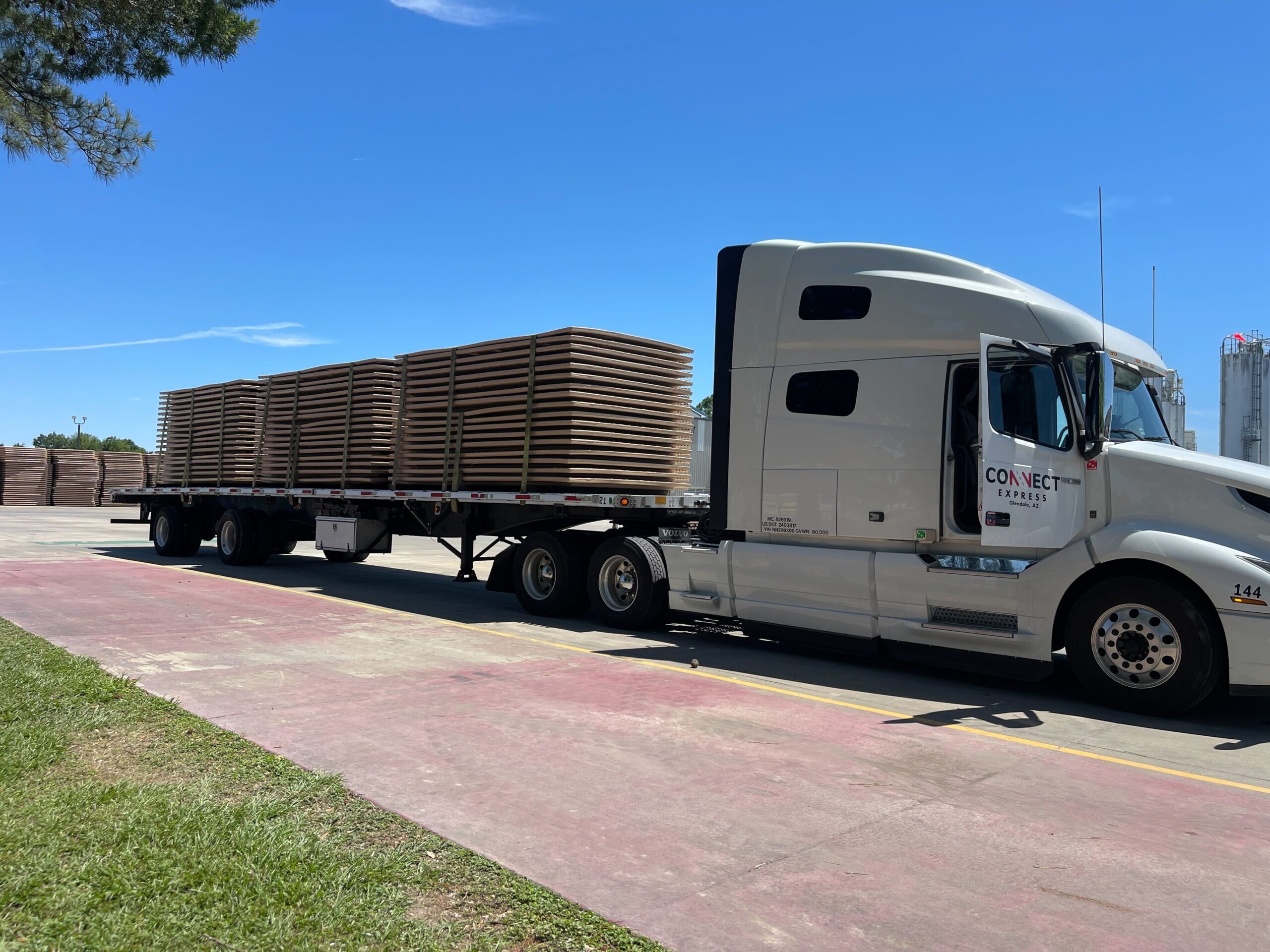
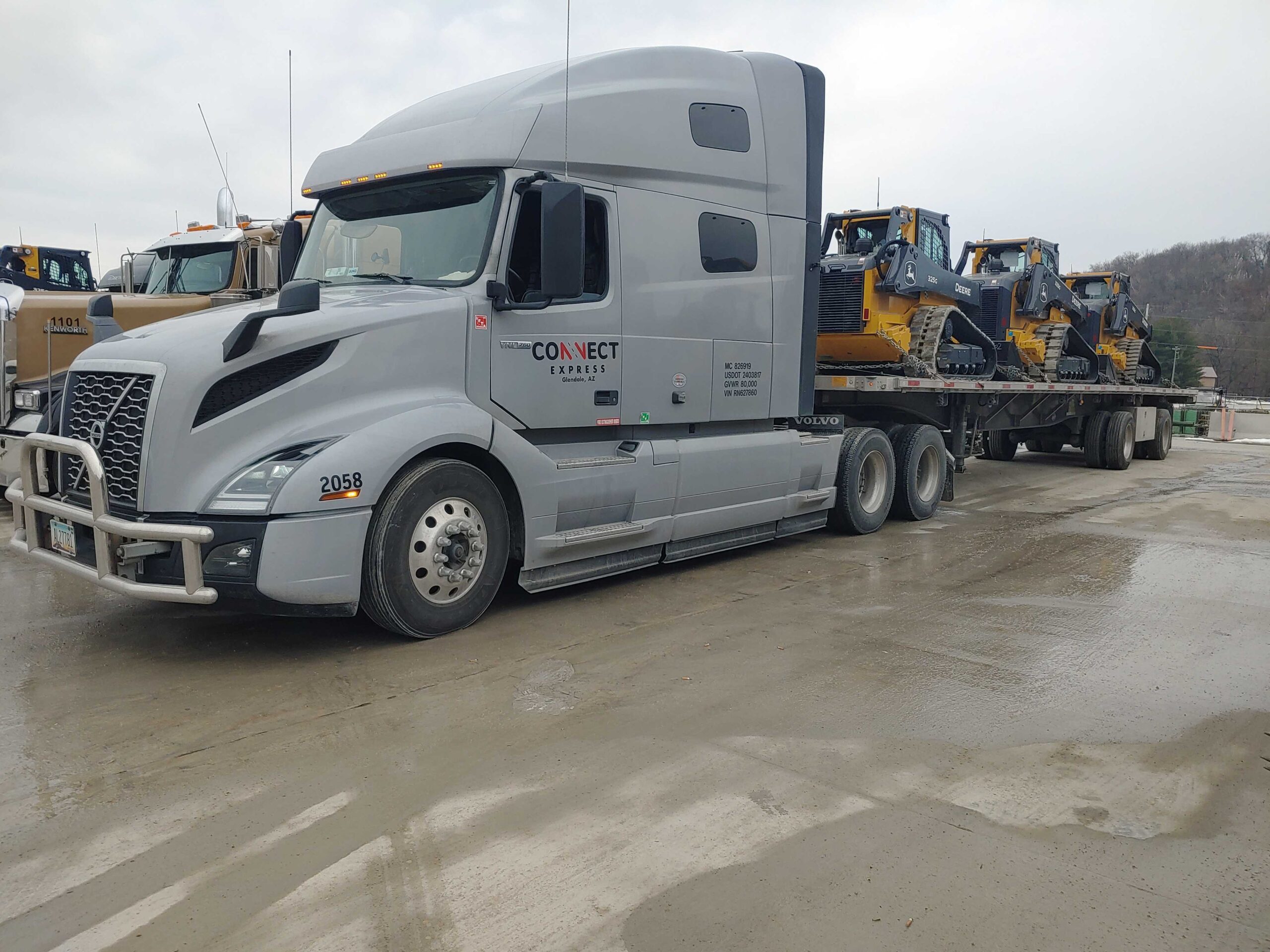
There is no one trailer for every oversized load. A standard flatbed may work for freight that is wide but manageable in height and weight. A step deck can reduce loaded height. A lowboy may be necessary for tall equipment or concentrated weight. Stretch equipment may be needed when length creates rear overhang or turning concerns.
The right choice depends on the load and the route together. A lowboy may solve a height problem but change loading requirements. A longer trailer may support the freight correctly but make turns tighter. Extra axles may distribute weight, but they also affect permit requirements and route restrictions.
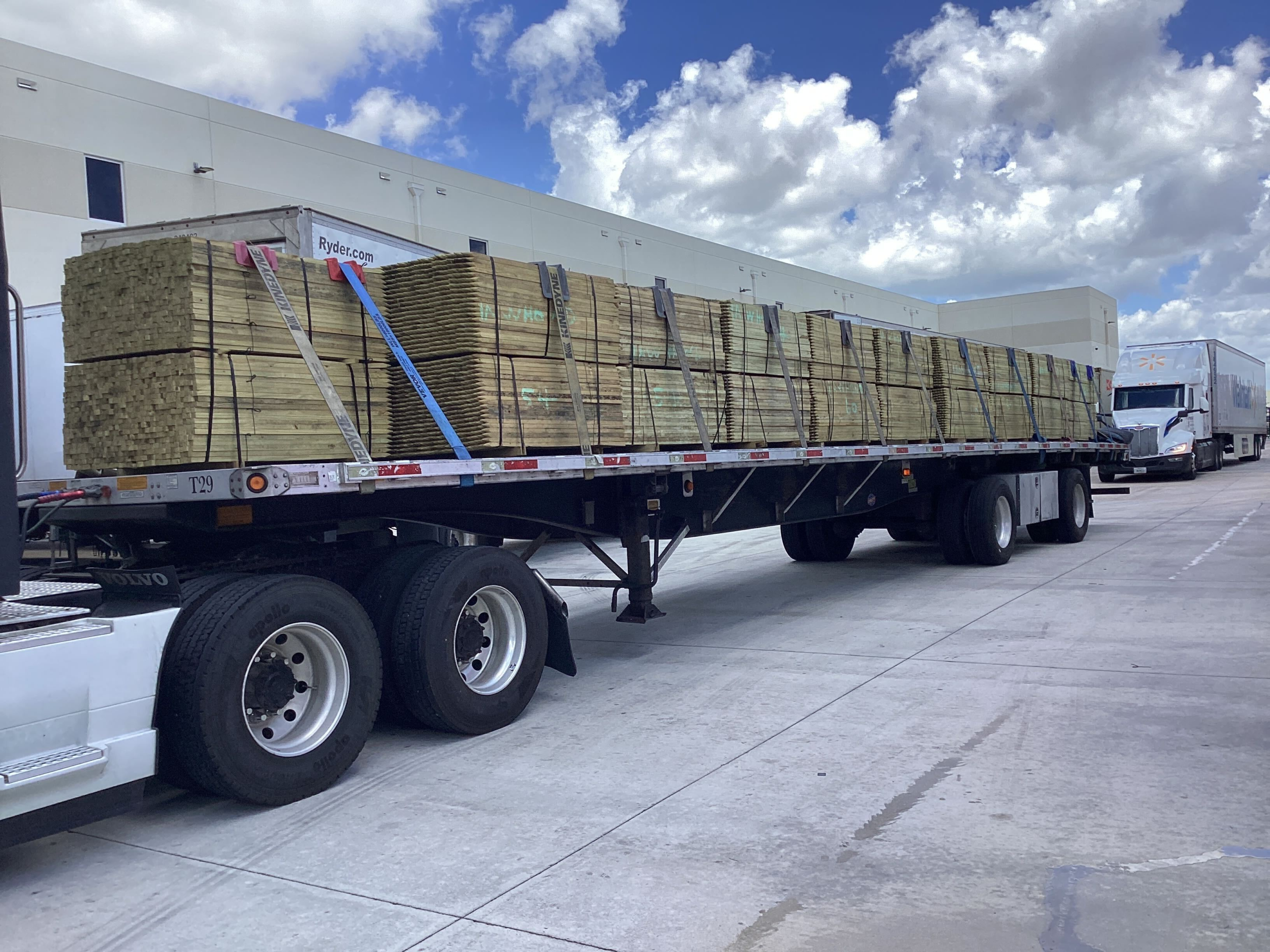
Securement needs to be planned with the same care. Chains, binders, straps, blocking, dunnage, and edge protection are not interchangeable. The method must fit the freight and meet securement rules. A driver should not arrive to find that the shipper has no safe way to load or secure the piece.
At ConnectExpress LLC, we start with the freight details and the route before sending equipment. That avoids the common problem of putting the right load on the wrong trailer.
Build the Route Before You Build the Schedule
The shortest route is not always the route an oversized load can run. Route planning has to account for bridge clearances, weight limits, construction zones, lane width, restricted roads, railroad crossings, sharp turns, and local curfews.
This is especially important on moves through the Southwest. Wide-open miles can make a route look simple on paper, but one low structure, narrow ramp, or restricted city crossing can change the plan. Arizona, California, Nevada, New Mexico, Texas, Utah, and Colorado each have their own permit processes and operating rules.
A route review should also look at the pickup and delivery locations. Can the truck enter the facility? Is there enough room to turn, stage, load, and exit safely? Are overhead lines, gates, parked trailers, or soft ground going to create a problem? A jobsite delivery may need a different approach than a delivery to a paved manufacturing yard.
If the load is near a height limit, a route survey may be needed. That adds time and cost, but it is better than discovering a clearance issue after the load is moving. The level of review should match the risk. Not every oversize shipment needs the same planning effort.
Permits Set the Rules of the Move
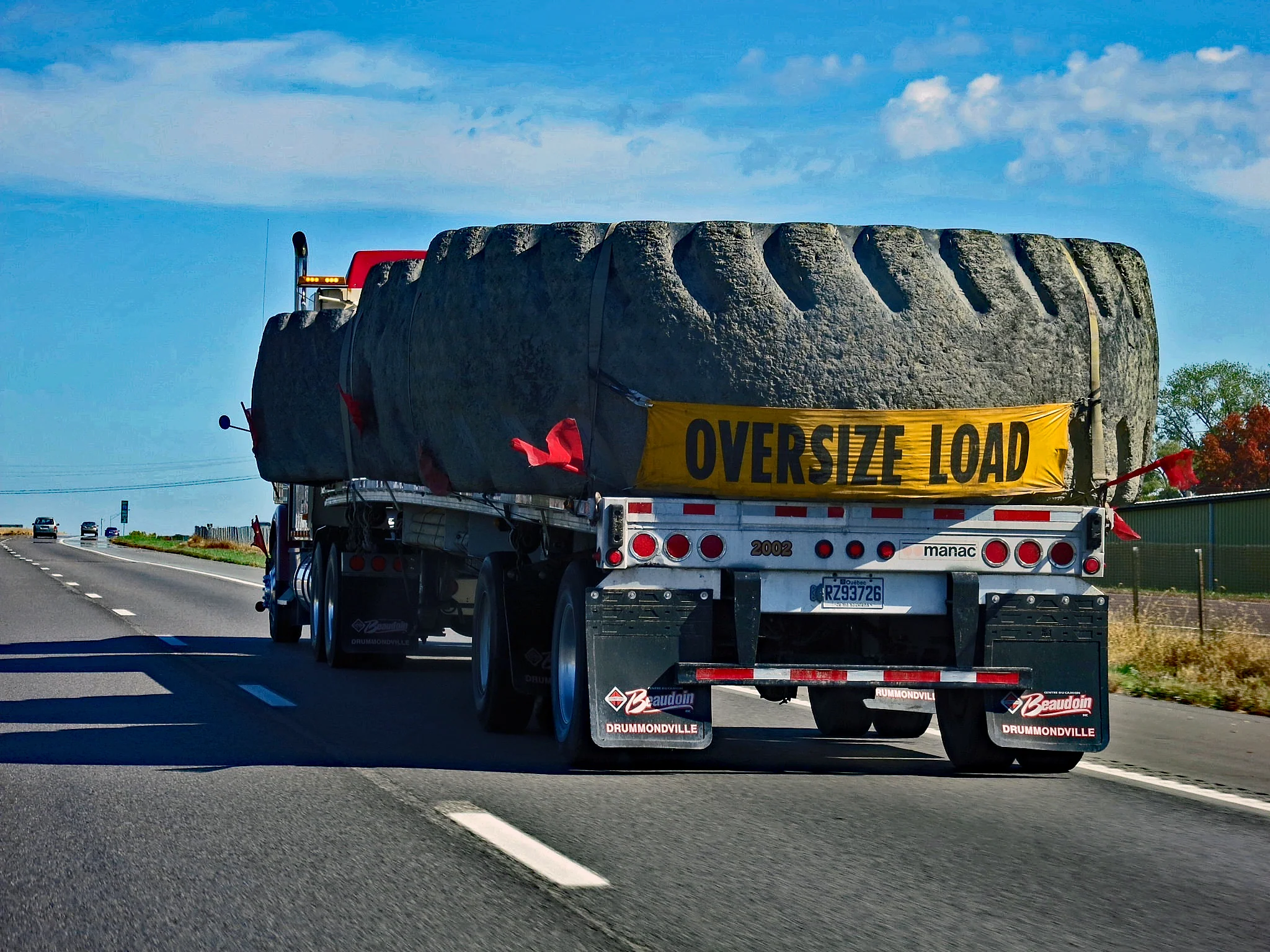
Oversize permits are not a formality. They define the approved route, travel dates, travel hours, equipment configuration, and operating conditions. Some permits require flags, banners, lights, escort vehicles, or specific restrictions for city travel, weekends, or holidays.
Permit lead time varies. A straightforward move may be ready quickly. Multi-state travel, heavy loads, superloads, bridge reviews, or utility coordination can take much longer. Do not schedule pickup based only on when the freight will be ready. Schedule it when the permits, equipment, and route are ready too.
Permit information must match the final loaded configuration. If the dimensions, axle setup, or route changes after permits are issued, the permits may need to be revised. That can delay pickup, even when the truck and freight are both ready.
Keep a clean handoff between the people involved. The dispatcher, driver, shipper, receiver, and any escort team need the same basic facts: load size, route, permit conditions, pickup window, delivery plan, and contact numbers. Mixed information creates bad decisions on the road.
Plan the Pickup Like a Field Operation
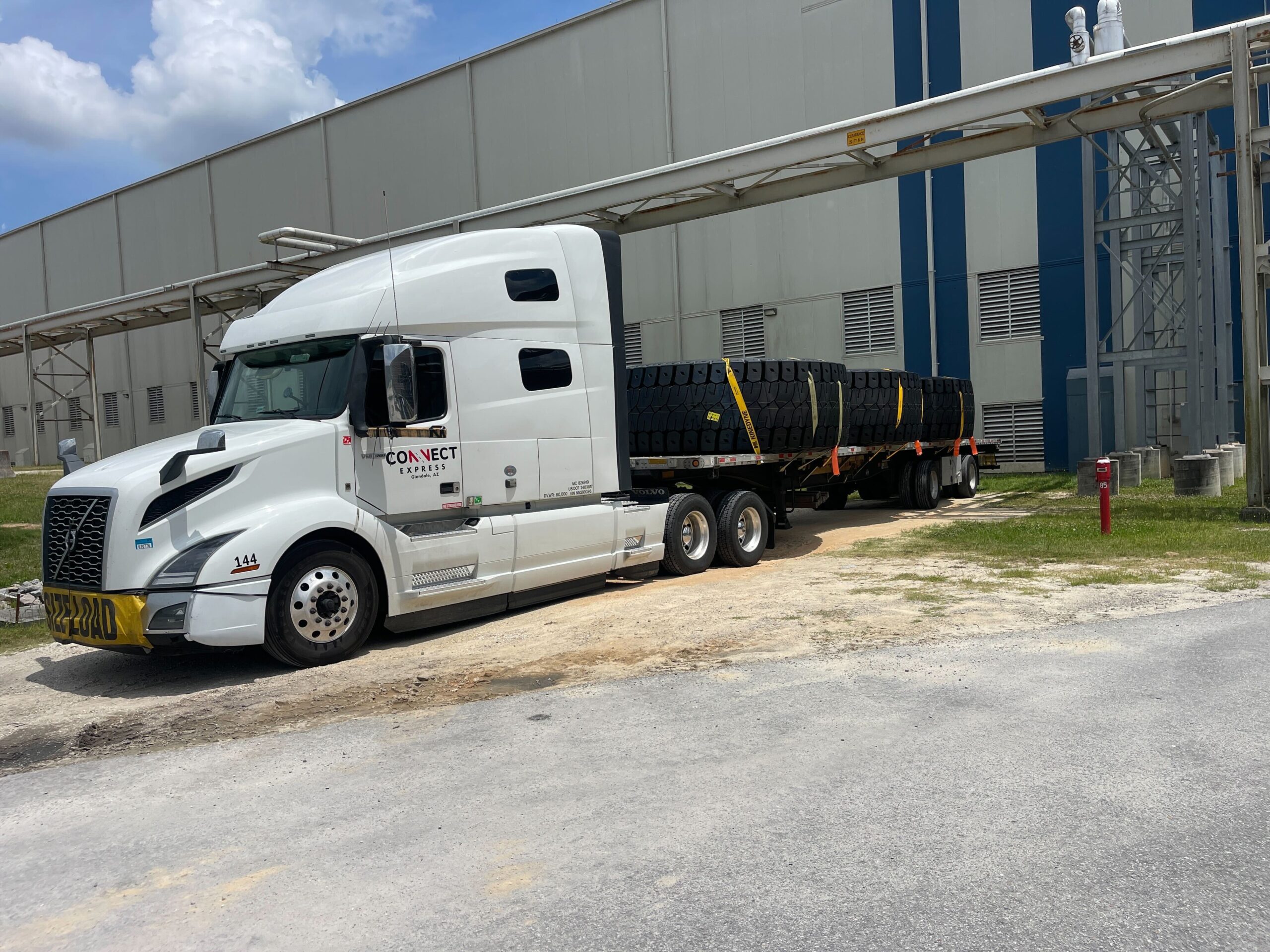
Oversized freight often needs more than a truck and a dock appointment. Confirm who is loading the freight, what equipment they will use, and whether the trailer can be positioned correctly. A crane, forklift, rigging crew, or loading crew should be booked and ready before the driver arrives.
The loading area needs room for safe movement. Drivers need space to back in, adjust position, inspect securement, and leave without cutting across soft ground or tight corners. If loading is on a jobsite, check ground conditions and weather. Rain can turn an otherwise workable area into a recovery problem.
Build time into the schedule for inspection and securement. Rushing this part of the job is not acceptable. The driver needs to verify the load, check chains or straps, confirm flags and lights, and make sure paperwork is correct before leaving.
The same applies at delivery. Confirm the receiver’s hours, unloading equipment, site access, and staging instructions. A load may arrive on time and still sit outside the gate if the receiver is not ready to unload it.
Give the Driver a Plan They Can Use
Drivers carry the responsibility once the load leaves the yard. They need accurate load dimensions, permit documents, route instructions, escort details, emergency contacts, and clear delivery instructions. They also need room to make safe decisions when road conditions do not match the plan.
Weather can change an oversized move quickly. High winds can make wide or tall freight unsafe to move. Snow, heavy rain, poor visibility, and extreme heat can affect traction, traffic, equipment, and road conditions. A realistic plan includes the possibility of a hold, not just an ideal arrival time.
Communication should stay simple and useful. The shipper needs to know when the truck is loaded, when it is moving, if a permit restriction affects the schedule, and when delivery is expected. Real updates are better than vague reassurance. If there is a problem, say what it is, what it affects, and what happens next.
Common Planning Mistakes That Cost Time
Most delays come from a short list of preventable misses. The load was measured before it was loaded. The trailer was assigned before the center of gravity was known. Permits were requested with incomplete dimensions. The route was checked at the state level but not at the pickup or delivery site.
Another common issue is treating the receiver as an afterthought. Oversized freight needs a delivery plan, not just an address. If the receiver cannot accept the load when it arrives, the driver may have limited legal places to park or stage nearby.
Last-minute changes are sometimes unavoidable. Freight can change, a jobsite can close, or weather can force a hold. The goal is not to pretend every move will go exactly as planned. The goal is to have enough information early enough to adjust without turning one change into a full shutdown.
A well-planned oversized shipment starts with verified facts and ends with a receiver ready to unload. Get those two points right, keep communication direct in between, and the driver has a fair chance to do the job safely and on time.