A truckload quote can look different from one week to the next, even when the freight has not changed. That is not always a red flag. Truckload rate changes usually reflect what is happening with equipment, drivers, pickup timing, lane demand, and the details of the load.
For shippers, the issue is not just the number. It is whether the rate comes with a truck that will actually show up, communicate, and deliver as planned. A low number means very little if the pickup gets missed or the load sits waiting for a driver.
Why Truckload Rate Changes Happen
Truckload rates move because capacity moves. When more trucks are available than freight, carriers have more open equipment and rates may soften. When freight volume picks up or equipment tightens, carriers have fewer trucks to offer on short notice.
This can change fast on busy lanes. A dry van moving from Phoenix to Texas may be straightforward one week and harder to cover the next. Produce season, retail demand, weather, construction activity, and regional events can all change where trucks are positioned.
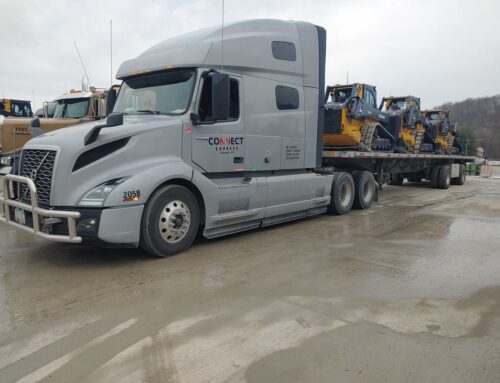
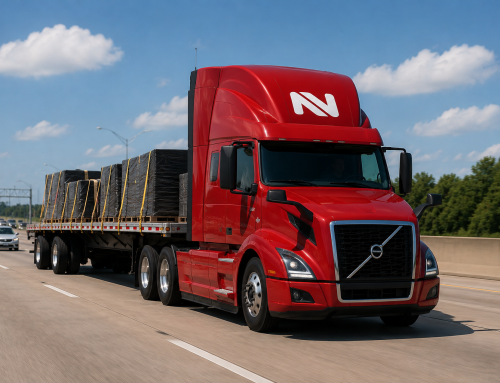
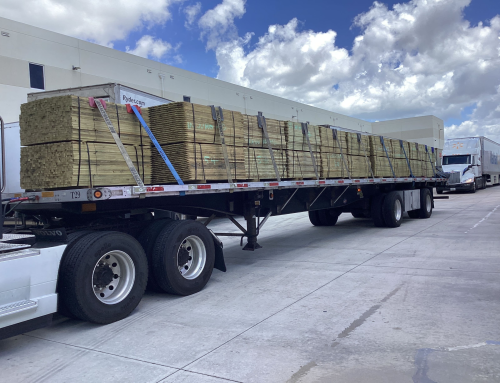
The same applies to reefer and flatbed freight, often with more pressure. Refrigerated equipment has fewer usable options than standard dry vans. Flatbeds may need tarps, chains, edge protection, permits, or drivers with the right experience for the freight. Oversized loads add another layer because routing and permits need to be right before the truck rolls.
A rate is not just a price for miles. It is a commitment to put the right truck in the right place at the right time.
Lane Balance Matters
Some lanes are easy to cover because trucks regularly move in both directions. Others are harder because carriers can find freight going into an area but have limited outbound opportunities afterward.
This is called lane balance. If a driver delivers into a market with little freight available for the next move, that affects whether a carrier can commit equipment to that lane. It does not mean the lane cannot be serviced. It means the carrier needs to plan it properly.
A consistent lane is usually easier to support than an occasional one-off shipment. Dedicated freight lanes give carriers a better chance to position drivers, plan reloads, and keep service steady. That can reduce last-minute problems, especially when your shipping schedule stays predictable.
Pickup Timing Can Change the Rate
A load ready at 8:00 a.m. on a weekday is different from a load that must pick up after hours, on a holiday weekend, or with only a few hours of notice. The freight may be identical, but the available truck pool is not.
Tight appointment windows also matter. If a driver has to wait several hours for loading or unloading, that truck cannot be used for another planned move. Carriers look at the total time required, not only the highway miles.
This is where clear information helps. If loading is first come, first served, say so. If a facility is known for long check-in lines, be upfront. A good carrier can plan around real conditions. No one can plan around missing details.
What Shippers Can Control
You cannot control every market shift, but you can make your freight easier to cover and easier to execute. That is usually where the best results come from.
Start with accurate load information. Weight, dimensions, commodity, pickup and delivery hours, required equipment, temperature range, and special handling requirements should be confirmed before a truck is assigned. A flatbed load described as standard can become a problem if it needs tarps or has an unreported overhang. A reefer load can be delayed if the required temperature or product condition is unclear.
Lead time also matters. More notice gives a carrier more options to schedule the right driver and equipment. That does not mean urgent freight cannot move. It can. But same-day and next-day requests leave less room to choose the best available truck.
Consistency helps even more. When a shipper shares a weekly forecast, regular shipping days, and expected volume, the carrier can make better decisions before the freight is sitting on the dock. That is better than sending out a request after every truck has already been booked elsewhere.
The Cost of Chasing the Lowest Quote
Every shipper has a budget. That is normal. But a quote should be judged by the full job, not the initial number alone.
If a carrier takes a load at a number that does not support the lane, the risk may show up later. The truck may cancel. The pickup may be pushed. Calls may stop getting returned. Then your team is trying to recover a load that should have been covered from the start.
The lowest quote can work when the carrier has the right truck nearby and a good reason to take the freight. It can also fail when the quote was based on hope instead of actual capacity.
Ask a simple question: Is this carrier committed to the pickup, or are they still looking for a truck? The answer tells you a lot.
A real asset carrier should be able to explain what equipment is being assigned, where it is coming from, and whether the driver can meet the appointment. There may still be changes on the road. Weather, traffic, breakdowns, and facility delays happen. The difference is how quickly you hear about them and what gets done next.
Truckload Rate Changes by Equipment Type
Not all equipment reacts to market conditions the same way. Treating every shipment like a standard dry van load can lead to bad planning.
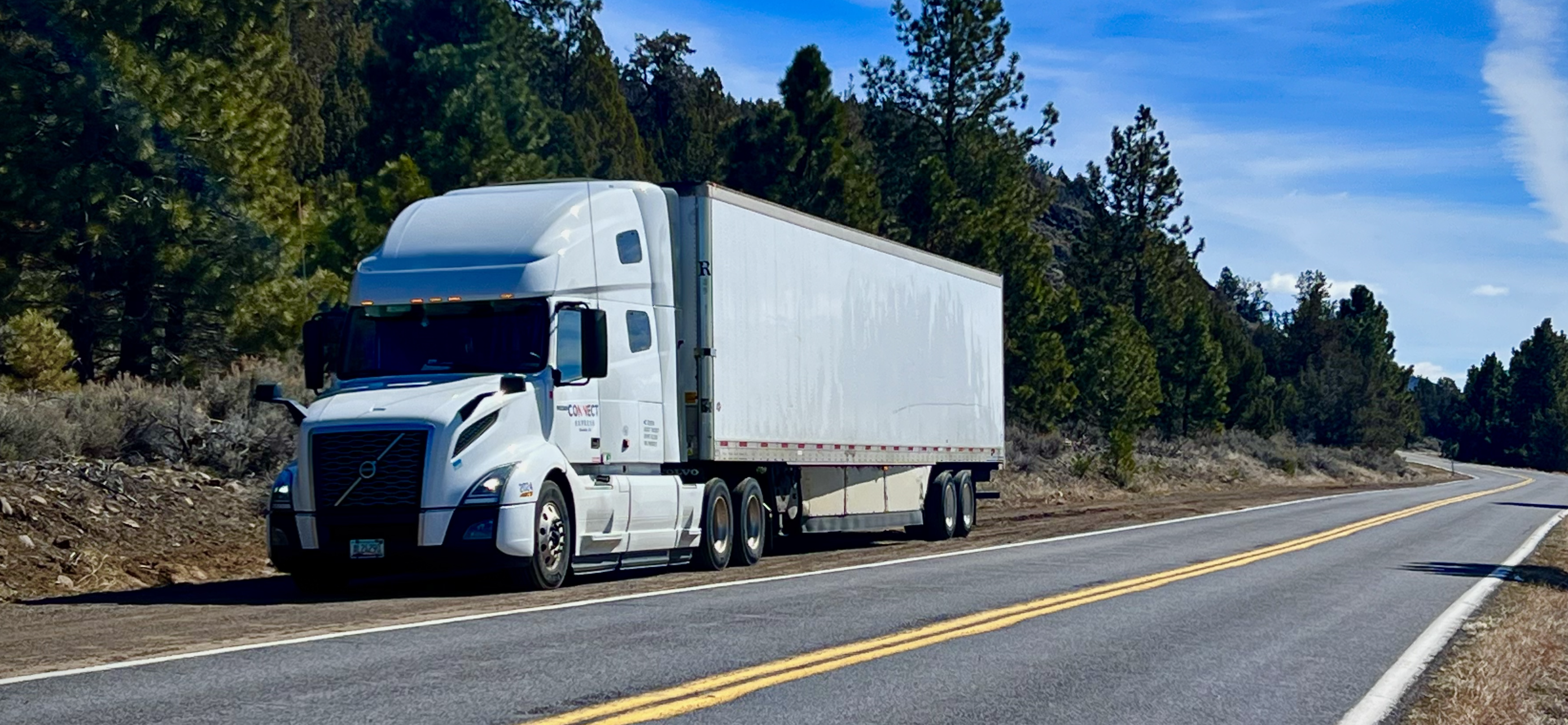
Dry van freight usually has the broadest pool of equipment, but high-volume shipping periods can tighten capacity quickly. Retail freight, packaged goods, and general manufacturing loads often compete for the same trucks.
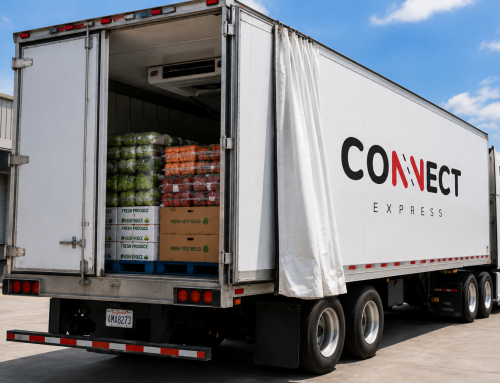
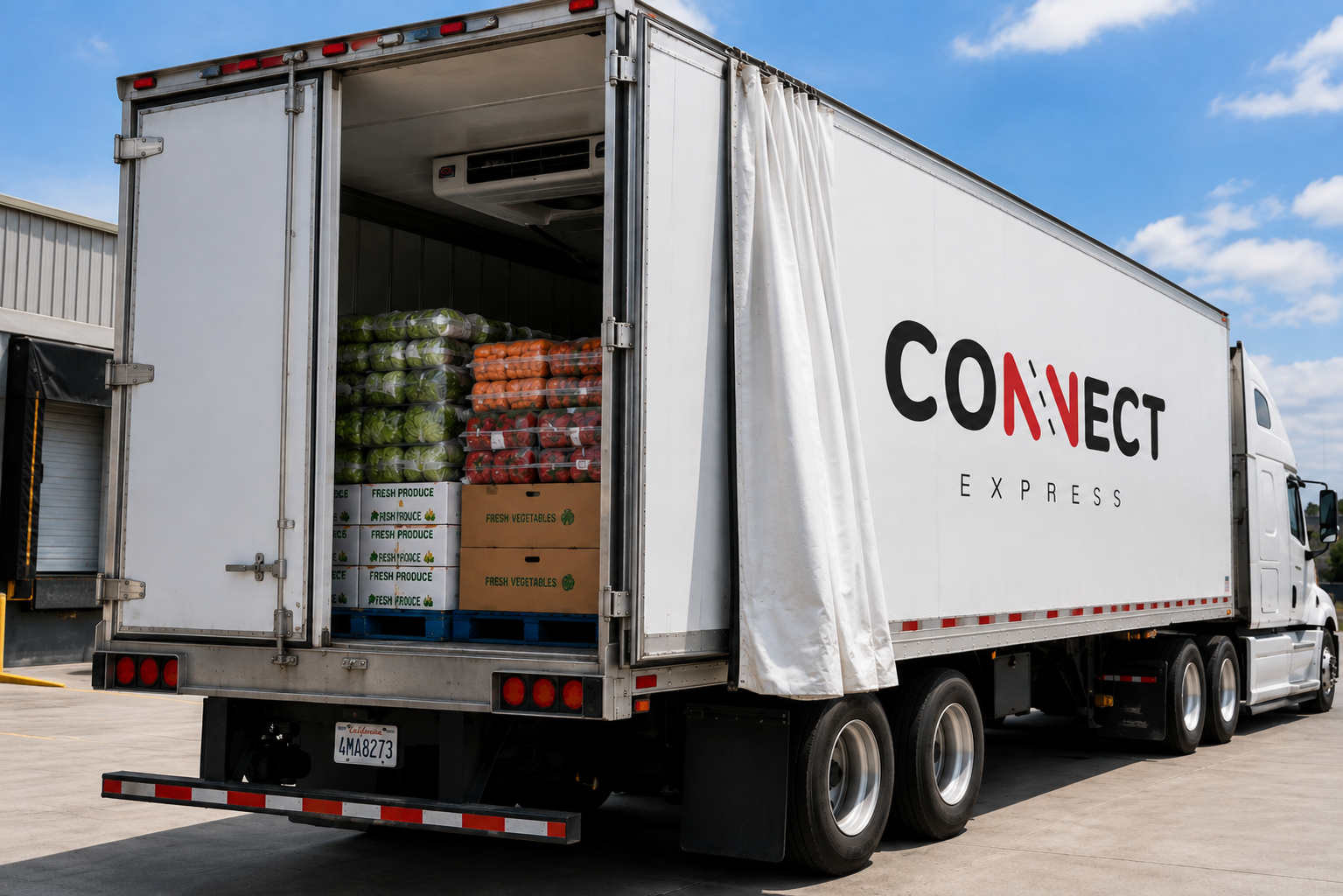
Reefer capacity can tighten with seasonal produce movement in the Southwest and California. Temperature requirements, washouts, and product-specific handling reduce the number of trucks that can take a given load. A reefer is not interchangeable with a dry van simply because both are enclosed trailers.
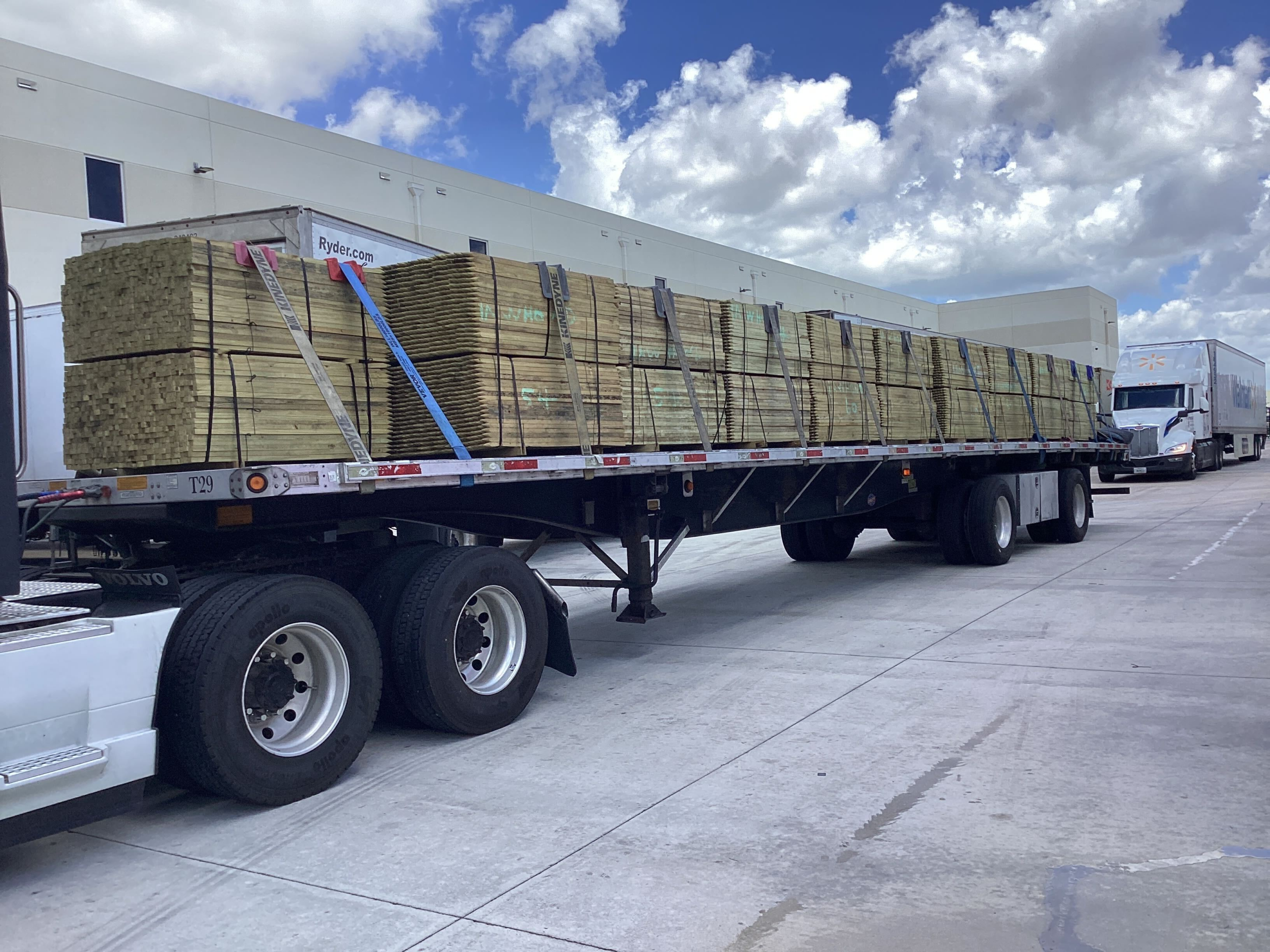
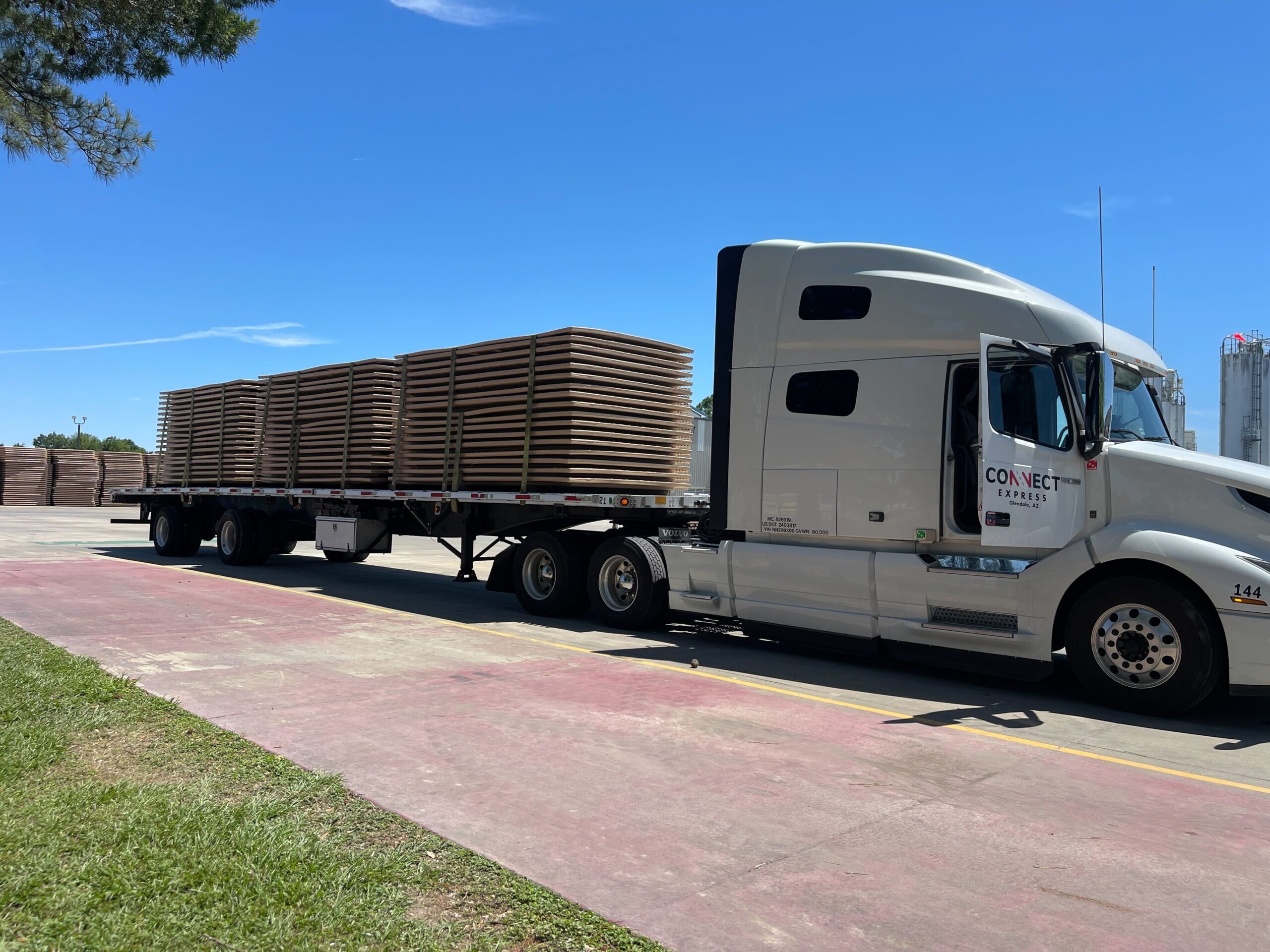
Flatbed freight depends heavily on trailer type, securement needs, freight dimensions, and driver experience. A load requiring tarps, chains, binders, or a step deck needs to be communicated correctly from the first call. For oversize hauling, the route, permits, escorts, and timing can all affect the plan.
For these specialized moves, waiting until the last minute usually creates more pressure than it does with basic dry van freight. Early details give everyone time to get the move right.
How to Build More Predictable Freight Coverage
The best way to handle changing market conditions is not to expect a fixed number forever. It is to build a shipping process that gives your carrier enough information to execute.
Share upcoming volume when you have it. Confirm appointments early. Let the carrier know when freight is truly ready, not when it might be ready. If a load is flexible by a few hours or a day, say that too. Small scheduling flexibility can make a major difference in truck availability.
It also helps to work with carriers that understand your freight. A driver who knows the facility process, the loading expectations, and the delivery requirements is less likely to face avoidable delays. Familiarity does not remove every problem, but it reduces guessing.
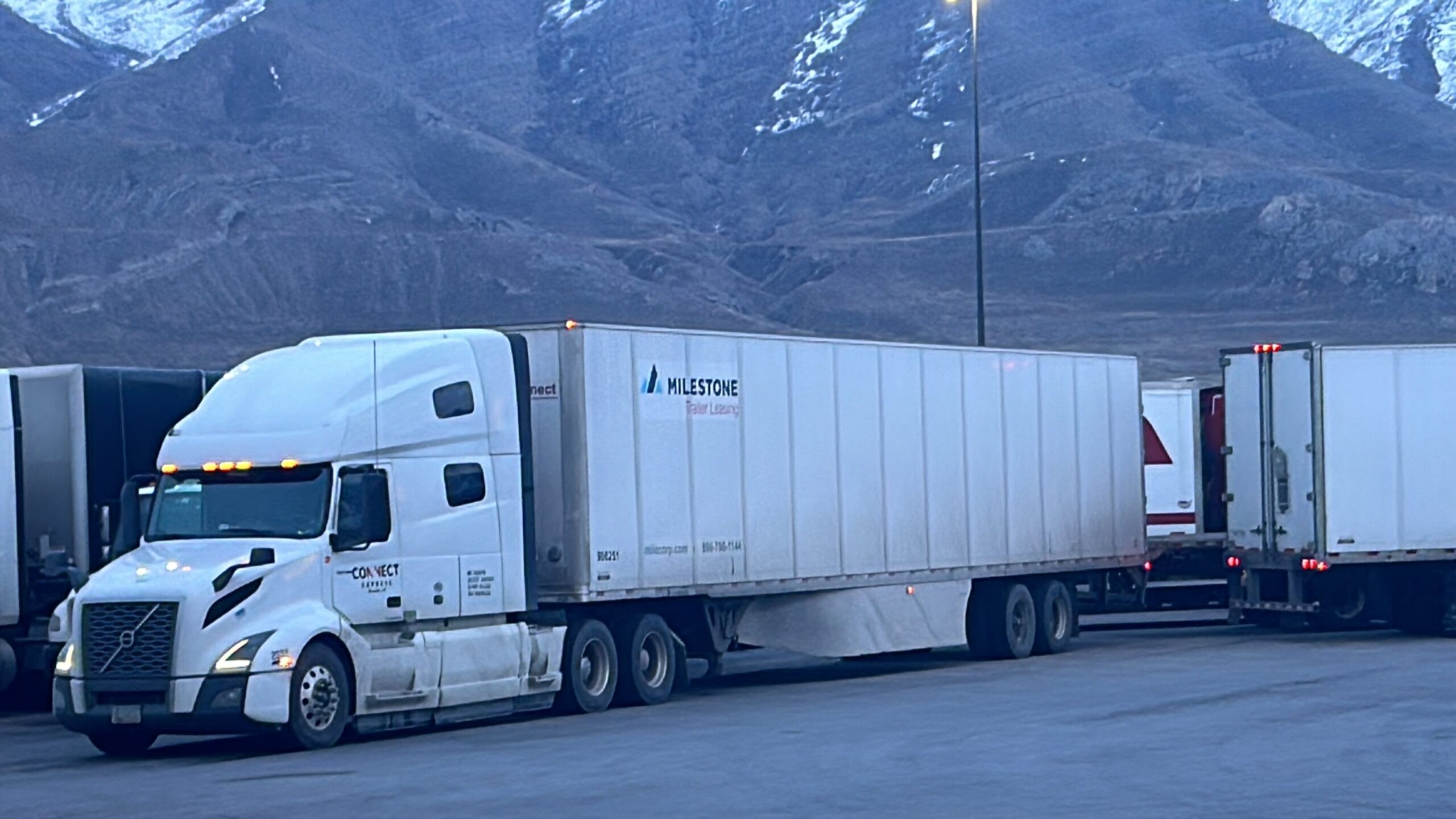
At ConnectExpress LLC, we run real trucks and work directly with shippers that need clear communication. From our Phoenix, Arizona base, we handle freight across the continental United States. The goal is simple: give you a realistic plan, show up ready, and keep you updated if conditions change.
Questions to Ask When a Rate Moves
When a truckload rate changes, ask what changed operationally. Was there a shift in available equipment? Is the pickup too tight? Are appointment times creating a scheduling issue? Does the load need special equipment or handling that was not included before?
Those questions keep the conversation focused on execution. They also help separate a real capacity issue from a vague answer.
You should also ask what the carrier needs from you to hold the plan together. Sometimes the answer is more notice. Sometimes it is a confirmed appointment, faster loading, or a clearer description of the freight. That is useful information, because it gives your team something practical to act on.
Freight moves best when both sides deal in facts. The carrier needs accurate details and realistic scheduling. The shipper needs honest updates and a truck that arrives prepared. When rates move, that working relationship matters more than ever.
The next time a quote changes, do not look only at the number. Look at the truck, the driver, the pickup plan, and the communication behind it. That is where a smooth shipment starts.