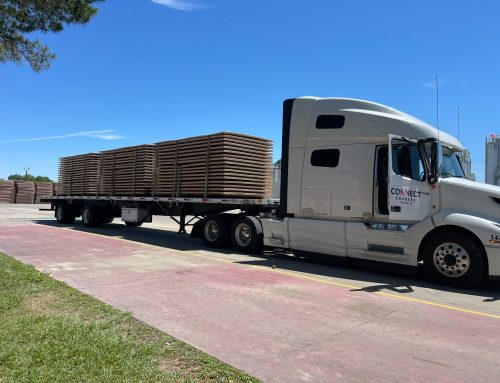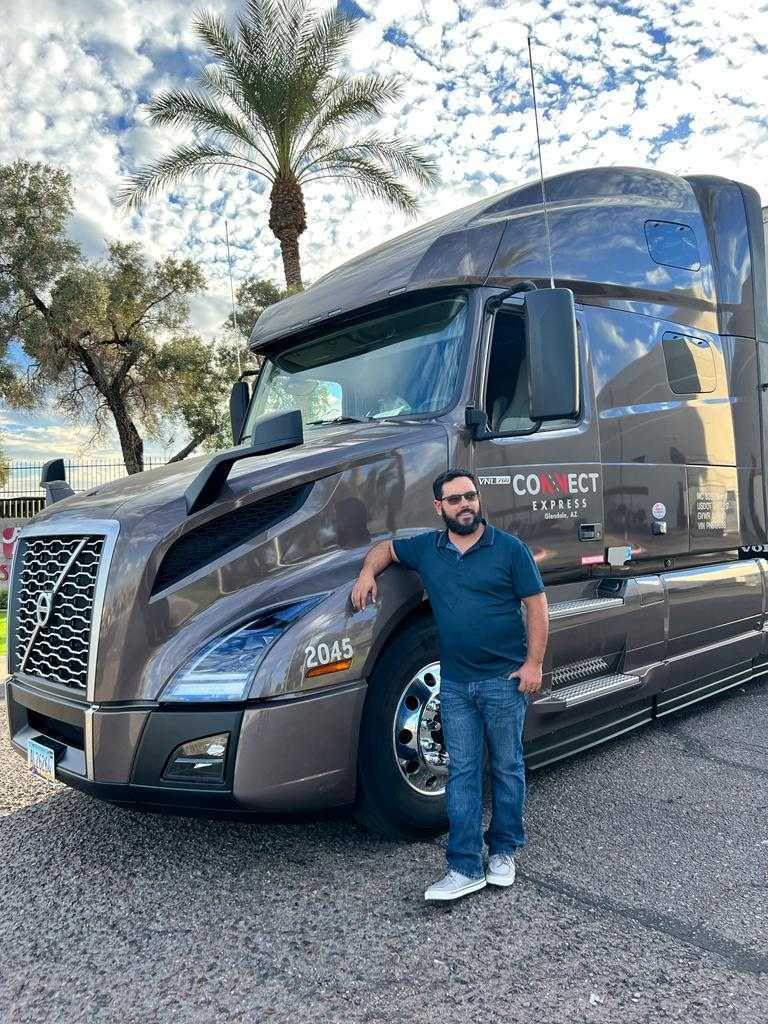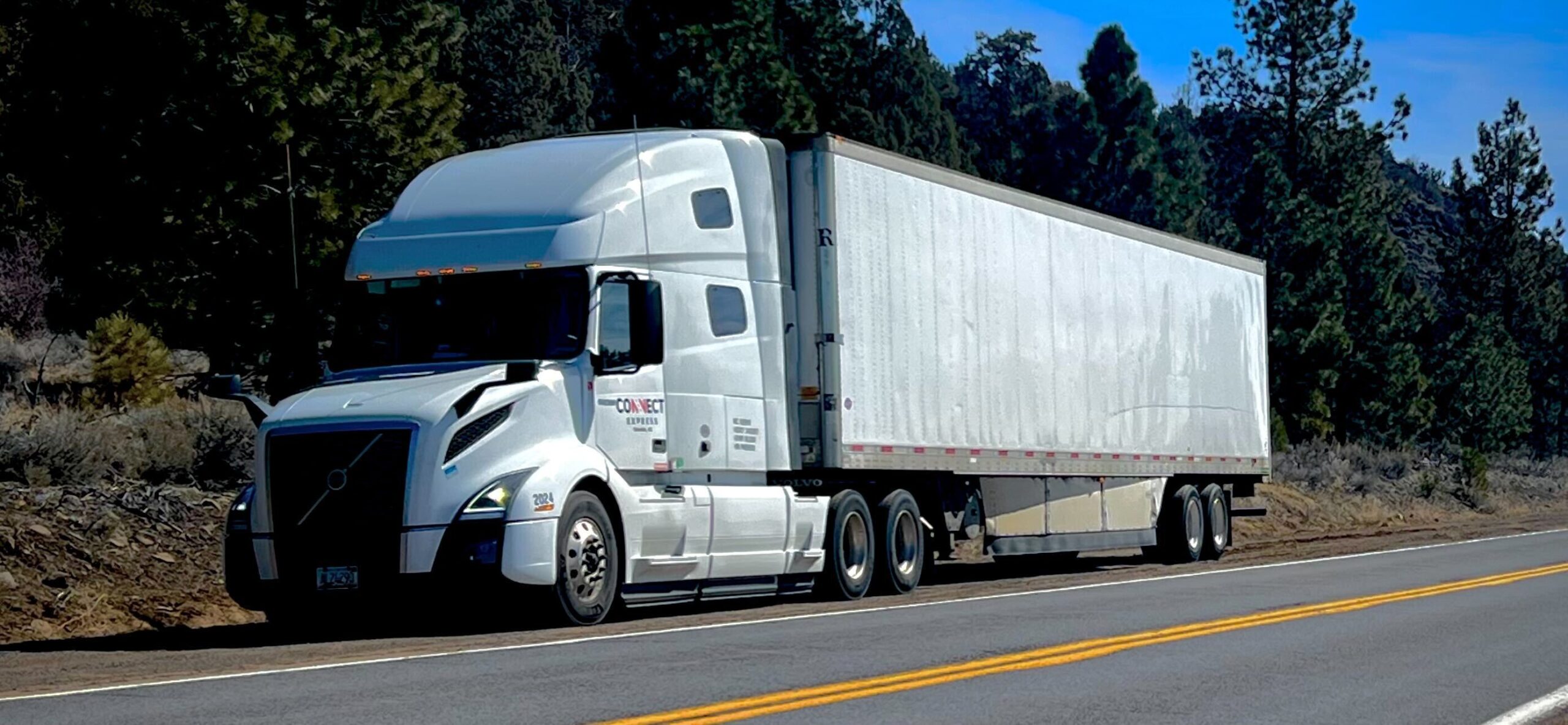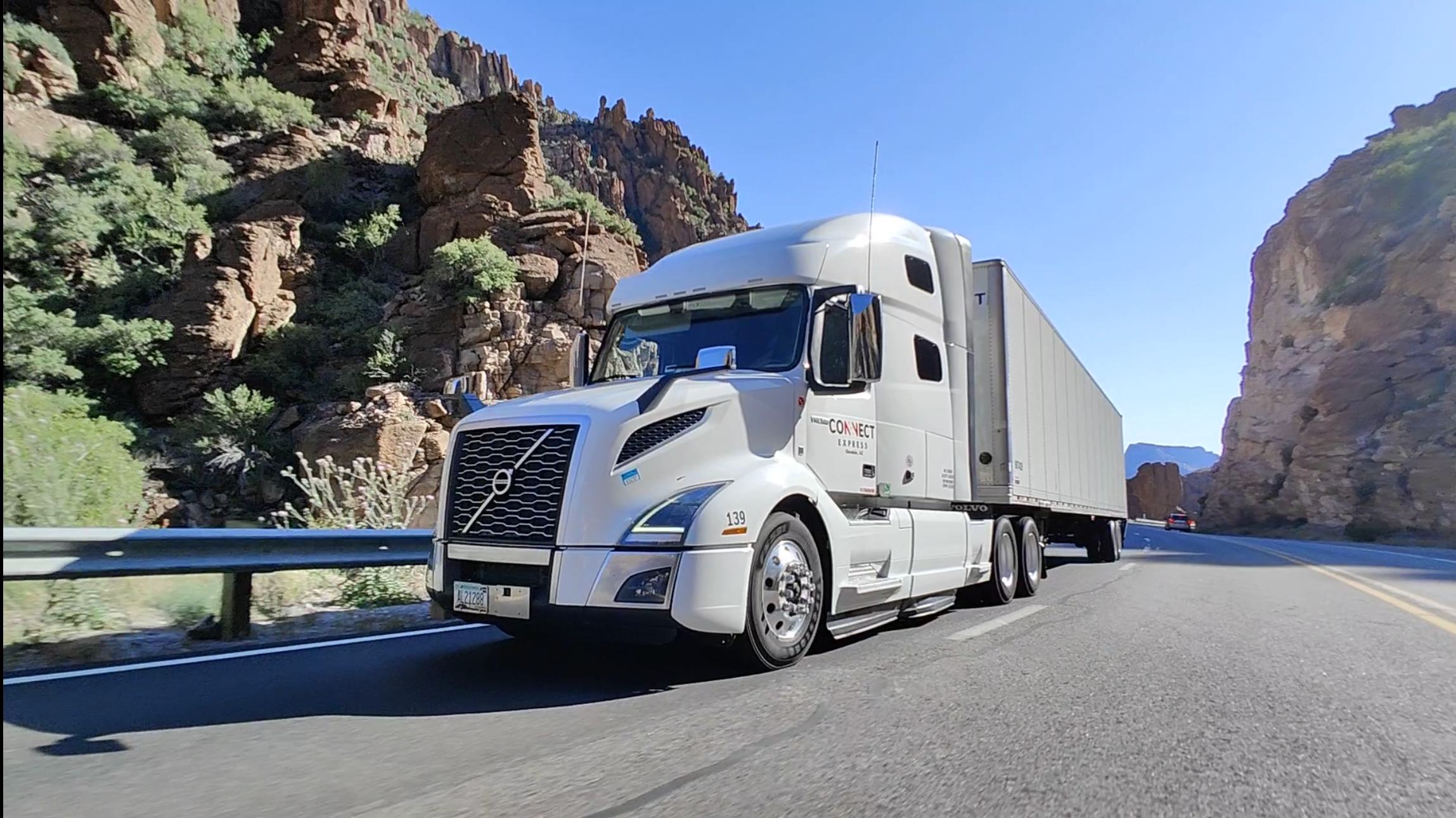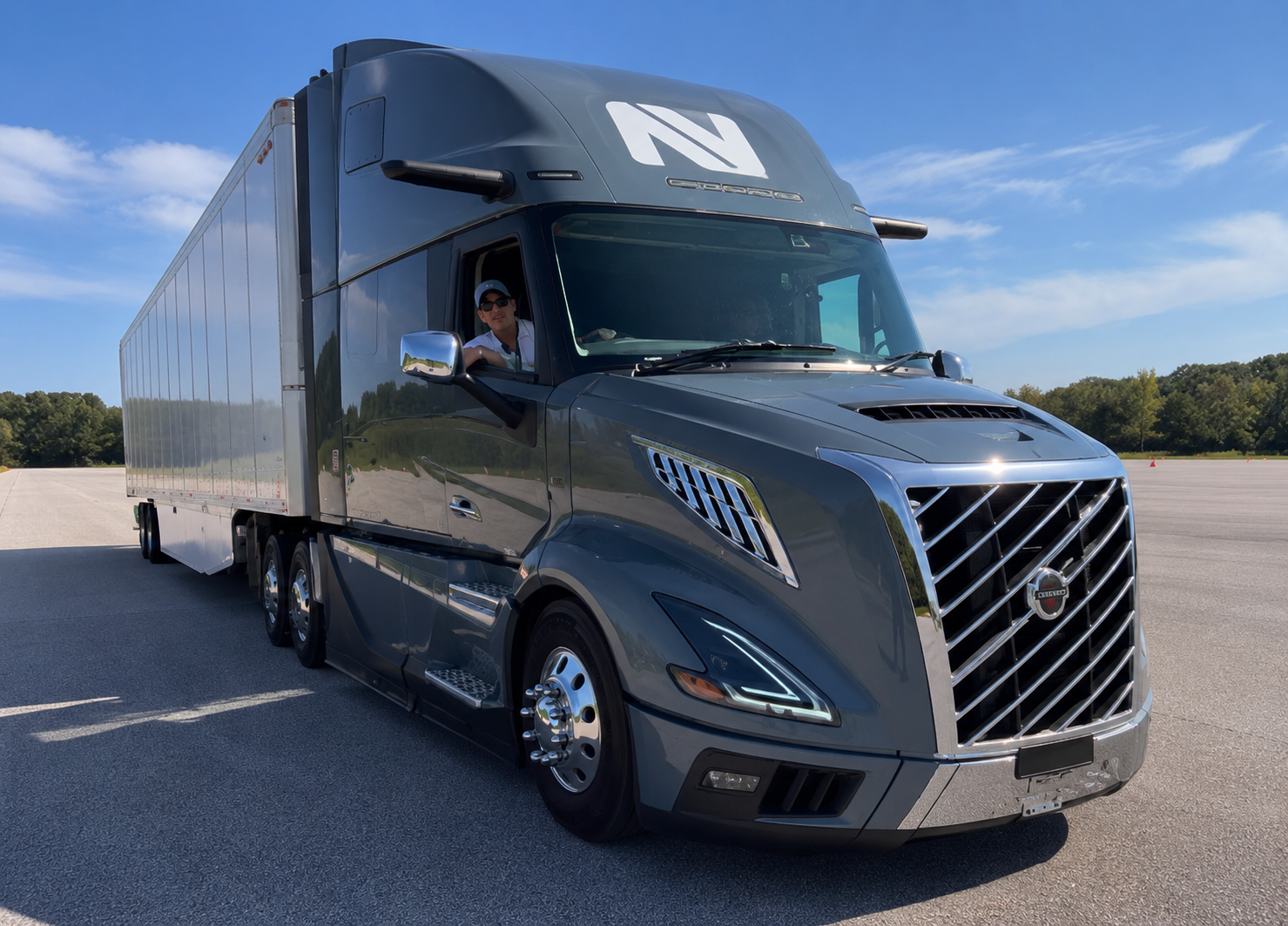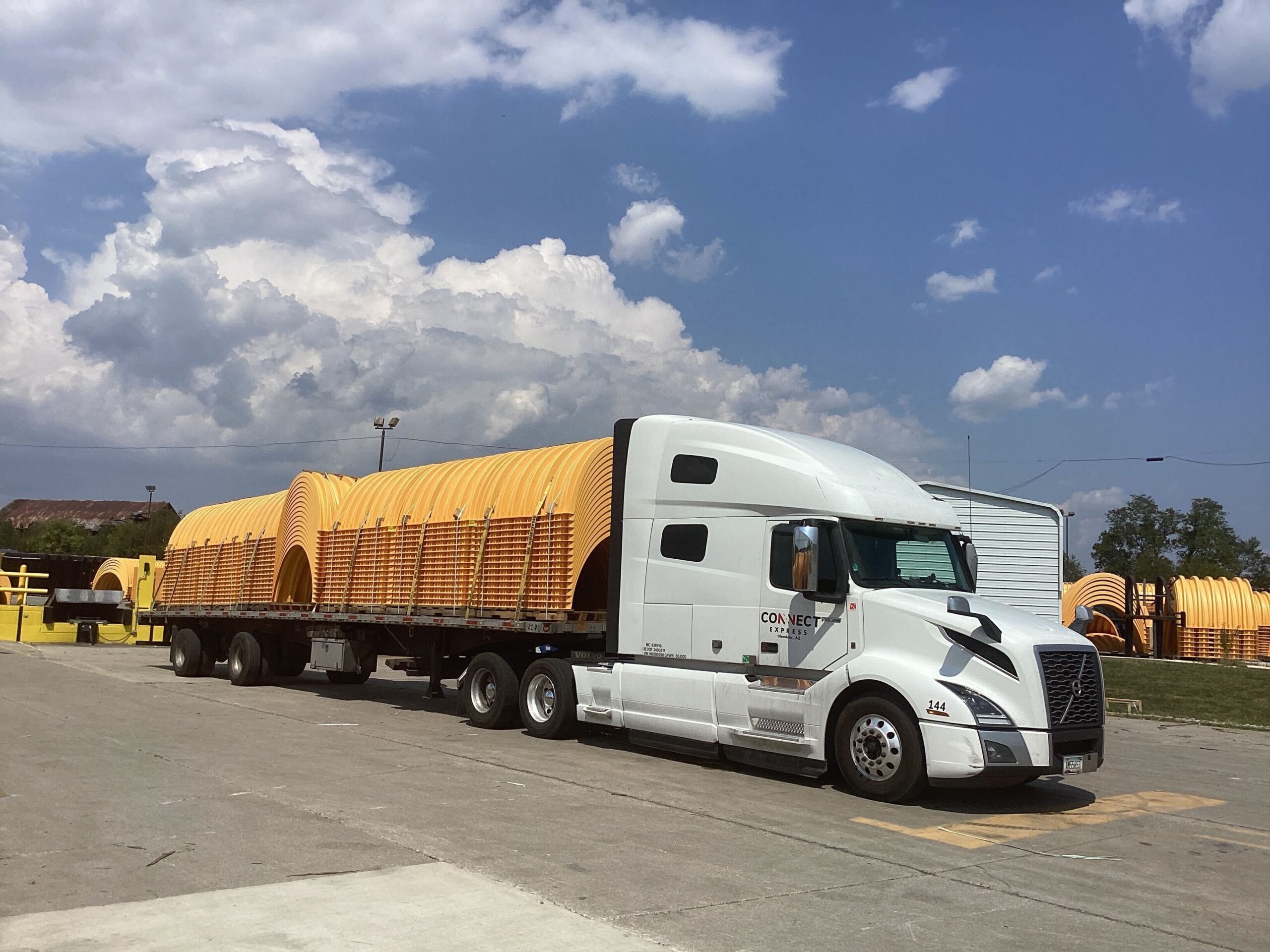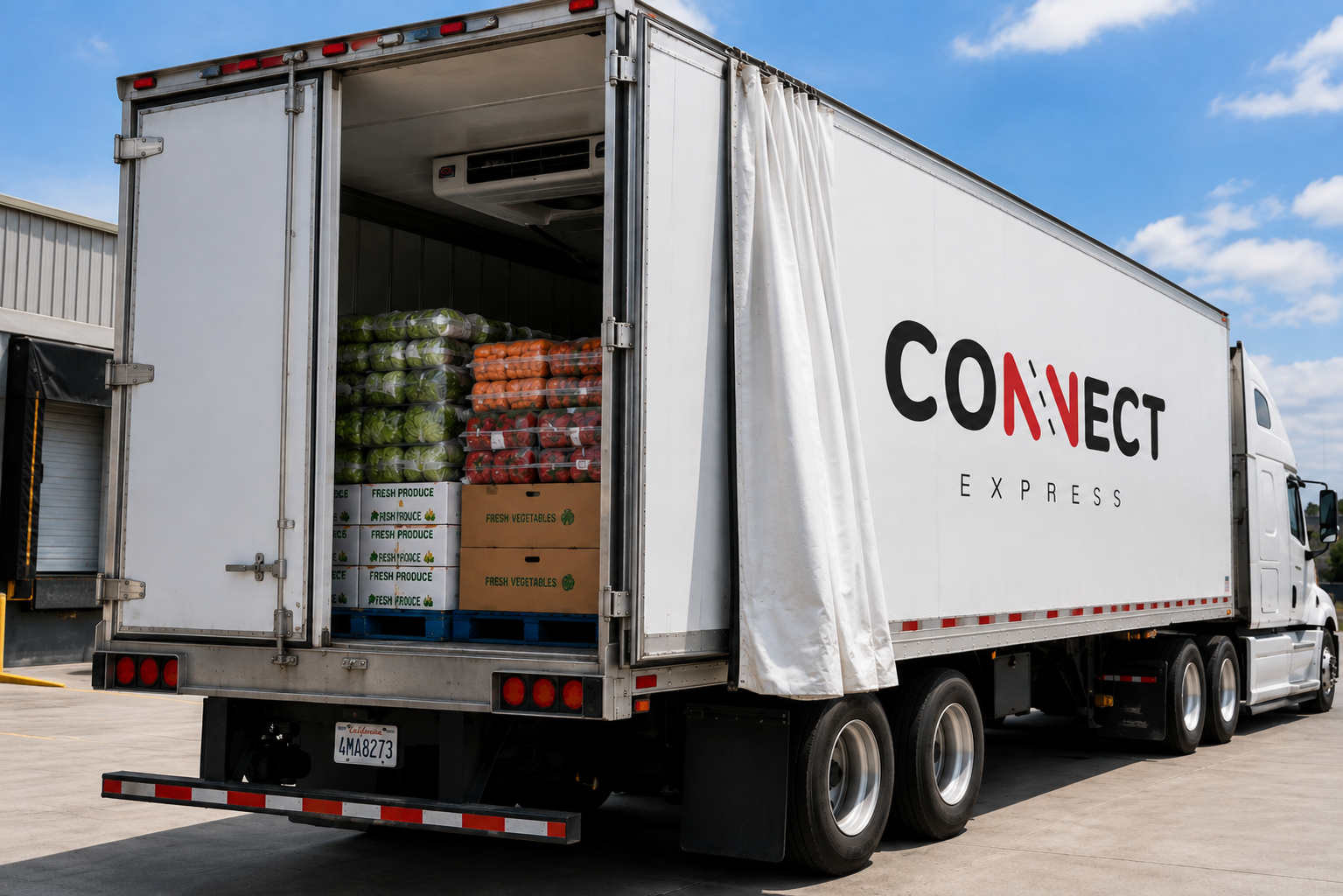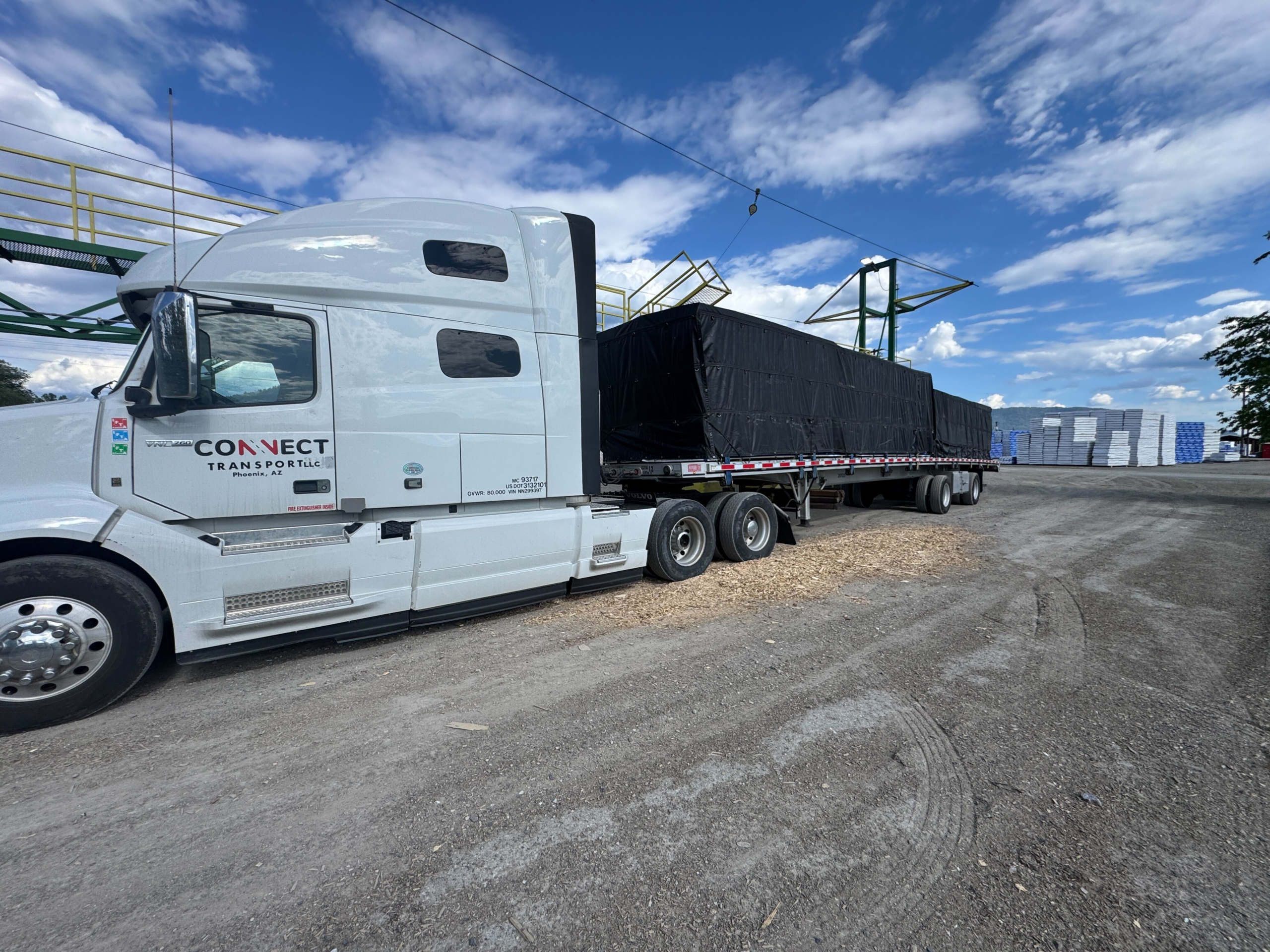
A missed pickup usually does not start with the pickup. It starts days earlier – when capacity is thin, communication is weak, or the carrier treating your freight like a one-off load has no real backup plan. That is why dedicated truckload services matter. If your freight moves on a schedule, to the same regions, or with the same service requirements every week, a dedicated setup can remove a lot of the noise.
For an Arizona-specific shipper checklist, read dedicated truckload shipping Arizona: when fixed lanes beat spot freight.
Planning committed capacity? See our dedicated trucking service. Request a truckload quote → Contact us or call 480-401-1998.
For shippers, this is not about having a truck with your name on the door. It is about control. You know who is hauling the freight, what equipment is assigned, how the lane runs, and who to call when something changes. That consistency helps on both ends of the dock.
What dedicated truckload services actually mean
Dedicated truckload services are built around committed capacity for a specific customer, lane, or freight pattern. Instead of tendering each load into the open market and hoping the service holds, you work with a carrier that plans trucks, drivers, and equipment around your freight.
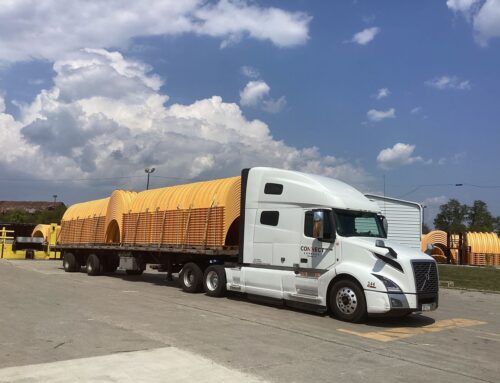
That can look different depending on the operation. Some shippers need a truck on the same lane every day. Others need a few tractors and trailers covering regional freight each week. Some need dedicated reefer capacity because product cannot sit. Others need flatbed support for repeat construction or equipment moves.
The common thread is simple. Your freight is not competing with every other shipment at the last minute.
When dedicated truckload services make the most sense
Dedicated service is usually the right fit when freight is predictable enough to plan around. If you ship five days a week from the same plant to the same distribution centers, that is a strong case. If your volume spikes and drops without warning, a dedicated model can still work, but it has to be built with some flexibility.
It also makes sense when service failures cost more than the truck. Manufacturers know this well. One late inbound load can stall production. One missed outbound appointment can create a backlog at the dock. In those cases, stable capacity is not a luxury. It is part of keeping the operation moving.
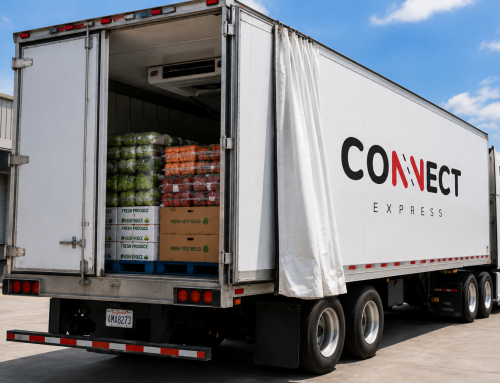
Temperature-sensitive freight is another obvious example. Reefer loads need more than a truck and driver. They need clean equipment, proper set points, regular checks, and drivers who understand that a small mistake can turn into a rejected load. If you ship refrigerated product on a schedule, dedicated capacity can lower the odds of that kind of failure.
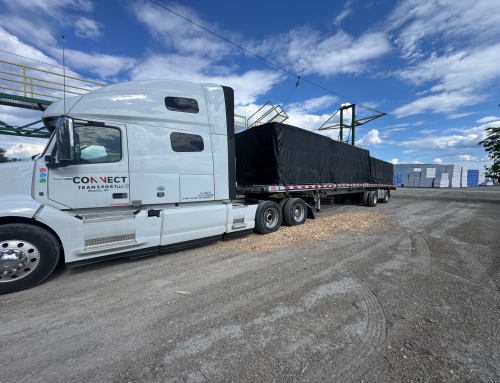
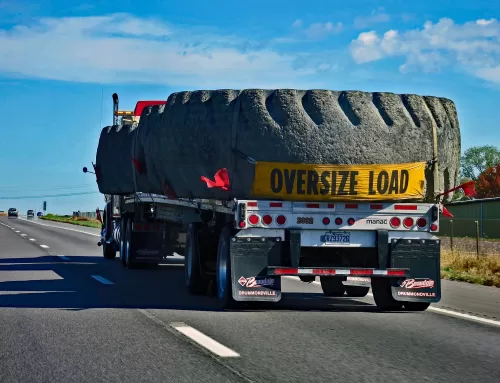
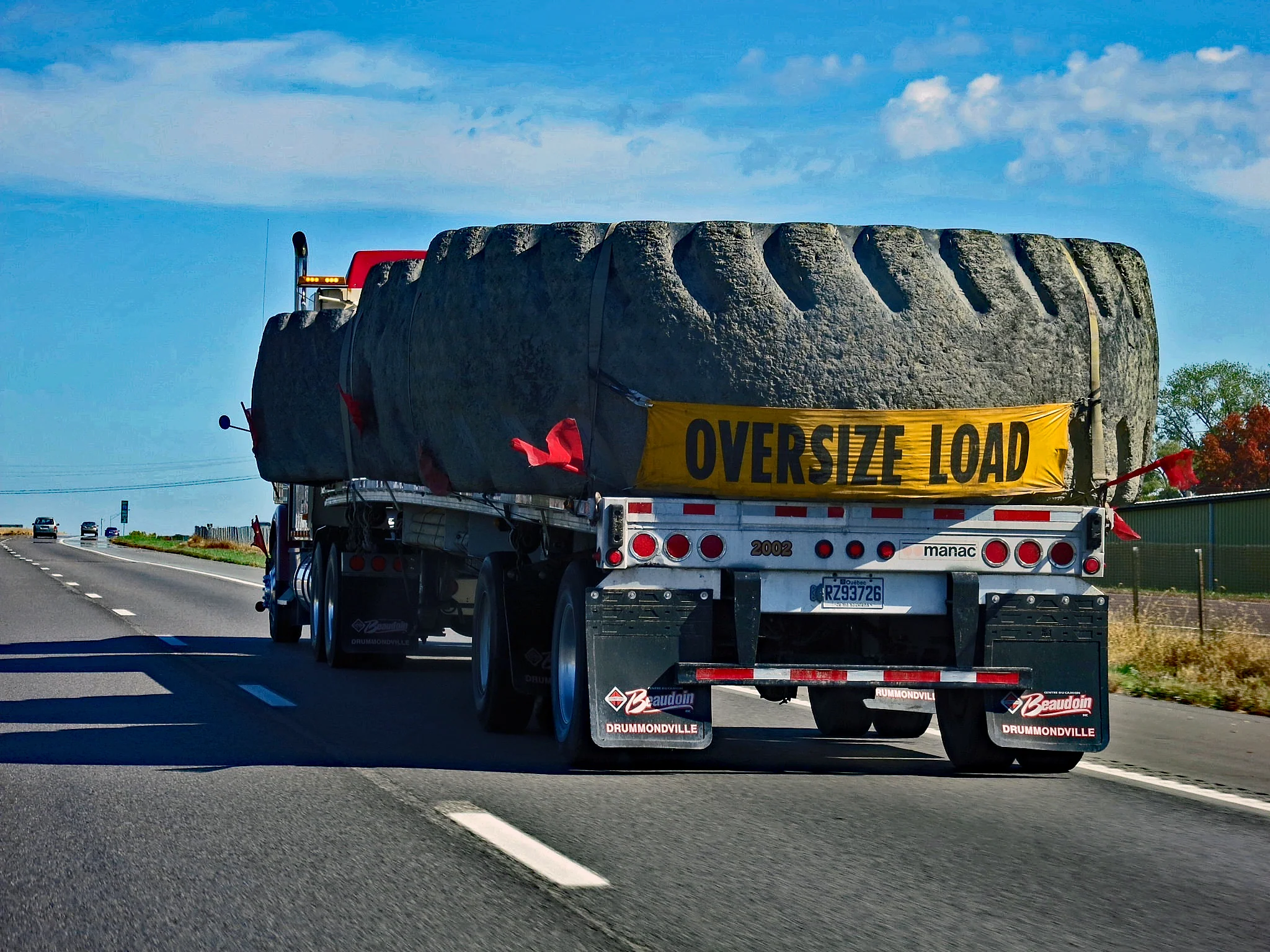
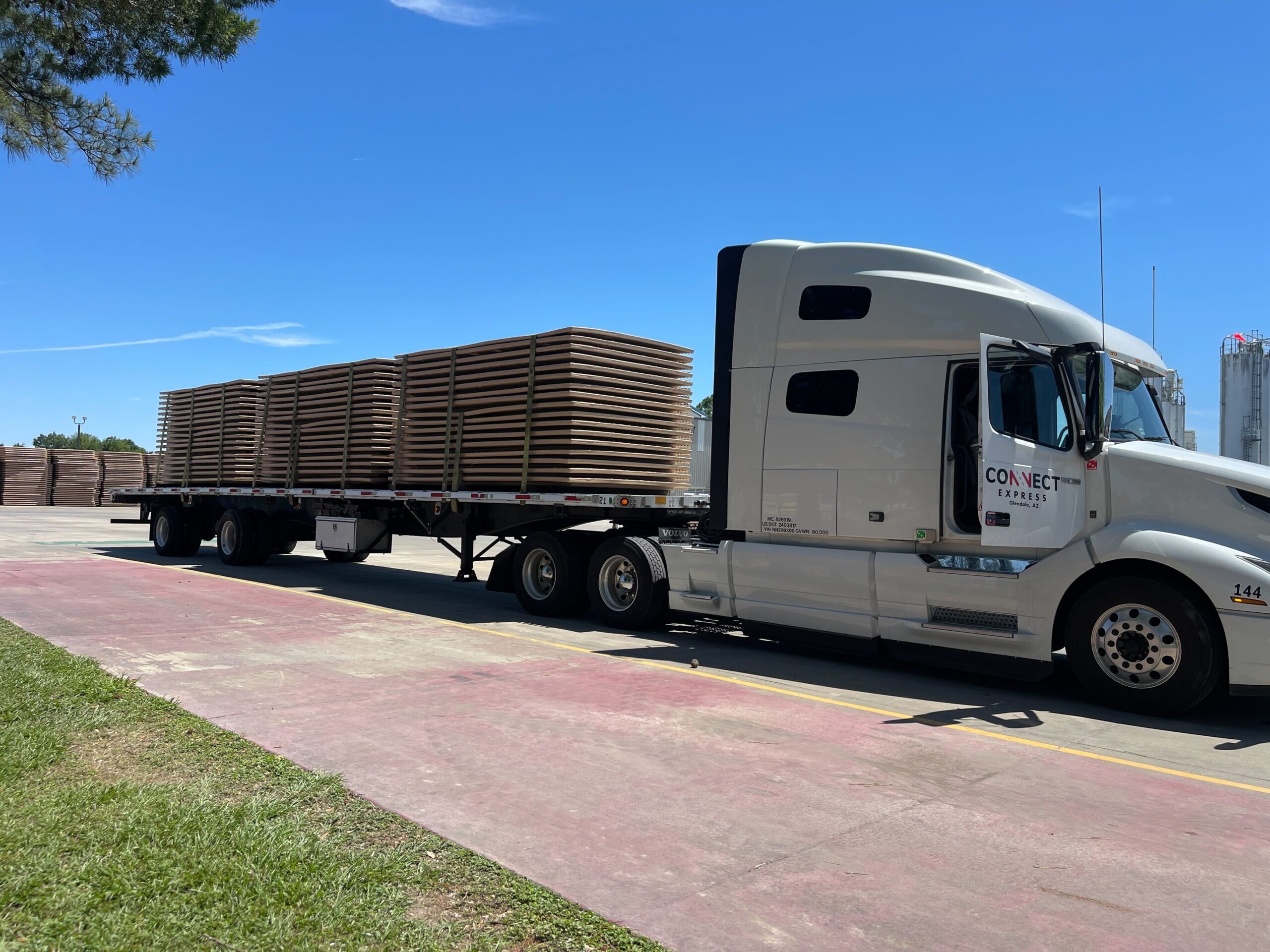
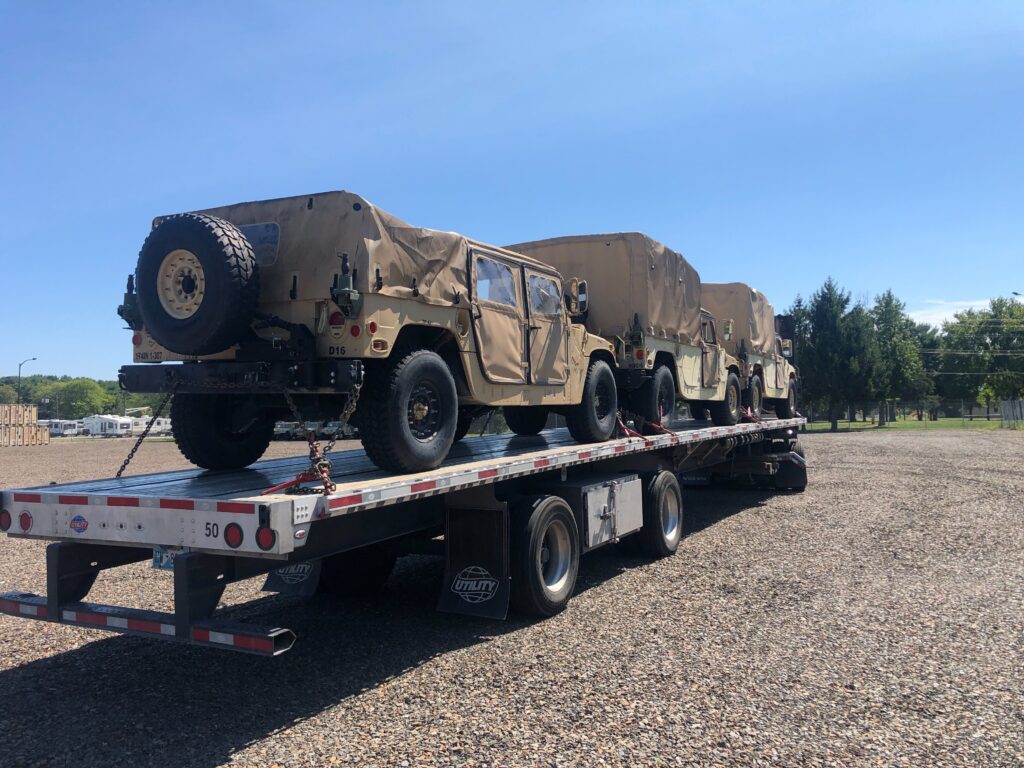
Flatbed and oversized work can follow the same pattern. If your freight needs tarping, securement checks, permit coordination, or drivers used to jobsite delivery, using a different carrier every time creates more room for error. Dedicated support gives you a team that already knows the freight.
What shippers gain from a dedicated setup
The biggest benefit is consistency. You are not re-explaining your freight every week. The carrier already knows the pickup hours, delivery windows, dock rules, detention issues, and route expectations. That saves time, but more than that, it cuts down on preventable mistakes.
Communication also gets better when the same team is handling the work. Dispatch knows the lane. Drivers know the stops. If there is a delay, you get a real update instead of a vague message sent after the appointment was already missed. For freight managers and logistics coordinators, that matters as much as the truck itself.
There is also a planning benefit. Dedicated service makes it easier to forecast trailer needs, appointment scheduling, and labor at the dock. Warehouses run better when inbound and outbound freight is not a surprise every day.
That does not mean dedicated service solves every problem. If the schedule itself is unrealistic, or if loading times are consistently poor, even a dedicated fleet will feel the strain. Good carriers can help identify those issues, but they cannot fix bad shipping habits on their own.
The trade-offs to understand
Dedicated capacity works best when the freight supports it. If your volume is inconsistent, the setup has to account for that. Otherwise you can end up with too much truck on quiet weeks and not enough flexibility on busy ones.
This is where honest lane analysis matters. Some freight should stay in a dedicated model. Some should stay transactional. A mix of both is common, especially for shippers with steady core lanes and unpredictable overflow.
There is also a service commitment on both sides. The carrier is reserving equipment and driver time around your freight. In return, the shipper needs to provide realistic forecasts, clear operating requirements, and decent load planning. Dedicated service is stronger than spot coverage, but it still depends on execution.
That is why the carrier type matters. A broker may be able to line up trucks, but that is different from a carrier running real equipment with real drivers under its own control. When service has to be repeatable, direct operational control matters.
Equipment matters more than most people think
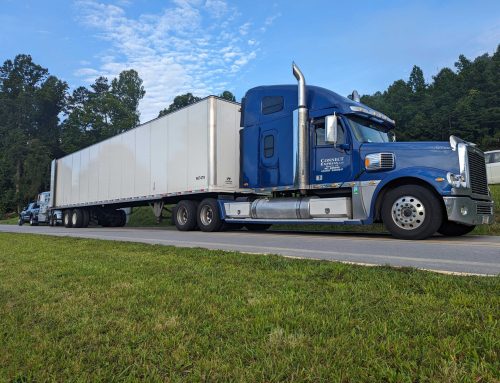
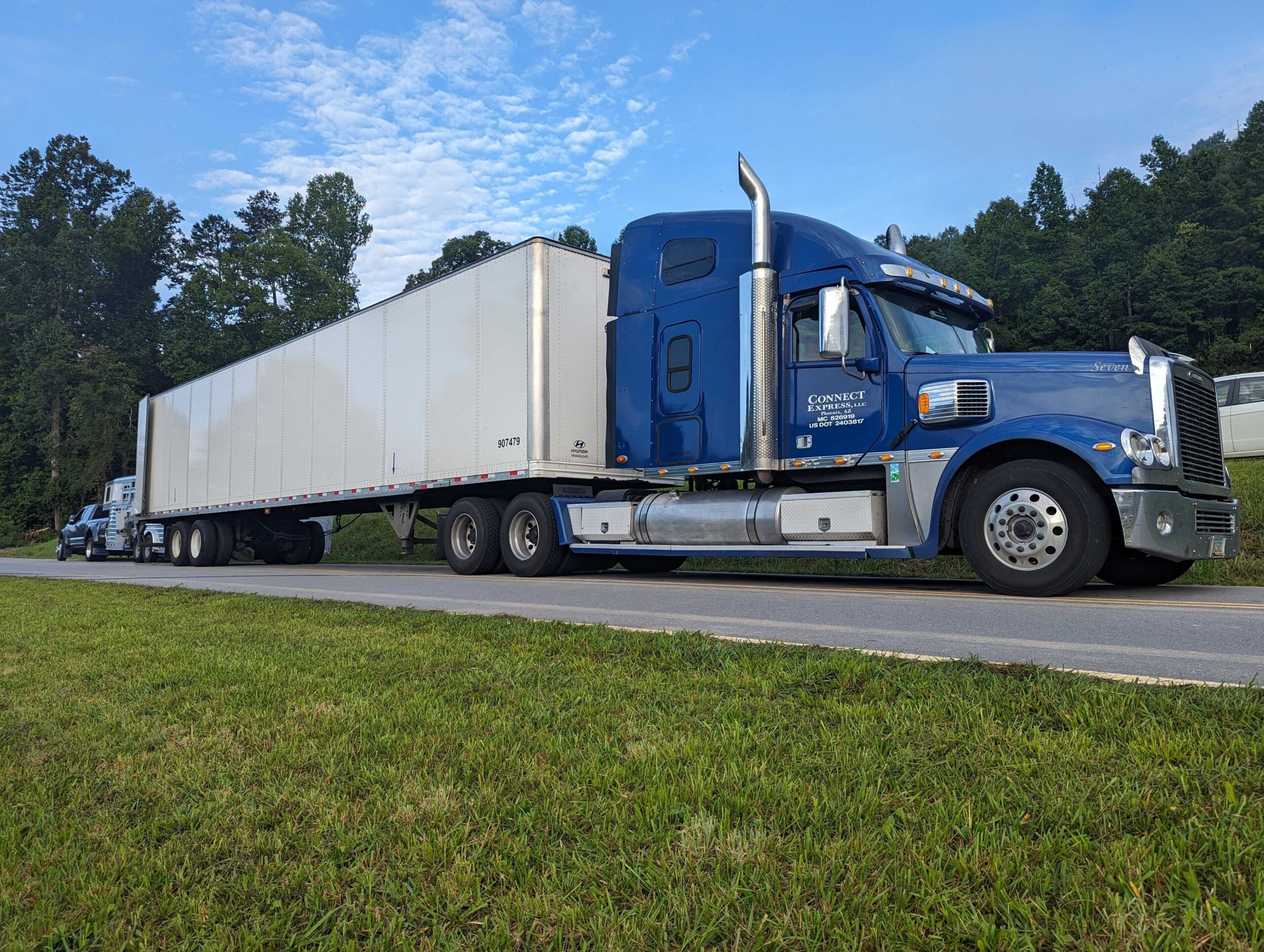
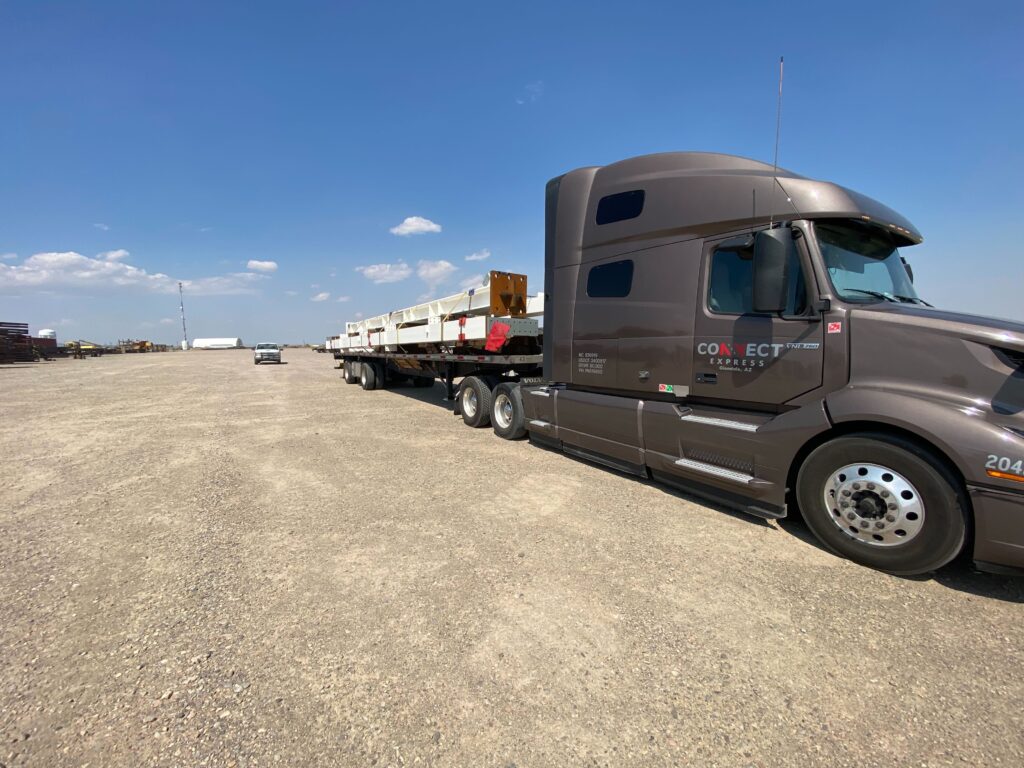
A dedicated lane is only as good as the equipment behind it. Dry van freight may sound straightforward, but trailer condition, door seals, load securement, and maintenance still affect claims and delays. Reefer freight raises the stakes. Flatbed and oversized work raise them even more.
If your freight has specific requirements, the carrier should be matching equipment to the job from the start. That includes trailer type, capacity, service region, and driver experience. A dedicated model gives you a better chance of keeping that match consistent.
For companies based in Phoenix, Arizona and across the Southwest, that can be especially important with heat-sensitive freight, long regional runs, and tight delivery windows into states like California, Nevada, New Mexico, Texas, Utah, and Colorado. The lane may be routine on paper, but weather, traffic, and appointment pressure still test every load.
What to ask before moving to dedicated truckload services
The right questions are operational. How steady is the freight? What are the pickup and delivery patterns? What equipment is required? Are there live loads, drop trailers, strict appointments, temperature controls, or jobsite issues? How much notice do you really have before freight is ready?
You should also ask who is managing the account day to day. If the answer is vague, that is a problem. Dedicated freight needs direct communication, not a chain of handoffs. You should know who dispatches the trucks, who tracks the load, and how updates are sent.
It also helps to look at where failures happen now. Are loads covering late? Are appointments being missed? Is the problem poor communication, weak capacity, or a mismatch between freight requirements and the trucks being used? Dedicated service is most effective when it is solving a real recurring issue, not just changing the label on the same process.
What good dedicated service looks like in practice
It looks boring, and that is a good thing. The truck shows up on time. The driver knows the lane. The trailer is right for the load. Updates are clear. Deliveries happen when they are supposed to happen, and when something changes, you hear about it early.
That kind of service is built through repetition and accountability. It is not flashy. It is disciplined. For a shipper, that usually means fewer fire drills and fewer calls chasing down basic information.
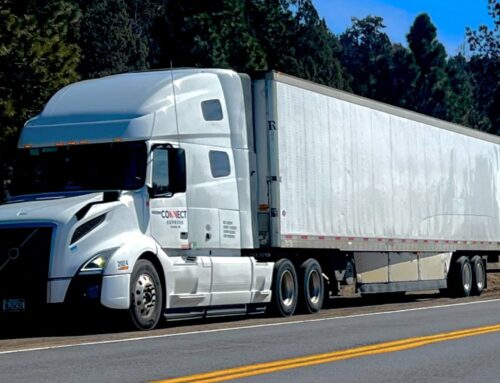
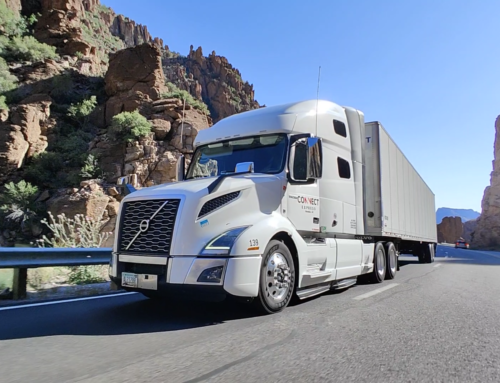
At ConnectExpress LLC, that is the point of the work. We operate out of Phoenix and handle freight with our own trucks, drivers, and equipment. That matters when a shipper needs reliable capacity on dry van, reefer, flatbed, or dedicated freight lanes. No guessing where the load is. No excuses when the schedule matters.
Dedicated truckload services are not for every shipment. But when your freight moves often enough, matters enough, or causes enough problems when it goes wrong, they can bring order back to the operation. If your team is spending too much time chasing updates and replacing missed trucks, the better question may not be who can cover the next load. It may be who can cover the lane the right way every week.