By the Connect Express Team, Glendale, AZ. Published October 31, 2026.
Drop and hook trucking is a way of moving full truckloads where the driver drops off an empty trailer and hooks up a trailer that is already loaded, instead of waiting at the dock while freight goes on. For shippers in Phoenix and the West Valley, the choice between drop and hook and live loading shapes dock schedules, yard space, paperwork and how much of a driver’s day is spent waiting. This guide explains how drop and hook works, how it compares with live loading, and what to settle with a carrier before you set it up.
What Drop and Hook Means
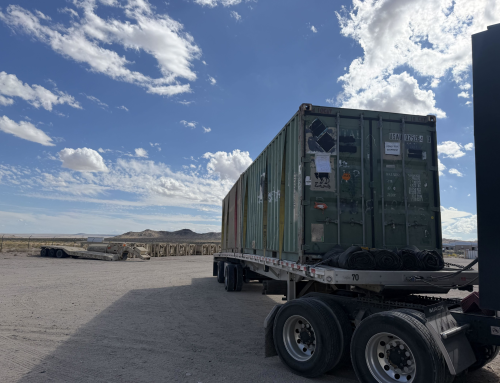
In a drop and hook move, the trailer and the truck are separated for loading. A trailer sits at your facility, your team loads it on your own schedule, and when the driver arrives they leave an empty trailer, hook the loaded one and leave. The same idea works at the receiving end: the driver drops the loaded trailer for the receiver to unload later and picks up an empty or a reload.
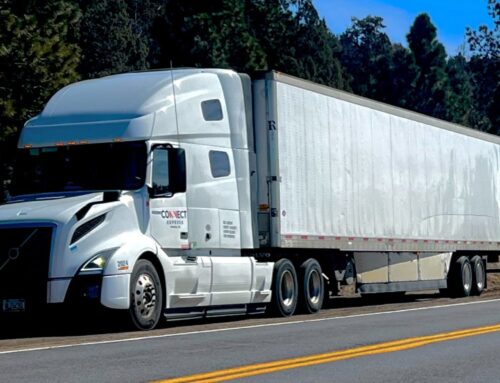
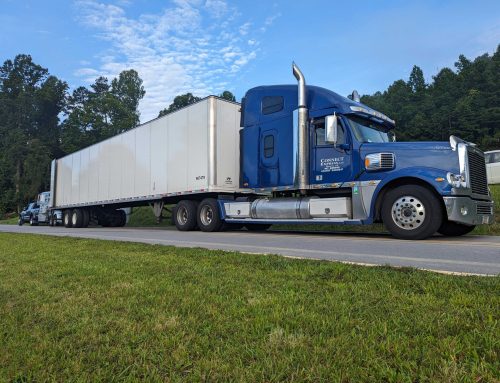
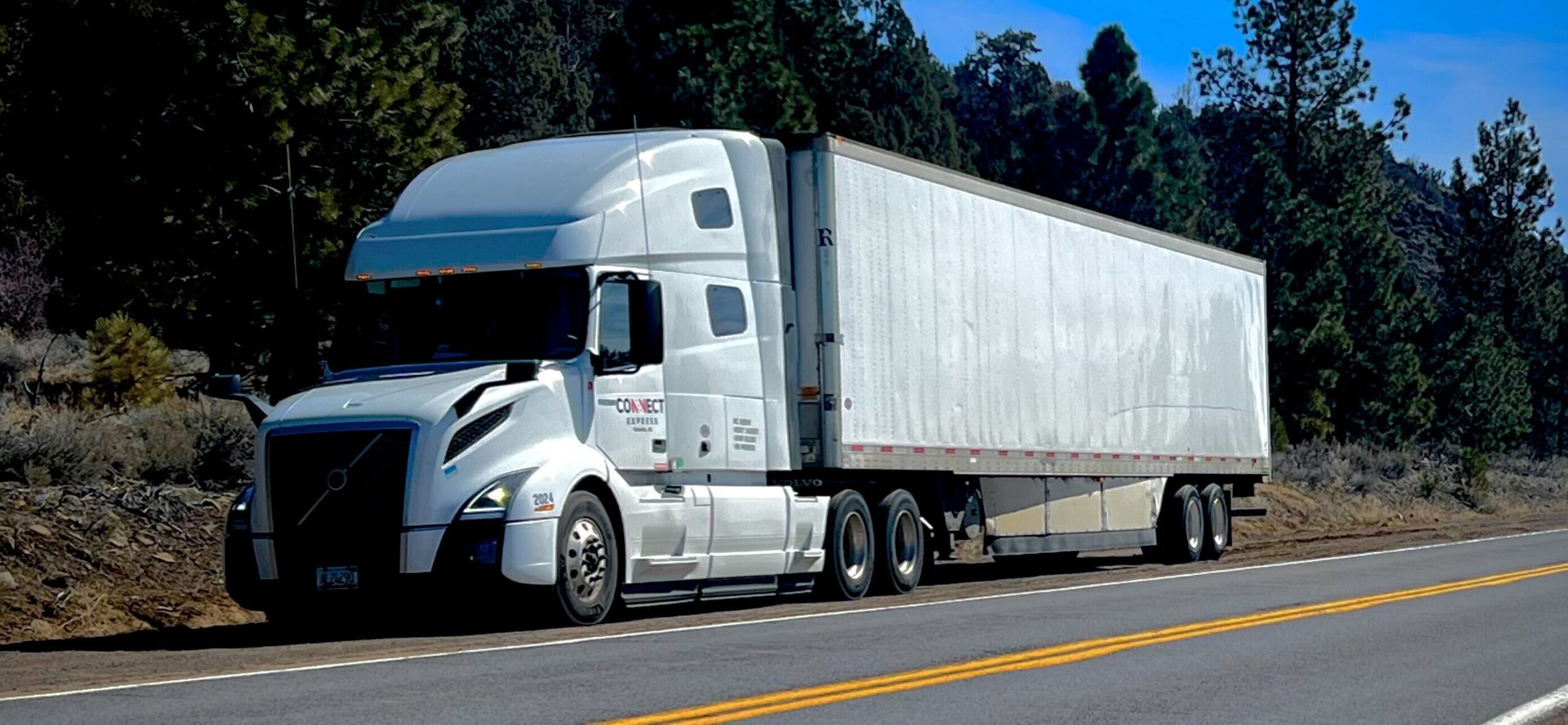
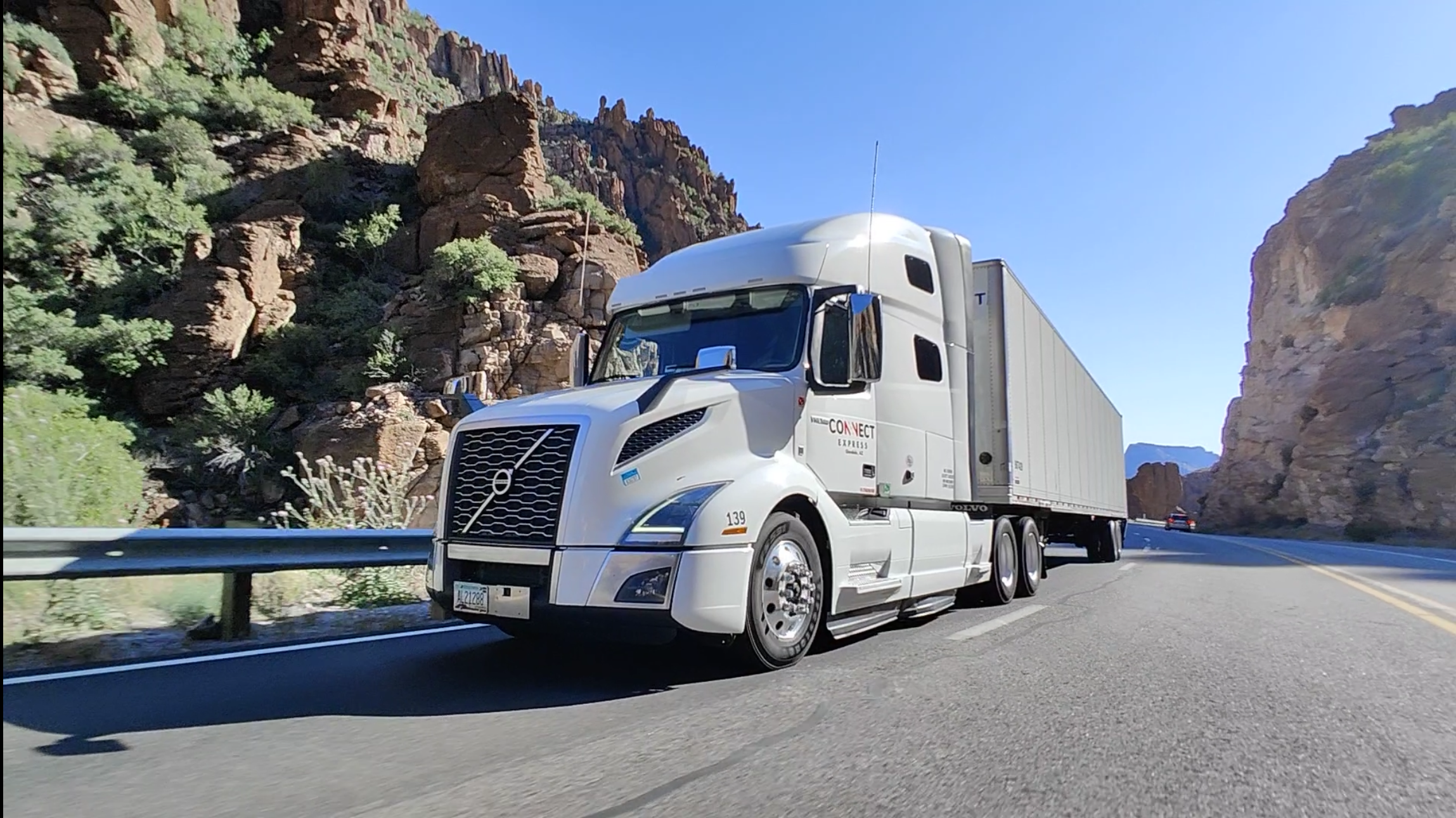
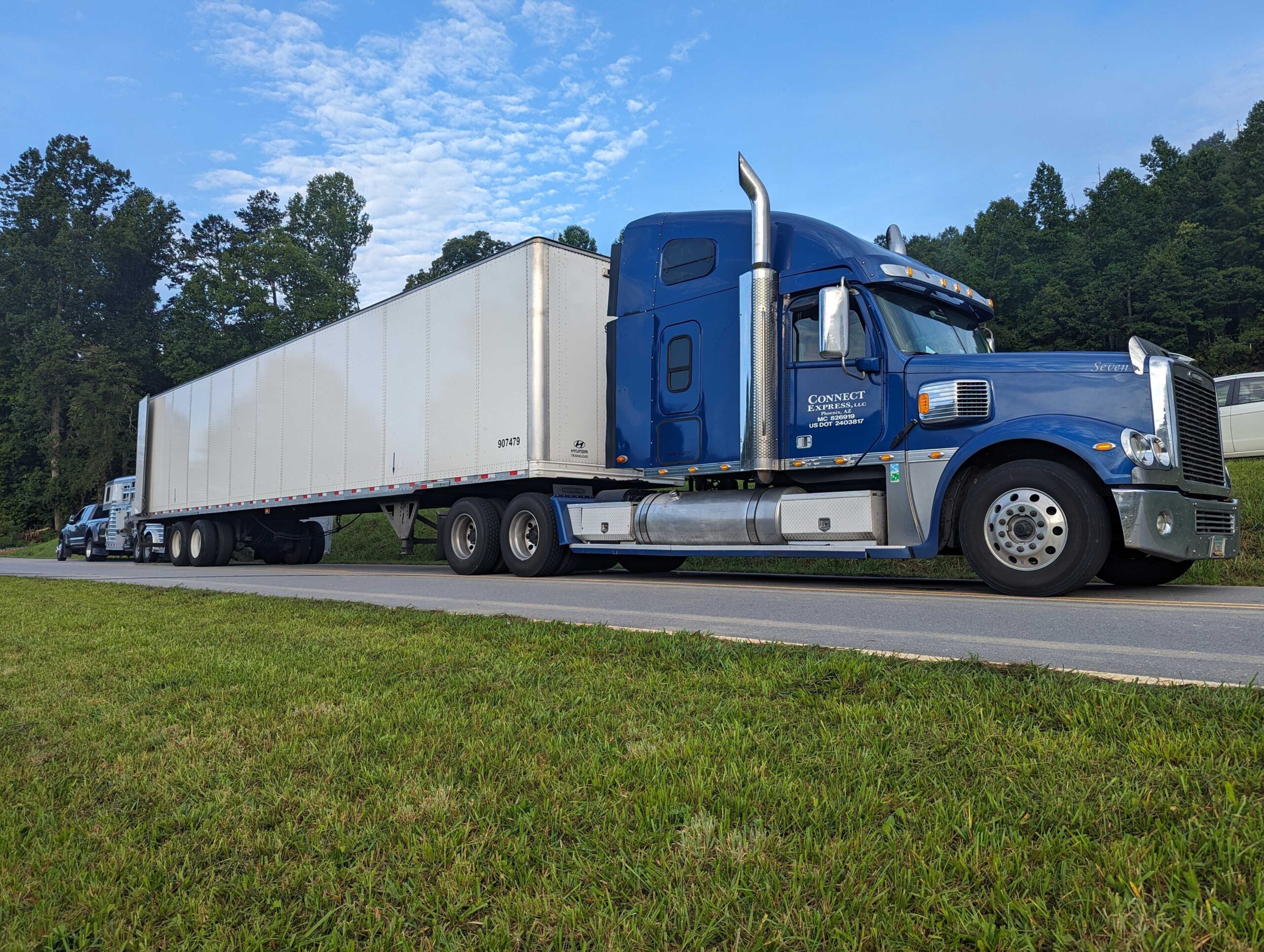
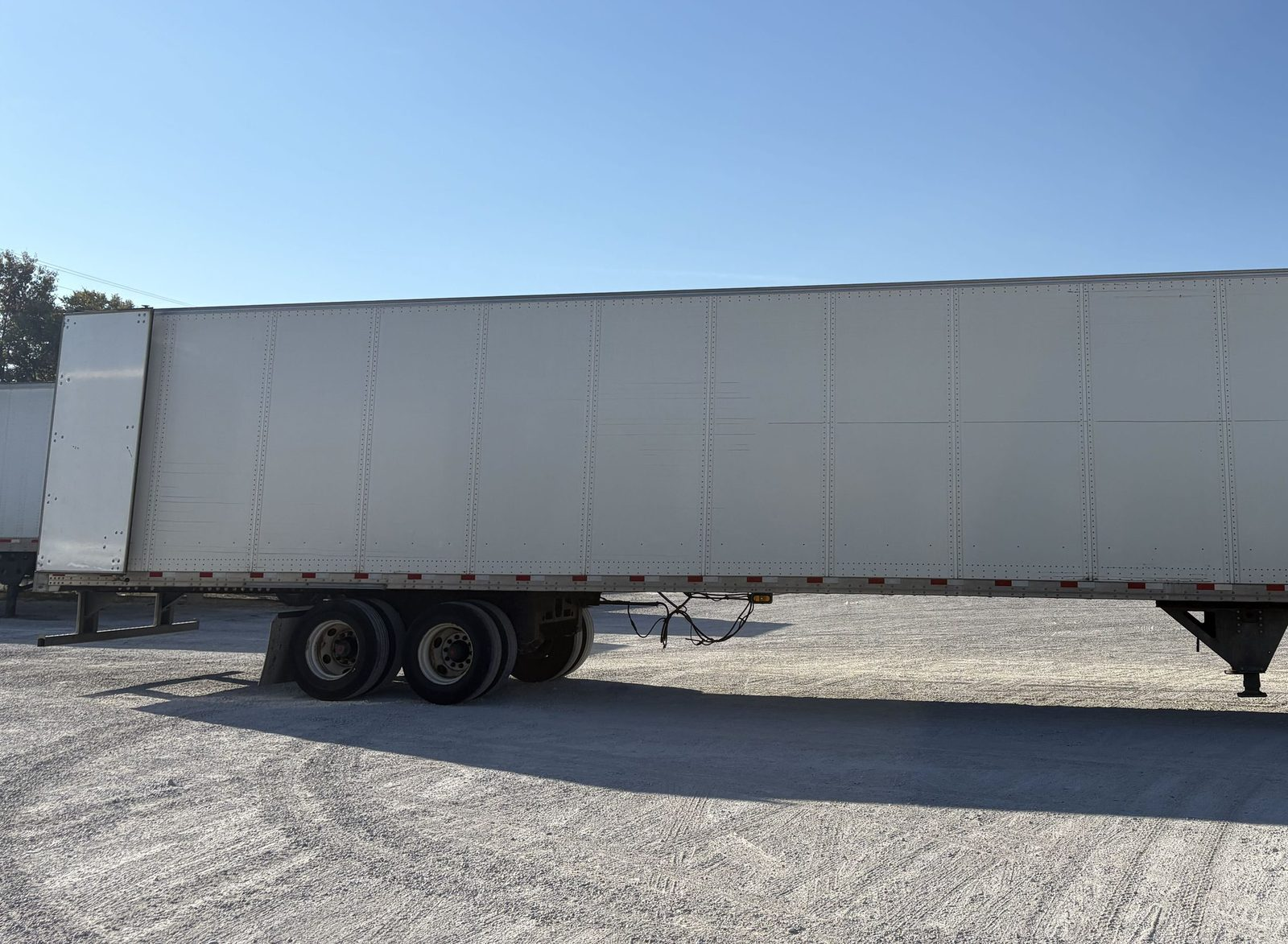
Most drop and hook freight moves in dry van trucking, because enclosed van trailers are interchangeable and easy to park in a yard. It is also common on regular lanes, where the same trailers cycle between the same shipper and receiver. That is one reason it often comes up alongside dedicated trucking conversations.
Drop and Hook vs Live Load
With a live load, the truck backs into a door and the driver stays with it while your crew loads. The driver leaves when the trailer is full, sealed and signed for. A live unload works the same way at the receiver.
- Dock schedule. Live loading ties loading to the truck’s arrival time. Drop and hook lets you load the trailer when your crew and freight are ready.
- Yard space. Drop and hook needs room to park at least one extra trailer. Live loading needs none.
- Volume. Drop and hook makes the most sense when you ship on a regular rhythm. For an occasional load, a live load is usually simpler.
- Driver time. In a live load the driver’s clock keeps running while the trailer is loaded. In drop and hook, the time at your dock is mostly the swap and the paperwork.
Why Dock Time Matters Under Hours-of-Service Rules
Time at a dock is not free time for a driver. Federal rules define on-duty time to include all time at a shipper’s facility waiting to be dispatched, and all time loading, unloading, or attending a vehicle being loaded or unloaded (49 CFR 395.2). A property-carrying driver may not drive after 14 consecutive hours from coming on duty (49 CFR 395.3), and FMCSA’s hours-of-service summary notes that off-duty time does not extend that 14-hour period.
So every hour a driver waits at a dock is an hour that cannot be used to drive your freight, or the next load. Waiting also has a safety cost. The U.S. DOT Office of Inspector General estimated in 2018 that a 15-minute increase in average dwell time at a facility raises the expected crash rate by 6.2 percent. FMCSA’s detention research page cites a 2014 FMCSA study that found drivers were detained at about 1 in every 10 stops, for an average of 1.4 hours beyond a 2-hour standard.
Drop and hook is one of the tools shippers use to cut that waiting. It works best alongside the other habits in our guide on how to reduce freight delays.
What Shippers Need for Drop and Hook to Work
Yard space and a trailer plan
You need a safe place to park trailers and a clear plan for how many are on site, who owns them and how empties come back. Agree on how trailers are identified and how your team reports which one is loaded and ready.
Loading you can stand behind
In a drop and hook move, the driver usually was not there while the trailer was loaded. Federal cargo securement rules require drivers to check cargo and securement during a trip, but those checks do not apply to the driver of a sealed vehicle who has been ordered not to open it, or to a vehicle loaded so that inspecting the cargo is impracticable (49 CFR 392.9(b)(4)). In practice, how well a sealed van rides depends heavily on how your crew loaded and braced it.
Weight you know before the driver arrives
The federal maximum gross vehicle weight on the Interstate System is 80,000 pounds, unless the bridge formula sets a lower limit (23 CFR 658.17). When nobody watches the trailer being loaded, a reliable shipment weight on the paperwork matters even more. Share your expected weights when you request dry van shipping quotes.
Paperwork that is ready at the swap
Have the bill of lading, seal number and any delivery instructions ready before the driver arrives. Federal rules list what a motor carrier’s receipt or bill of lading must show, including the consignor and consignee, origin and destination, number of packages, description of freight and, when it affects rating, weight or volume (49 CFR 373.101).
Trailers in safe condition
Drivers must be satisfied that parts such as trailer brake connections, lighting devices, tires, wheels and coupling devices are in good working order before driving (49 CFR 392.7), and must be satisfied the vehicle is in safe operating condition before they drive it (49 CFR 396.13). Leave room in the yard for that walk-around, and agree in advance what happens if a dropped trailer has a defect.
When Live Loading Still Makes Sense
Drop and hook is not always the better choice. Live loading is often simpler when you ship only now and then, have no room for extra trailers, or load freight that has to be checked by the driver at the door. Many shippers use both: drop trailers on steady lanes and live loads for one-off freight. If you are still setting up those steady lanes, our guide to dedicated lanes is a good place to start.
Whichever method you use, appointment discipline still matters at the receiving end. Our guide to missed delivery appointments covers the usual causes. For westbound freight, the Phoenix to Southern California trucking guide explains how dock appointments work on that lane.
Questions to Ask a Carrier Before You Start
- Can the carrier support drop trailers on this lane, and how many trailers would it need at your site?
- Who owns the trailers, and who is responsible for trailer condition and repairs?
- How does the carrier want to hear that a trailer is loaded and ready?
- What paperwork and seal steps does the carrier expect at the swap?
- How are detention or extra yard time handled if a live load is needed instead?
- How does the carrier check safety records and logs? Our carrier safety compliance guide covers the basics.
Frequently Asked Questions
What is drop and hook in trucking?
It is a full truckload method where the driver drops one trailer and hooks another that is already loaded or empty, instead of waiting at the dock while freight is loaded or unloaded.
Is drop and hook faster than a live load?
The time the truck spends at your facility is usually shorter, because the driver does not wait for loading. The trade-off is that you need yard space and a trailer on site ahead of time.
Does the driver inspect the freight in a sealed drop trailer?
Not always. Federal securement rules exempt the driver of a sealed vehicle who has been ordered not to open it, and loads that cannot practically be inspected, from the in-transit cargo checks in 49 CFR 392.9(b). That makes careful loading and bracing at the shipper important.
Related guides
- How to book dry van loads the right way
- Shipping documents for smooth delivery
- Best practices for shipper communication
- Texas Arizona freight lanes
Talk Through Your Loading Setup
If you are weighing drop and hook against live loading for freight in Phoenix and the West Valley, send us your typical volume, dock hours and yard space and we will talk through the options. Call Connect Express at 480-401-1998, email admin@connectexpressllc.com, use our contact page, or visit us at 5701 W Maryland Ave, Glendale, AZ 85301.