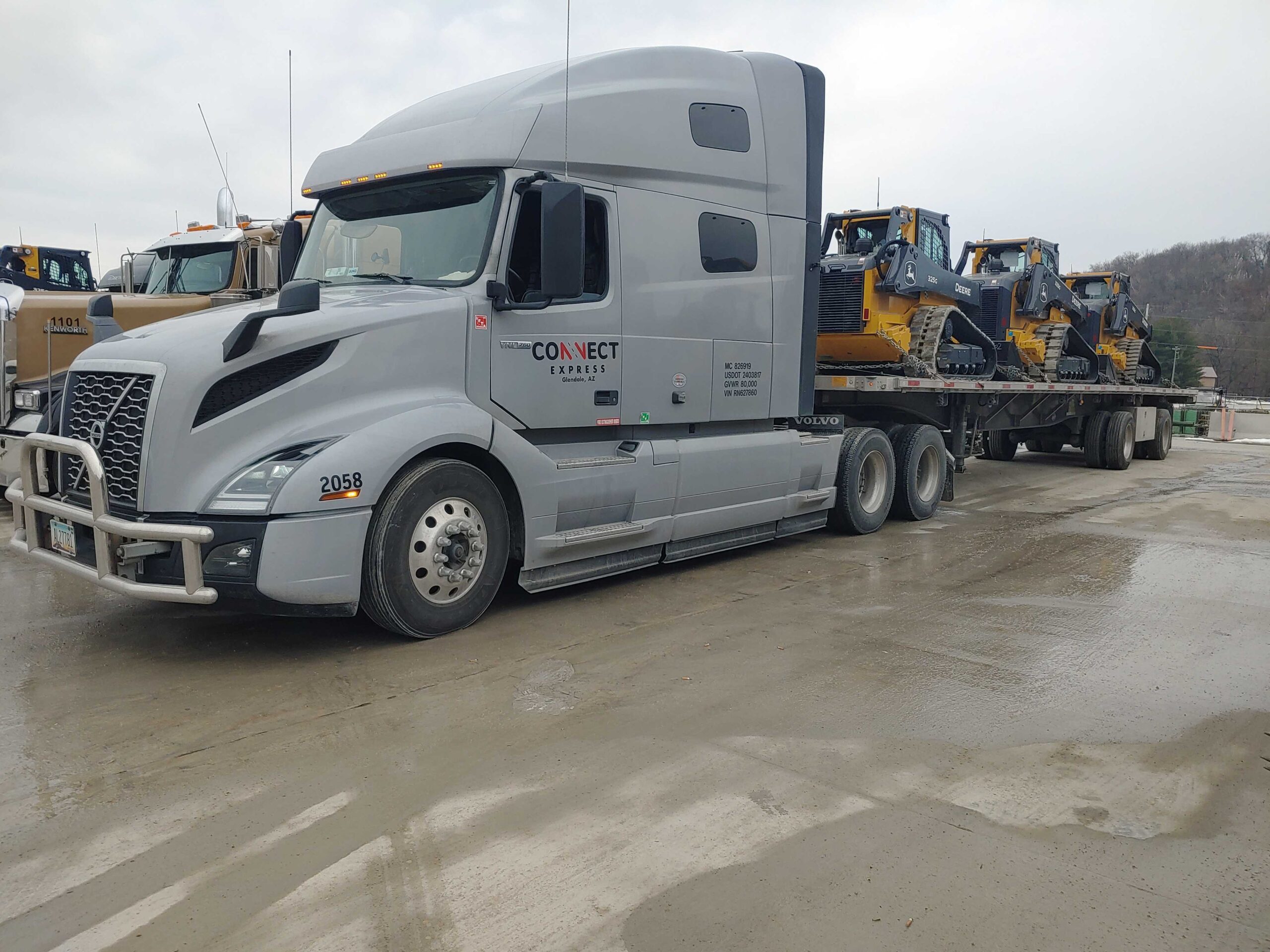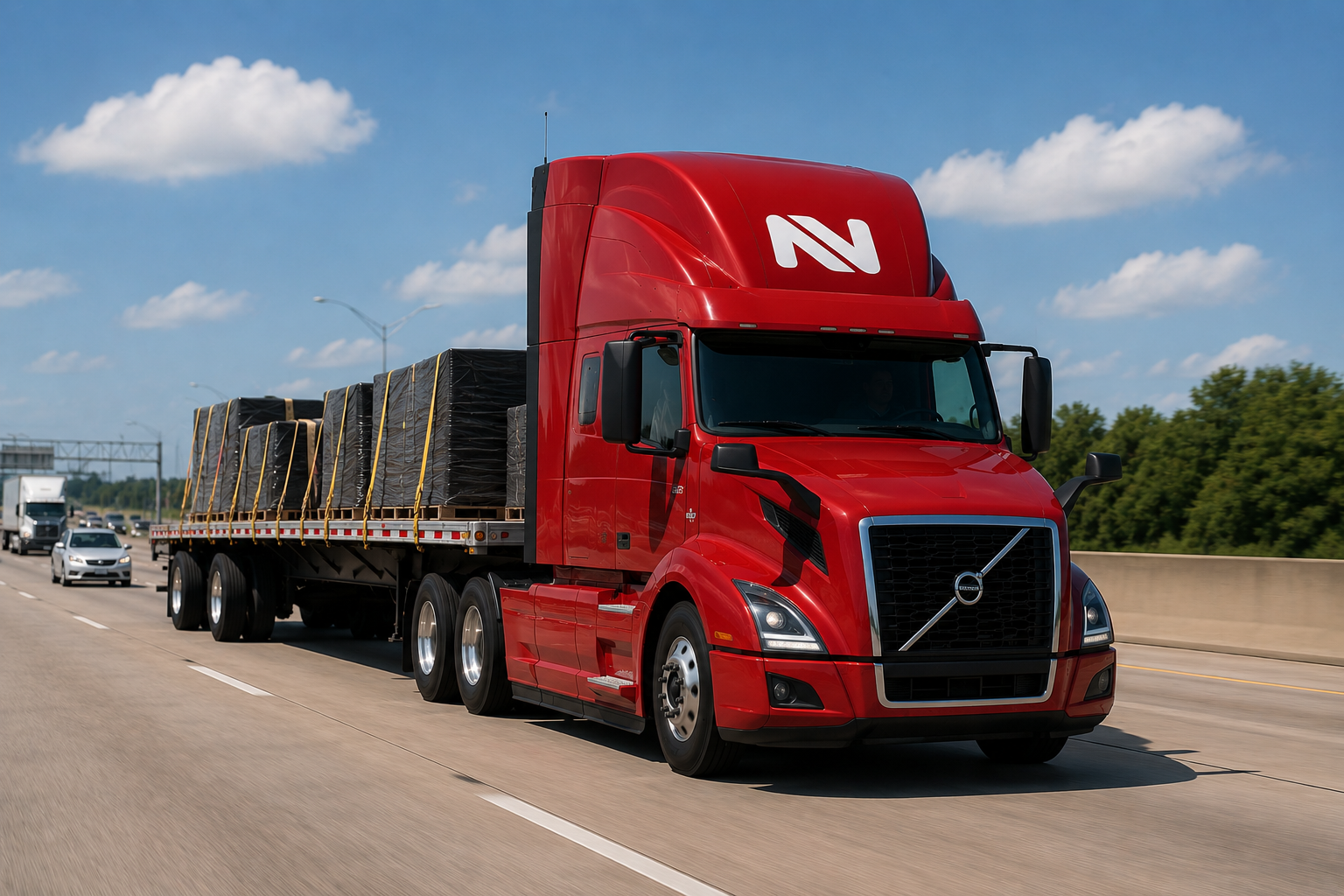
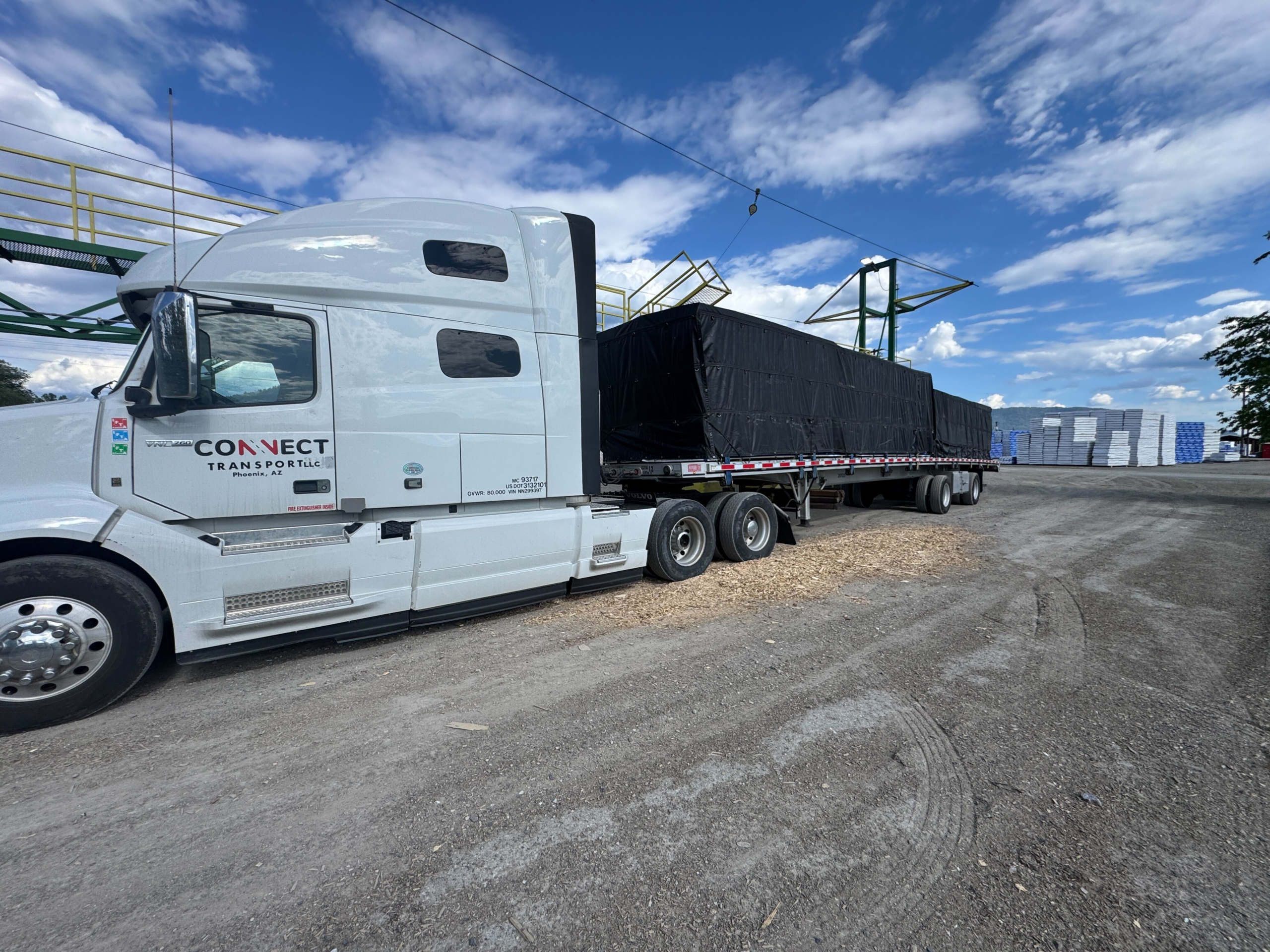
A truck can arrive on time and still create a problem if the carrier behind it is not operating safely. A missed inspection, expired credential, poor securement practice, or tired driver can turn one shipment into a claim, delay, or rejected load. This carrier safety compliance guide gives shippers a practical way to look past a truck’s availability and check whether a carrier is ready to move freight the right way.
Safety compliance is not paperwork for its own sake. It is how a carrier protects the driver, the freight, the public, and your delivery schedule.
Start With the Carrier, Not the Rate
A carrier should be able to clearly identify its USDOT number, operating authority, insurance status, equipment type, and primary point of contact. If basic information is hard to get before pickup, communication usually will not improve once the load is moving.
For shippers, the first check is simple: confirm you are working with the actual carrier that will haul the freight. Ask who owns or operates the truck, who dispatches it, and who will provide updates. This matters even more on high-value, refrigerated, oversized, or time-sensitive loads.
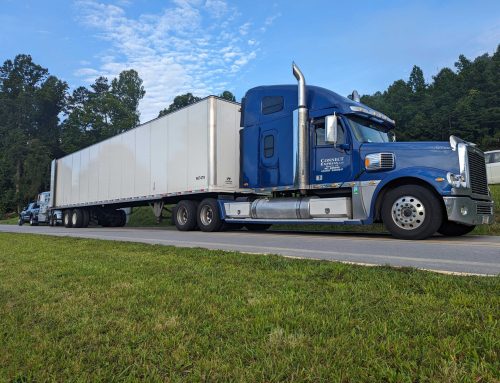
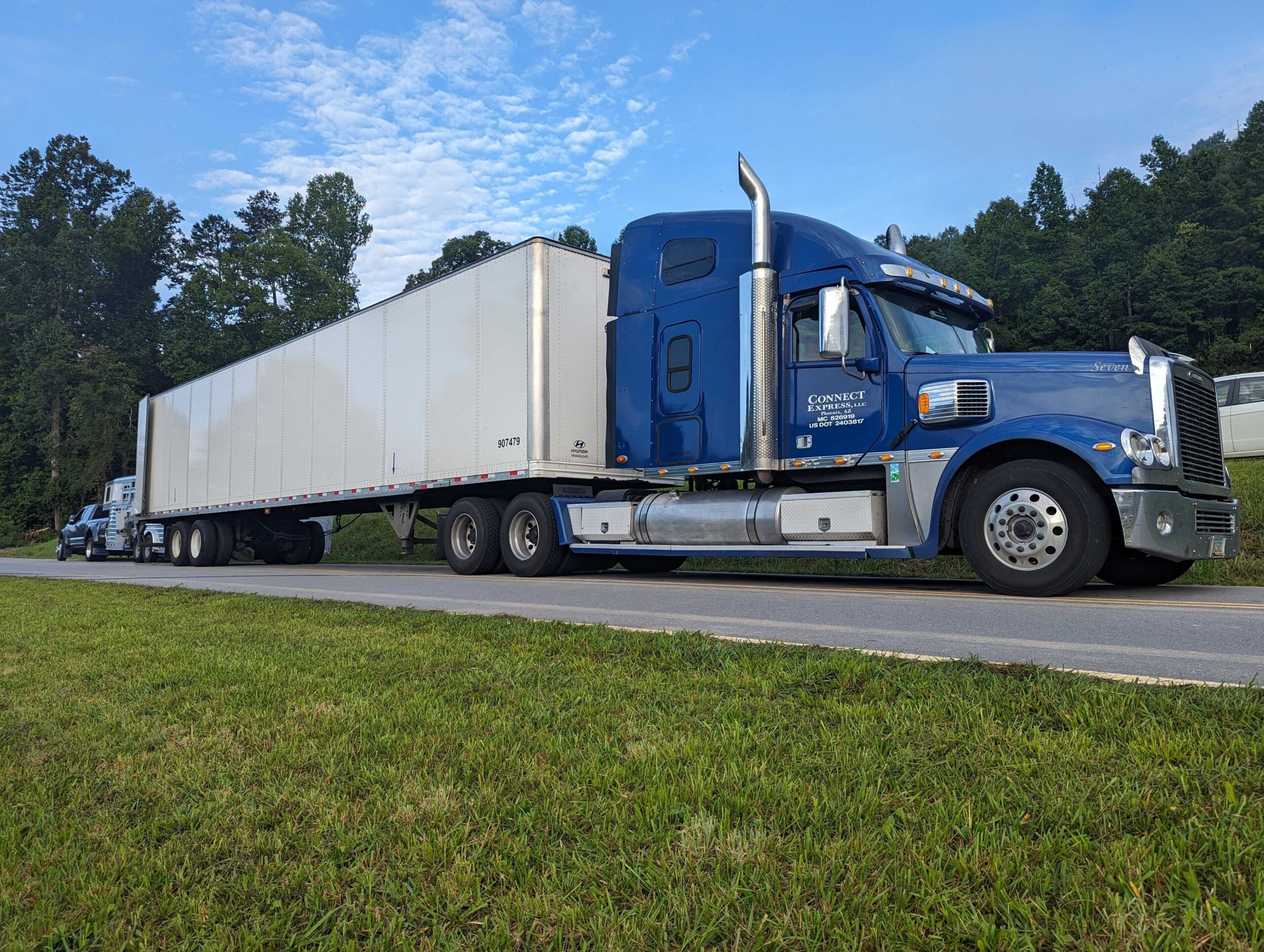
ConnectExpress LLC operates real trucks and works directly with customers from its Phoenix, Arizona home base. That operating model keeps responsibility clear. The person giving the update should know where the truck is, what condition the freight is in, and whether the appointment is still on track.
A carrier can use outside support for maintenance, compliance administration, or roadside service. That is normal. But the carrier still owns the responsibility for safe operations.
What Carrier Safety Compliance Actually Covers
Carrier safety compliance is a daily operating system. It includes the driver’s qualifications, legal driving hours, vehicle condition, maintenance records, cargo securement, drug and alcohol testing requirements, and accident reporting procedures.
No shipper needs to audit every file in a carrier’s office. But you should know whether the carrier has processes that are current, documented, and followed in the field.
Driver qualification and fitness
The driver must hold the proper commercial driver’s license for the vehicle and freight being hauled. Drivers also need current medical certification and must meet federal qualification requirements. For certain freight, more is involved. Tanker, hazardous materials, doubles, or other endorsements may apply depending on the work.
Ask a carrier how it verifies driver qualifications before assigning a load. A straight answer is a good sign. The carrier should also review motor vehicle records and address safety issues before they become repeat problems.
Experience matters, but it has to match the job. A driver who runs dry van freight may not be the right choice for a wide load, a complicated flatbed securement job, or a reefer shipment with strict temperature requirements.
Hours of service and fatigue management
Drivers must follow federal hours-of-service rules. Electronic logging devices track driving time and duty status for most operations. The goal is basic: drivers need enough rest to operate safely.
For a shipper, the practical takeaway is not to build a delivery plan around impossible miles. If pickup runs late, traffic closes a route, or a receiver takes hours to unload, the driver may need to stop. A carrier that flags that issue early is doing its job.
Pressure to keep moving does not fix a late schedule. It can create a safety problem and make a small delay worse. Build realistic appointment windows, especially for long-haul freight, border-area traffic, mountain routes, and loads that require special handling.
Equipment inspections and maintenance
Safe equipment starts before the truck leaves the yard. Drivers inspect vehicles before and after trips, identify defects, and report issues that could affect safe operation. Carriers need maintenance programs that keep tractors, trailers, tires, brakes, lights, and safety equipment in working condition.
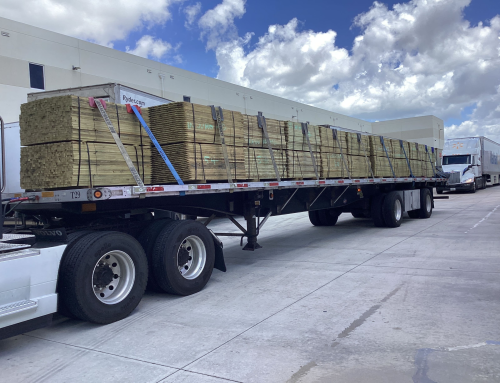
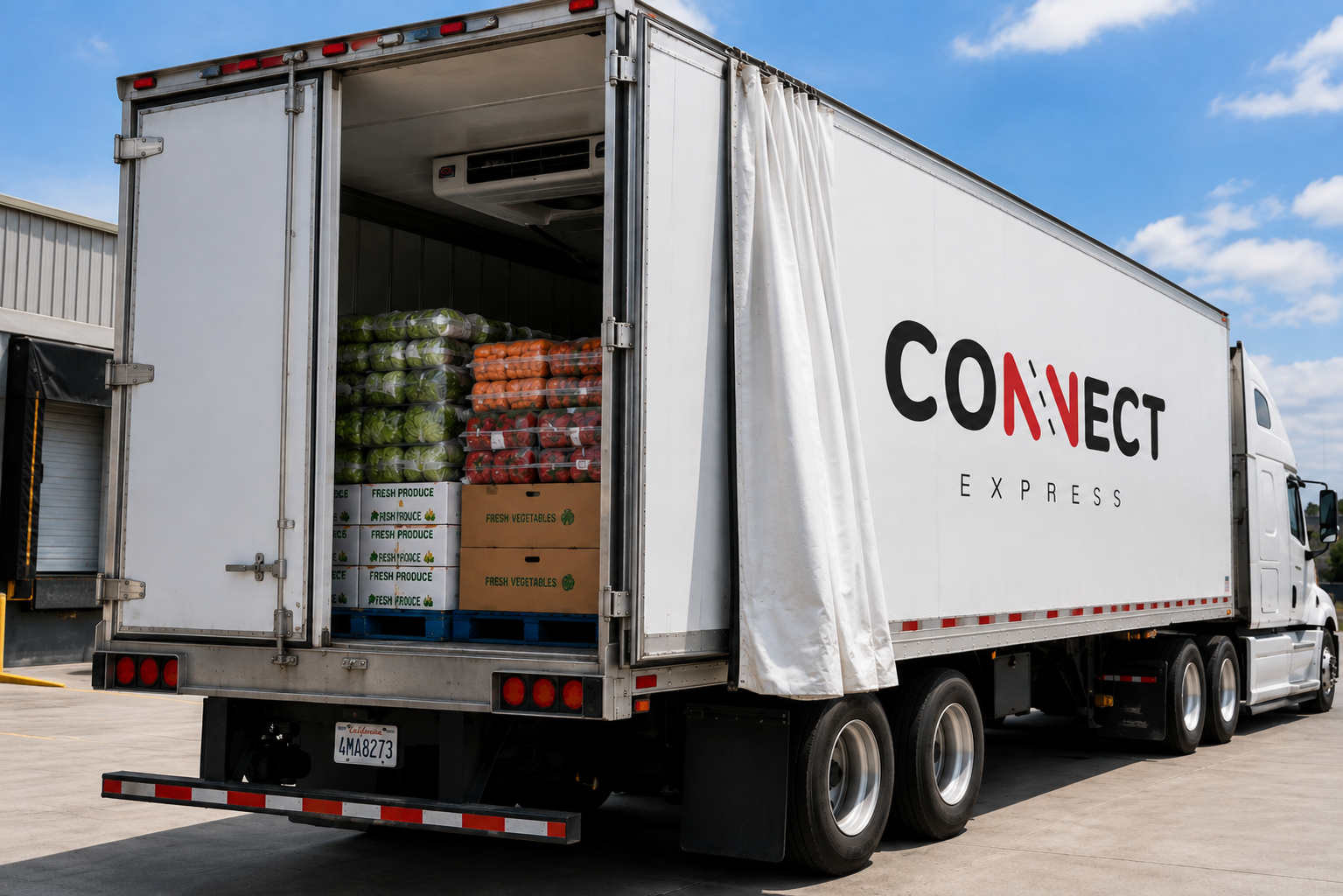
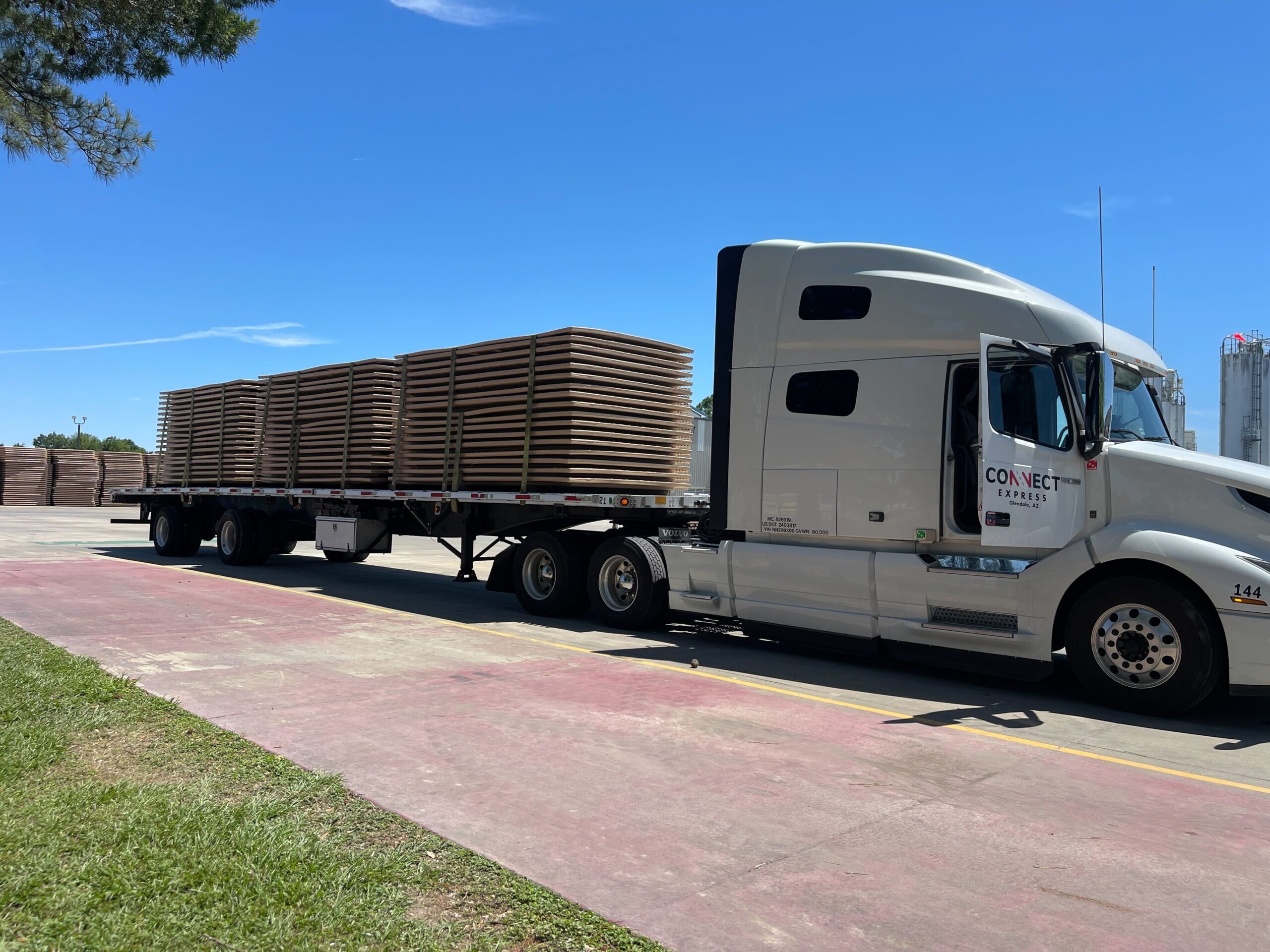
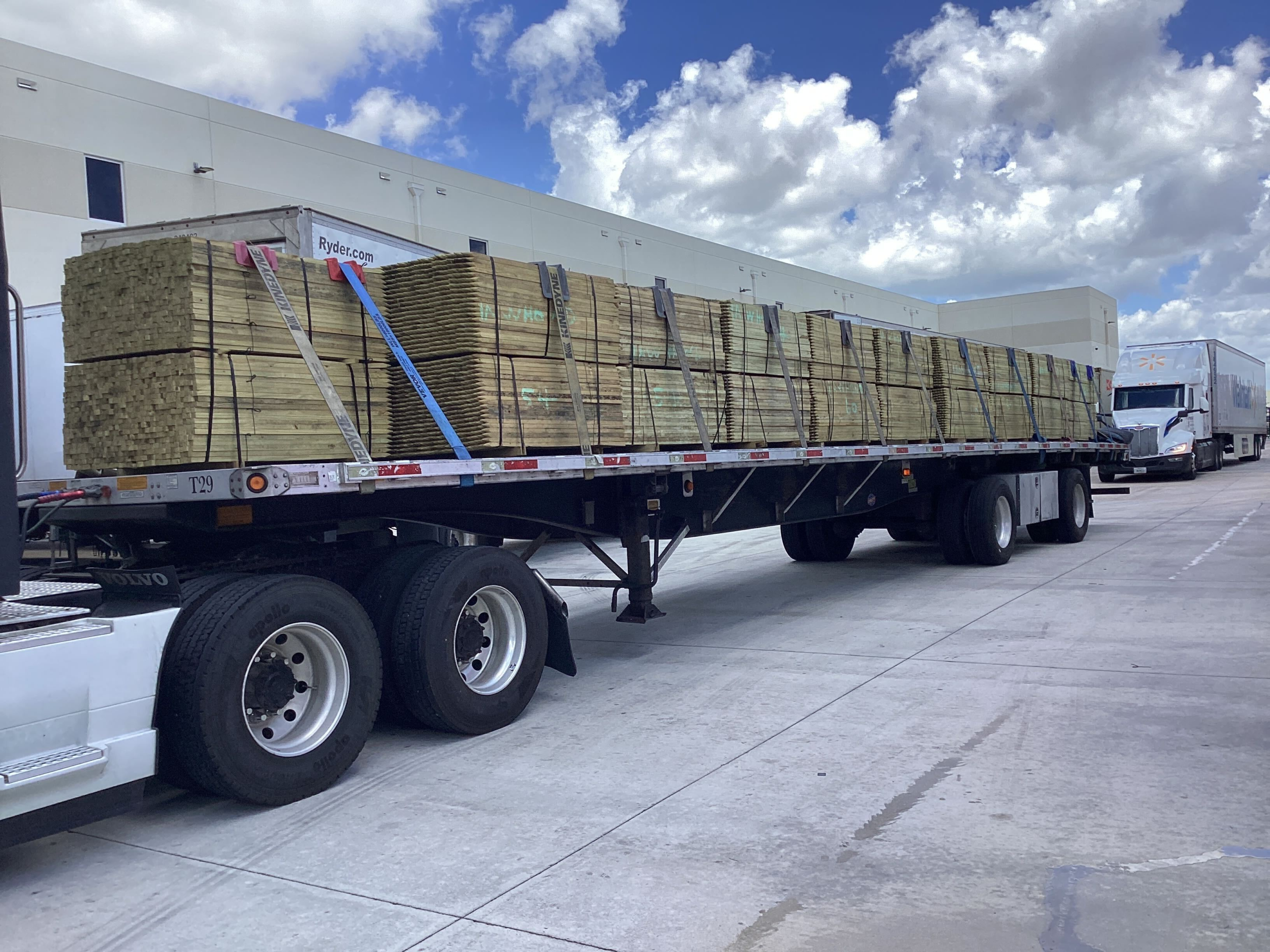
The trailer must also fit the freight. A dry van needs a sound floor, working doors, and enough usable space. A reefer needs a reliable refrigeration unit and clean cargo area. Flatbed freight may require tarps, chains, binders, straps, edge protection, and the correct trailer configuration.
Equipment availability is not the same as equipment readiness. A carrier should never send a trailer just because it is empty.
Cargo Securement Is Part of Delivery Performance
Freight that shifts, gets wet, freezes, overheats, or arrives damaged is not a successful delivery. Carrier safety compliance includes how the load is loaded, secured, checked, and protected during transit.
For dry van freight, that may mean load bars, straps, blocking, bracing, and proper weight distribution. The details depend on the product. Palletized freight, paper rolls, machinery, and loose product do not all secure the same way.
For refrigerated loads, the carrier needs clear instructions on setpoint, pre-cooling, loading temperature, and whether the unit should run continuously or on a different mode. A reefer trailer can hold a temperature. It cannot repair warm product loaded at the wrong temperature. Shippers and carriers both need to confirm the requirement before loading starts.
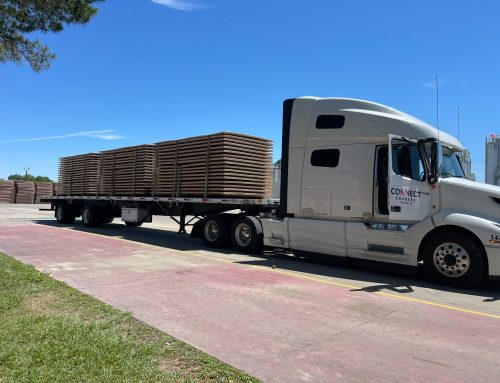
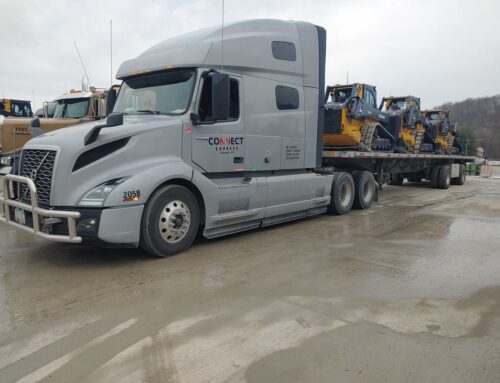
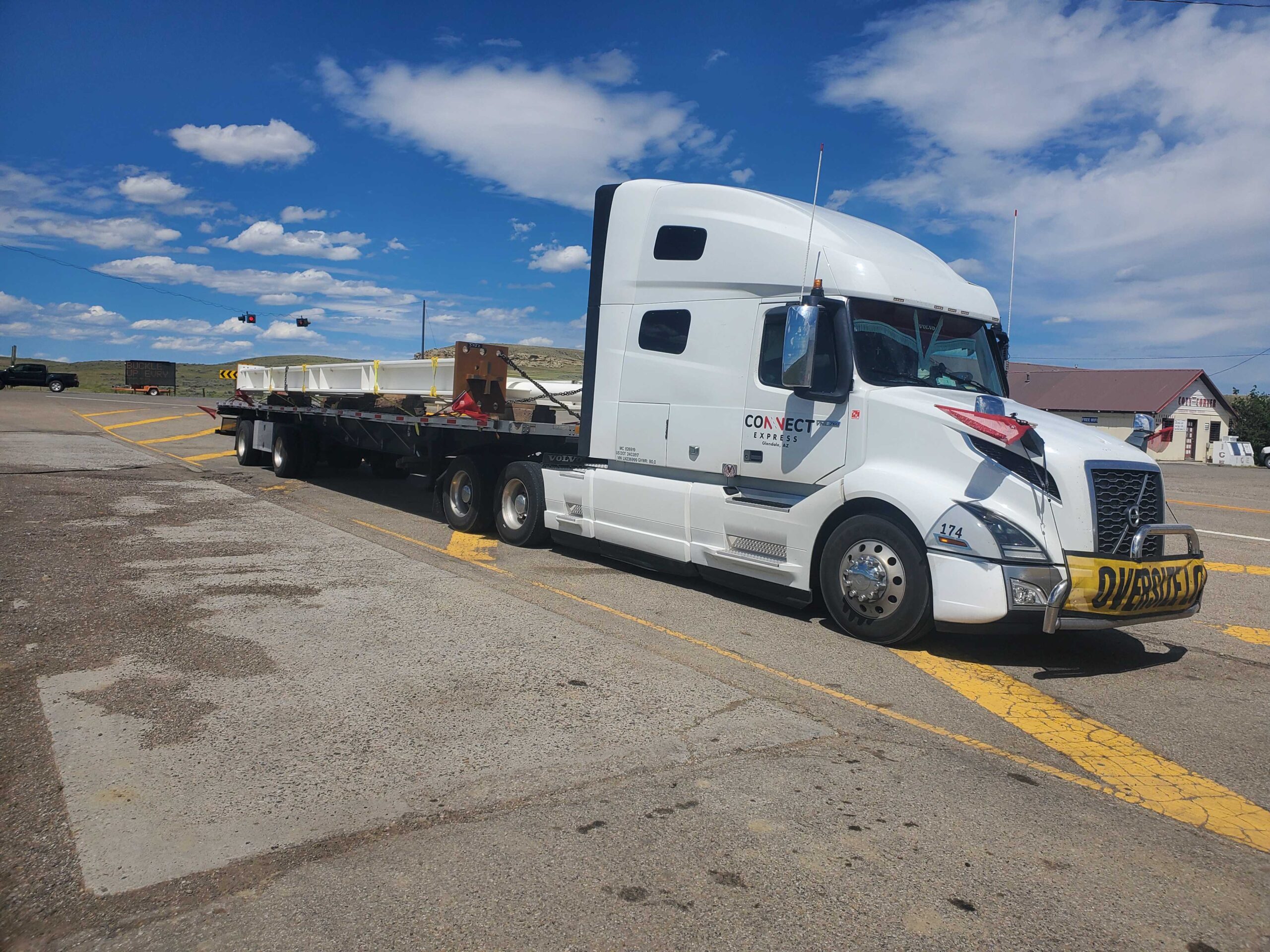
For flatbed and oversized freight, securement planning should happen before the truck arrives. Weight, dimensions, center of gravity, tie-down points, permits, route limits, escorts, and weather exposure all affect the move. There is no one-size-fits-all answer for open-deck freight.
Use Safety Data With Context
Public safety data can help identify patterns, but it should not be treated like a single pass-or-fail score. Inspection history, out-of-service findings, crash records, and safety categories can point to areas worth discussing with a carrier.
Context matters. A small carrier may have limited inspection volume, which can make a single event look larger than it is. A larger carrier may have more exposure simply because it runs more miles and receives more inspections. The right question is whether the carrier recognizes issues and corrects them.
Ask direct questions when something stands out. What happened? What was changed afterward? Is the issue equipment-related, driver-related, or an isolated record problem? A carrier that avoids the question is giving you useful information too.
A Practical Carrier Safety Compliance Check Before Pickup
Before you release a load, confirm the carrier has the basics in place. This does not need to become a long approval process every time. For recurring lanes, establish the requirements once and review them on a schedule.
For a new carrier or specialized shipment, verify these points:
- Active operating authority and insurance appropriate for the freight.
- A qualified driver assigned to the equipment and load type.
- A trailer that is inspected, maintained, and suitable for the shipment.
- Clear securement or temperature instructions acknowledged before loading.
- A realistic pickup and delivery plan that accounts for legal driving hours.
- A live contact who can provide updates if conditions change.
The last point is often overlooked. Compliance does not prevent every breakdown, traffic delay, weather event, or receiver issue. What separates a dependable carrier is what happens next. You should get a real update, a clear plan, and no guessing where the load is.
Set Clear Expectations in the Load Tender
Many safety and service failures begin with incomplete load information. The carrier cannot plan correctly if the tender leaves out appointment rules, commodity details, weight, dimensions, temperature requirements, securement needs, or site restrictions.
Put the operating details in writing. Include pickup and delivery contacts, reference numbers, loading hours, required equipment, product handling instructions, and any special site rules. If the freight cannot be double stacked, if it needs straps instead of load bars, or if it has a strict temperature range, say so before dispatch.
This also protects the driver. A driver arriving with the wrong trailer, missing paperwork, or no way to safely secure the load loses time at the dock. That creates pressure on everyone and raises the chance of a bad decision.
Safety Is a Daily Habit, Not a Sales Claim
A carrier can say safety is its top priority. The real proof shows up in the details: drivers who stop when hours are up, equipment that passes inspection, freight that is secured correctly, and dispatchers who speak up early when a plan needs to change.
For shippers, the goal is not to make trucking harder. It is to choose carriers that can execute without creating preventable risk. Ask clear questions, provide complete load details, and expect direct communication. When the carrier and shipper handle the basics before pickup, freight has a better chance of arriving safely, on time, and without surprises.