
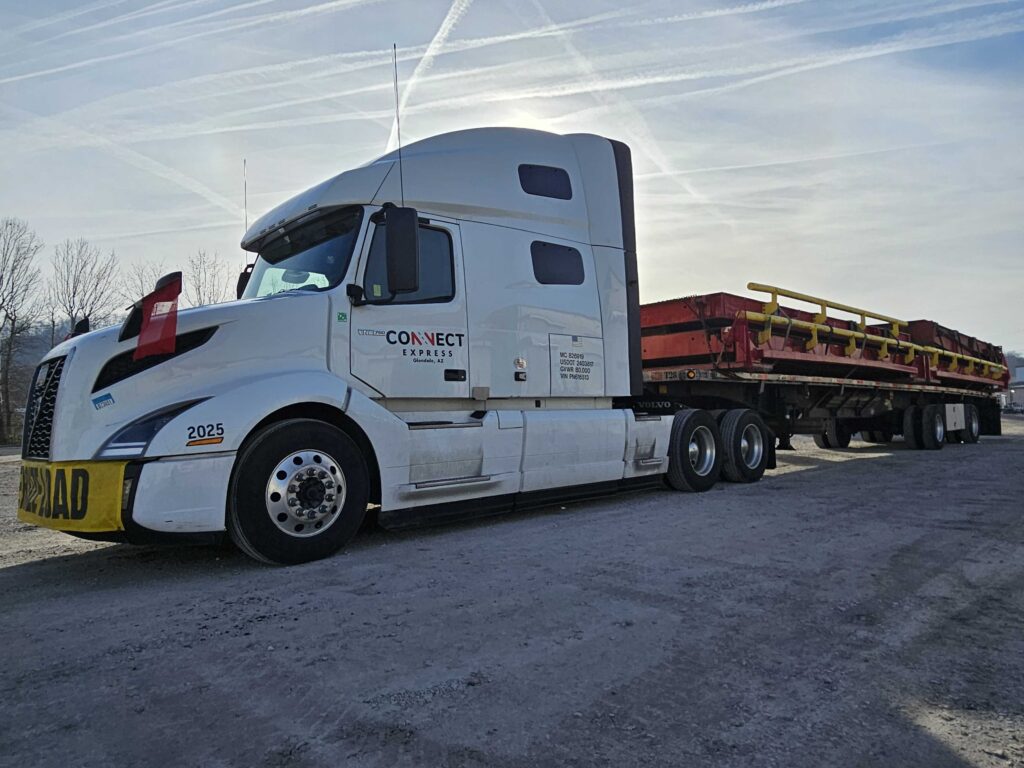
How to Choose the Right Flatbed Trucking Company Near You
How Freight Insurance and Liability Coverage Work
Table Of Contents:
- Understanding Freight Insurance and Liability Coverage
- Key Takeaways
- Defining Key Terms in Freight Insurance and Liability Coverage
- Distinguishing Carrier Liability From Comprehensive Freight Insurance
- Types of Available Freight Insurance and Liability Coverage Options
- Assessing Your Specific Needs for Freight Insurance and Liability Coverage
- The Process for Filing Freight Insurance and Liability Claims
- Best Practices for Managing Your Freight Insurance and Liability Coverage
- Frequently Asked Questions
- Final Thoughts
Understanding Freight Insurance and Liability Coverage
Freight insurance and liability coverage are critical aspects for businesses involved in the transportation and logistics sector. Ensuring that cargo arrives safely and on time is essential, yet there are inherent risks associated with shipping goods—ranging from theft and damage to natural disasters. Freight insurance mitigates these risks by transferring the financial burden of any loss or damage, while liability coverage determines the carrier’s responsibilities if incidents occur during transit. This article clarifies key terms around carrier liability, shipper’s interest insurance, the different types of freight insurance policies, and how these components work together to safeguard shipments. It also offers guidance on assessing your unique needs for both freight insurance and liability coverage, filing claims, and employing best practices in managing such policies. Ultimately, a robust understanding of these issues empowers businesses to confidently navigate complex supply chains and maintain profitability even when unexpected events occur.
Key Takeaways
- Freight insurance protects the value of shipments against various risks, while liability coverage defines the transporter’s accountability.
- Key terms such as “carrier liability,” “all-risk coverage,” and “declared value” are critical for understanding freight insurance.
- Comprehensive freight insurance policies and contingency coverage can bridge gaps where standard liability is insufficient.
- Businesses should evaluate cargo value, transport risks, and available policy limits to ensure adequate protection.
- Filing claims requires diligence and proper documentation to secure rightful compensation for loss or damage.
Defining Key Terms in Freight Insurance and Liability Coverage
Understanding freight insurance and liability coverage begins with clear definitions of the key terms. Carrier liability in shipping addresses the legal responsibility a carrier assumes for any loss or damage to cargo while in transit. Notably, this liability is often limited by international conventions and domestic regulations, meaning that the compensation may not reflect the full value of the shipment. Shipper’s interest insurance, on the other hand, is designed to protect the owner of the goods—typically the shipper—by covering the potential financial loss if the cargo is damaged, lost, or stolen during transit. This type of insurance ensures that, irrespective of the carrier’s liability limitations, the shipper can secure compensation for the full value of their property.
Differentiating between all-risk and named perils freight insurance coverage is another important concept. All-risk policies provide broad protection by covering most causes of loss except for explicitly excluded events, while named perils policies list specific risks that are covered. Understanding declared value is equally essential; it refers to the stated value of the cargo that is used to calculate the insurance premium and potential claim payout. Finally, the role of a certificate of insurance for freight is to verify the coverage in place, serving as proof of insurance during legal or contractual disputes. Each of these terms plays a crucial role in comprehending the overall spectrum of freight insurance and liability, thereby enabling businesses to better manage risk in their supply chains.
What Constitutes Carrier Liability in Shipping
Carrier liability is defined by the legal parameters set by international conventions and national laws governing the transportation of goods. Typically, carriers are responsible for damage or loss that occurs while the cargo is under their physical custody, although this responsibility is usually limited by contractual agreements and statutory caps. For example, if a shipment is damaged due to improper handling or an accident, the carrier’s liability might only extend to a predetermined fraction of the cargo’s declared value. This limitation means that even if significant damage occurs, the compensation received may not cover the entire financial loss. Consequently, shippers often seek separate freight insurance to bridge this gap and ensure full financial protection.
The Scope of Shipper’s Interest Insurance
Shipper’s interest insurance extends protection directly to the cargo owner, rather than the carrier, ensuring that any loss or damage incurred during transit is financially covered. This form of insurance can be particularly vital when the value of goods exceeds the carrier’s liability limits. Not only does it serve as a financial safety net, but it also upholds the shipper’s rights in scenarios where disputes arise. It operates independently of carrier liability and can be tailored to include additional risks that might not be covered under standard carrier agreements. By purchasing a comprehensive policy, shippers can safeguard their investments even in cases where the carrier is only partially liable for the losses.
Differentiating All-Risk From Named Perils Freight Insurance Coverage
In the realm of freight insurance, policies fall primarily into two categories: all-risk coverage and named perils coverage. All-risk insurance is designed to provide extensive protection by covering all causes of loss except those explicitly excluded in the policy. This broad coverage is ideal for shipments that are exceptionally valuable or prone to a variety of risks during transit. In contrast, named perils policies only cover specific risks that are listed in the terms and conditions of the policy. While these policies often come with lower premiums, they present the risk of uncovered losses if an incident occurs that is not explicitly named. Understanding the nuances between these two types of policies is crucial for businesses, as the choice directly affects the level of risk and the insurance cost structure.
Understanding Declared Value in Freight Transactions
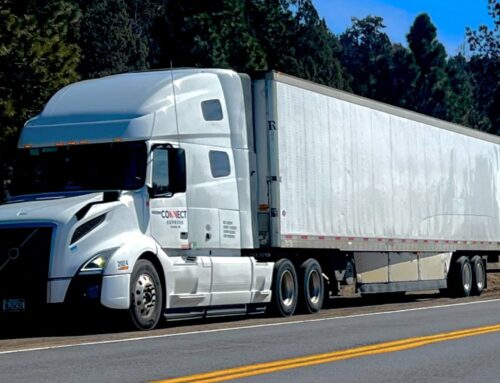
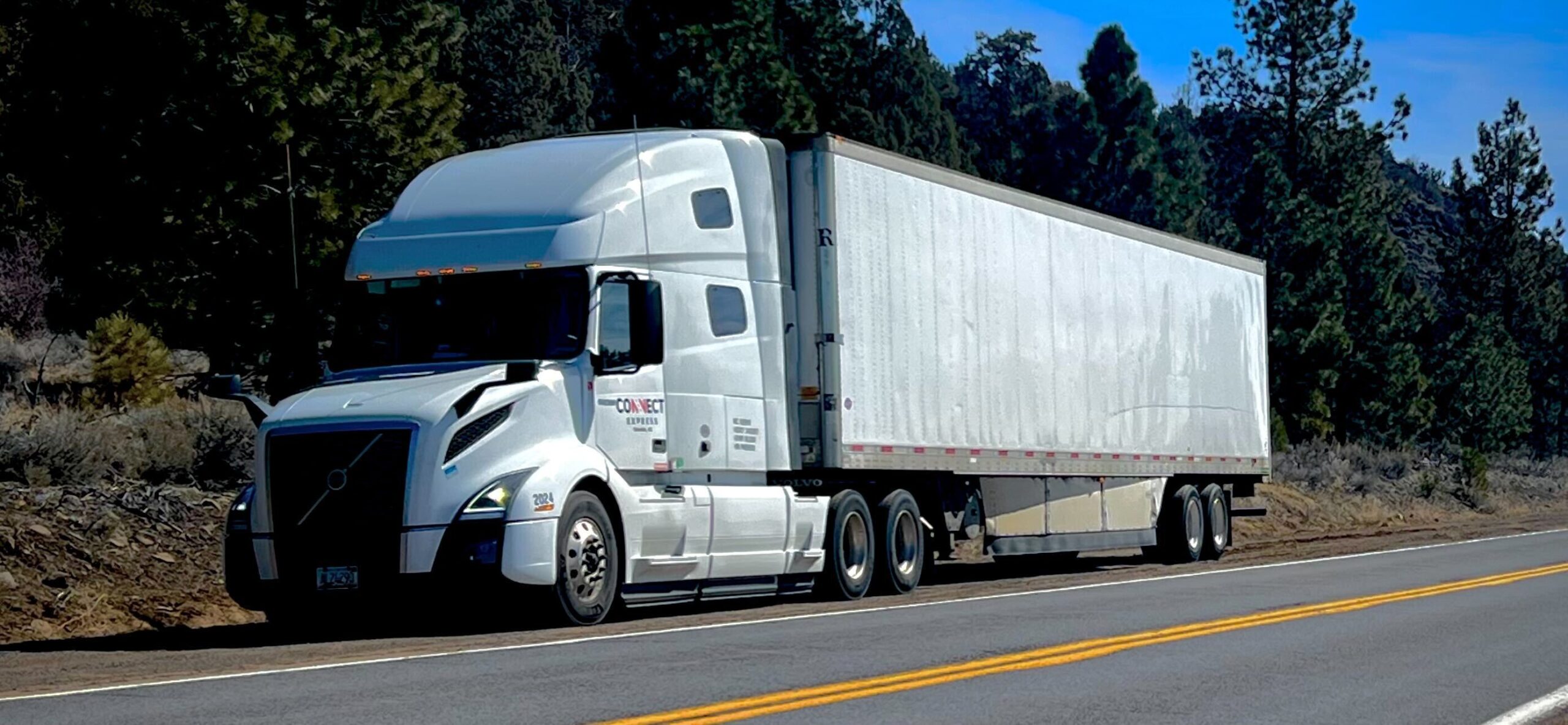
Declared value plays an essential role in freight insurance and liability coverage. It represents the value of the cargo as stated by the shipper, and it serves as the basis for calculating insurance premiums and claim amounts. When declaring a higher value, shippers may incur higher premiums, but this often ensures that more of the cargo’s value is covered in the event of damage or loss. Conversely, declaring a lower value may reduce premium costs but leaves the shipper at risk of receiving insufficient compensation if an incident occurs. The declared value is a critical factor in negotiating freight insurance policies and protecting the financial interests of both carriers and shippers. Shippers moving high-value goods in our dry van trailers should confirm the declared value before the load is tendered.
The Role of a Certificate of Insurance for Freight
A certificate of insurance (COI) acts as a tangible confirmation of the freight insurance coverage that is in place. This document is required during shipping contracts and disputes, as it verifies that appropriate insurance measures are active and comply with contractual or legal requirements. A COI provides critical information such as the type of coverage, policy limits, and the effective dates of the policy. By presenting a certificate of insurance, shippers can demonstrate due diligence and assure trading partners that potential risks are mitigated through proper insurance coverage. This not only enhances credibility in business transactions but also supports dispute resolution by offering objective evidence of coverage.
Distinguishing Carrier Liability From Comprehensive Freight Insurance
The difference between carrier liability and comprehensive freight insurance is vital for effective risk management in transportation. Carrier liability refers specifically to the legal responsibility assumed by the carrier during transit, and it is generally subject to statutory limits and contractual caps. As such, in many cases, even if a carrier is found liable for a loss, the financial recompense may fall short of covering the total value of the shipment. Comprehensive freight insurance, however, is designed to offer broader, more complete protection that covers a wider range of risks. This additional policy is purchased by shippers to compensate for the deficiencies inherent in carrier liability.
Limitations of Standard Carrier Liability Coverage
Standard carrier liability has several inherent limitations that can leave shippers vulnerable. Typically, carriers are bound by predetermined limits when handling claims under international conventions or domestic regulations. These limitations often mean that the payout in the event of a loss is significantly less than the actual value of the cargo. For instance, a carrier may be liable for only a fraction of the shipment’s declared value even if the damage is extensive. This shortfall underscores the importance of obtaining additional freight insurance, which can provide supplemental coverage that fills in the gaps not covered by carrier liability.
When Additional Freight Insurance Becomes Necessary
Additional freight insurance becomes necessary when the risks associated with shipping exceed the limited coverage provided by carrier liability. Shippers may opt for supplemental policies when transporting high-value items, delicate goods, or shipments through regions known for severe weather or other perils. The rationale behind purchasing extra insurance is to ensure that the full financial value of the cargo is protected, regardless of the carrier’s liability limitations. In practice, this means that companies engaged in large-scale, high-risk logistics often maintain dual layers of coverage—one for the carrier’s statutory liability and another for comprehensive protection against a wider range of risks.
Comparing Payouts: Carrier Liability Versus Freight Insurance
When comparing the payouts from carrier liability and freight insurance, there is often a stark contrast in terms of financial security. Carrier liability is governed by strict regulatory limits, which might result in payouts that do not fully reflect the actual losses incurred by the shipper. In contrast, freight insurance policies, particularly those with all-risk coverage, are designed to provide compensation closer to the full declared value of the shipment. This discrepancy can be significant; for example, in cases of severe damage, a carrier might only pay a small percentage of the total loss, while a full insurance claim could potentially cover nearly 100% of the value. This difference highlights the critical nature of strategic insurance planning in freight operations.
How Freight Insurance and Liability Coverage Interact
Freight insurance and liability coverage act as complementary mechanisms to manage risk in shipping. While carrier liability provides a foundational layer of responsibility from the point of handling by the carrier, freight insurance offers an additional safety net that protects the shipper’s financial interests. This dual-coverage approach ensures that even if the carrier is unable to cover the entire loss due to regulatory limits, the shipper can still recover a substantial portion—or even the entirety—of the damages through their insurance policy. The interaction between these coverages is typically defined by contractual arrangements and industry practices that determine how claims are processed and what portions of losses are attributable to each type of cover.
Common Misconceptions About Carrier Responsibility
A common misconception is that the carrier bears full responsibility for any issues that arise during transit. In reality, carriers are often limited in their liability by international conventions and domestic laws. This means that even when carriers are at fault, their financial liability is capped, and they are generally not expected to provide complete compensation for the total loss value. Understanding this limitation is crucial for shippers, as it underscores why additional freight insurance is not just beneficial but often essential to protect their investments fully. Recognizing these misconceptions helps businesses make informed decisions regarding their insurance needs and risk management strategies.
Types of Available Freight Insurance and Liability Coverage Options
Freight insurance policies come in several forms, each tailored to the specific needs and risks associated with different types of cargo and transport modes. There are multiple options available to shippers, which allow them to choose a policy that best aligns with the nature of their goods and the potential hazards they face during transit. The primary types include all-risk freight insurance policies, named perils policies, specialized insurance for high-value goods, contingency freight insurance, and general average coverage in maritime freight insurance.
Examining All-Risk Freight Insurance Policies
All-risk freight insurance policies provide the most comprehensive protection available to shippers. These policies cover a wide array of potential losses, except for those specifically excluded in the policy language. The advantage of such policies is their broad scope—covering most types of accidental damage, theft, weather-related incidents, and even some acts of terrorism or civil unrest. This extensive coverage ensures that shippers do not have to worry about whether a particular risk is named in the policy; if it is not explicitly excluded, it is covered. As a result, these policies are ideal for high-value shipments or goods that are particularly sensitive to damage during transport.
Assessing Named Perils Freight Insurance Policies
In contrast to all-risk policies, named perils policies list only the specific risks that are covered. This type of policy is generally less expensive than all-risk coverage, as it does not provide protection against every possible hazard. However, the downside is that if a loss or damage occurs due to a peril not listed in the policy, the shipper will not be compensated. Companies that select named perils coverage often do so based on a careful assessment of the risks associated with their shipments, opting to cover only those hazards they feel are most likely to occur. This type of policy is particularly common for shipments in more predictable environments with lower overall risk.
Specialized Freight Insurance for High-Value Goods
For shippers handling high-value or rare items, specialized freight insurance policies are available that cater to the unique risks associated with these goods. Such policies are often tailored to specific industries, such as art, antiques, or expensive electronics, where the recovery cost may far exceed standard coverage limits. These specialized policies generally incorporate enhanced coverage features and higher limits to ensure that, in the event of significant damage or loss, the full value of the shipment is protected. This level of detailed coverage is critical for businesses whose bottom line depends on the safe and secure delivery of high-value items.
Contingency Freight Insurance and Its Applications
Contingency freight insurance is designed to serve as a secondary layer of protection, stepping in when primary insurance or carrier liability provides insufficient compensation. This type of coverage is particularly useful in situations where there is uncertainty about the adequacy of the carrier’s liability limits or when shipping conditions are highly volatile. By opting for contingency coverage, businesses can mitigate the risk of significant financial loss in the event of a catastrophic incident. Such policies are typically utilized by shippers involved in long-haul or international shipping, where multiple layers of risk exist and the potential for unforeseen events is higher.
Understanding General Average Coverage in Maritime Freight Insurance
General average is a maritime principle where all stakeholders in a sea venture share the loss resulting from a voluntary sacrifice of part of the cargo or ship to save the entire venture from a common peril. General average coverage is a specialized component of maritime freight insurance that ensures such losses are equitably distributed among those involved. When an incident prompts a general average declaration, all parties must contribute to the loss incurred. This type of insurance is crucial for shipping companies that operate under maritime law, as it guarantees that the financial burden of extraordinary measures taken during an emergency is shared. Understanding general average is important for shippers dealing with international and maritime freight, as it directly impacts the overall costs and risk exposure of their operations.
Assessing Your Specific Needs for Freight Insurance and Liability Coverage
Deciding on the right freight insurance and liability coverage options requires a careful evaluation of several factors. The process begins with analyzing the value and nature of the cargo being transported. High-value or delicate shipments may require comprehensive coverage such as all-risk insurance, while more routine shipments might be sufficiently protected under a named perils policy. In addition to cargo value, shippers must also consider the inherent risks associated with different transport modes, including air cargo, motor truck cargo, and maritime shipping. Each mode presents unique hazards—from accidents on the road to turbulent weather conditions at sea—necessitating a tailored insurance approach that addresses specific vulnerabilities.
Evaluating the Value and Nature of Your Cargo
First and foremost, a thorough evaluation of the cargo’s value and sensitivity is critical. This assessment includes not only the financial value of the goods but also their susceptibility to damage during transit. Fragile items, luxury products, and specialized equipment often demand higher levels of insurance coverage. Detailed knowledge of the cargo, including its declared value and any potential depreciation factors, is essential for determining the appropriate insurance limits. This evaluation also guides the decision on whether additional measures, such as specialized freight insurance for high-value goods, are necessary.
Analyzing Risks Associated With Different Transport Modes
The choice of transport mode adds another layer of complexity to freight insurance decisions. Air cargo may face risks related to high-speed transit and climatic variability at high altitudes, while motor truck cargo is exposed to risks on busy roadways, such as accidents, theft, and adverse weather conditions. Maritime shipments contend with unique hazards including rough seas, piracy, and general average scenarios. Each transport mode has different regulatory requirements and risk profiles, which must be factored into the insurance policy selection. A comprehensive understanding of these variables enables shippers to choose coverage that is optimally aligned with the specific risks encountered during transit.
Calculating Potential Financial Impact of Loss or Damage
Calculating the potential financial impact of any loss or damage is an essential step in assessing freight insurance needs. This calculation involves not only the monetary value of the cargo but also additional expenses such as downtime, replacement costs, and any contractual penalties that may arise from delayed or damaged deliveries. By quantifying these risks, shippers can set an appropriate declared value and determine the necessary policy limits to ensure full financial protection. This analytical process is critical for preventing significant financial setbacks in the event of an accident or unforeseen incident.
Determining Adequate Freight Insurance Coverage Limits
Once the cargo value and associated risks have been analyzed, shippers must determine adequate coverage limits. These limits should ensure that, in the worst-case scenario, the insurance payout will sufficiently cover the replacement cost and any additional financial repercussions resulting from the loss. Setting these limits requires close consultation with insurance providers and may involve a thorough risk assessment to balance premium costs against the level of protection required. Adequate limits are especially important for businesses operating in high-risk environments or shipping high-value merchandise.
Factors Influencing Freight Insurance Premiums
Several factors affect the cost of freight insurance premiums. These include the type and value of the cargo, selected coverage limits, transit routes, and the mode of transportation. Insurance providers also consider historical data on loss frequency and severity, regional risks such as natural disasters, and the overall safety record of the chosen transportation partner. Understanding these factors helps shippers make informed decisions that not only provide comprehensive protection but also align with cost-management strategies. By tailoring insurance policies to reflect specific operational risks and cargo profiles, businesses can optimize their risk management and overall supply chain resilience.
The Process for Filing Freight Insurance and Liability Claims
Filing a claim under freight insurance and liability coverage requires a systematic approach to ensure that all necessary documentation is provided and that the claim is processed efficiently. Immediately following an incident—whether it is a loss, damage, or theft—there are specific steps that need to be taken to protect both the shipper’s and carrier’s interests. Understanding this process is essential, as delays or incomplete documentation can lead to claim denials or reduced payouts, undermining the effectiveness of the coverage.
Immediate Steps to Take When Damage or Loss Occurs
When an incident occurs, the first action should be to secure the scene and ensure that any remaining cargo is safeguarded from further damage. This may include isolating the affected goods, notifying the carrier, and documenting the initial damage through photographs and written reports. Timely notification to all relevant parties is crucial for initiating the claims process. Additionally, it is important to preserve any physical evidence that can support the claim, such as damaged packaging or malfunctioning equipment. These immediate steps set the foundation for a strong, well-documented claim.
Required Documentation for a Freight Insurance Claim
Filing a claim requires the shipper to gather multiple documents that provide evidence of the loss or damage. Key documents typically include the bill of lading, inspection or damage reports, photographs of the damaged cargo, the original invoice or purchase receipt, and the certificate of insurance. Detailed documentation corroborates the claim and helps insurance adjusters verify the extent of the damage. In some cases, additional documentation such as customs declarations or police reports might be needed, especially for large-scale shipments or incidents involving theft. The completeness and accuracy of these documents are critical for a smooth claims process.
Timelines for Filing Freight Insurance and Liability Claims
Most freight insurance policies stipulate strict timelines within which claims must be filed. These timelines can vary from policy to policy, but it is common for insurers to require notification of the incident within a specified number of days after the event. Failure to file within the prescribed period may result in claim denial. Shippers must, therefore, familiarize themselves with their policy’s requirements and act swiftly. Maintaining a clear internal process for prompt incident reporting and documentation can help ensure that all deadlines are met and that the claim is processed without unnecessary delays.
Working With Insurers and Carriers During a Claim
Effective communication with both the insurer and the carrier is essential throughout the claims process. Shippers should provide all necessary documents promptly and be prepared to answer any follow-up questions from insurers. Additionally, carriers may be involved in the investigation, and their cooperation is important for a fair assessment of the incident. Maintaining a professional and cooperative dialogue can expedite claim resolution. In cases where disputes arise regarding liability or compensation amounts, having clear and well-organized documentation can help resolve issues quickly. Established relationships with insurers and carriers often lead to more favorable outcomes during claim negotiations.
Common Reasons for Claim Denial and How to Mitigate Them
Claim denials frequently occur due to incomplete paperwork, missed deadlines, or failure to comply with policy conditions. Other common reasons include discrepancies in the reported cargo value versus the declared value, or insufficient evidence of the damage incurred. To mitigate these issues, shippers should implement a rigorous documentation process immediately after any incident. Regular training for staff involved in the claims process and working closely with experienced insurance brokers can also reduce the likelihood of errors. By proactively addressing these common pitfalls, businesses can improve their claim success rate and secure more comprehensive financial recovery when needed.
Best Practices for Managing Your Freight Insurance and Liability Coverage
Managing freight insurance and liability coverage effectively is a critical component of mitigating financial risk in transportation. Beyond simply purchasing a policy, shippers should adopt best practices that involve regular reviews, proper handling procedures, meticulous documentation, and the selection of reliable carriers with proven safety records. These best practices help ensure that the insurance coverage remains adequate as operational conditions evolve, and that any claims are processed efficiently.
Regularly Reviewing and Updating Your Freight Insurance Policy
A dynamic business environment means that shipping practices, cargo values, and associated risks change over time. It is crucial for businesses to regularly review and update their freight insurance policies to ensure continued adequacy. Companies should evaluate whether their current coverage limits still align with the evolving value of their shipments. Periodic policy reviews can uncover gaps in coverage or outdated exclusions that may put the business at risk. By engaging in regular discussions with insurance providers, shippers can adjust their policies to incorporate changes in shipping volume, routes, or cargo types. This proactive approach helps maintain optimal protection and prevents unexpected financial shortfalls when incidents occur.
Proper Packaging and Handling to Minimize Risks
Proper packaging and handling are among the most effective strategies for reducing the likelihood of cargo damage. Using high-quality, durable materials and ensuring that goods are loaded securely can dramatically minimize the risk of damage during transit. Best practices in packaging include following industry standards, using specialized materials for fragile items, and implementing strict quality control measures during loading and unloading. Additionally, training personnel on proper handling techniques is essential. By maintaining an emphasis on safety and adherence to established protocols, businesses can not only lower the risk of incidents but may also benefit from lower insurance premiums over time.
Maintaining Thorough Records of Shipments and Valuations
Accurate record-keeping is pivotal in managing freight insurance and liability coverage. Detailed records, including shipment manifests, inspection reports, and documentation of cargo value, serve as the cornerstone for any insurance claim. Maintaining digital files and regular backups ensures that all necessary documentation is readily available in the event of a claim. These records not only facilitate the claims process but also serve as a valuable resource for internal audits and future risk assessments. Comprehensive record-keeping helps reinforce the accuracy of declared values and supports evidence-based decision-making when negotiating policy terms or filing claims.
Selecting Carriers With Strong Liability and Safety Records
The choice of carrier can significantly impact the effectiveness of freight insurance strategies. Carriers with strong safety records, robust liability policies, and a reputation for adherence to industry best practices can reduce overall risk exposure. When selecting a carrier, shippers should review performance metrics such as accident rates, claims history, and compliance with safety regulations. Strong carriers typically have the resources and expertise to manage risks more effectively, which in turn may lead to more favorable terms on insurance policies. Establishing long-term relationships with reputable carriers builds trust and enhances mutual accountability, ultimately contributing to more efficient logistics and lower overall risk.
Understanding International Regulations for Freight Insurance and Liability
For businesses engaged in international shipping, understanding the myriad of international regulations that govern freight insurance and liability is essential. Regulations can vary significantly between regions and may influence both the terms of insurance policies and the obligations of carriers. International conventions, such as the Carriage of Goods by Sea Act (COGSA), impose specific limitations on carrier liability, which can affect claim outcomes. Shippers must stay informed about the regulatory frameworks in the countries they operate in and work with experienced brokers who can help navigate these complexities. Adequate knowledge of these regulations ensures that businesses remain compliant and can effectively manage cross-border risks.
Frequently Asked Questions
Q: What is the primary difference between carrier liability and freight insurance? A: Carrier liability covers the carrier’s limited legal responsibility for loss or damage according to statutory limits, while freight insurance provides broader financial protection for the full value of the cargo.
Q: Why might a shipper need additional freight insurance beyond carrier liability? A: Additional freight insurance is necessary when the carrier’s liability limits do not fully cover the cargo’s declared value, providing comprehensive protection against losses not covered by standard liability.
Q: What factors should businesses consider when choosing freight insurance policies? A: Businesses should consider cargo value, transport mode risks, historical loss data, regulatory environments, and potential additional costs to determine the appropriate coverage limits and policy type.
Q: How can proper documentation affect the claims process? A: Accurate and thorough documentation supports the validity of claims, reduces the likelihood of disputes, and ensures that claims are processed quickly, thereby securing full compensation for the losses incurred.
Q: What best practices can reduce the risk of cargo damage during transit? A: Effective best practices include proper packaging and handling, regular policy reviews, maintaining detailed shipment records, and selecting carriers with strong safety and liability records.
Final Thoughts
Freight insurance and liability coverage are indispensable tools for managing the risks inherent in transporting goods. Businesses must recognize the limitations of carrier liability and the value of comprehensive freight insurance to fully protect their shipments. Best practices such as regular policy reviews, proper packaging, and meticulous record-keeping ensure that financial exposure is minimized. By understanding international regulations and selecting reliable carriers, shippers can build a resilient supply chain that confidently navigates unexpected events. Ultimately, a proactive approach to freight insurance and liability translates into smoother operations and stronger business continuity.