A carrier looks good until the first missed pickup, the first vague update, or the first damaged load. That is usually when shippers stop asking how to choose a truckload carrier and start asking why they chose the wrong one.
If you are moving full truckload freight, the right carrier should make your job easier. You should not have to chase updates, repeat instructions, or wonder if the truck assigned to your load is the right one. A good carrier is not just available. It is prepared.
How to choose a truckload carrier starts with consistency
Most problems in truckload shipping are not dramatic. They are small failures that keep stacking up. Late arrivals. Missed check calls. Drivers who did not get the load notes. Equipment that was never right for the freight in the first place.
That is why consistency matters more than a polished sales pitch. When you evaluate a truckload carrier, look past the promises and pay attention to how they run. Do they answer clearly? Do they ask the right questions about the shipment? Do they sound like they know what happens between pickup and delivery, not just how to book the load?
A reliable carrier should be able to explain their process in plain language. When is the truck assigned? How are updates handled? What happens if there is a delay at the shipper? Who do you call after hours? If the answers are vague, expect problems later.
Look at the freight they actually haul
Not every truckload carrier is built for every load. That sounds obvious, but it gets missed all the time.
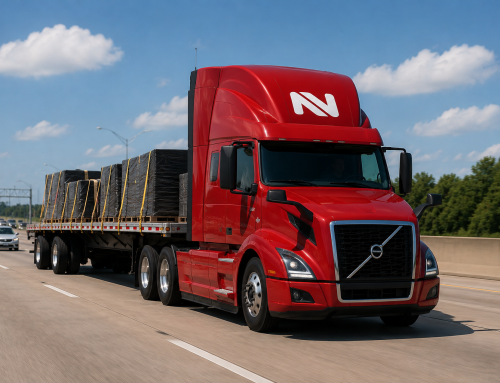
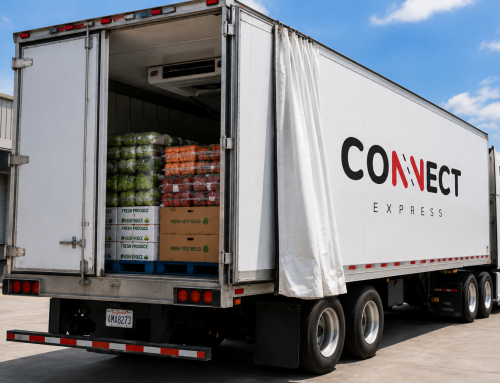
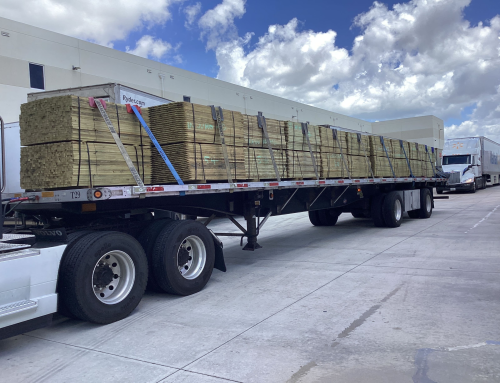
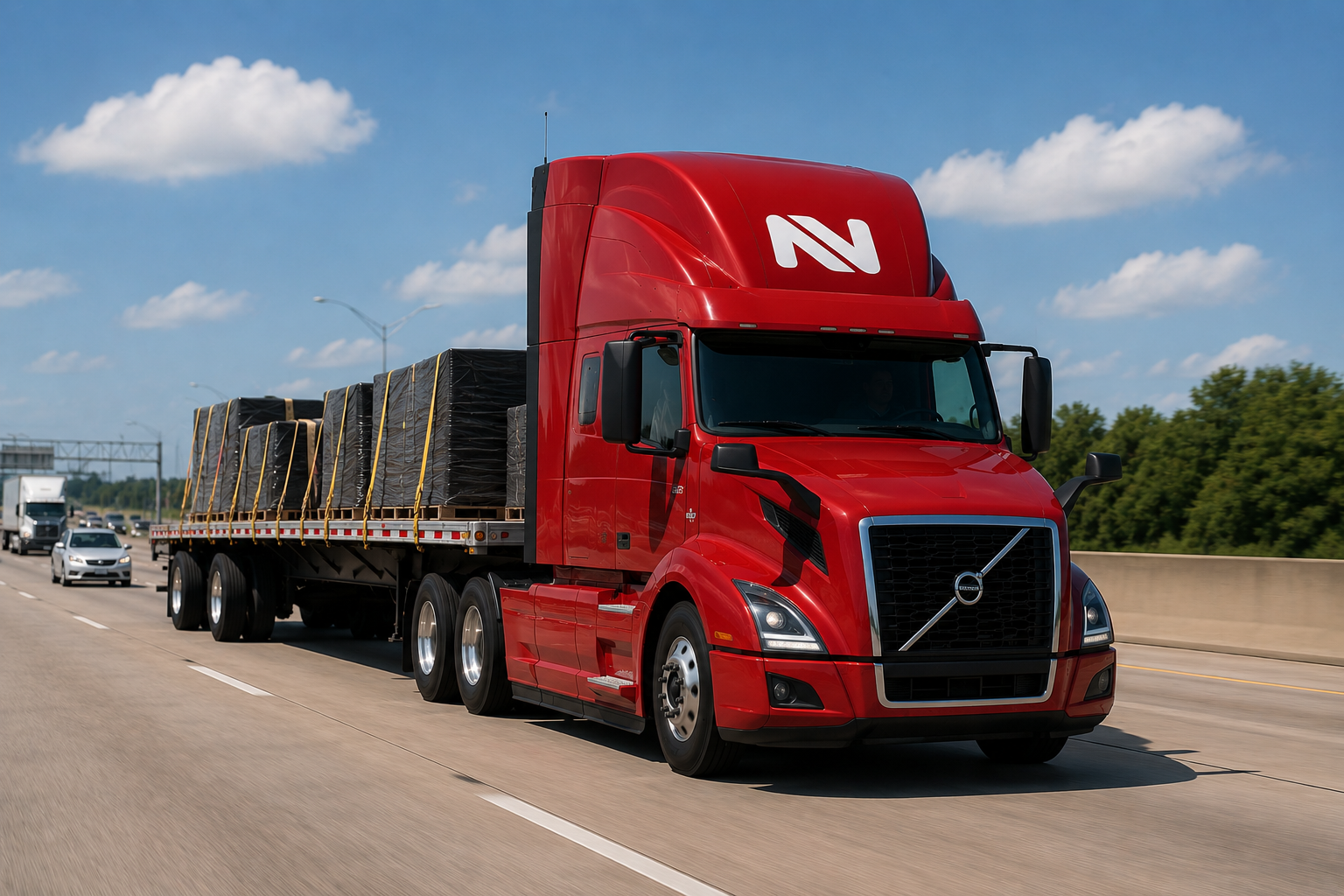
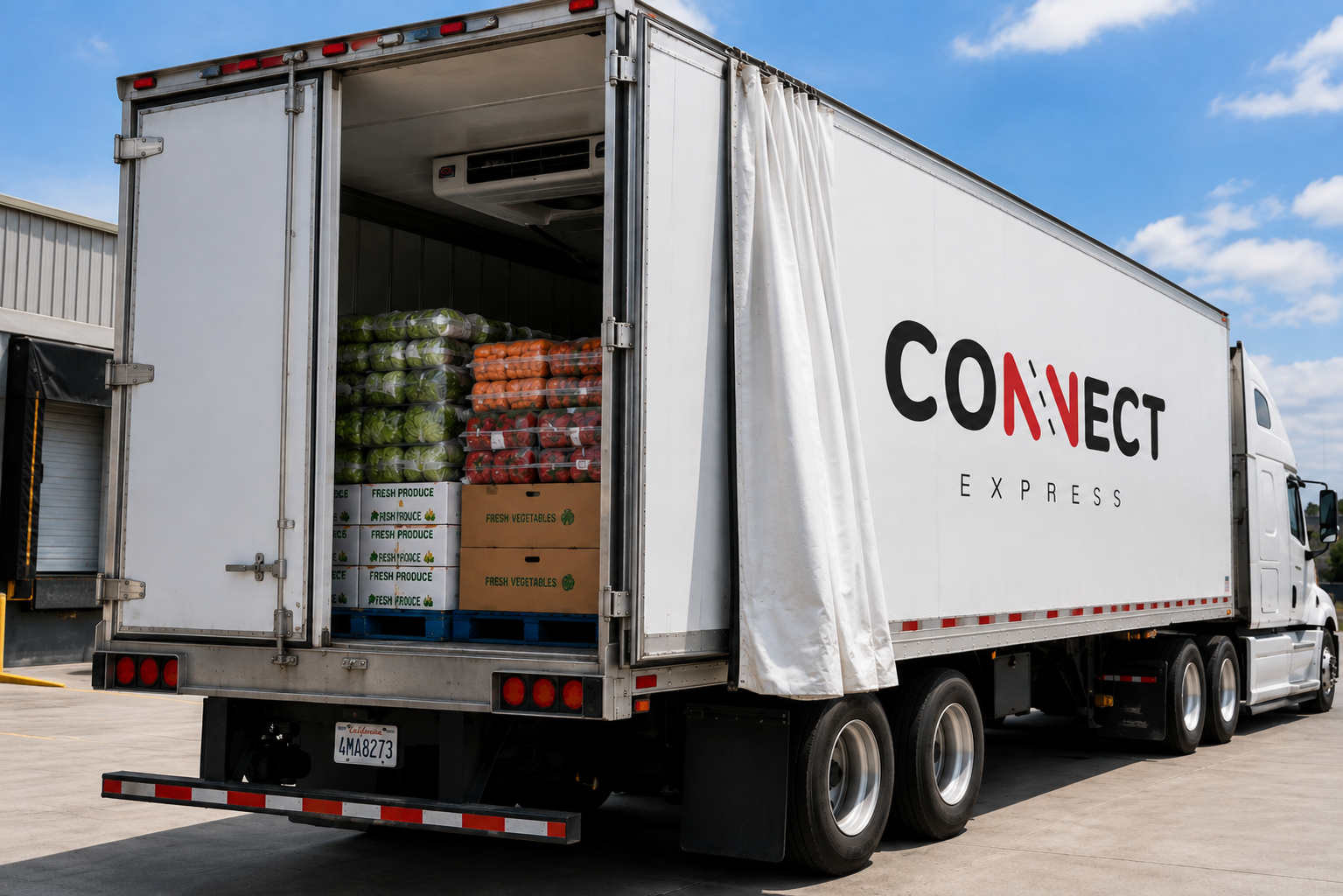
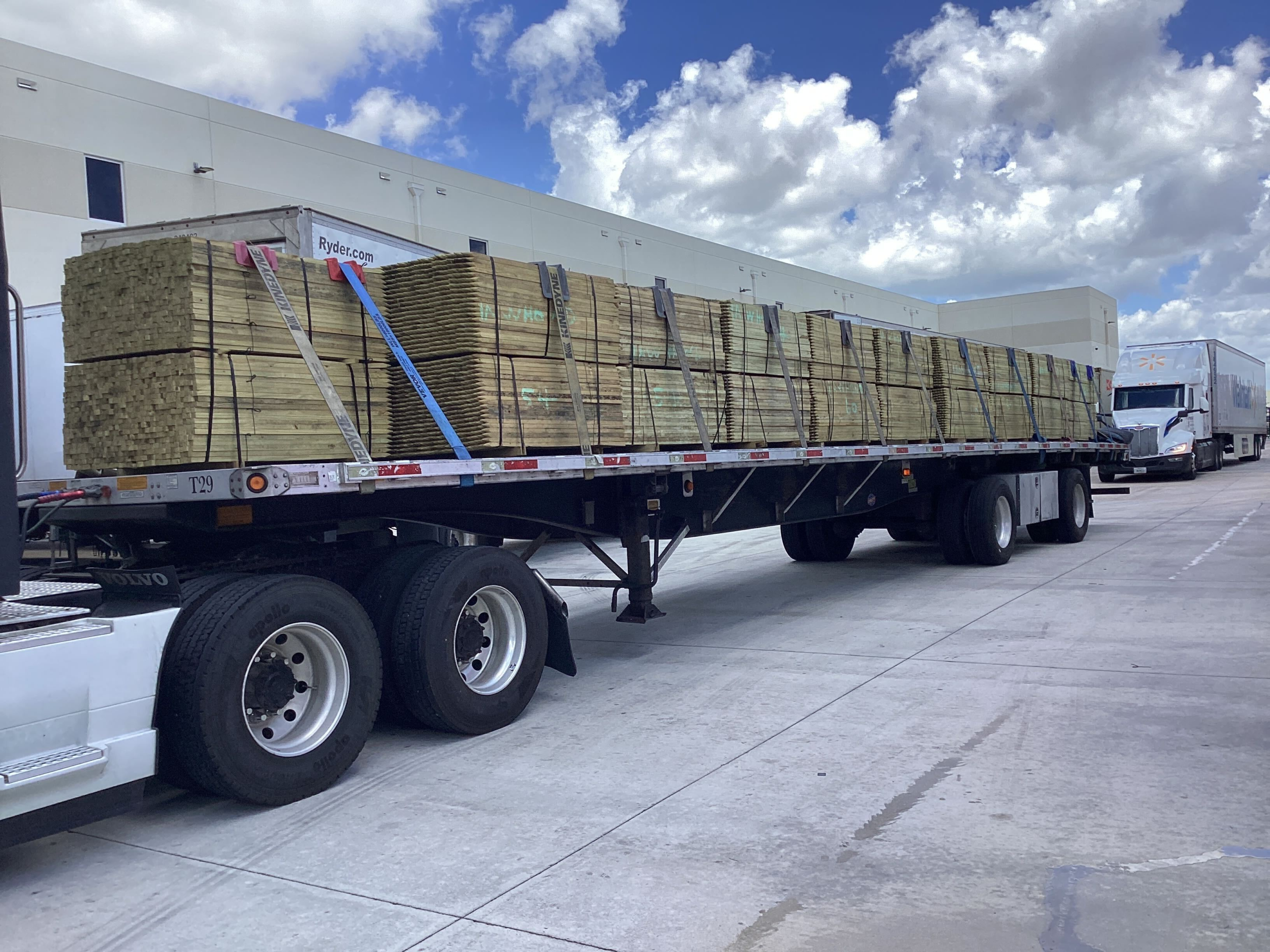
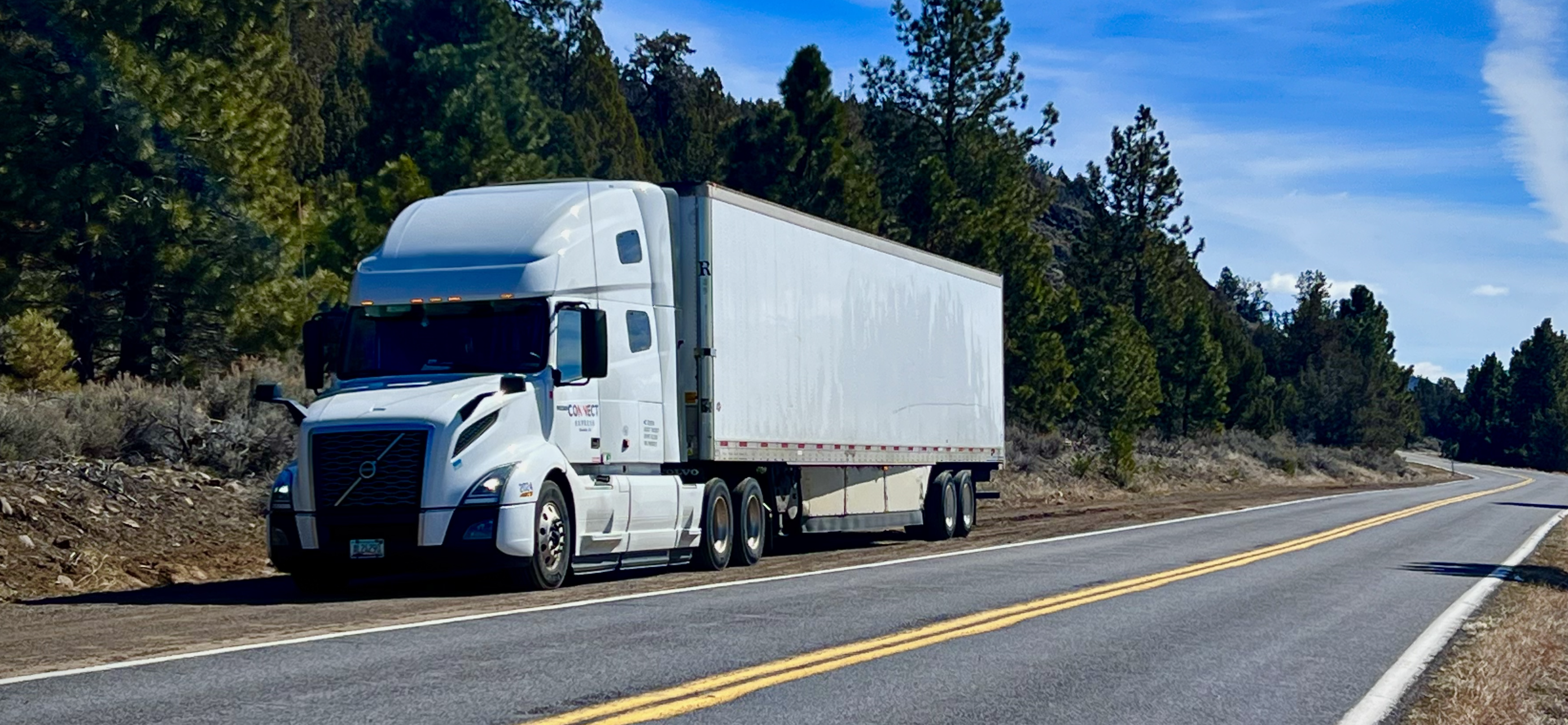
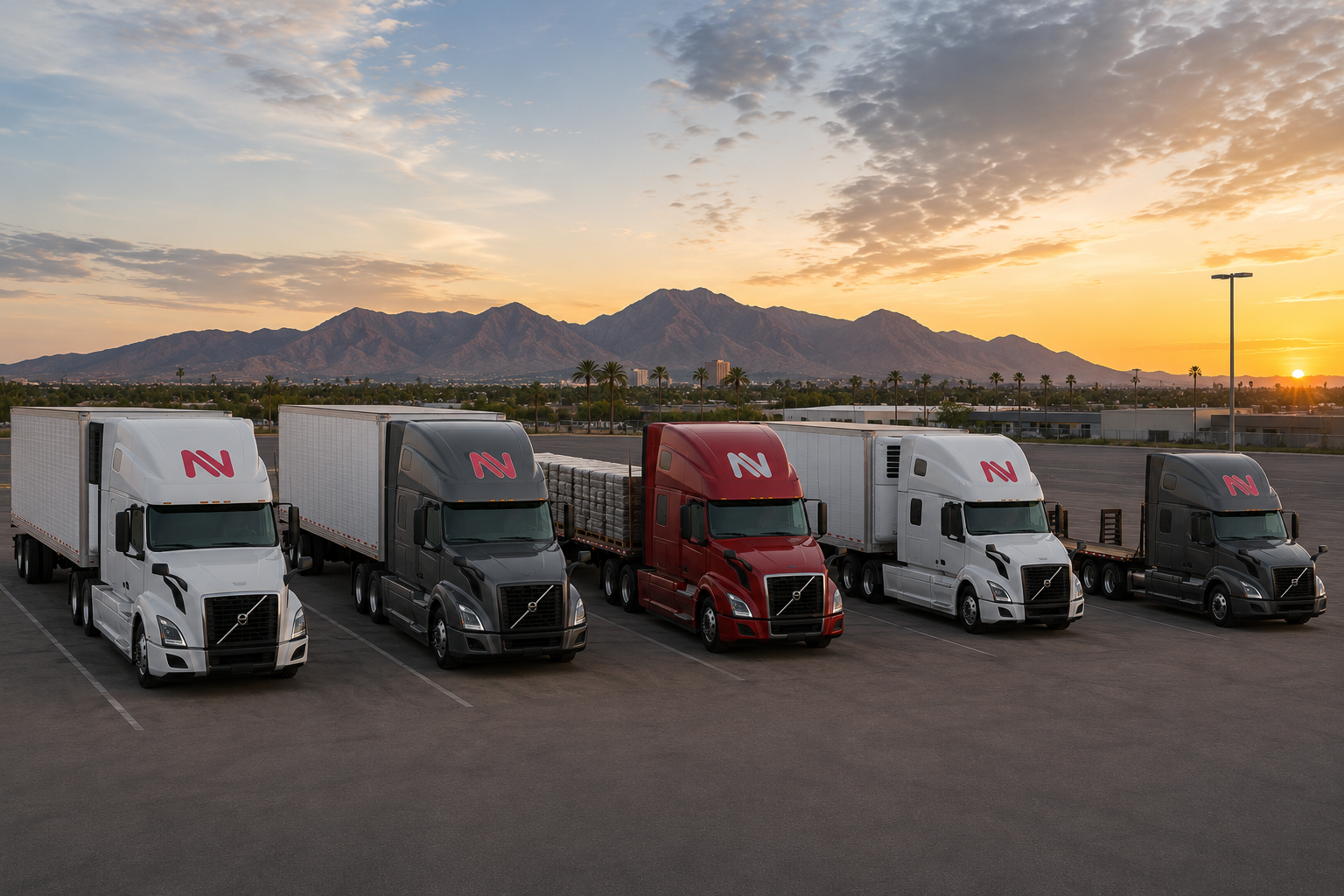
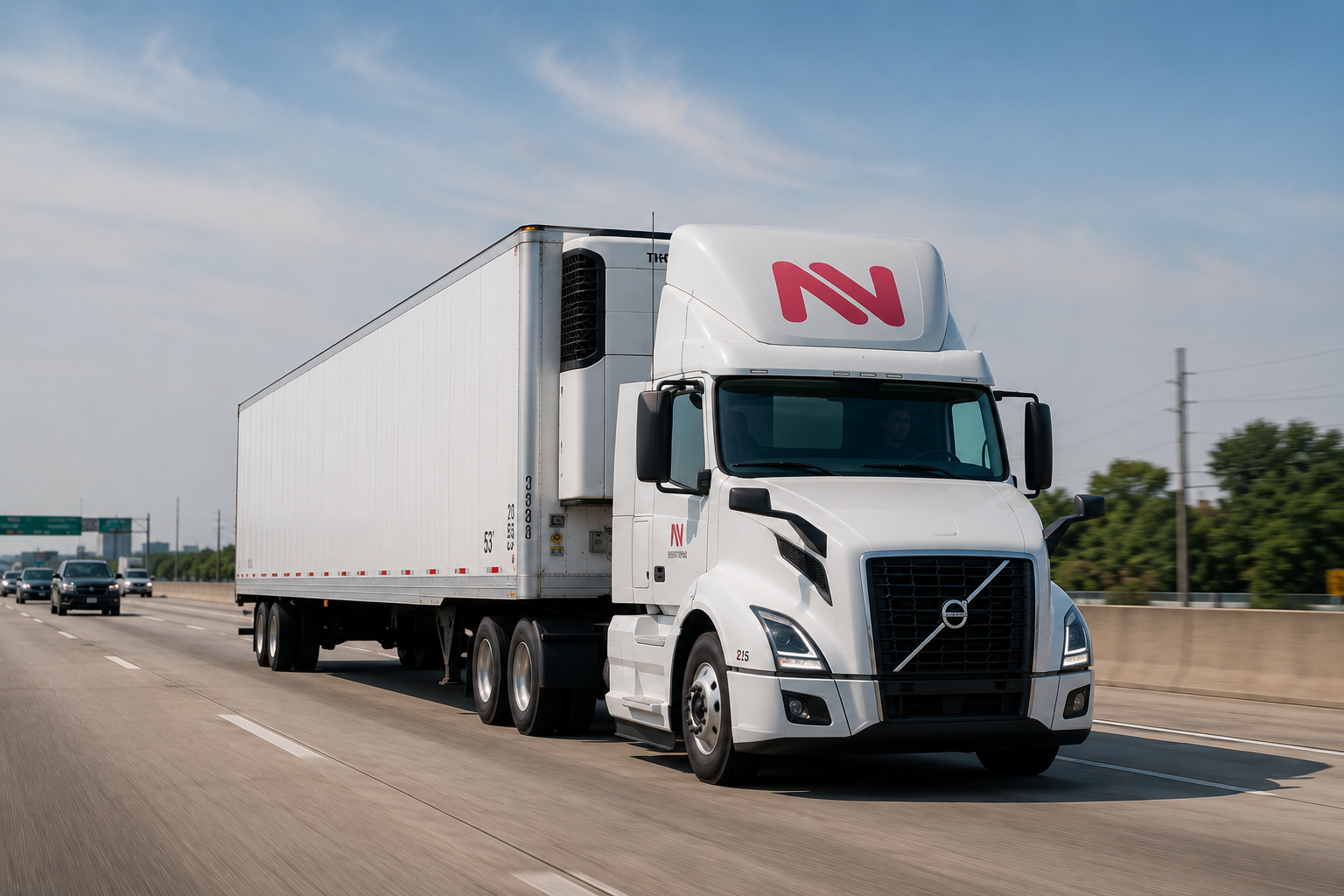
If you ship dry van freight, you need a carrier that handles dry van freight every day, not one that says yes to everything. The same goes for reefer, flatbed, and oversized loads. Each one has different risks, different timing issues, and different equipment standards.
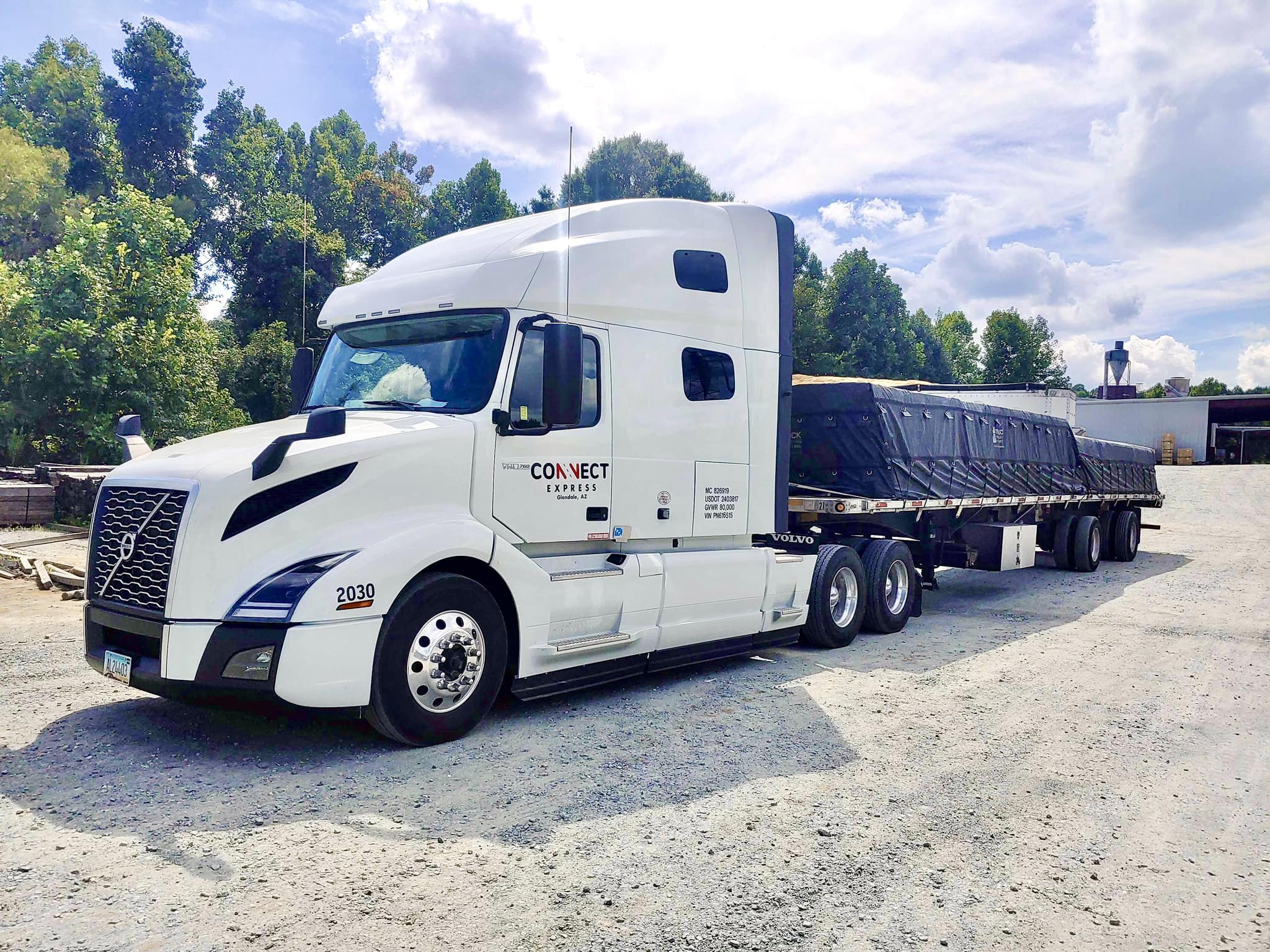
Reefer freight needs temperature control, clean trailers, and drivers who understand what happens when set points are wrong or product is rejected. Flatbed freight needs securement knowledge, proper tarping when required, and drivers who know how to deal with job sites and open-deck loading. Oversized freight adds routing, permits, and timing issues that cannot be treated like a standard van load.
Ask what kind of freight the carrier moves most often. Ask what equipment they run. Ask how they handle the type of shipment you need moved. A real answer sounds specific. A weak answer sounds broad.
Communication tells you a lot before the first load moves
You can learn a lot about a carrier before they ever touch your freight.
If it takes too long to get a straight answer during setup, it will not get better once the load is in transit. If they cannot confirm pickup details clearly, expect confusion at the dock. If updates only come after you ask twice, that is probably how the relationship will go.
Good communication in trucking is not about fancy software or big claims. It is about simple things done right. You get real updates. You know when the truck is empty, when it is en route, when it is loaded, and when it is running behind. No guessing where your load is.
That matters even more when your shipment is time-sensitive or tied to production schedules. A delay is one thing. A delay with no warning is what causes bigger problems.
Ask how they handle service failures
Every carrier has delays. Traffic happens. Weather happens. Shippers run behind. Receivers change appointments. The question is not whether something will go wrong. The question is what the carrier does when it does.
A dependable operation does not disappear when a load gets difficult. They call early. They explain the issue. They give you the next step. They do not wait until the delivery is already late to tell you there is a problem.
This is where experienced dispatch matters. A well-run carrier knows how to work through appointment changes, detention issues, route problems, and equipment concerns without turning every shipment into a fire drill. You want a partner that manages the load, not one that just reports the damage after the fact.
Equipment quality is not a small detail
If you are figuring out how to choose a truckload carrier, equipment should be part of the conversation from the start.
Old or poorly maintained equipment creates service issues fast. Breakdowns delay freight. Trailer problems cause rejections. Refrigeration units that are not calibrated correctly can ruin a load. Flatbeds without the right securement gear can stop a shipment before it even leaves the dock.
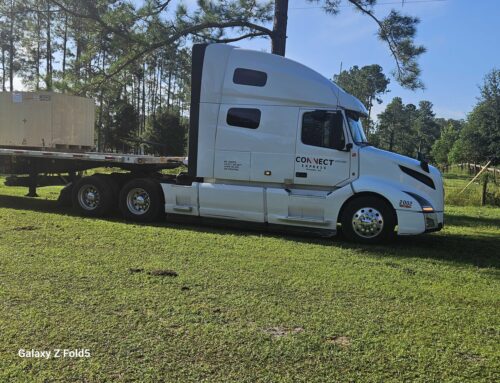
You do not need a long maintenance report. But you should know whether the carrier operates its own equipment, what trailer types are available, and whether those trailers fit your freight. A carrier with real trucks and real drivers usually has a better handle on maintenance, availability, and accountability than one piecing loads together through outside capacity.
That does not mean every shipper needs the biggest fleet. It means you need a carrier whose equipment matches the job and stays in working order.
Capacity matters, but honest capacity matters more
A lot of carriers will say yes when they should say not today.
That is where service starts to break down. A shipper hears that capacity is available, tenders the load, and later finds out the truck is not actually covered. Then pickup gets pushed, communication gets thin, and everyone loses time.
Reliable capacity means the carrier can commit and follow through. It also means they know their lanes. A carrier that regularly runs your traffic pattern will usually give you better service than one trying to force a truck into an unfamiliar lane.
For some shippers, that means using dedicated capacity on repeat freight. For others, it means working with a carrier that knows the Southwest and can still support freight across the continental United States when needed. The right fit depends on your volume, lane stability, and how much flexibility your shipping schedule allows.
Safety should show up in everyday operations
Safety is easy to claim. It is harder to see unless you ask the right questions.
A safe carrier does more than say safety comes first. It hires qualified drivers. It maintains equipment. It secures freight correctly. It pays attention to route planning, weight, permits, and handling requirements. Safety is not a slogan in trucking. It shows up in the details.
This matters even more with food-grade freight, temperature-sensitive products, building materials, machinery, and oversized loads. In those cases, a simple mistake can turn into a damaged shipment, a missed job deadline, or a claim nobody wants to deal with.
If the carrier talks clearly about procedures, equipment, and load handling, that is a good sign. If they brush past those details, pay attention.
How to choose a truckload carrier for long-term use
Choosing a carrier for one load is different from choosing one for ongoing freight.
For a one-off shipment, availability may carry more weight. For a long-term relationship, execution matters more. You want a carrier that learns your shipping habits, understands your facilities, knows your appointment rules, and can move repeat freight without constant hand-holding.
This is where consistency creates value. The same carrier handling the same type of freight on the same lanes tends to reduce mistakes. Fewer surprises at pickup. Fewer calls asking basic questions. Better timing. Better visibility.
If your freight moves regularly out of Phoenix or across Arizona and the Southwest, a carrier with real experience in those lanes can often spot problems early and plan around them. That local operating knowledge helps, even when your freight moves nationwide.
Watch how they act before you trust them with more
You do not need a long trial period to spot red flags.
Start with how they handle the first few conversations. Are they organized? Do they confirm details back to you? Do they understand the freight, or are they just trying to get the load? Then watch the first shipment closely. Did the truck show up on time? Were updates accurate? Did delivery happen without excuses?
The best carriers are usually not the loudest. They are the ones who do the basic things right every time. They show up on time. They communicate clearly. They use the right equipment. They do not create extra work for your team.
That is what you are really looking for when you ask how to choose a truckload carrier. Not a perfect sales pitch. Not the biggest promise. Just a carrier that runs the load the way it should be run.
If a carrier makes your shipping day quieter, that is usually the right one to keep.
Need capacity on this type of freight? Connect Express LLC provides asset-based dedicated truckload service across the Southwest and nationwide.
Request a truckload quote: Contact Connect Express or call (844) 474-8963.