A delivery appointment gets missed, and the problem rarely stays in one place. The receiver loses dock time. Production gets pushed. The shipper starts asking for updates every 20 minutes. The carrier is forced to reshuffle the rest of the day. That is why the top causes of missed delivery appointments matter so much. One bad handoff can turn into a full-day problem.
Most missed appointments are not random. They usually come from planning gaps, bad information, weak communication, or delays that were visible earlier but never addressed. If you manage freight long enough, you start seeing the same patterns over and over.
The top causes of missed delivery appointments start before the truck moves
A lot of delivery failures begin at pickup. By the time the truck is late at the receiver, the real issue may have happened six or eight hours earlier.
The most common problem is a late pickup. Maybe the freight was not staged. Maybe the paperwork was not ready. Maybe the shipper loaded three trucks at one dock and everything backed up. Once the driver leaves late, the appointment time is already under pressure. If the route has no extra room, there is no way to make that time back.
Another issue is unrealistic scheduling. A load gets booked with a delivery window that looks fine on paper but ignores traffic, fuel stops, driver hours, weather, and live unload delays. That kind of schedule only works if every step goes right. Freight does not move that way in the real world. When we book dry van loads, we build the appointment around real drive time instead of the best-case clock.
This is especially true on longer runs. A shipper in Phoenix may expect a next-day delivery into another state because the mileage seems possible. But legal drive time, shipper delays, and receiver rules all affect the clock. If the appointment was set too tight from the start, the truck is being set up to fail.
Bad pickup information creates downstream delays
Wrong or incomplete load details waste time fast. If the carrier gets the wrong pickup number, wrong shipper contact, wrong commodity details, or wrong pallet count, the driver may sit while somebody sorts it out. Even a 30-minute delay matters when the delivery appointment is tight.
Facility instructions are another weak point. If the driver is not told where to check in, what gate to use, whether seals are required, or whether the receiver needs a specific reference number, the delivery can stall at the gate. The truck may be on time to the property and still miss the appointment because entry took too long.
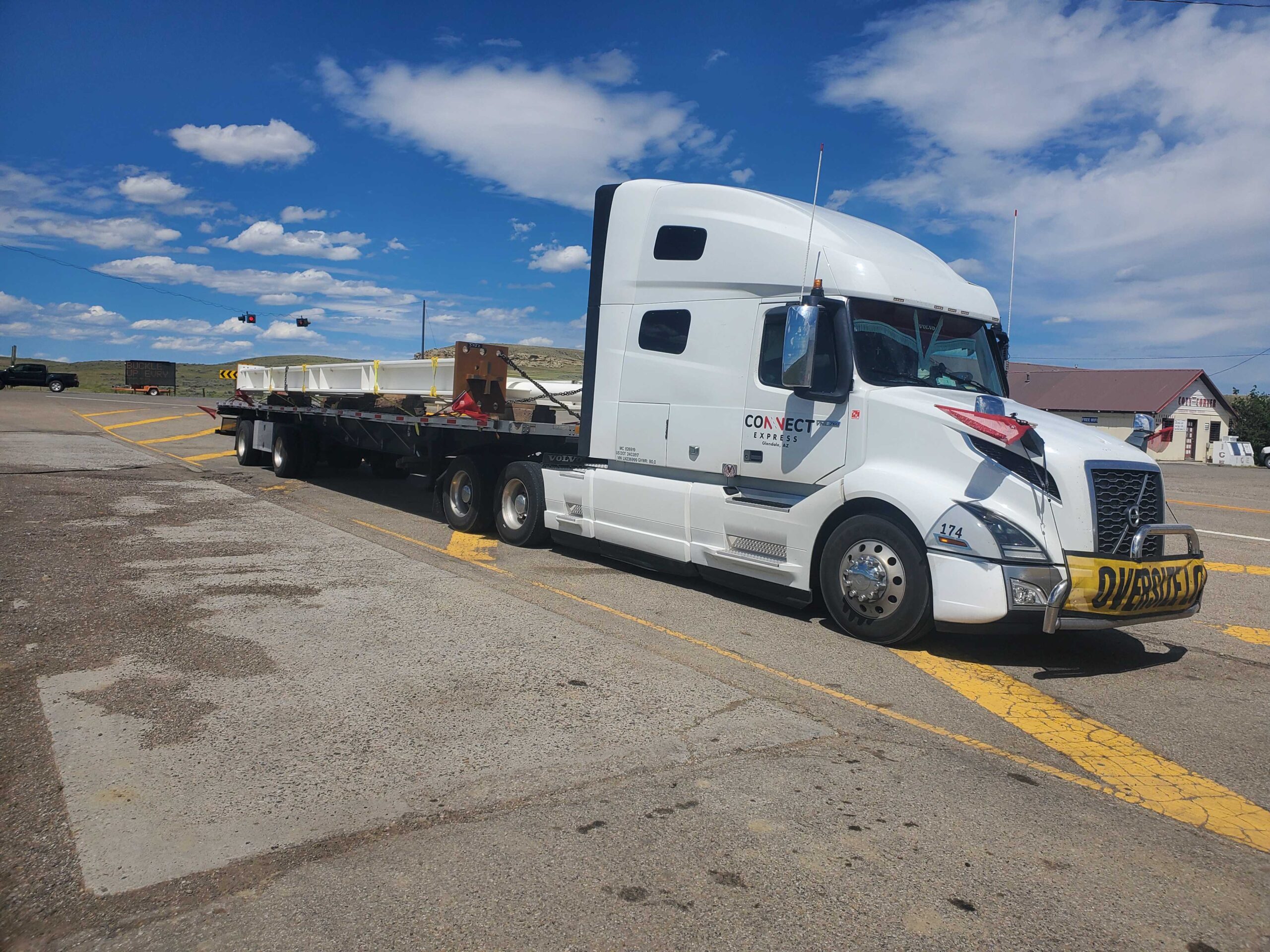
This gets worse with refrigerated and oversized freight. Reefer loads may need temperature confirmation, product checks, or stricter receiving procedures. Flatbed and oversized loads may need appointment windows that account for site access or unloading equipment. If that information is missing, the delivery plan is incomplete before the truck even rolls.
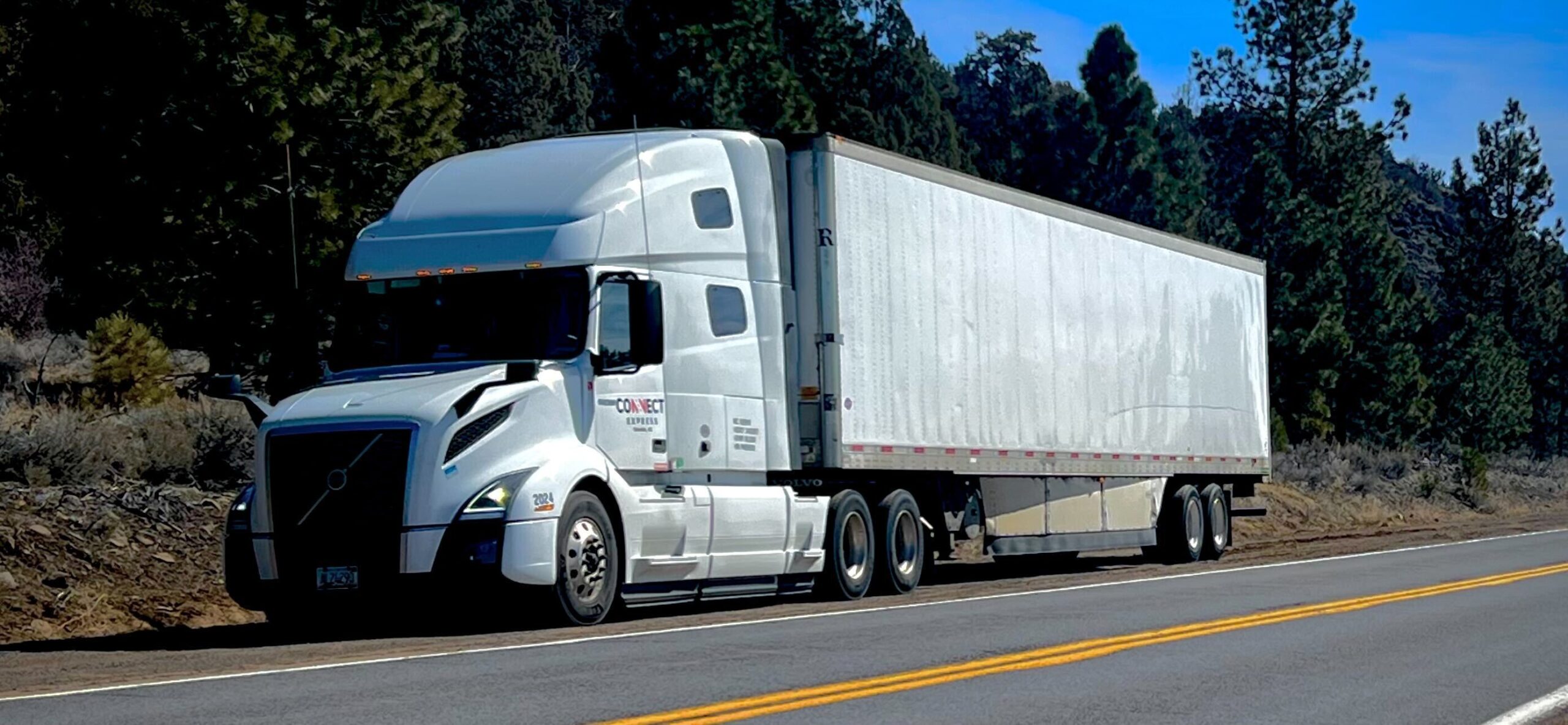
Poor communication is one of the top causes of missed delivery appointments
A lot of missed appointments could be avoided if people spoke up earlier.
Sometimes the driver knows the load is running behind but no one tells the customer until the appointment has already been missed. Sometimes dispatch sees a pickup delay and assumes the receiver will still unload late. Sometimes the broker or shipper changes the appointment time, but the update never reaches the truck. That is how preventable misses happen.
Good communication does not fix traffic or weather. It does give everyone time to adjust. A receiver may move the appointment. A shipper may notify the customer. Dispatch may reroute or reset the plan. If nobody shares real updates, everyone finds out too late.
This is where carriers separate themselves. A serious operation does not wait for the freight manager to ask where the truck is. It gives updates early. It says what happened, what the impact is, and what the new ETA looks like. No guessing where your load is.
Driver hours are often ignored until they become a problem
Hours of service are not flexible because the appointment is important. If a load was planned without enough legal drive time, the truck will stop when the clock says stop.
This usually comes from bad assumptions. Someone calculates transit based on total miles and forgets the driver still needs fuel, breaks, traffic time, and legal rest. Or a pickup runs late, cutting into the available driving window, but the original delivery appointment stays the same.
It also happens when a driver is assigned a load after already using part of the day on another move. On paper, the trip may still look possible. In practice, the remaining hours are not enough.
Shippers do not need to know every detail of hours-of-service rules, but they do need carriers who plan around them honestly. If the route only works by pretending the driver has unlimited time, the appointment is already at risk.
Traffic, weather, and road restrictions still matter
Some delays are outside anyone’s control. Traffic accidents, road closures, weather, and chain requirements can all push a truck off schedule. In parts of Arizona, New Mexico, Colorado, and Utah, weather and terrain can change a route quickly. In major metro areas, a normal traffic backup can wipe out an appointment buffer fast.
That said, not every external delay is a surprise. Good planning accounts for known congestion, mountain corridors, seasonal weather, and delivery times that hit rush hour. The problem is not always the event itself. The problem is pretending there was no risk in the first place.
A carrier cannot promise perfect roads. It can build realistic transit plans and communicate when conditions change.
Receiver-side problems cause misses too
Not every missed delivery appointment is the carrier’s fault. Receivers create their share of problems.
Some facilities overbook docks and fall behind all day. Some do not answer the phone when a truck is trying to confirm instructions. Some change receiving hours without clearly updating vendors and carriers. Others reject early arrivals even when the dock is open, then count the truck as late if the next open slot is missed.
There are also facilities with strict rules that do not leave room for small delays. A truck can arrive 15 minutes behind because of gate congestion and still lose the whole appointment. Once that happens, the unload may get pushed hours later or even to the next day.
This is why appointment management has to include the receiver, not just the truck. If a facility is known for long lines, strict check-in times, or poor communication, that has to be part of the delivery plan.
Equipment and paperwork issues can stop a delivery cold
A mechanical breakdown is an obvious risk. If the truck has a tire issue, reefer problem, lighting failure, or another equipment issue, transit gets interrupted. Good maintenance reduces that risk, but it does not erase it.
Paperwork causes just as many headaches. Missing bills of lading, bad PO numbers, wrong seal numbers, or incorrect commodity descriptions can delay check-in and unloading. The truck may be physically at the receiver on time, but if the paperwork does not match what the facility expects, the appointment can still be lost.
For temperature-controlled freight, reefer settings and temperature records matter. For flatbed, securement issues or unloading requirements can matter. Different freight types have different failure points, and they all affect appointment performance.
How shippers can reduce missed appointments
The fix is not complicated, but it takes discipline.
Start with realistic appointment setting. Build in enough time for the actual route, not the best-case version of it. If the load has a hard delivery time, make sure the pickup window, transit plan, and driver hours all support it.
Give complete load information up front. That includes contacts, pickup and delivery numbers, commodity details, appointment rules, and site instructions. If the receiver has strict check-in procedures, the carrier should know before the truck gets there.
Then focus on communication. If pickup is running late, flag it immediately. If the appointment needs to move, confirm the change with everyone involved. The carrier, shipper, and receiver should be working from the same information, not three different versions of the same load.
It also helps to work with carriers that operate like operators, not middlemen passing messages around. ConnectExpress LLC, based in Phoenix, Arizona, runs real trucks with real dispatch support. That matters when a load starts slipping. You get real updates, and decisions get made faster.
Missed delivery appointments are usually a system problem
When a truck misses a delivery time, people often look for one person to blame. Sometimes that is fair. Often it is not. A missed appointment is usually the result of small failures stacking up – a late pickup, a bad assumption on transit time, missing instructions, delayed updates, and a receiver with no flexibility.
That is why the best way to improve on-time delivery is to tighten the whole process. Better scheduling. Better load details. Better check calls. Better planning around hours and facility constraints. None of that is flashy. It is just how freight gets delivered on time.
If you want fewer missed appointments, stop treating them like random bad luck. Most of them leave a trail long before the truck hits the dock.
Need capacity on this type of freight? Connect Express LLC provides asset-based logistics services across the Southwest and nationwide.
Request a truckload quote: Contact Connect Express or call 480-401-1998.