
A load does not become a problem when it is late. It becomes a problem when nobody knows it is late.
That is why real time shipment tracking matters. Freight managers and logistics coordinators are not just trying to move freight from one point to another. They are trying to plan labor, dock space, production schedules, customer commitments, and the next load after that. If the truck is moving but nobody can see what is happening, the whole chain gets harder to manage.
Good tracking is not about fancy dashboards. It is about clear updates, fewer surprises, and better decisions while the load is still on the road.
What real time shipment tracking actually means
Real time shipment tracking should answer a simple question at any point in transit – where is the load right now, and is it still on schedule?
In trucking, that usually means location visibility during pickup, transit, fuel stops, delays, and delivery approach. It also means the update is current enough to be useful. A status from three hours ago is not much help when a receiver is asking whether to keep a dock open.
For shippers, useful tracking is not just a map pin. A truck can be on the right highway and still be off plan because of weather, traffic, detention, a breakdown, or a late shipper release. Real tracking includes context. You need to know not only where the truck is, but whether that location still supports the original delivery window.
Why shippers ask for real time shipment tracking
Most check calls happen for one reason. Someone does not trust the last update.
When the freight is important, silence creates work. A shipping team starts calling dispatch. A warehouse starts asking if labor should stay late. A customer service rep asks whether the order will make the appointment. Then the broker or shipper has to chase information that should have already been available.
Real time shipment tracking cuts down that noise when it is backed by active dispatch. The shipper sees movement. The coordinator gets updates before they have to ask. If there is a delay, they hear about it early enough to adjust.
That changes the working relationship. Instead of reacting to problems after they hit, the shipper can make decisions while there is still time to do something useful.
Where tracking helps the most
The biggest value shows up on loads where timing has consequences.
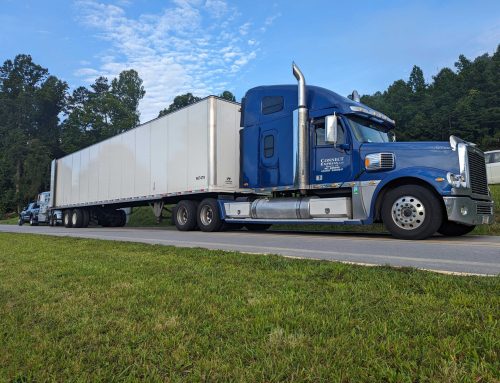
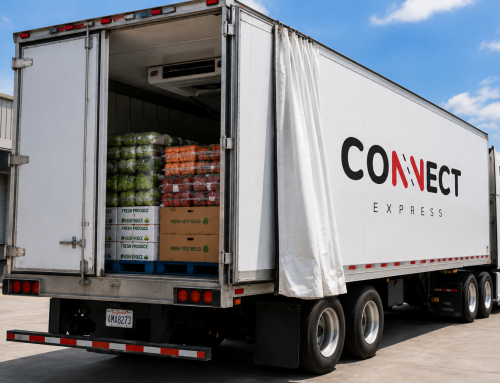
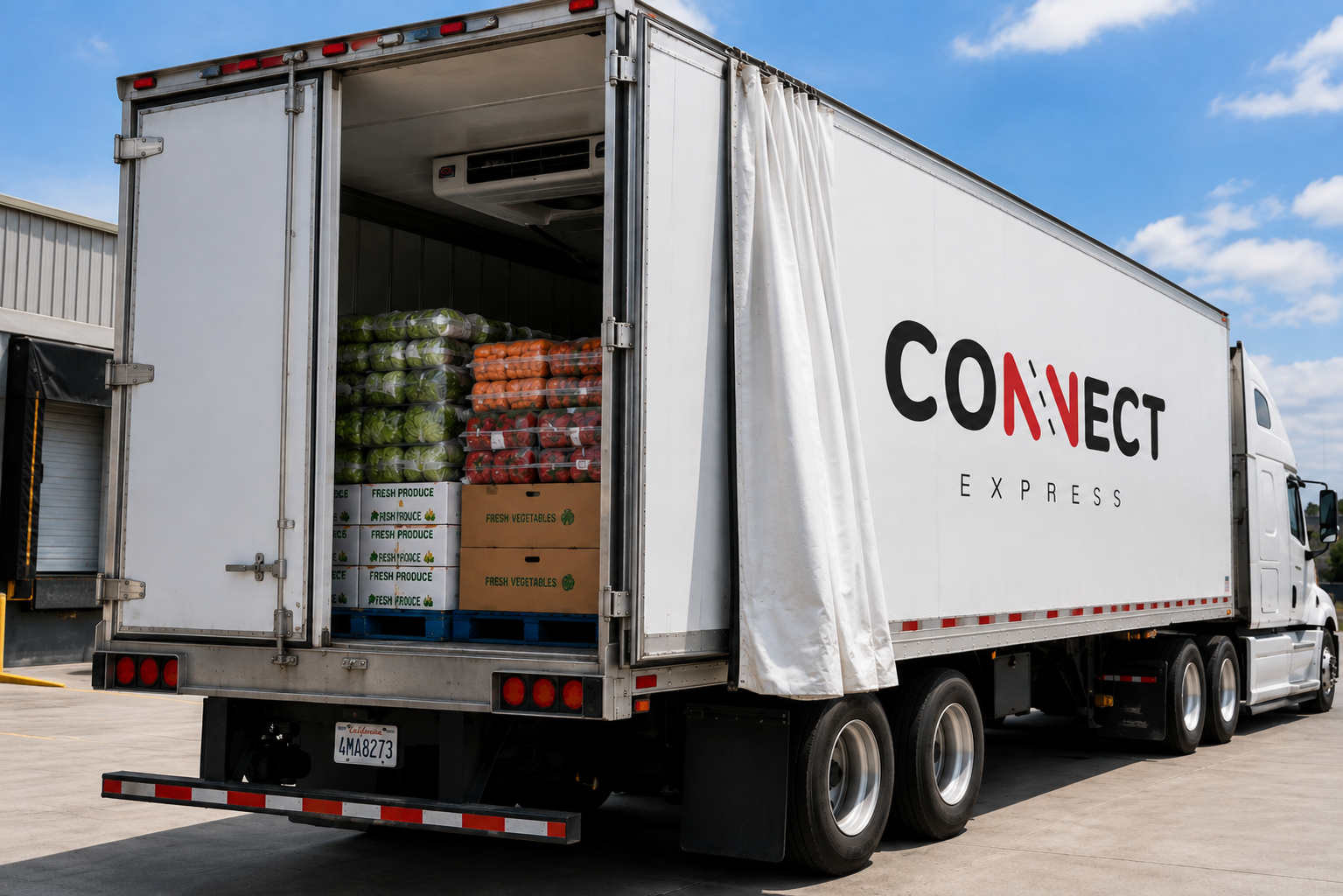
Reefer freight is an obvious example. If a refrigerated load is running behind, receivers may need to adjust labor or unload priorities. On dedicated lanes, tracking matters because consistency matters. If a manufacturer is moving the same freight every week, they need to know whether the lane is performing the way it should.
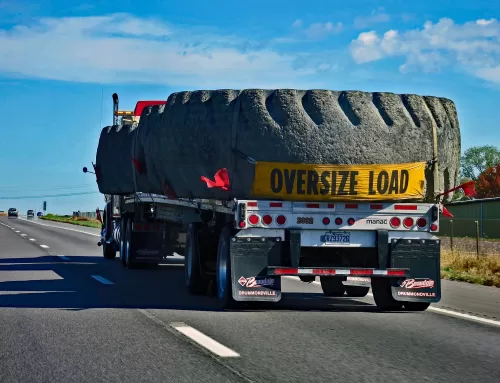
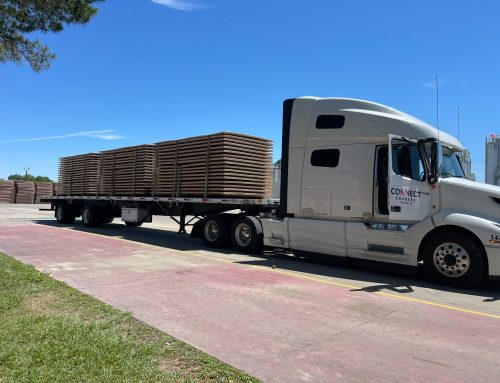
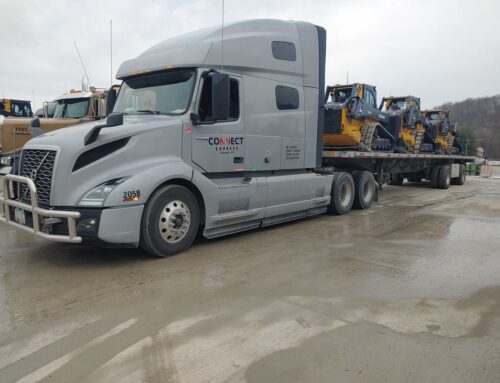
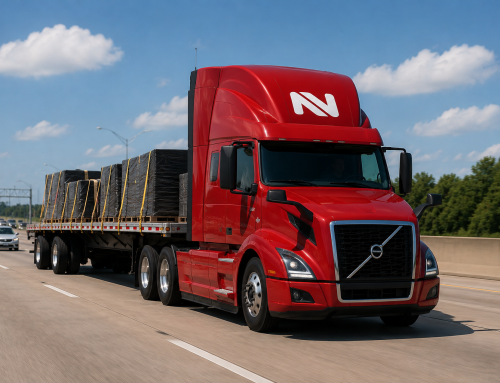
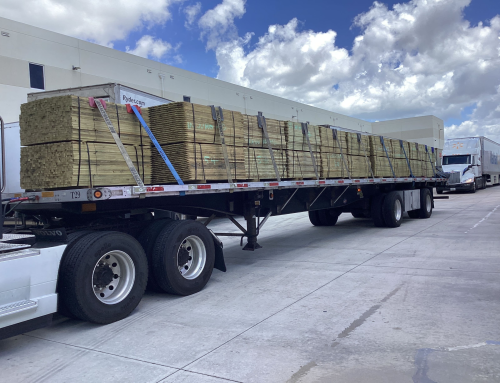
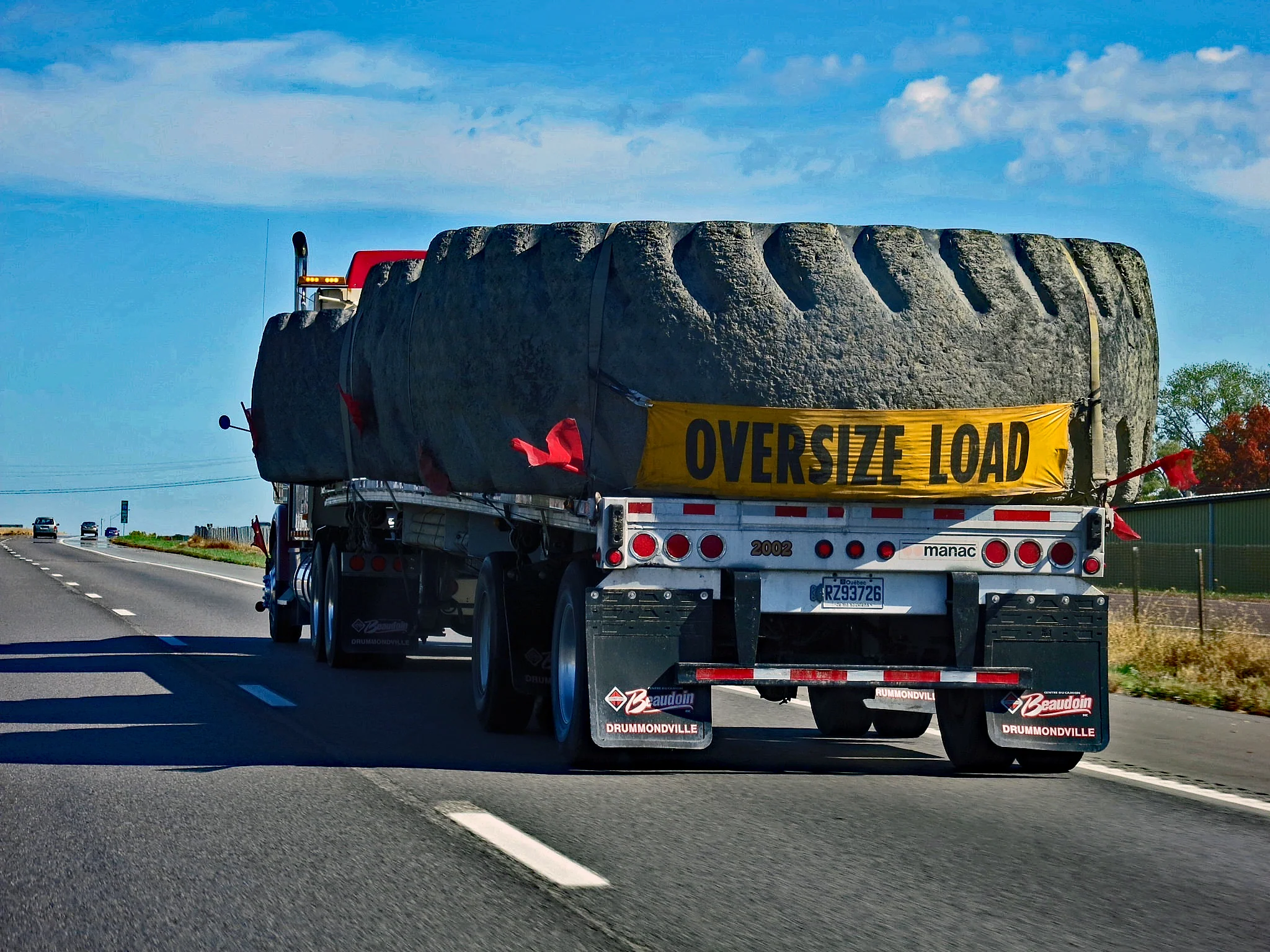
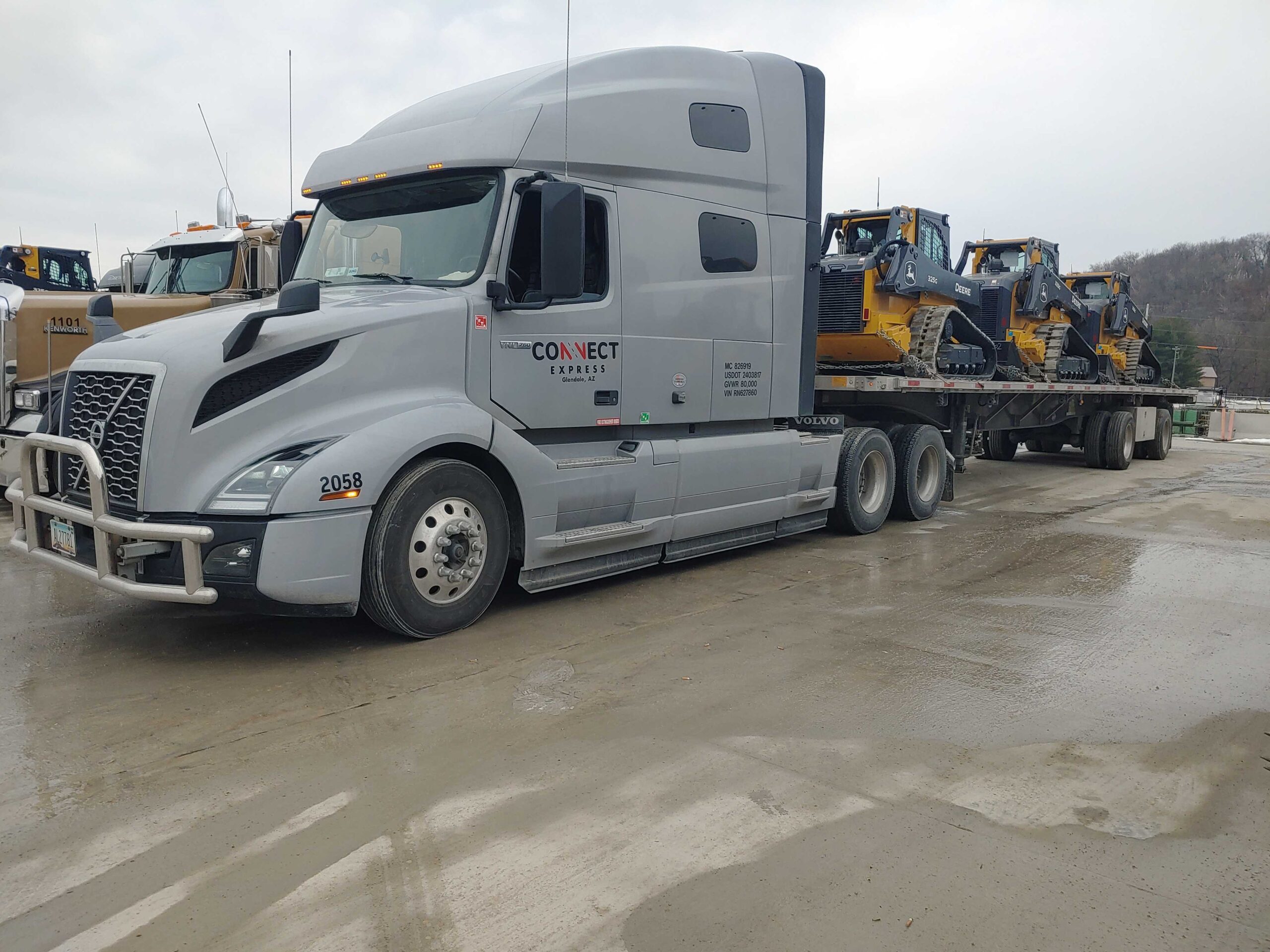
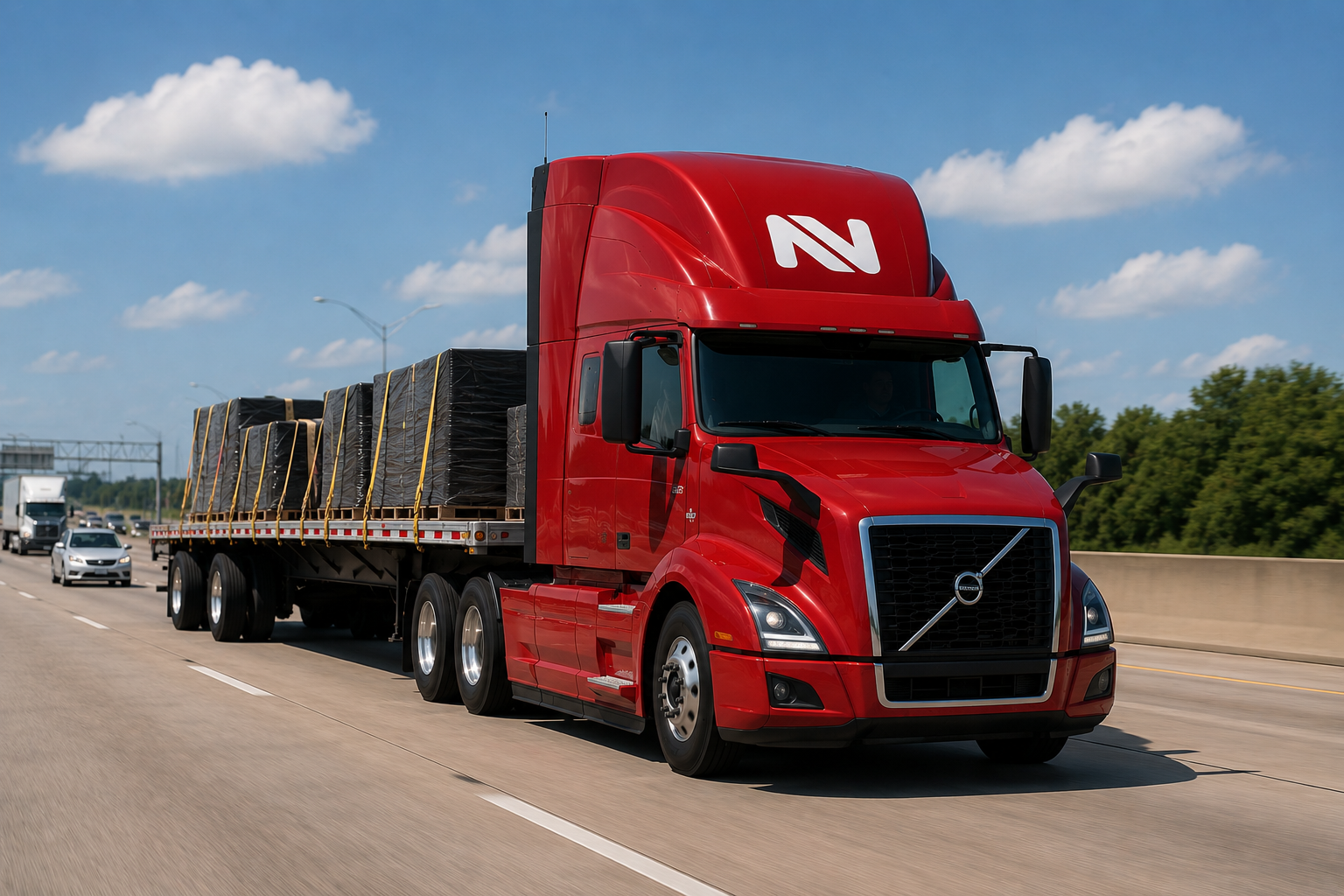
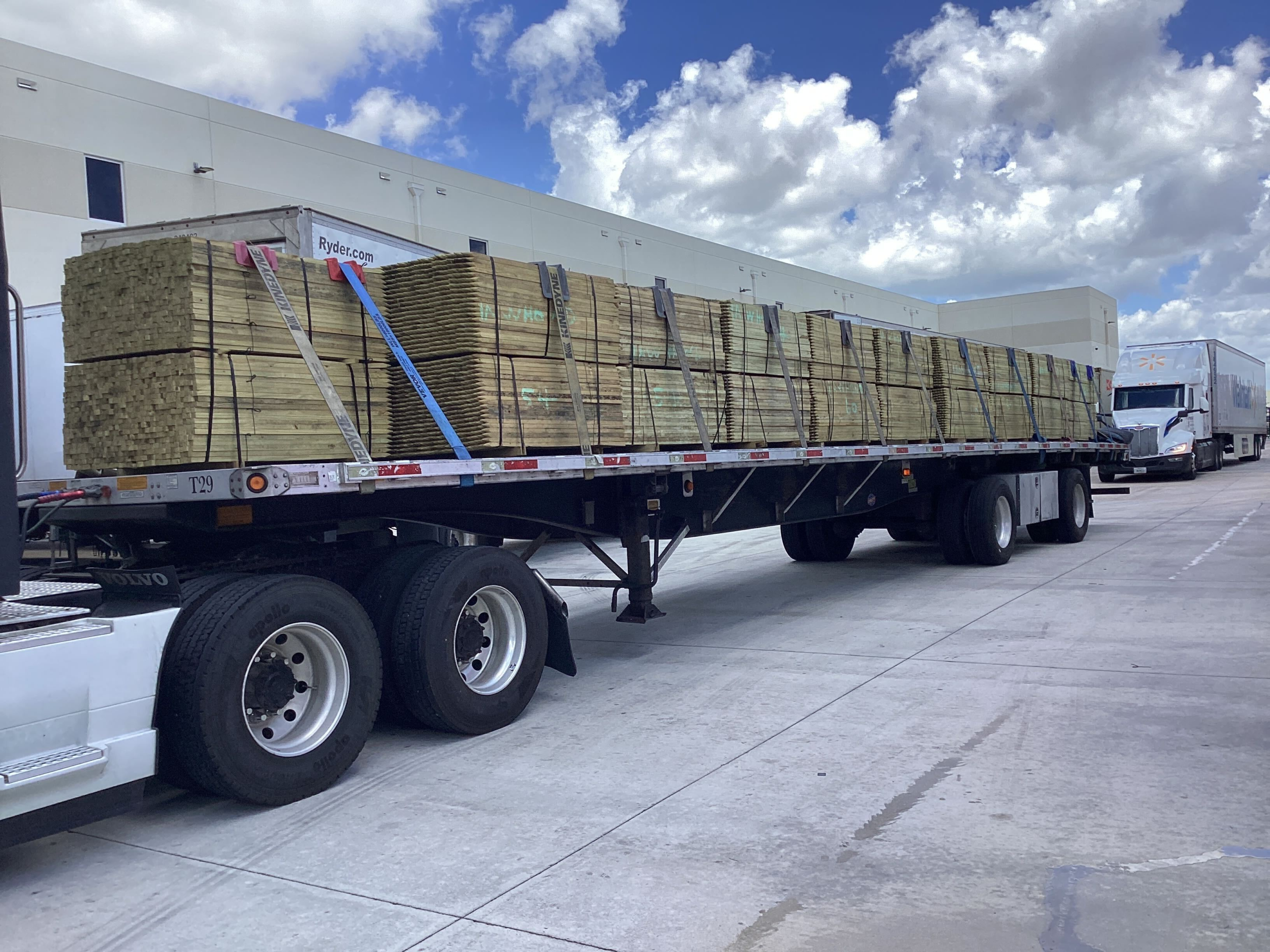
Flatbed and oversized loads also benefit from better visibility. Transit times can shift due to route limits, permits, escorts, weather, and appointment restrictions. Those loads need communication that stays current, not a generic update sent hours after conditions changed.
Even standard dry van freight benefits when plants, distribution centers, and retail receivers are all working off tight schedules. The more touchpoints a shipment affects, the more important the update becomes.
A map alone is not enough
Some carriers act like tracking starts and ends with a phone app. That is not enough.
A location ping can tell you where the truck was. It does not always tell you what is happening. Was the driver delayed at the shipper? Is there a mechanical issue? Did the appointment time change? Is the receiver backed up? Those details matter because they affect the next move.
Good tracking combines technology with communication. The system shows movement. Dispatch confirms the reason when something changes. The shipper gets a real update, not a vague status line.
That is the difference between visibility and useful visibility. One shows dots on a screen. The other helps you run freight.
The operational value of better visibility
When tracking is handled right, the benefit is not just peace of mind. It improves day-to-day execution.
First, it helps with dock planning. Receivers can prepare for arrivals instead of guessing. That cuts down confusion at busy facilities and gives warehouse teams a better shot at staying on plan.
Second, it helps with labor. If a load is moving early, late, or right on time, managers can staff accordingly. That matters at plants and warehouses where overtime, shift changes, and unload windows all carry real cost.
Third, it improves customer communication. If your customer asks where the shipment is, you should not need a half hour and three phone calls to answer. You should be able to give a straight answer right away.
Fourth, it helps with downstream planning. One delayed shipment can affect production, inventory, or outbound commitments. If you know the delay early, you have options. If you hear about it after the fact, you are just cleaning up damage.
What to look for from a carrier
If you are relying on real time shipment tracking, the carrier has to do more than turn on a tracking tool.
You want a carrier that gives updates without being chased. Pickup confirmed. In transit. Delay noted early. Delivery confirmed. Simple. Clear. On time when things are going right, and honest when they are not.
You also want the carrier to know the freight. Reefer loads, flatbed freight, dedicated lanes, and time-sensitive dry van shipments all move differently. The update process should match the load, not come from a one-size-fits-all script.
It also helps to work with a carrier that runs its own trucks and manages its own drivers. When dispatch is connected to the truck, information moves faster. There is less handoff, less confusion, and fewer cases where one party is waiting on another to explain what happened.
That matters in the real world. A shipper does not care whose system caused the delay in communication. They care whether they got the update when they needed it.
The limits of real time shipment tracking
Tracking helps a lot, but it does not fix bad operations.
If a carrier misses appointments, sends weak updates, or does not plan routes well, adding tracking will not cover that up for long. You may see the failure more clearly, but it is still a failure.
There is also a difference between frequent updates and useful updates. Too many alerts with no context can create as much noise as no update at all. The goal is not constant messaging. The goal is the right information at the right time.
Privacy and driver workflow matter too. Tracking should support the operation, not create distractions or force drivers into extra admin work while they are trying to stay safe and on schedule. The system has to fit how trucking actually works.
Why communication still matters
The best freight operations use tracking and human follow-through together.
A system can show that a truck stopped. Dispatch can explain that the stop is a tire issue being handled now, with a revised ETA already sent. A system can show arrival near the receiver. Dispatch can confirm the truck is checked in and waiting on a door.
That second part is where trust gets built. Shippers remember whether they had to chase updates. They remember whether the carrier spoke plainly. They remember whether there were excuses or answers.
At ConnectExpress LLC, based in Phoenix, Arizona, that is the standard we work from. You get real updates. No guessing where your load is. If something changes, you hear it early.
Real time shipment tracking is really about control
Freight will never be perfect every day. Traffic happens. Weather happens. Facilities run behind. Equipment issues happen. Anyone who has moved enough loads knows that.
What matters is whether you can see what is happening soon enough to respond. That is what real time shipment tracking gives you when it is done right. Not hype. Not extra screens. Control.
For shippers and logistics teams, that control shows up in small ways that add up fast. Fewer check calls. Better dock timing. Better customer answers. Less wasted time. Fewer surprises.
And in this business, fewer surprises is not a small thing. It is how freight gets managed right.
Need capacity on this type of freight? Connect Express LLC provides asset-based logistics services across the Southwest and nationwide.
Request a truckload quote: Contact Connect Express or call (844) 474-8963.