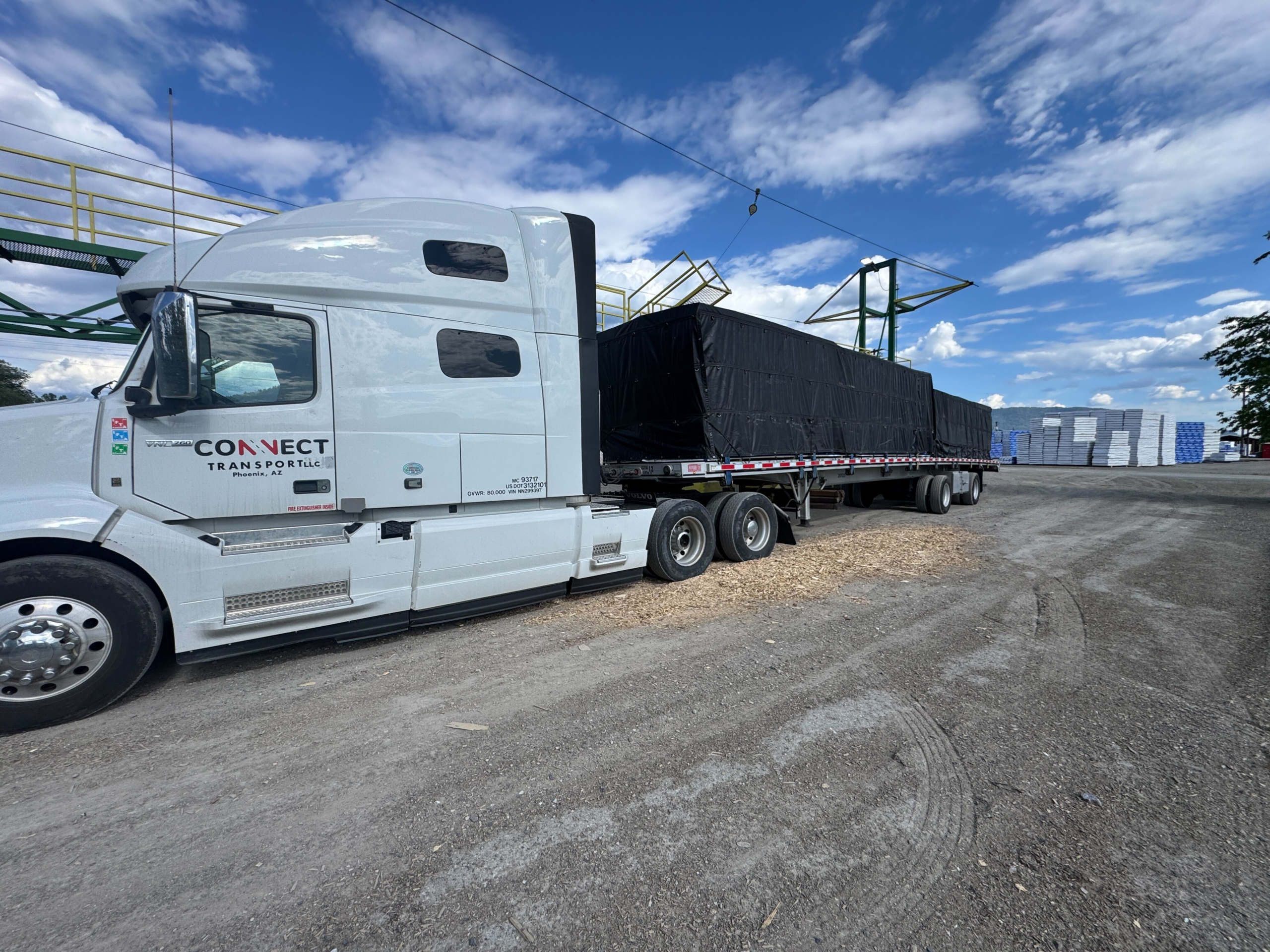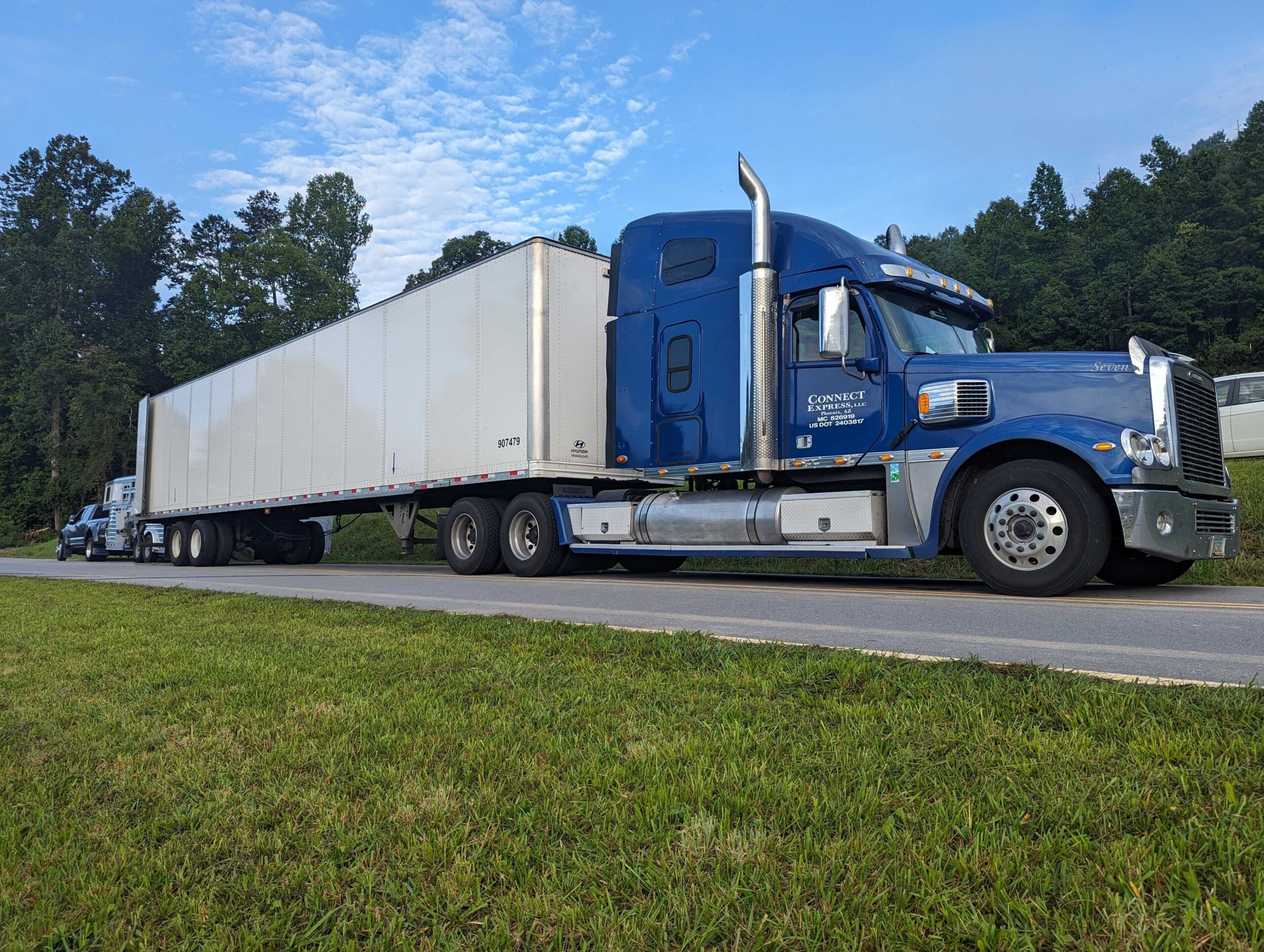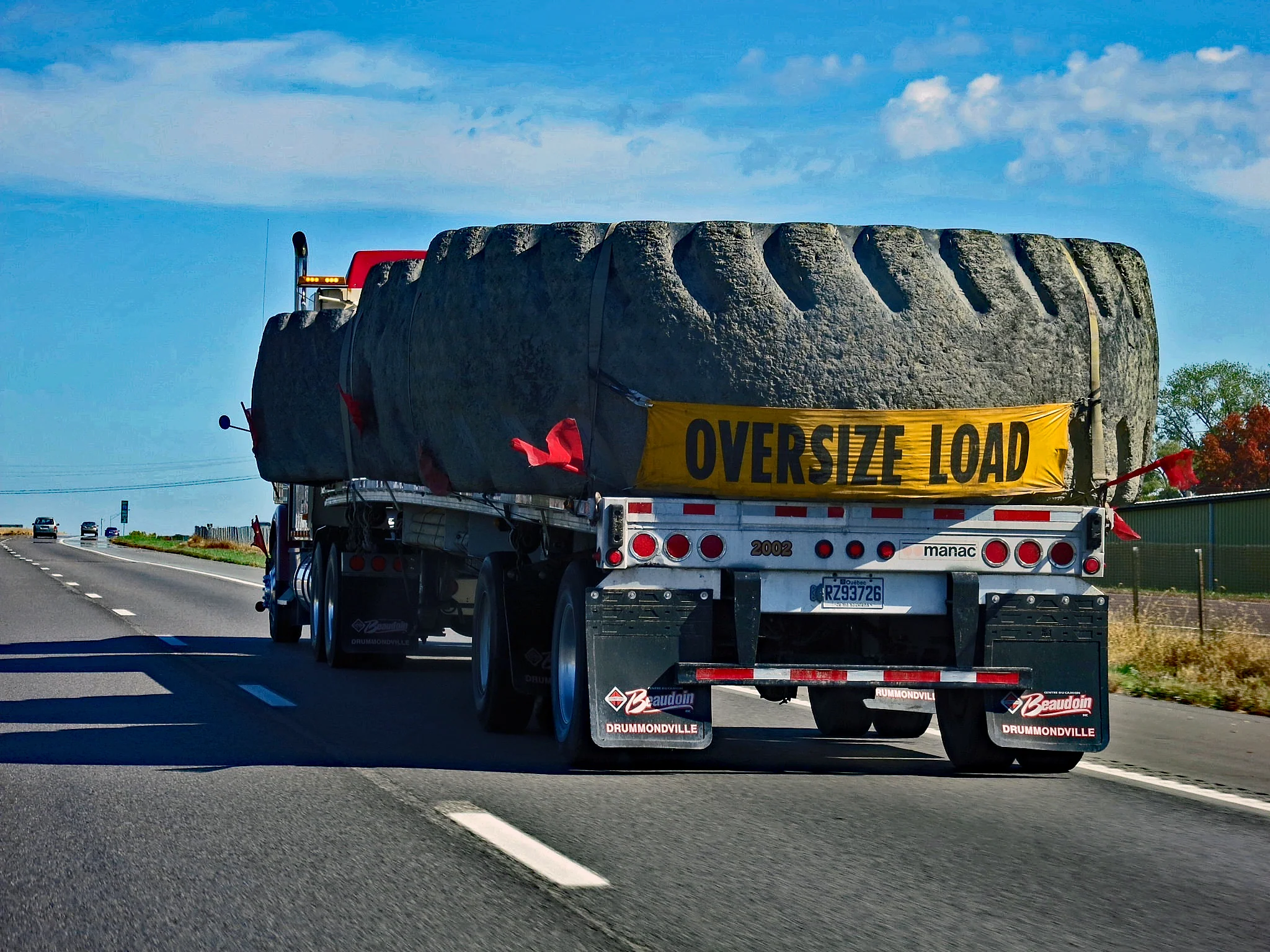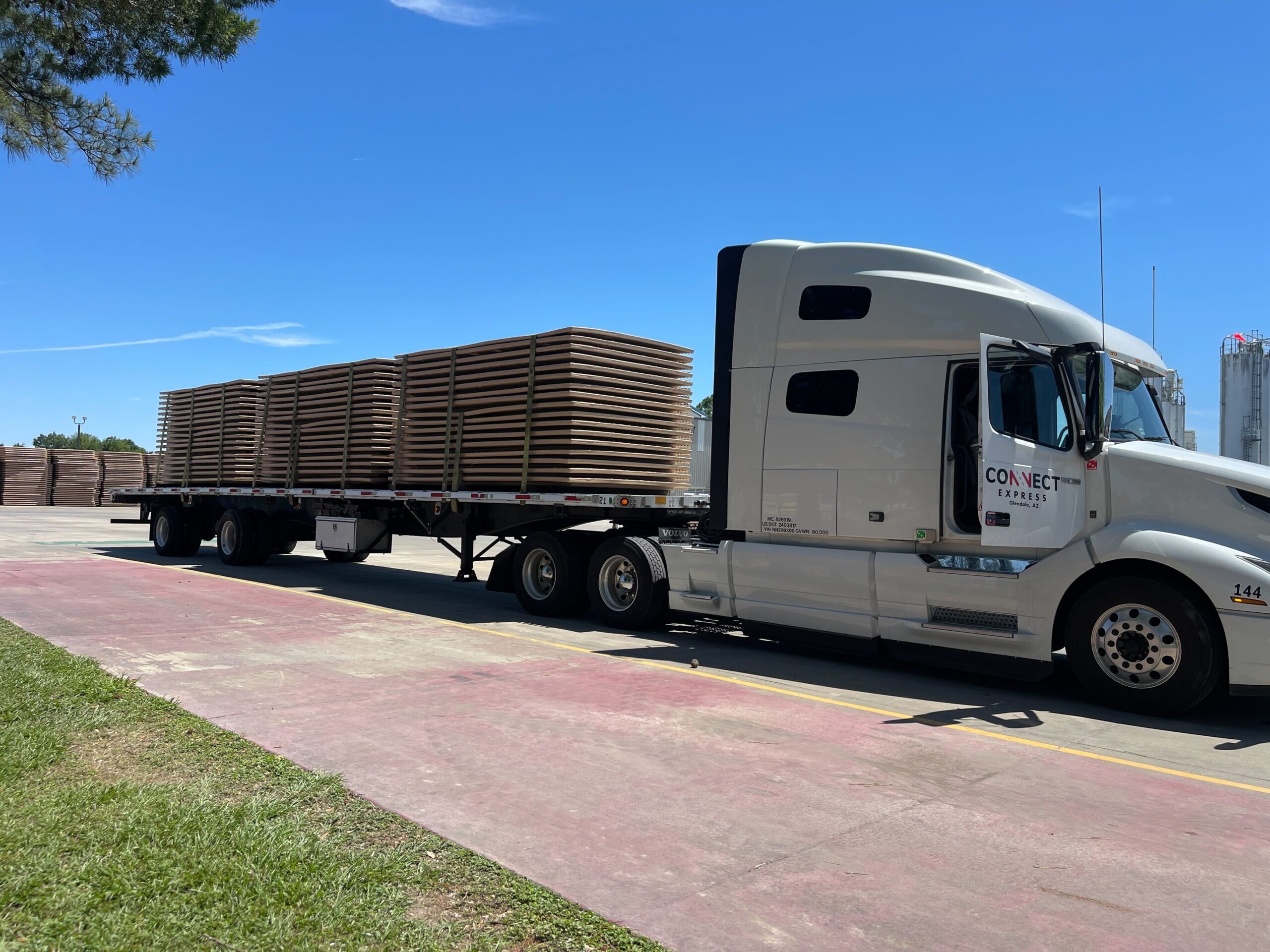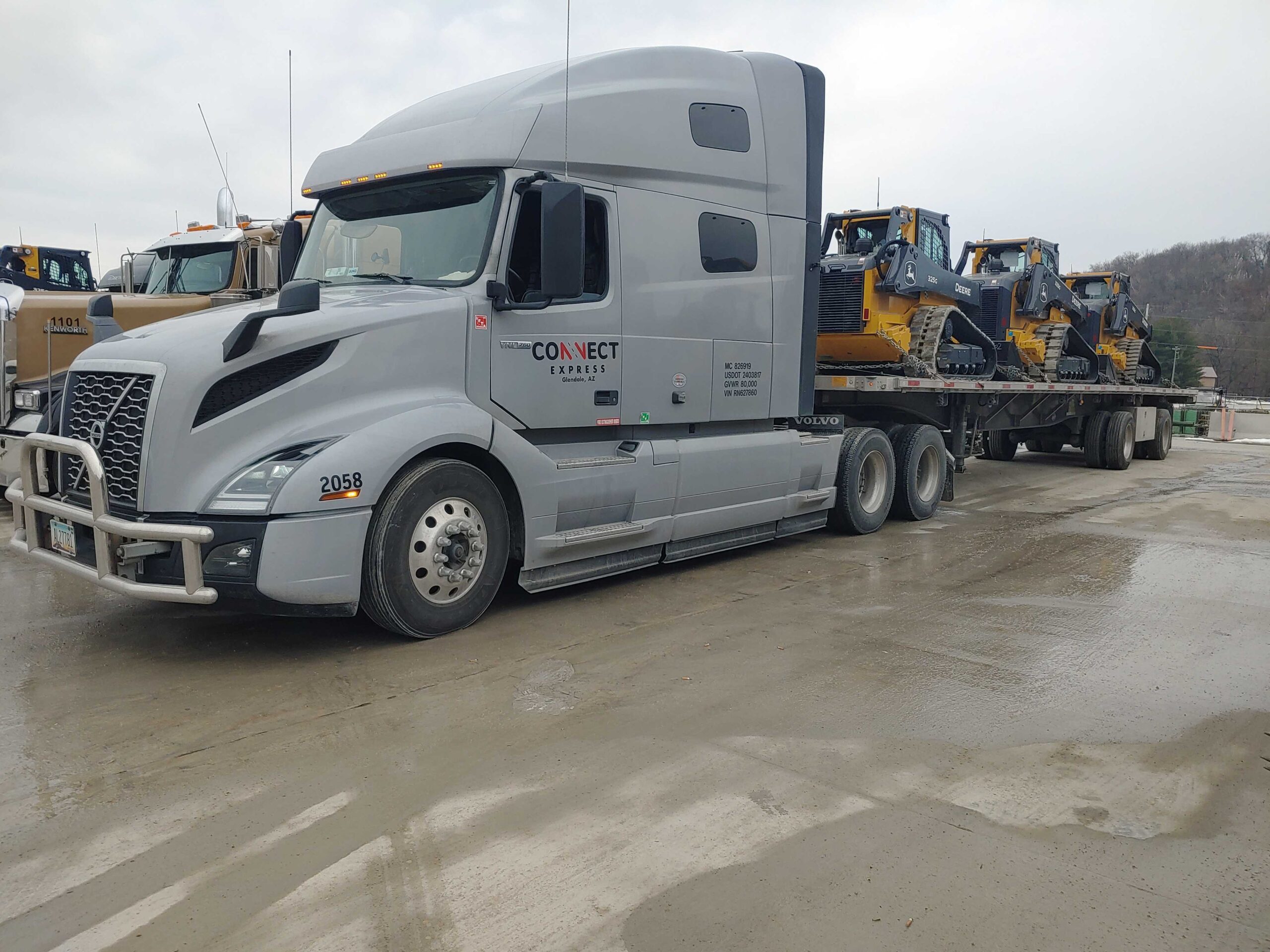

When a load has to move on the same schedule every week, spot market coverage starts to show its limits fast. Missed pickups, late trucks, and weak updates create problems that roll straight into production, inventory, and customer service. That is where the question comes up: what is dedicated freight service, and why do so many shippers rely on it?
For the Arizona shipper’s side of the decision, see dedicated truckload shipping Arizona: when fixed lanes beat spot freight.
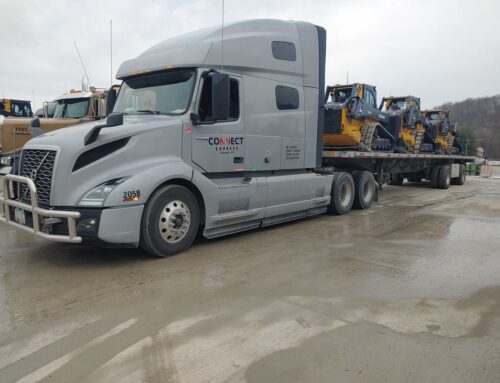
Dedicated freight service means a carrier commits trucks, drivers, and capacity to a specific shipper, lane, or set of lanes. Instead of finding a truck load by load, you have equipment assigned to your freight operation. In plain terms, it is planned capacity, not last-minute coverage.
For shippers with steady volume, repeat routes, or tight delivery windows, that matters. The same type of freight moves on a regular schedule, and the carrier builds around it. That usually leads to better consistency, better communication, and fewer surprises.
What is dedicated freight service in real terms?
A dedicated setup is not just “we will try to cover your loads.” It is a defined transportation arrangement. The carrier reserves resources for your freight and plans those resources around your shipping pattern.
That can look different depending on the operation. Some dedicated programs involve one truck running the same lane every day. Others involve multiple trucks covering regional or nationwide freight on a fixed schedule. In some cases, the driver is familiar with the same pickup and delivery points every week. In others, the fleet is dedicated to one account but works across a set of approved lanes.
The core idea stays the same. Your freight has committed capacity behind it.
This is different from transactional freight. In a transactional setup, each shipment gets covered one at a time. A truck may be available today and gone tomorrow. Service can still be good, but the structure is different. Dedicated service is built for repeatability.
How dedicated freight service works
It usually starts with volume and lane consistency. A shipper has regular freight, known pickup points, known delivery points, and a schedule that repeats often enough to justify assigned capacity. The carrier looks at the lane history, equipment needs, timing, freight type, and service expectations.
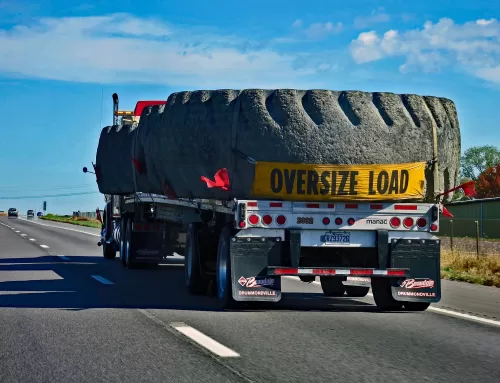
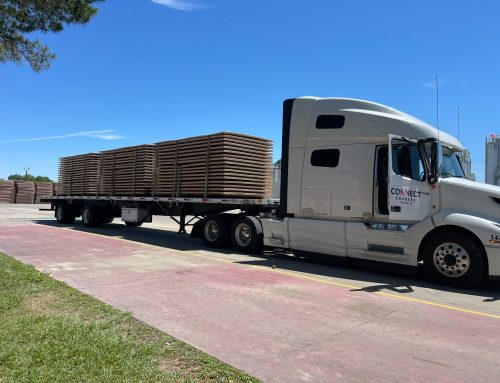
From there, both sides define the operation. How many trucks are needed? What trailer type fits the freight? Is it dry van, reefer, flatbed, or oversized? Are there strict appointment times? Is drop trailer support needed? Are there weekend moves, overnight runs, or seasonal swings?
Once the plan is built, the carrier staffs and dispatches for that account instead of treating the loads like random one-off freight. Drivers know the route. Dispatch knows the customer. Problems get spotted earlier because the operation is familiar.
That familiarity is a big reason dedicated freight works well. The more repeatable the lane, the less room there is for confusion. Pickup procedures are known. Delivery rules are known. The shipper is not explaining the same details to a different truck every week.
When dedicated freight makes sense
Dedicated service is usually a strong fit when freight is consistent enough to support it. If you ship the same lanes every day, every week, or on a predictable cycle, dedicated capacity can stabilize your operation.
It also makes sense when service failures cost more than the load itself. A late truck might shut down a line, miss a retail appointment, spoil temperature-sensitive freight, or create overtime at the dock. In those cases, reliability is not a nice extra. It is part of the job.
Shippers with difficult lanes also look at dedicated options. Some freight is hard to cover consistently in the open market. It may be remote, time-sensitive, specialized, or simply not attractive to random capacity. A dedicated setup gives those lanes structure.
That said, it is not the right answer for every shipper. If your volume is irregular, your lanes change constantly, or your freight comes in unpredictable bursts, a fully dedicated model may be too rigid. Sometimes a hybrid approach works better, with dedicated capacity on core lanes and regular spot or overflow support on everything else.
The main benefits of dedicated freight service
The first benefit is capacity you can count on. When trucks are assigned to your operation, you spend less time wondering who is going to cover tomorrow’s pickup. That helps planners, warehouse teams, and customers downstream.
The second is consistency. The same carrier, and often the same drivers, handle the work repeatedly. That reduces mistakes. Freight gets loaded the right way. Site procedures are followed. Communication gets cleaner because the people moving the freight already know the account.
The third is better visibility. Dedicated operations tend to create stronger communication because the relationship is closer. You get real updates. You know who is handling the load. If something changes, you hear it sooner.
There is also an operational benefit that does not always get talked about enough. Dedicated freight makes planning easier on both sides. Shippers can line up dock schedules and production around dependable transportation. Carriers can plan drivers and equipment more efficiently. That usually leads to steadier performance.
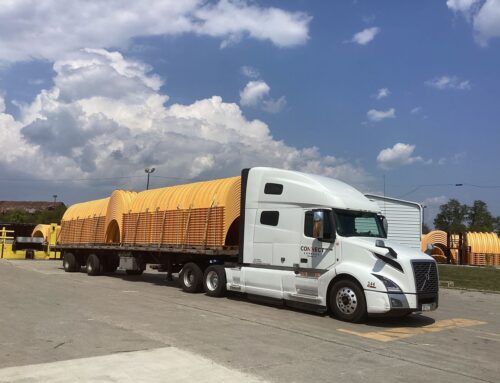
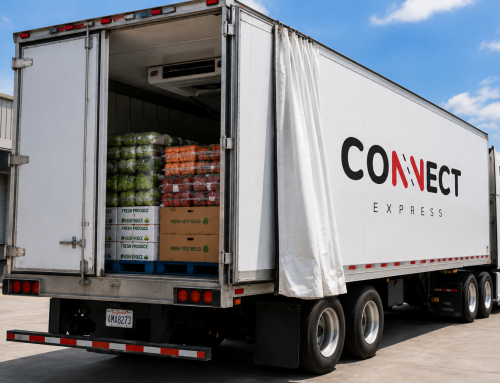
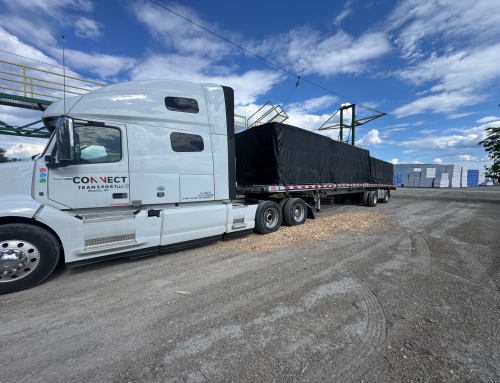
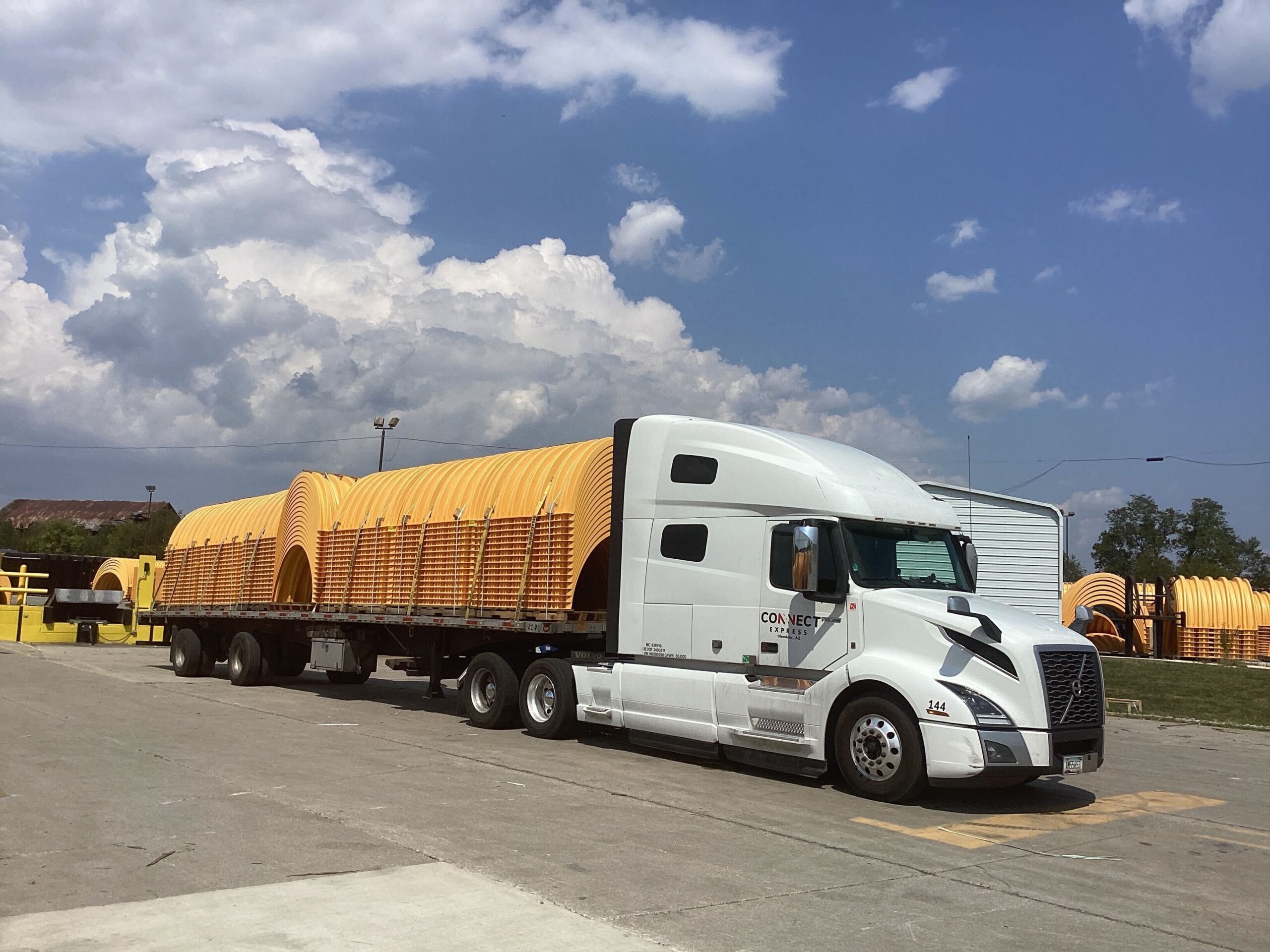
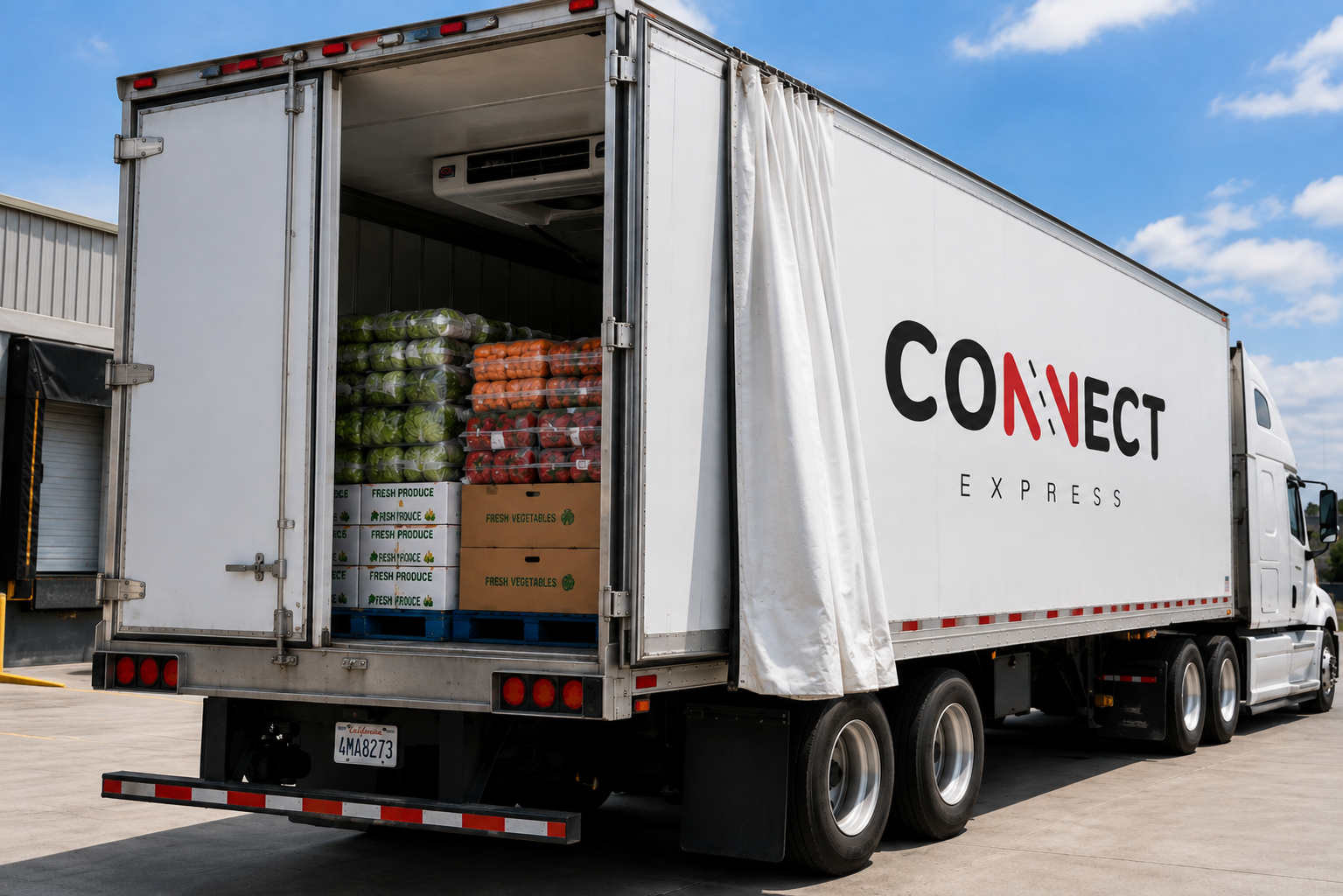
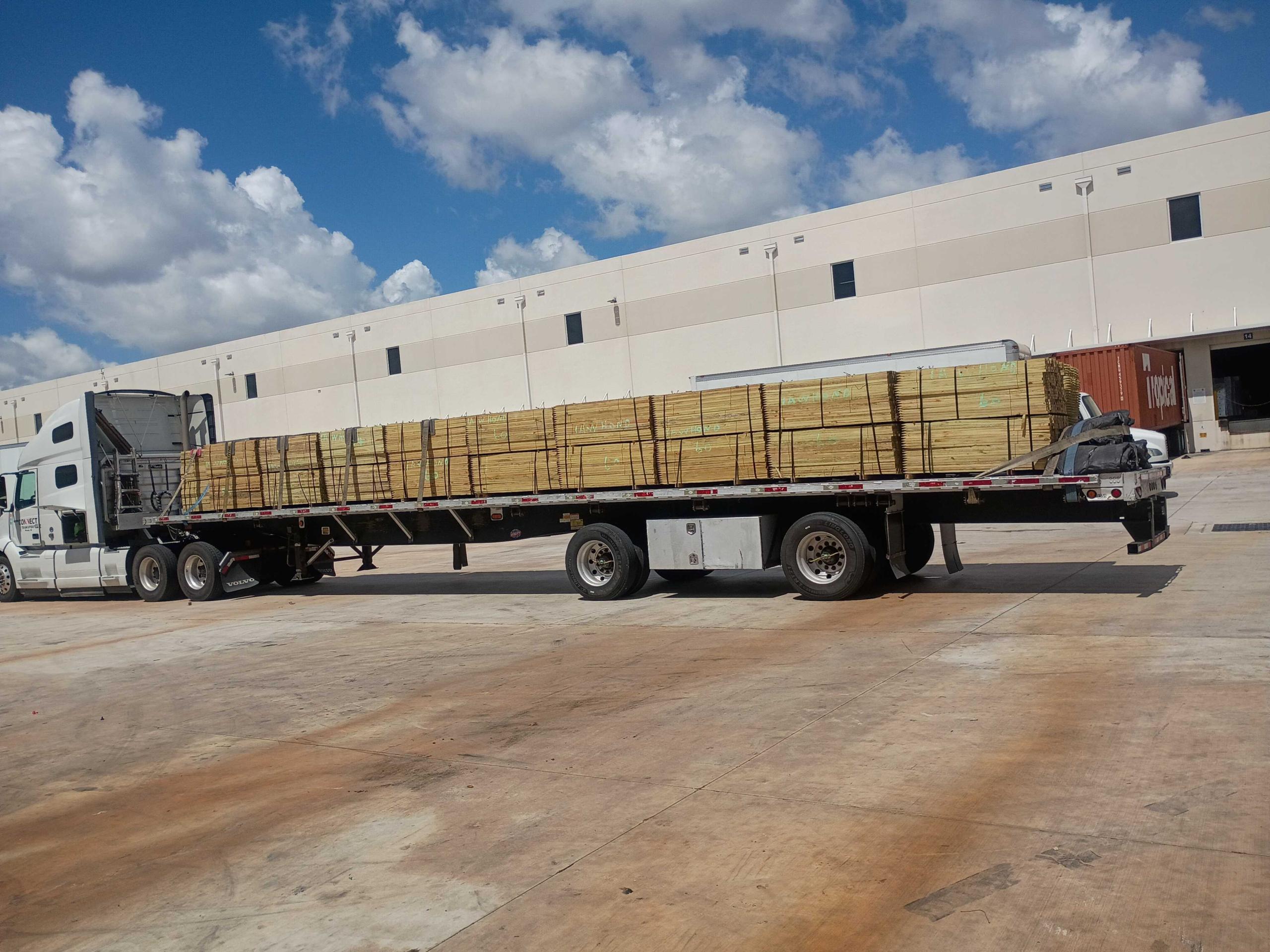
For specialized freight, dedicated service can also improve handling. Reefer loads, flatbed freight, oversized shipments, and other freight that requires more coordination benefit from teams that know the job well. Familiarity cuts down on preventable issues.
What dedicated freight service is not
It is not magic, and it is not a fix for a broken shipping plan. If pickup times change every day, freight is never ready, or volume forecasts are way off, even a dedicated setup will feel pressure.
It is also not the same as having total flexibility at all times. Dedicated capacity works best when there is a real operating plan. If your business changes by the hour, you need a carrier that can adapt, but you also need to be realistic about what dedicated service is built to do.
And it does not mean zero problems forever. Traffic happens. Weather happens. Facilities run behind. The difference is how those issues are managed. A good dedicated carrier communicates early, adjusts fast, and keeps the shipper informed instead of going silent.
Questions shippers should ask before setting up dedicated service
The first question is simple: do we have enough consistent freight to justify it? If the answer is yes, the next step is defining the lanes and service requirements clearly.
Ask what equipment is actually needed and whether the freight profile changes by season. A dry van program is different from reefer service. Flatbed freight brings different securement, loading, and route considerations. Oversized freight adds permits and timing issues.
You should also ask how communication will work day to day. Who handles dispatch? How are updates sent? What happens if a truck is delayed? Dedicated service only works if the operating side stays tight.
Another good question is whether the carrier is using its own trucks and drivers or trying to piece the account together through outside capacity. That matters. A true asset-based operation has more direct control over service.
If your freight runs through Phoenix, Arizona or across the Southwest, that local operating knowledge can help as well. Familiarity with regional lanes, weather patterns, customer facilities, and timing windows often makes execution cleaner.
Why dedicated freight service matters to carriers and drivers too
Dedicated freight is not only good for shippers. It can be better for drivers and carriers when it is set up right. Drivers often prefer steady lanes, familiar customers, and predictable schedules. That can help with retention, accountability, and overall service.
For carriers, dedicated accounts create a more stable operation. Equipment is planned with purpose. Dispatch can stay ahead instead of reacting all day. That usually shows up in performance.
The shipper feels that stability on the other end. Fewer handoffs. Fewer unknowns. Less time spent chasing updates.
So, what is dedicated freight service really about?
At its core, it is about control and consistency. A shipper with repeat freight gets committed capacity instead of hoping the next truck will work out. The carrier builds around the lane, the schedule, and the service standard. That does not remove every challenge, but it puts real structure behind the freight.
For companies that cannot afford missed pickups, vague updates, or constant coverage issues, dedicated freight service is often the better fit. Not because it sounds better on paper, but because it keeps the operation steady when the freight has to move.
If your loads run the same lanes week after week, the real question may not be what is dedicated freight service. It may be whether your operation has reached the point where planned capacity makes more sense than guesswork.