If the same Arizona freight goes out for bid every week and gets covered by a different truck each time, you are paying for that in time and uncertainty. Weekly plant pulls, recurring DC replenishment, and steady Phoenix-to-Tucson or West Valley store runs are the kind of freight that leads shippers to look at dedicated truckload shipping Arizona options instead of starting from zero on every load.
Connect Express LLC has been moving truckload freight since 2013. We are based in Glendale, Arizona at 5701 W Maryland Ave, and we serve Phoenix metro and West Valley shippers with flatbed, refrigerated, dry van, overdimensional, and dedicated service across the 48 contiguous states. This guide is for shippers deciding whether recurring lanes justify reserved capacity, and what information makes that first conversation useful. It is not a driver recruiting page. When you are ready, use the contact page or call 480-401-1998.
1. What dedicated truckload shipping Arizona usually means
Dedicated truckload means capacity is set aside for your freight on named origin–destination pairs at an agreed cadence. Spot freight is priced and covered one load at a time. With dedicated, you and the carrier plan around a known pattern, such as a set number of weekly pulls from a Glendale warehouse to a Tucson distribution center, or a recurring loop between a West Valley plant and customer docks across the metro.
In practice, dedicated arrangements can look different from one shipper to the next:
- Reserved weekly pulls on one or more fixed lanes
- Assigned equipment (for example, a dry van trailer pool staged at your dock)
- Consistent pickup and delivery windows both sides plan around
- A single dispatch contact who already knows your docks, appointment rules, and freight
Dedicated is not a magic capacity switch, and it does not remove the need for clear communication. It works when the freight pattern really repeats. For a plain-language definition, see our explainer on what dedicated freight service is. For the mechanics of how a lane is set up and run, read how dedicated freight lanes work. This article stays focused on the Arizona shipper’s decision.
2. When fixed lanes beat spot freight
Signals that point to dedicated
Fixed lanes usually make sense when several of these are true:
- Cadence: the lane moves weekly, or several times a week, most of the year.
- Volume consistency: pull counts swing within a predictable range instead of jumping from zero to ten.
- Appointment windows: receivers enforce tight windows, and missed appointments cost you chargebacks or reschedules.
- Dock dwell: long live-load or live-unload times make carriers hesitant to take the lane on spot.
- Customer SLAs: your own customers expect on-time delivery that you cannot keep if coverage changes every week.
Federal hours-of-service rules limit how long a driver can drive and stay on duty. Because hours are tracked on electronic logging devices, long dock delays come straight out of a driver’s available time. Predictable lanes with predictable dwell are easier to plan around that limit. Dedicated planning works best when both sides respect it.
When spot still wins
Spot coverage is still the better fit for one-off moves, irregular project freight, sudden seasonal surges, and lanes where volume is too thin to keep a truck productive. Many shippers run a mix: dedicated for the base load, spot for the peaks. Market data such as DAT Trendlines and the BTS freight indicators can help you see how spot and contract conditions are moving. For sizing the base load, our dedicated capacity planning guide walks through the math conceptually.
3. Facts to send dispatch before a dedicated conversation
The fastest way to get a useful answer is to send the lane facts up front. Before you reach out, gather:
- Origins and destinations with ZIP codes, including every stop if the run is multi-stop.
- Weekly pull count, plus normal low and high weeks.
- Equipment: dry van, refrigerated (with set point), or flatbed (with securement notes).
- Loading method: drop-and-hook with a trailer pool, or live load and live unload.
- Dock hours and appointment rules at both ends.
- Seasonality: which months spike or slow down, and by roughly how much.
- Must-arrive windows that are real, not “ASAP.”
- Freight profile: commodity, pallet count, typical weight, and anything that cannot be stacked or double-stacked.
Drop-and-hook versus live loading is often the biggest operational variable. A staged trailer lets your team load on its own schedule. Live loading ties the truck to your dock’s speed. Be candid about which you can support.
Glendale is our headquarters and dispatch point. Phoenix and the West Valley describe the service area we cover, not a second office. We do not publish rate tables. Pricing depends on the lane, the cadence, and the equipment you send us. If you want a sense of what drives carrier cost on any lane, ATRI’s operational costs of trucking analysis is a solid public reference.
4. Equipment and lane geography that shape Arizona dedicated
Dry van as the default
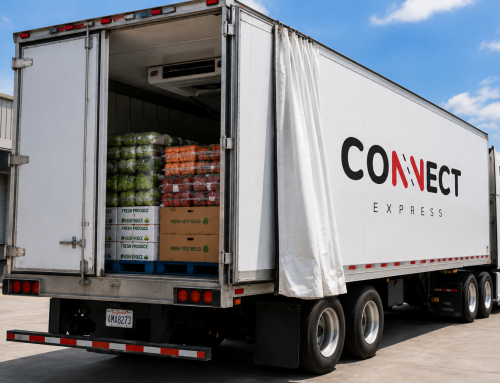
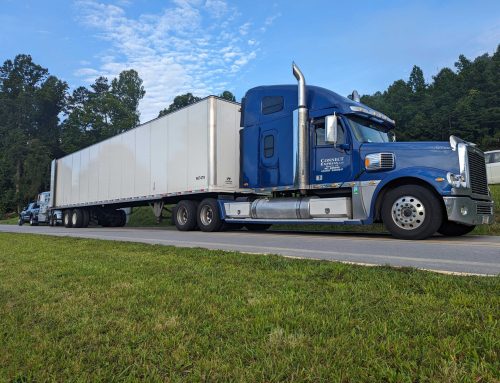
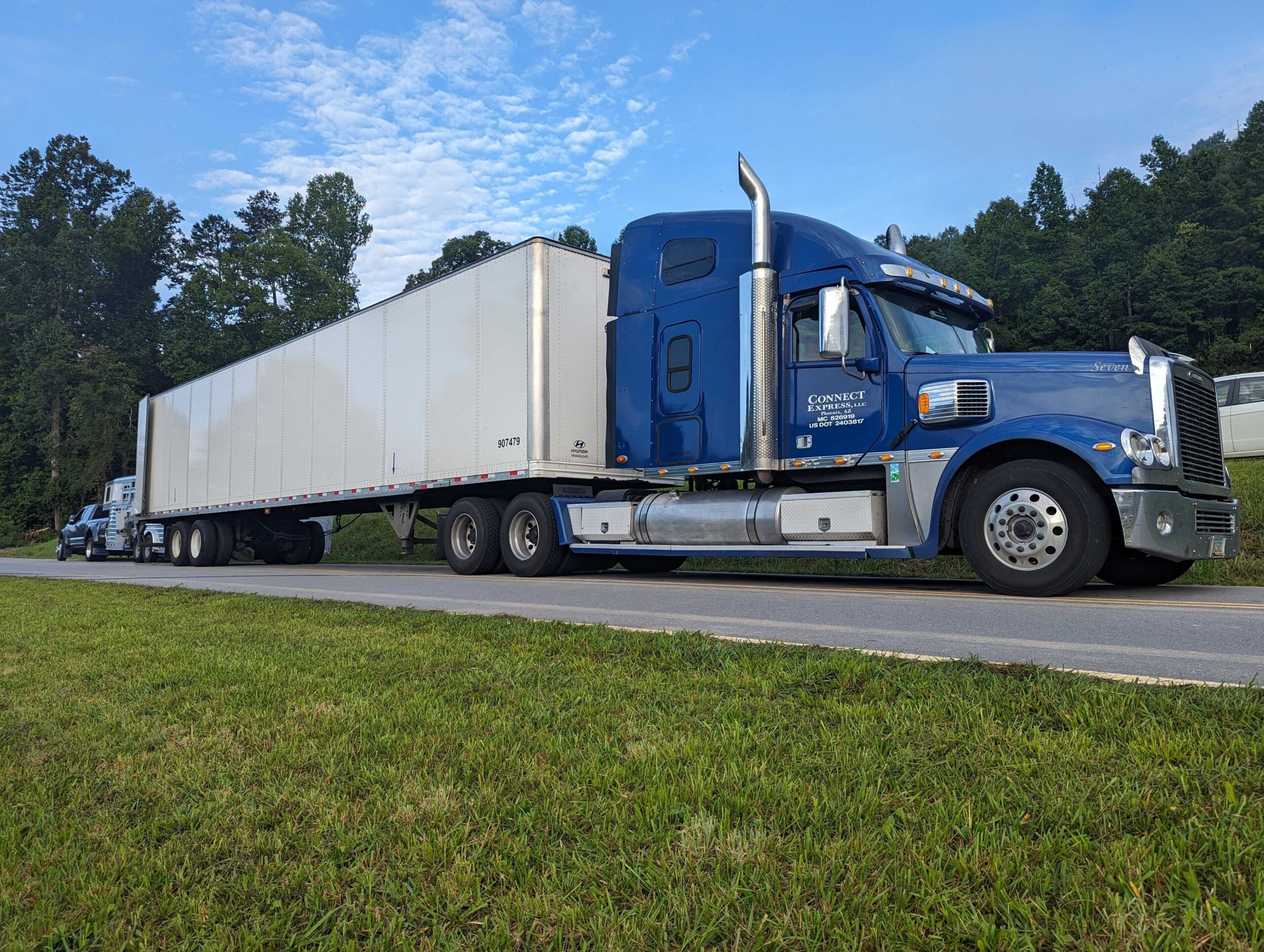
Most recurring retail, consumer goods, packaging, and palletized manufacturing freight moves in enclosed 53-foot trailers, so dry van is the usual starting point for dedicated conversations.
Reefer, flatbed, and oversize
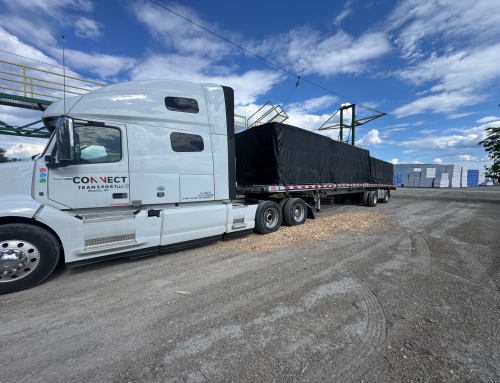
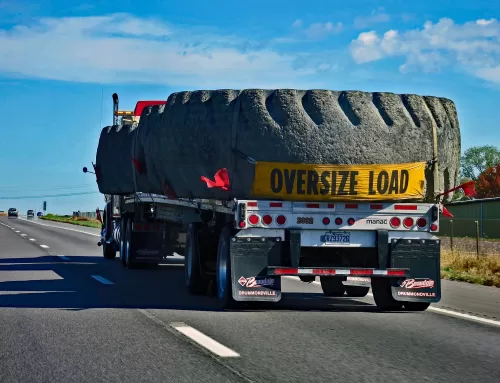
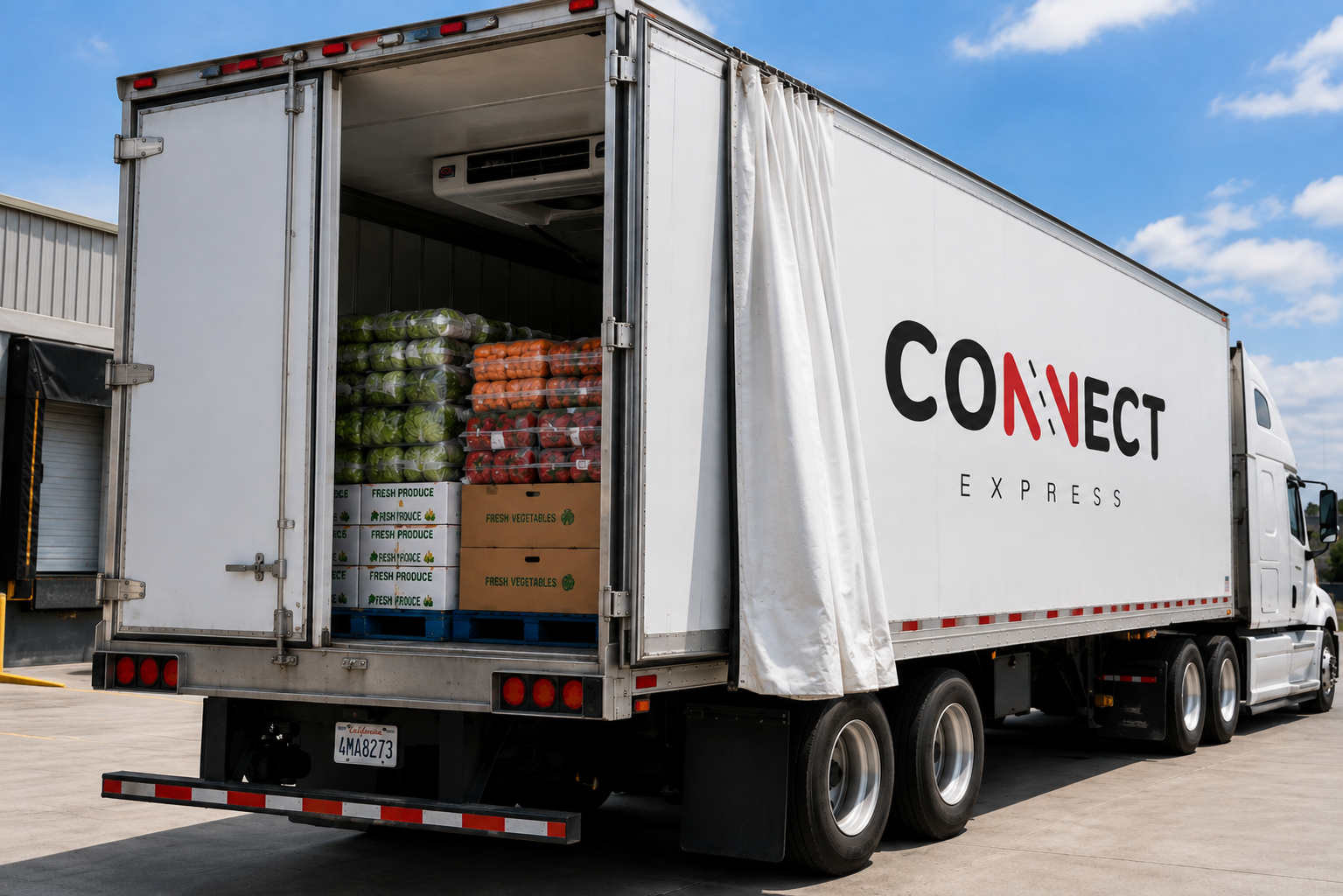
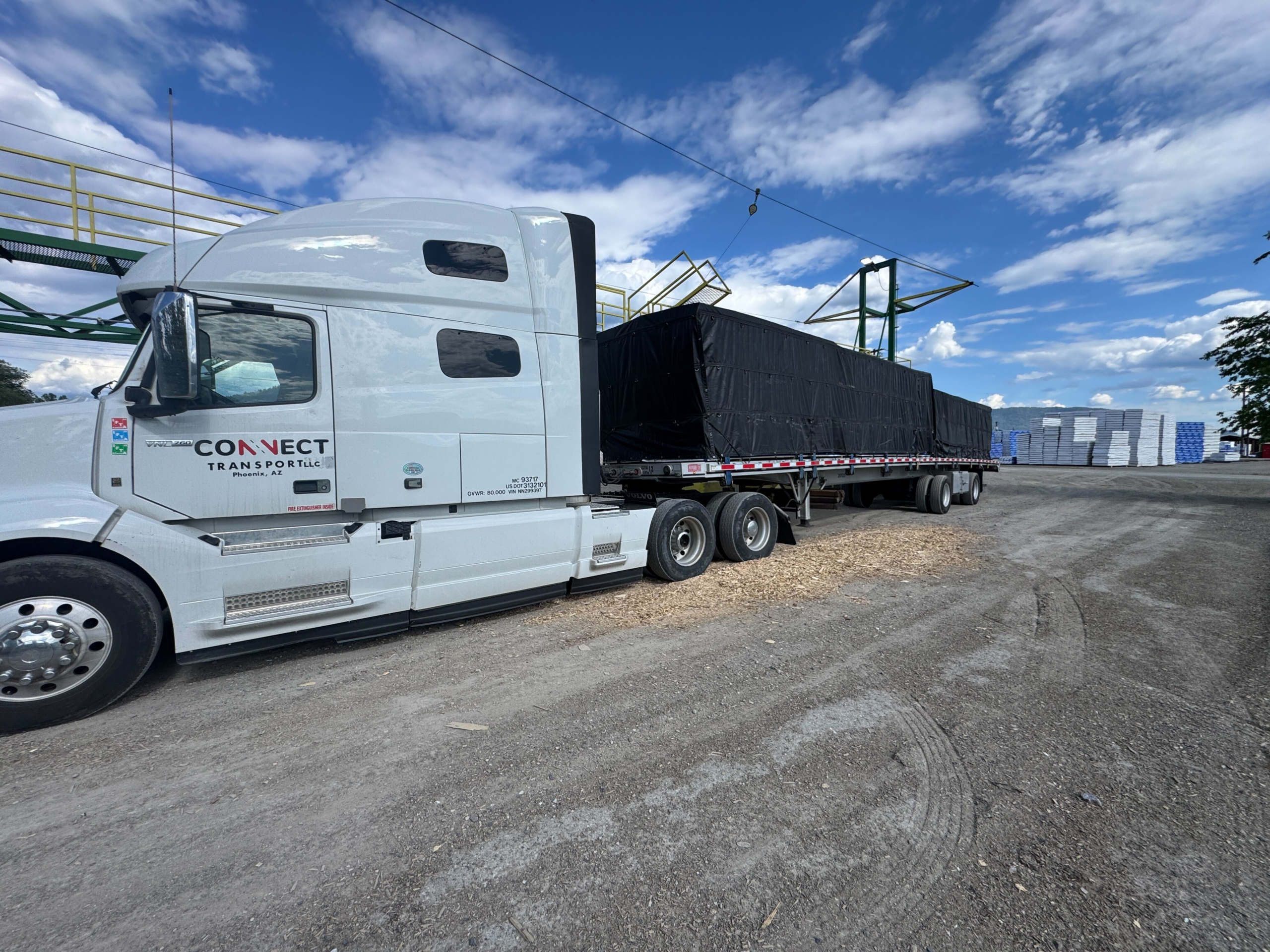
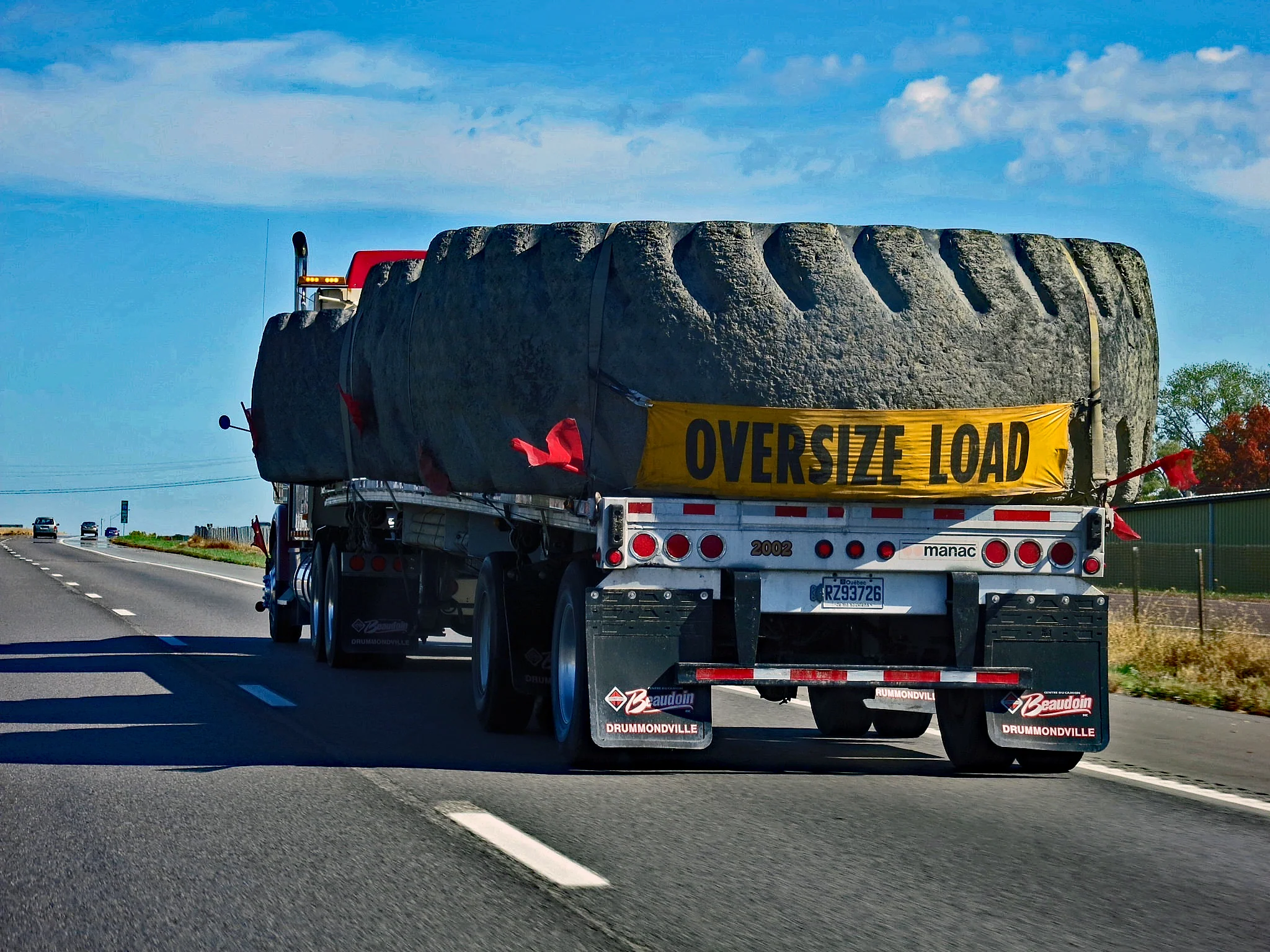
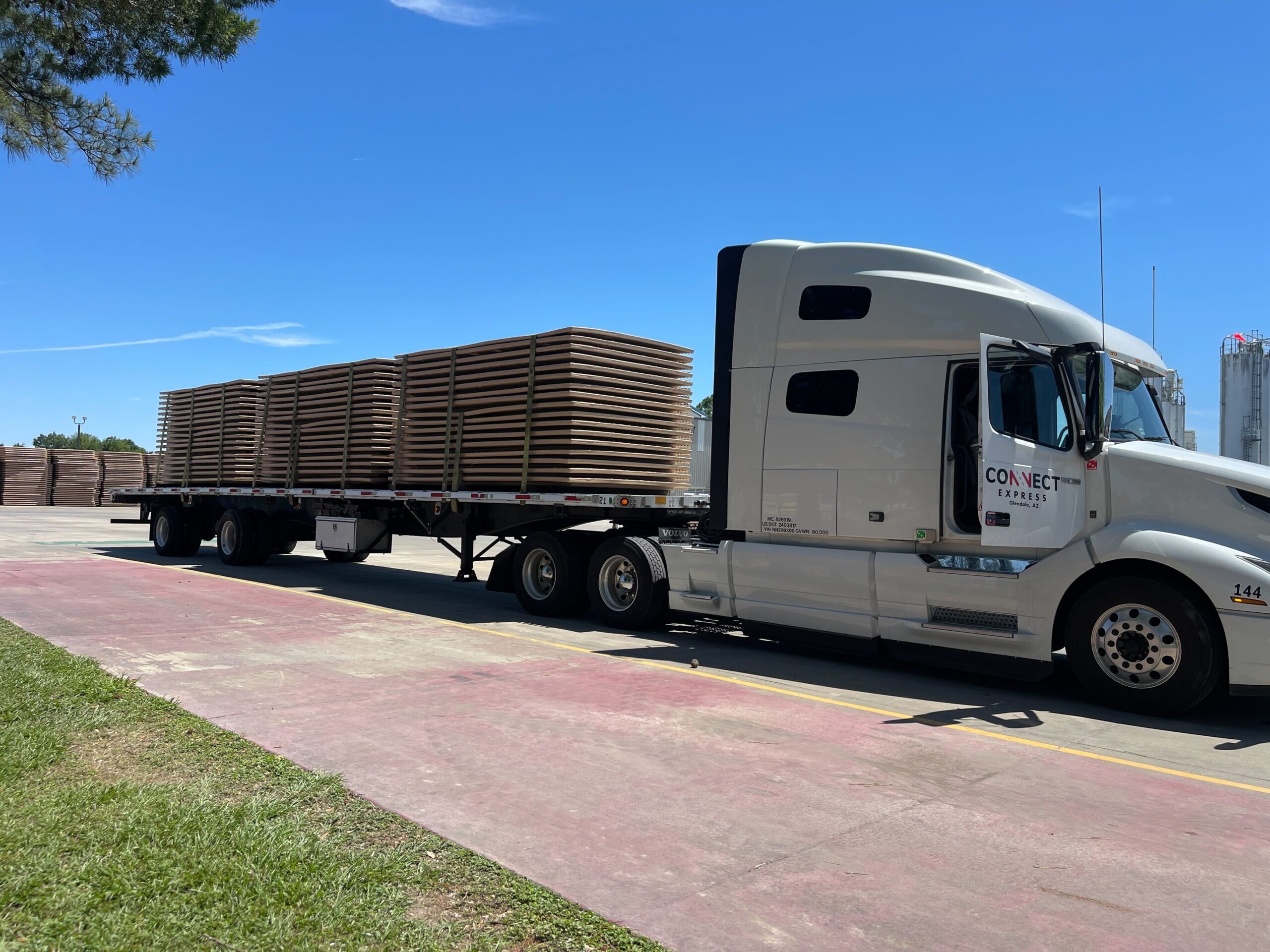
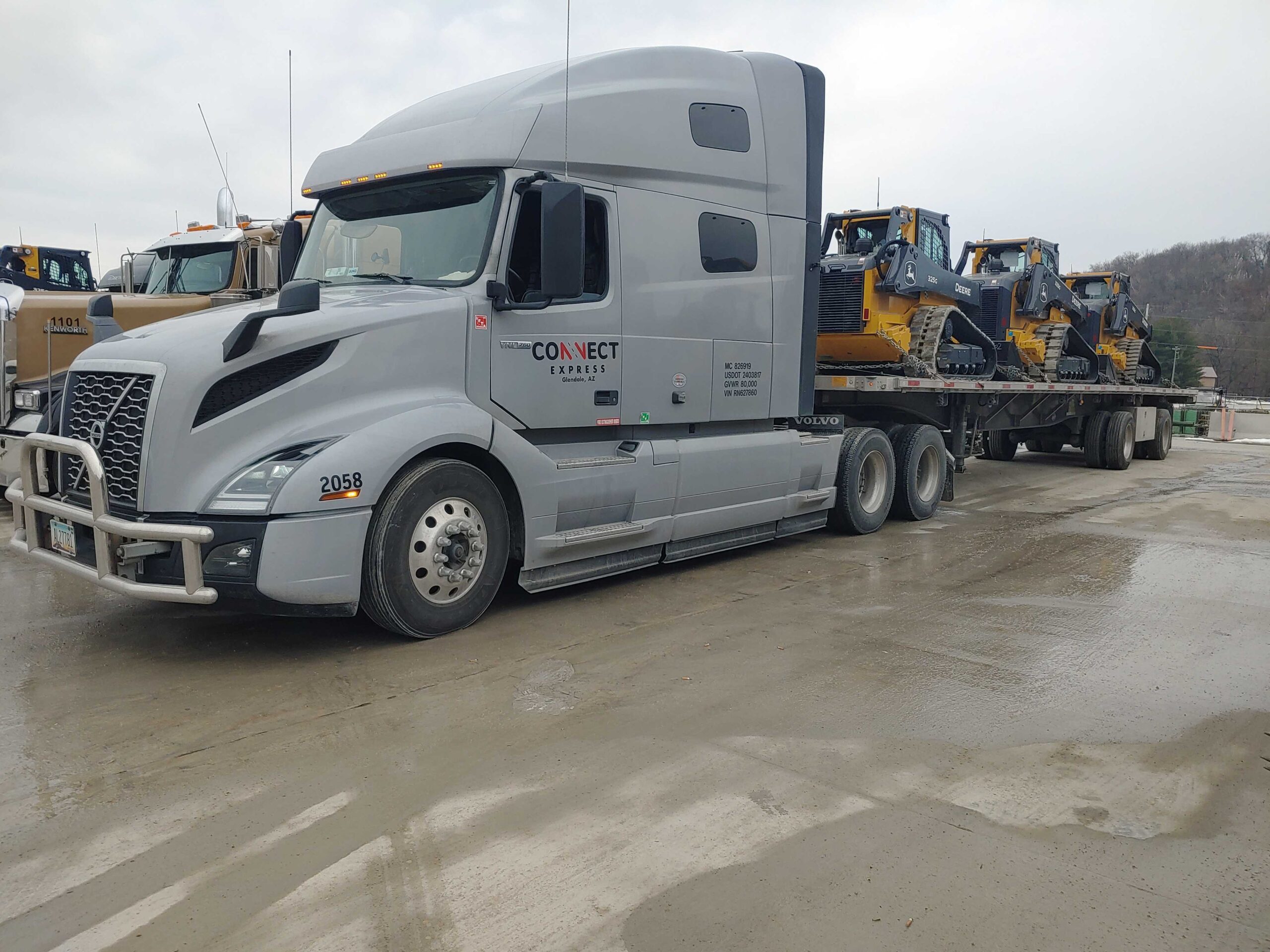
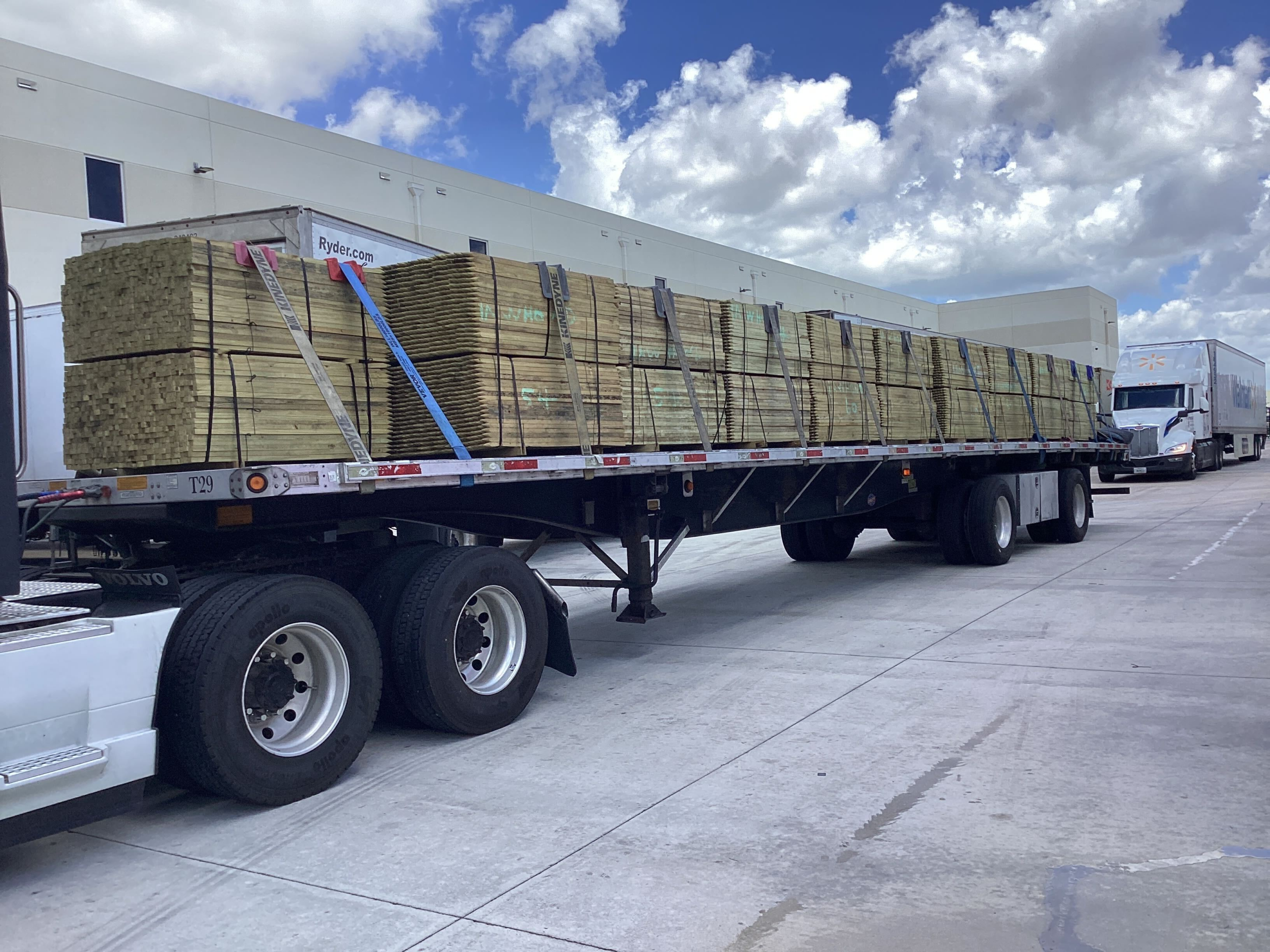
Food, beverage, and other temperature-sensitive freight needs refrigerated transportation, and Arizona summer heat makes that decision easy for many products. If you are unsure, compare dry van vs. reefer before you settle on a lane plan. Steel, lumber, pipe, and building materials for repeat jobsite deliveries usually call for flatbed transportation and proper cargo securement. Loads that exceed legal dimensions are a separate overdimensional conversation, governed by ADOT oversize/overweight permits. They are rarely a fit for a standard dedicated loop.
In-state and regional corridors
Arizona dedicated lanes often run inside the state, between the Phoenix metro, Tucson, and northern Arizona, or out on regional corridors like I-10 toward Texas and California. Our overview of Texas–Arizona freight lanes covers one common regional pattern. ADOT’s Arizona State Freight Plan and the BTS Freight Analysis Framework show where freight moves across the state and the region. AZ511 is the place to check closures and construction that can affect a lane’s weekly timing.
5. Dedicated, spot, or mixed: a quick decision fork
Use this simple fork before you commit:
- Repeating volume, stable cadence, known docks → start a dedicated conversation.
- Repeating lane but volatile volume → consider a mixed plan: a dedicated base plus spot for overflow.
- Sporadic, one-off, or project freight → stay on spot until a pattern shows up.
If you are still weighing the trade-offs, our article on when dedicated truckload services make sense covers the decision in more depth. When you are ready to compare carriers, use our guide on how to find dedicated trucking that delivers.
Whatever you decide, check any carrier’s public record first. Look up operating authority and safety data on FMCSA’s SAFER Company Snapshot and the CSA program site, and review how FMCSA registration works. Verify current status yourself rather than relying on any carrier’s marketing, including ours.
6. Manufacturers and multi-stop cadence notes
Arizona’s manufacturing sector, as profiled by the Arizona Commerce Authority, produces exactly the plant-to-DC and plant-to-customer pulls that suit dedicated planning. A few notes for manufacturers:
- Trailer pools at the plant let production load on its own schedule instead of waiting on an inbound truck.
- Multi-stop runs need stop order, per-stop appointment windows, and unload method spelled out for every stop.
- Appointment reliability at the receiver matters as much as pickup reliability. Share chronic problem docks early.
- Production changes, such as new shifts, shutdown weeks, or line changeovers, should reach dispatch before they hit the dock.
For a deeper look at lane selection for plants, see how to choose the best dedicated lanes for manufacturers.
People also ask: dedicated truckload shipping in Arizona
What is the difference between dedicated truckload and spot freight?
Dedicated truckload reserves capacity for your recurring lanes at an agreed cadence. Spot freight is priced and covered one load at a time at current market conditions. Dedicated trades flexibility for predictability.
How much freight do I need for dedicated trucking in Arizona?
There is no universal minimum. The question is whether a lane repeats consistently enough to keep equipment productive. Steady weekly pulls on the same origin–destination pairs are a good sign. Send your lane facts and dispatch can tell you whether dedicated, spot, or a mix fits.
Is dedicated truckload more expensive than spot?
Not necessarily. Spot pricing moves with the market, while dedicated pricing reflects a planned lane and cadence. Which costs less over a year depends on your volume, consistency, and how volatile the spot market is on your lanes.
What equipment can be used for dedicated truckload in Arizona?
Dry van is most common, but dedicated lanes can also run refrigerated or flatbed equipment when the freight repeats. Overdimensional freight usually needs permits for each move and is handled separately.
Can a Phoenix or Glendale carrier run dedicated lanes outside Arizona?
Yes, when the lane fits. Connect Express LLC is headquartered in Glendale and serves shippers across the 48 contiguous states, including regional corridors like Texas–Arizona.
Request dedicated truckload shipping help from Connect Express LLC
Send us your lanes, ZIP codes, weekly pull count, equipment, loading method, dock hours, seasonality, and must-arrive windows. We will review whether a dedicated, spot, or mixed plan fits. We do not promise rates or capacity before we have seen the freight. Contact Connect Express LLC or call 480-401-1998.
Connect Express LLC
5701 W Maryland Ave, Glendale, AZ 85301
Phone: 480-401-1998
Email: admin@connectexpressllc.com
Office hours: Monday–Friday, 8:00 a.m.–4:00 p.m.
Drivers interested in working with us should apply through our careers page. The contact form above is for shippers.
Clear lane facts lead to better dedicated decisions
Dedicated truckload shipping Arizona programs work when the freight really repeats: steady cadence, consistent volume, and clear dock and appointment facts. Send those details and you get a useful conversation instead of a string of follow-up questions. Arizona shippers can reach our Glendale dispatch through the contact page or at 480-401-1998.