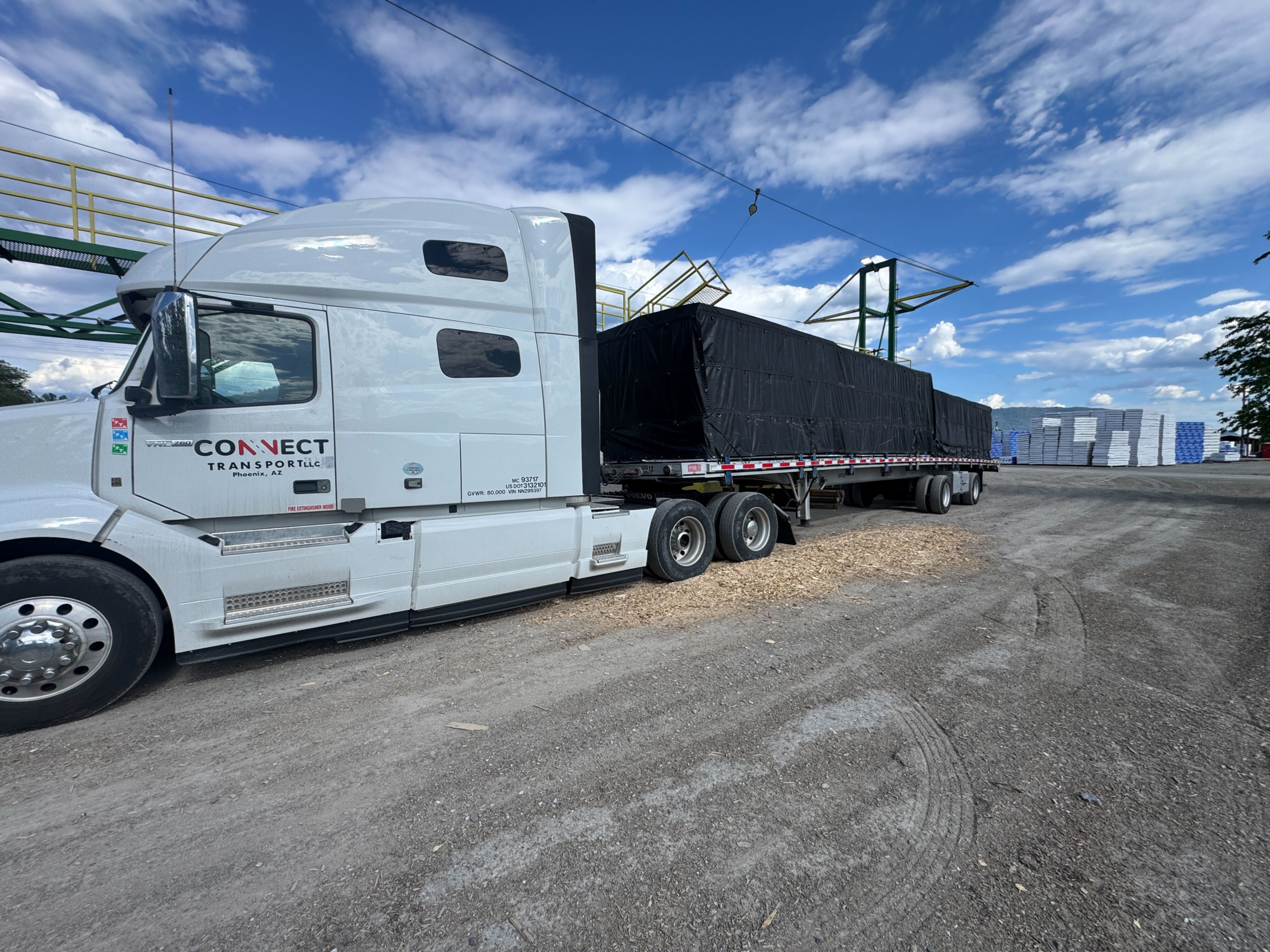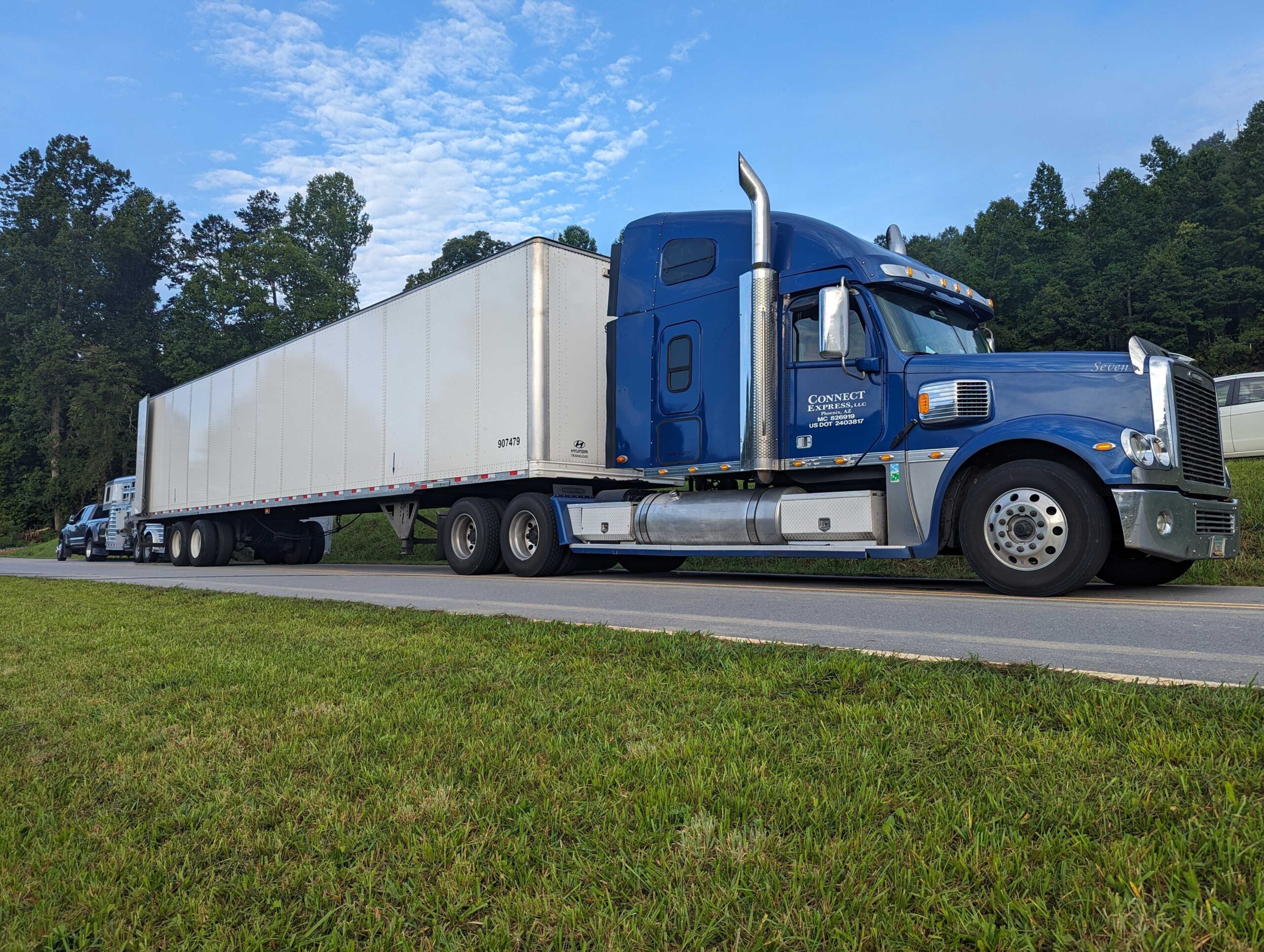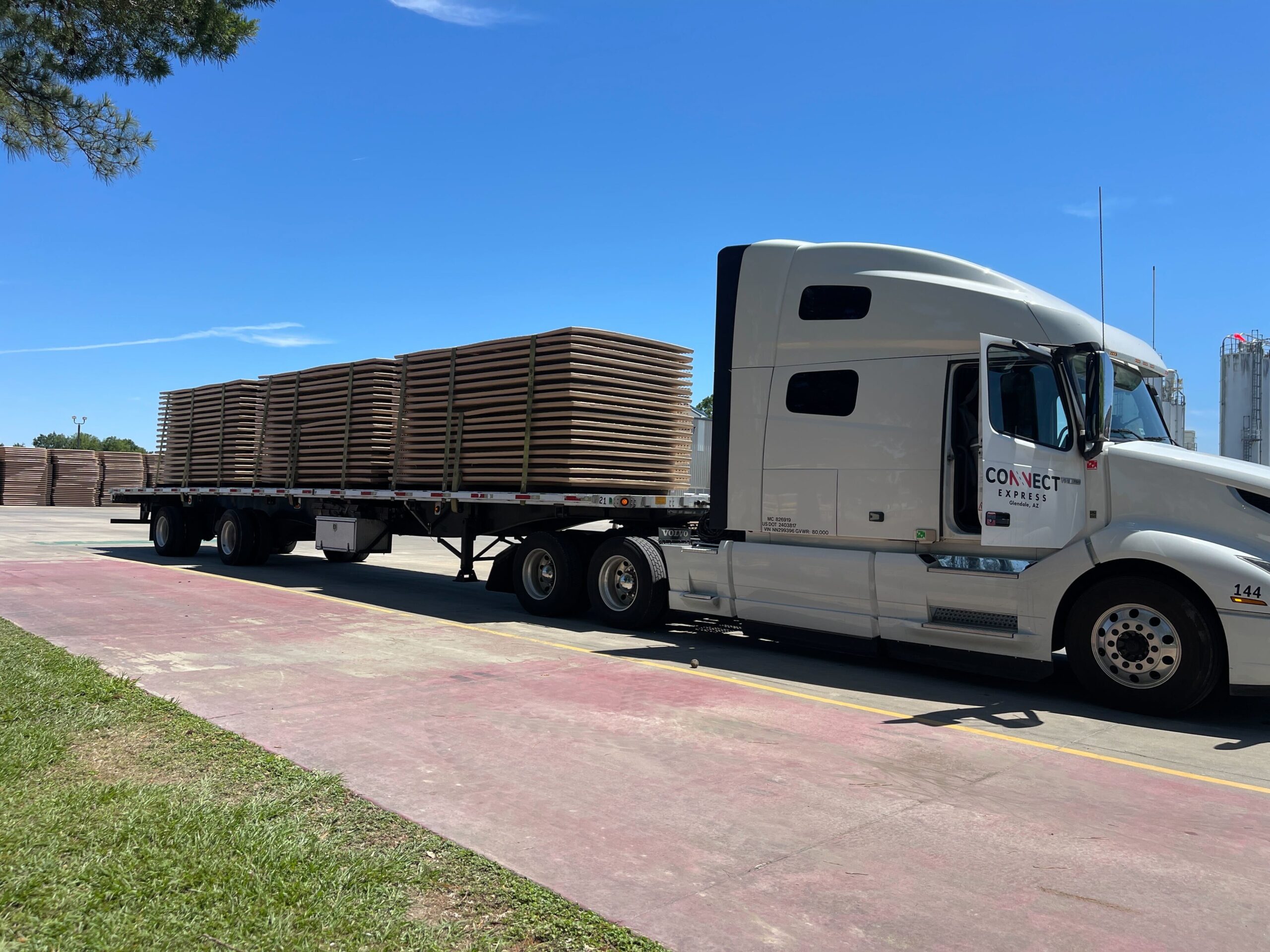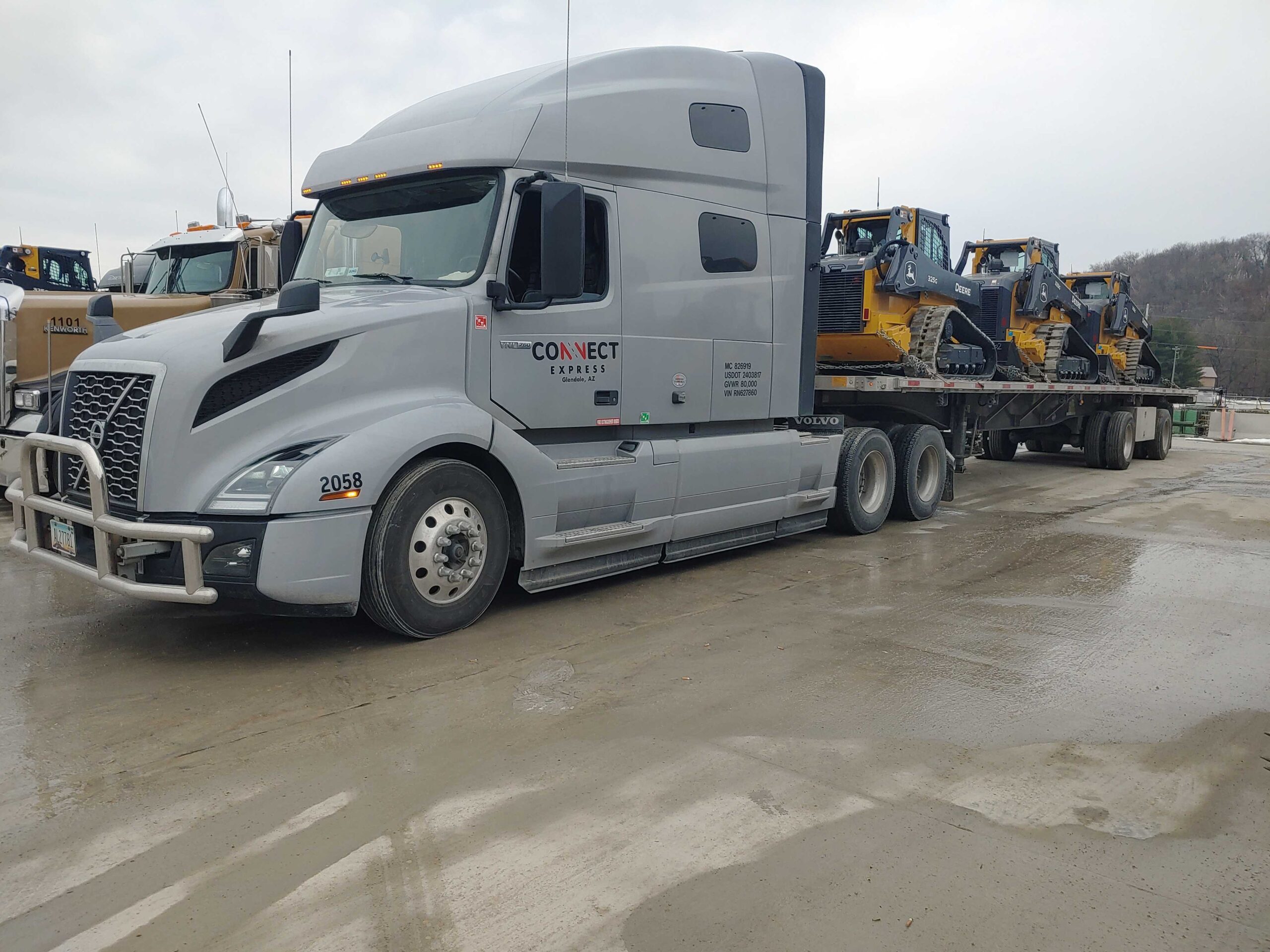

The truck is at the door, but the freight is not staged or the dock is not ready — and the driver’s clock is already running. Detention in trucking is the name shippers and carriers usually give to that extra waiting at pickup or delivery. This guide explains what the term means, why it matters under federal hours-of-service rules, and what a shipper can do before and during a live load. Missed or stacked appointments are a common trigger; see our guide to missed delivery appointments. To talk through a pickup or delivery window, contact Connect Express or call 480-401-1998.
What Detention in Trucking Means
Detention is a commercial term for extra waiting at pickup or delivery, not a fee schedule written into the Federal Motor Carrier Safety Regulations. In everyday use, it means the driver is waiting beyond the loading or unloading time allowed in the agreement or rate confirmation. That allowed time, when it exists, is a contract term for that shipment. If a free-time period or a notification rule appears, it should come from the documents that cover the load, not from a customary figure repeated at the dock.
How FMCSA Has Described Detention
The Federal Motor Carrier Safety Administration has written about detention as an operations and safety issue, not as a billed rate. In a 2019 Federal Register request for information, FMCSA described detention as delays in the start of the loading and unloading process that disrupt the driver’s available driving or on-duty time. The same notice says studies have often been unable to separate ordinary loading and unloading time from delay, so a study average should not be treated as a rule.
Why Detention Matters for the Driver’s Clock
Waiting still occupies the driver’s workday, even when no contract term is triggered.
Loading, Unloading, and Waiting Are On-Duty Time Under 49 CFR 395.2
Under 49 CFR 395.2, on-duty time covers more than driving. It includes time waiting at a shipper’s or carrier’s facility to be dispatched (unless the carrier has relieved the driver from duty) and time spent loading or unloading, attending the truck while it is loaded or unloaded, staying ready to drive, or handling shipment receipts.
Whether a specific wait counts as on-duty can depend on whether the carrier has relieved the driver from duty.
The 14-Hour Window Does Not Pause for Dock Time
Under 49 CFR 395.3(a), a property-carrying driver may not drive without first taking 10 consecutive hours off duty, may not drive after 14 consecutive hours after coming on-duty following that off-duty period, and may drive a total of 11 hours during that 14-hour period. Those 14 hours are a running clock from the time the driver comes on-duty. They do not pause while the truck sits at a door. A long wait at pickup or delivery can use up that window even when little of it is driving time.
What Federal Rules Do and Do Not Set
49 CFR Part 395 limits driving and on-duty time. It does not set a detention rate or a standard period of free time, and it does not tell a shipper when a clock starts for billing purposes. When free time, notification, or detention charges appear, they are contract terms in the rate confirmation or shipping agreement, if the parties have agreed to them. Read those documents for the shipment in front of you rather than assuming a market custom. The bill of lading and related paperwork are covered in our guide to shipping documents.
Where Detention Shows Up on a Truckload Move
The pattern is similar on a dry van or refrigerated transportation shipment: the driver is at the facility, and loading or unloading has not started, or cannot finish, on the planned window.
At Pickup
Waiting often starts when freight is not staged, paperwork is not ready, an appointment was missed or stacked, or the live-load crew or equipment is not available when the driver checks in. Planning the load before the truck arrives is covered in our guide on how to load a dry van trailer. For temperature-controlled freight, product and set-point details need to be ready as well; see how to schedule reefer pickups.
At Delivery
Waiting also happens when the receiver is not ready, the appointment window is tight, or unloading is delayed after the truck has arrived. Tight or missed windows are one of the missed delivery appointments issues shippers already plan around. For what a dock-to-dock handoff does and does not include, see dock to dock delivery.
Live Load vs Drop-and-Hook
On a live load, the driver waits while your crew loads or unloads. A preloaded, dropped trailer can reduce that waiting when the operation supports it. Our guide to drop and hook trucking covers when that setup fits. Drop-and-hook does not eliminate detention by itself. If the next trailer is not ready, or the yard cannot accept a drop, the driver can still wait.
How Shippers Can Reduce Detention
- Confirm a realistic appointment and have the product, crew, and dock door ready when the driver checks in. Our notes on shipper communication start with sharing the window clearly.
- Have the bill of lading, piece count, and access instructions complete before the truck arrives. The shipping documents guide walks through the core paperwork.
- If the load will not be ready, say so early. Late notice still burns the 14-hour window described in 49 CFR 395.3.
- For recurring volume, a dedicated trucking lane can make appointment patterns more predictable; see how to set dedicated lanes. Dedicated service does not, by itself, prevent detention.
What to Put in the Agreement — and What Not to Assume
If detention terms matter to the move, they belong in the written agreement: what starts the clock, how notification works, and how any charges are calculated. After a long wait, keep factual notes with the shipping documents — appointment time, arrival, check-in, and departure.
Frequently Asked Questions
What is detention in trucking?
Detention is a commercial term for extra waiting at pickup or delivery, usually beyond the loading or unloading time allowed in the agreement or rate confirmation. It is not a fee schedule written into the Federal Motor Carrier Safety Regulations. In a 2019 Federal Register notice, FMCSA described detention as delays in the start of loading and unloading that disrupt a driver’s available driving or on-duty time.
Does detention count against hours of service?
Under 49 CFR 395.2, on-duty time includes waiting at a shipper’s facility to be dispatched, unless the driver has been relieved from duty by the motor carrier, and time loading or unloading, attending the vehicle, remaining in readiness, or handling receipts. Under 49 CFR 395.3, a driver may not drive after 14 consecutive hours after coming on-duty. Long waits can use that window even with little driving time.
Is there a federal detention fee or standard free time?
No. 49 CFR Part 395 limits driving and on-duty time. It does not set a detention rate or a standard period of free time. When those terms exist, they come from the shipping agreement or rate confirmation, not from the hours-of-service rules. Check the documents for that shipment rather than assuming a customary number.
How can shippers reduce detention at pickup and delivery?
Confirm a realistic appointment and have the freight, crew, dock door, and paperwork ready when the driver checks in. Share access instructions and the bill of lading details before the truck arrives. If the load will not be ready, say so early, because late notice still counts against the 14-hour window.
What is the difference between normal loading time and detention?
Loading and unloading take time on every live shipment. Detention, as FMCSA has described it, is delay in the start of that process that disrupts the driver’s available driving or on-duty time. Federal rules do not set a cutoff that turns ordinary loading into detention. Where a cutoff is used, it comes from the agreement for that shipment.
Related Guides
- Missed delivery appointments
- Dock to dock delivery
- Drop and hook trucking
- Shipping documents
- How to load a dry van trailer
- How to choose a truckload carrier
Talk Through a Pickup or Delivery Window
Planning a live load, a drop-and-hook setup, or a tight appointment window? Connect Express can go over the details with you before the truck is scheduled.
Connect Express
5701 W Maryland Ave, Glendale, AZ 85301
Phone: 480-401-1998
Email: admin@connectexpressllc.com
You can also contact Connect Express online.