Fascinating Trucking Industry Facts: Top 10 List
Did you know how fascinating the trucking industry can be? Picture vast highways stretching across a continent, bustling with resilient vehicles.
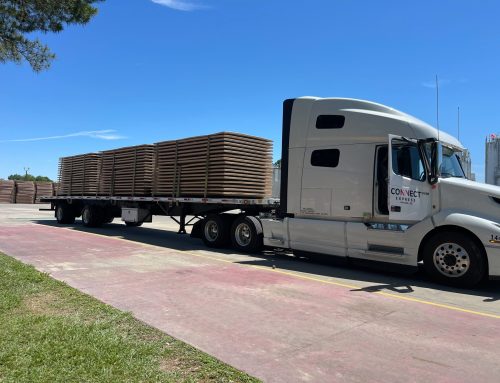
Within this arterial network, flatbed trucks stand out, bearing loads that shape our daily existence, indispensable to a thriving economy.
From coastlines touched by dawn to cities that never sleep, these steel workhorses represent the lifeblood of commerce, constantly delivering endless possibilities.
Updated October 25, 2026: replaced older estimates with the American Trucking Associations’ latest published figures (2023 and 2024 data), added a trucking-by-the-numbers table, the September 2026 tonnage reading, what the numbers mean for Arizona shippers and an FAQ.
Trucking by the Numbers: Latest ATA Figures
The American Trucking Associations’ economics data is the most cited source for industry-wide trucking statistics. These are its latest published figures:
| Measure | Figure | Year |
|---|---|---|
| Share of U.S. freight moved by truck (by weight) | About 72.7% | 2024 |
| Truck tonnage (primary shipments) | 11.27 billion tons | 2024 |
| Trucking freight bill (gross freight revenues, primary shipments) | $906 billion | 2024 |
| Single-unit and combination trucks registered | 14.89 million (5% of all motor vehicles) | 2023 |
| Miles traveled by combination trucks | 195.76 billion | 2023 |
| Jobs related to trucking activity (excluding self-employed) | 8.4 million | 2024 |
| Truck drivers employed | 3.58 million | 2024 |
| Active U.S. motor carriers with at least one tractor | Almost 580,000; 91.5% run 10 or fewer trucks | June 2025 |
| Share of U.S.-Mexico surface trade value moved by truck | 85% | 2024 |
The latest monthly reading is also out. ATA’s For-Hire Truck Tonnage Index rose 0.8% in September 2026 after falling 0.2% in August, and it was flat compared with a year earlier. ATA Chief Economist Bob Costello said, “We are seeing soft tonnage levels, but capacity is still contracting, which is leading to a better market for motor carriers.”
What These Numbers Mean for Arizona Shippers
Most carriers are small: ATA, citing U.S. DOT data, says 91.5% of active motor carriers operate 10 or fewer trucks. When you choose a carrier, check its record on FMCSA’s public sites rather than going by size alone. Trucks also carry 85% of the value of surface trade between the U.S. and Mexico, and Arizona’s ports of entry, such as Nogales, handle part of that freight. If capacity keeps tightening while tonnage stays flat, rates can move even when volumes don’t. Our guide to what drives freight transportation rates explains the main cost factors. Connect Express runs dry van, reefer and flatbed truckloads from Phoenix across Arizona and the Southwest.
The Backbone of Commerce

Trucking is not merely a cog in the wheel of commerce; it is its very axle. Trucks moved roughly 72.7 percent of U.S. freight by weight in 2024, according to the American Trucking Associations (ATA), highlighting the sector’s indispensable role in serving as the connective tissue between producers, consumers, and all points in between. Without the tireless efforts of the trucking industry, the flow of goods would come to an abrupt halt, severely impacting the routine and rhythm of economic activity.
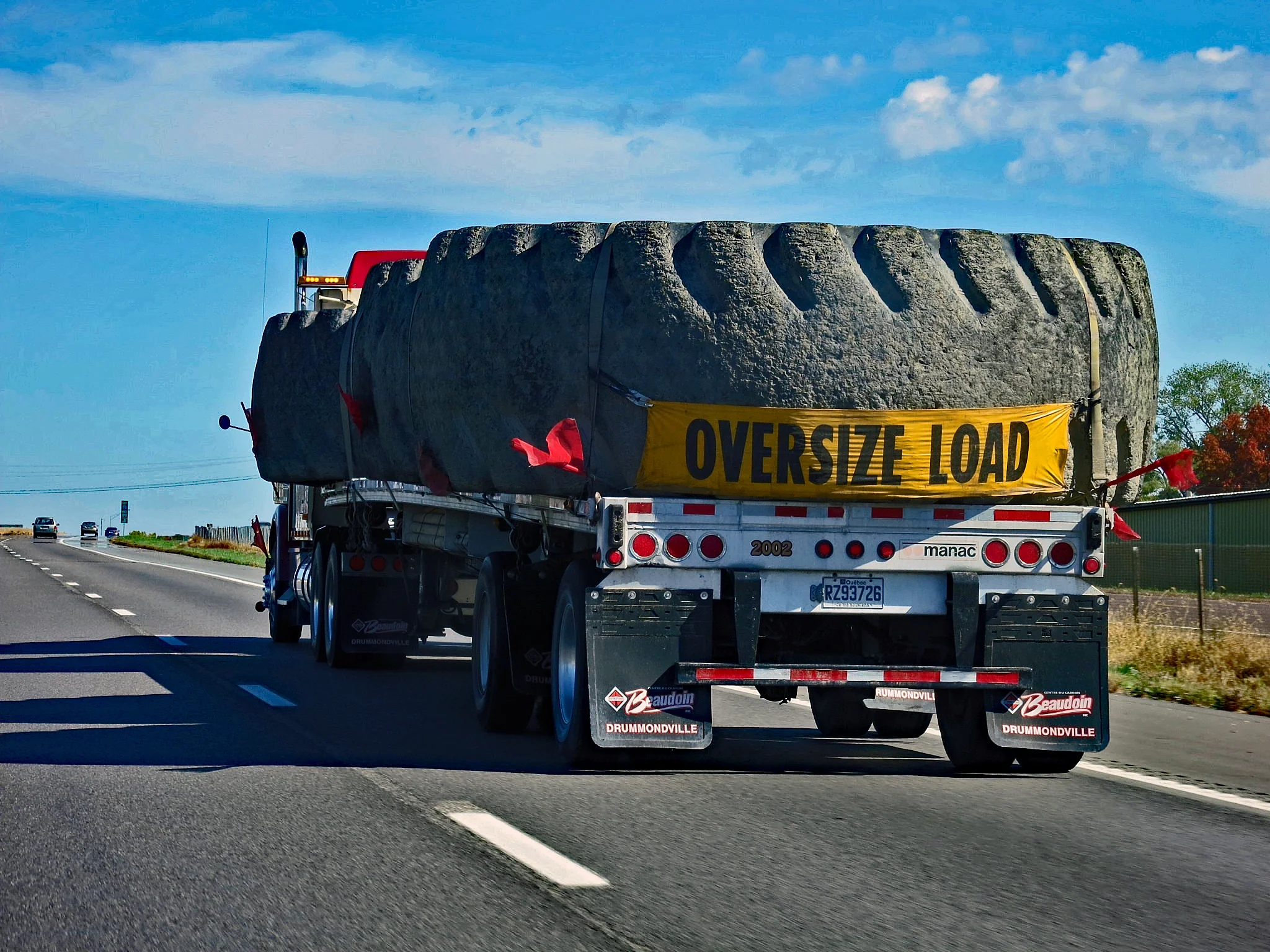
Deeply embedded in the intricacies of the global supply chain, flatbed trucking in particular showcases an unparalleled flexibility and capability. Representing a “horizontal elevator,” these platforms transport the oversized, the heavy, and the uniquely shaped, items unfathomable to be moved by other means. In no uncertain terms, the robust framework that truckers uphold, ensures that the wheels of the economy spin, delivering the materials and goods critically important to the ongoing prosperity of nations.
Essential Goods on the Move
The seamless delivery of essential goods is embedded in the trucking industry’s DNA, ensuring everyday life progresses unhindered.
In 2024, trucks moved an estimated 11.27 billion tons of freight across the United States (primary shipments only, per ATA).
Many communities have no rail or water freight service at all, so retailers and hospitals alike rely on a timely supply that’s assured by diligent truckers.
Trucking’s unrelenting pulse sustains the nation’s livelihood, embodying a logistical prowess that facilitates commerce and undergirds economic stability.
Trucking’s Contribution to GDP
Trucking’s economic influence is monumental, intertwining deeply with nations’ prosperity, underpinning robust GDP figures with its essential operations.
Its financial impact is felt across all economic sectors.
Trucks move the majority of freight, powering economic activities nationwide.
Notably, the trucking industry forms a significant portion of the transportation sector’s contribution to GDP, reflecting its critical role.
The symbiotic relationship between trucking and industries relies on the efficient, timely movement of goods, which, in turn, drives production, retail, and ultimately, economic growth.
Furthermore, the trucking industry’s investment in technology, infrastructure, and workforce development is significant, reinforcing its GDP contribution.
Trucking’s Massive Fleet
The immensity of the trucking fleet is a testament to its pivotal role in domestic supply chains, comprising an extensive array of vehicles tailored for diverse logistical tasks. Precision in fleet composition is critical to ensuring that the various needs of the nation’s economy are met with meticulous planning and operational efficiency.
In the United States alone, the commercial trucking fleet includes a multitude of class 8 trucks—machines designed for heavy-duty hauling endeavors. This category, spearheaded by the resilient flatbeds, is essential for transporting bulky commodities over long distances, seamlessly integrating into the nation’s intricate transportation network.
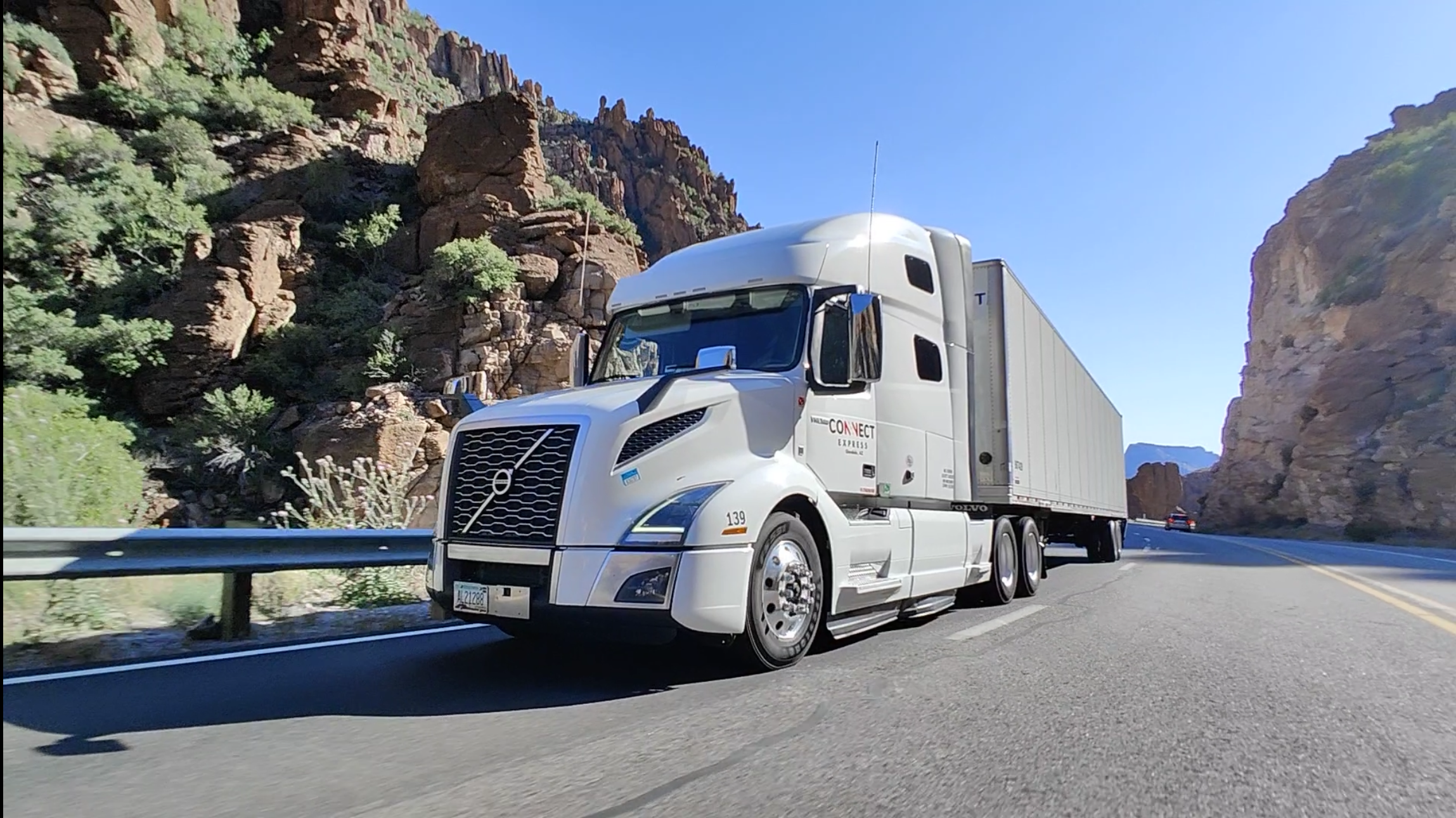
Recognized as the “workhorses” of the highways, these class 8 trucks are indicative of the industry’s robust framework. With immense carrying capacities and resilience to long-distance travel, they epitomize the relentless work ethic embedded in the trucking industry’s culture.
How Many Trucks Operate in the U.S.?

Quantifying the magnitude of the U.S. trucking fleet unveils a staggering picture of mobility and commerce. ATA counts 14.89 million single-unit and combination trucks registered in 2023, about 5% of all registered motor vehicles, contributing to the nation’s intricate transportation network, a number evocative of the industry’s colossal scale.
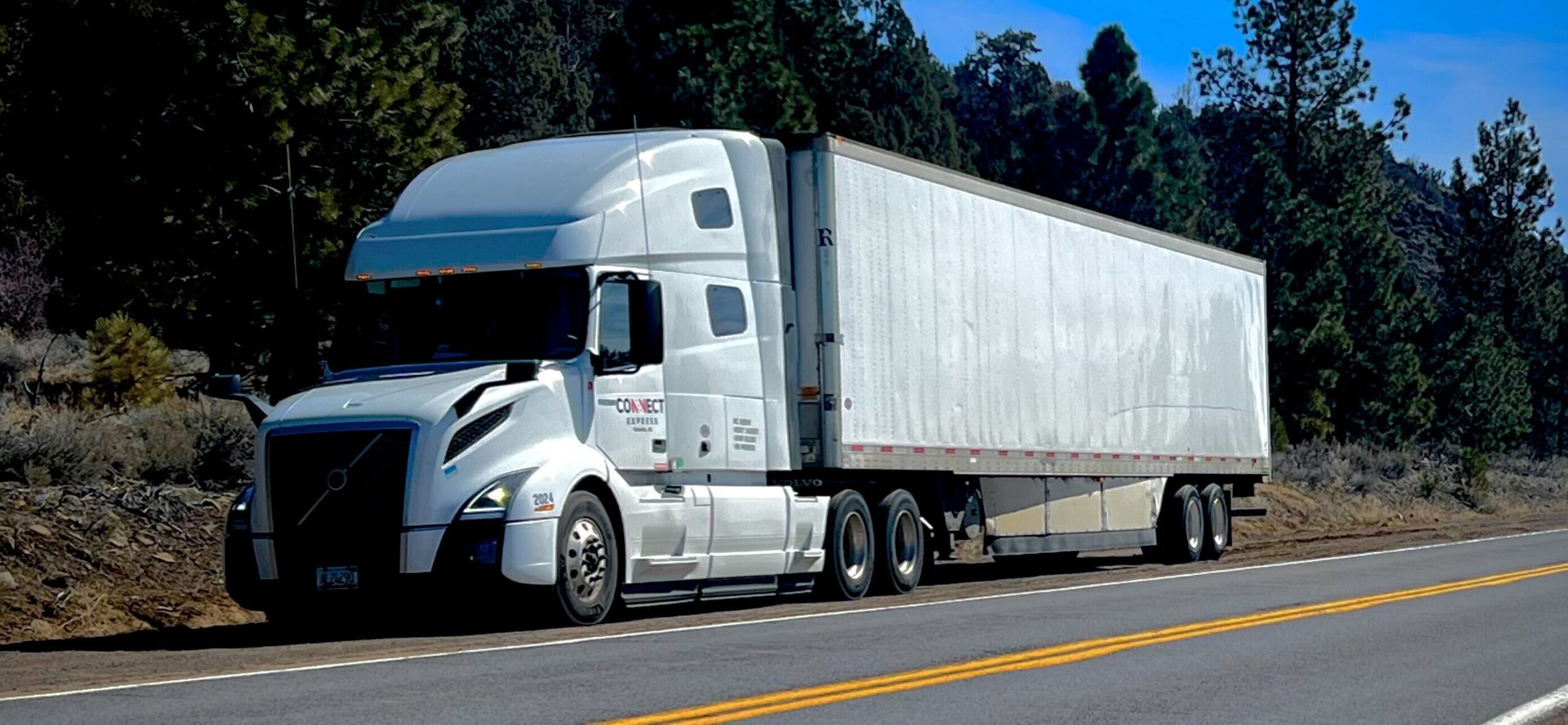
These millions of vehicles, harmoniously navigating the arteries of commerce, collectively shape a dynamic force in the U.S. economy. Tractor-trailers (combination trucks) are the linchpins in the logistics of freight movement, underscoring their indispensable role in sustaining the American supply chain.
Powering through every imaginable terrain, these trucks are the silent giants that facilitate the incessant flow of goods. The nation’s trucking freight bill reached an estimated $906 billion in gross freight revenues in 2024, according to the American Trucking Associations.
Amongst this fleet, there exists a nuanced hierarchy of trucks, each classified according to size and function. Of paramount importance within this classification are class 8 trucks, which comprise a sizable portion of the fleet. Combination trucks traveled 195.76 billion miles in 2023, according to ATA, and they are the backbone that supports and mobilizes the weight of our country’s commerce.
These figures translate into an undeniable truth: the U.S. trucking industry is a behemoth orchestrating the seamless movement of goods. Their pivotal presence on American roads subscribes to the essential vitality and continuous progression of the nation’s economy, reflecting a sector interwoven with the fabric of U.S. commerce.
Average Miles Driven Annually
Over-the-road (OTR) flatbed drivers cover substantial distances annually, surpassing the average of many other transportation modes. The miles accumulated on these journeys characterize the trucking profession’s commitment to consistency and reliable delivery.
Annual mileage for flatbed trucks varies widely by lane and operation. Over-the-road flatbed work usually means longer hauls and extended periods on the road, necessitated by the wide array of industries relying on their services. The mileage reflects not just a truck’s contribution to supply chains but a driver’s professional dedication and endurance.
Moreover, seasoned veterans of the flatbed trucking sector may witness their odometers roll far past the industry average. Mastery of scheduling practices, combined with rigorous adherence to service hours, allows some to maximize their time on the asphalt, translating into higher mileage tallies and increased service delivery.
In sum, analyzing these annual mileage metrics provides a window into the operational intensity of flatbed trucking. They encapsulate the challenging nature of the job, the scale of the nation’s logistical demands, and the indispensable role that these transporters play in sustaining the flow of commerce. These statistics serve not only as benchmarks for industry performance but as testaments to the seasoned endurance of the drivers and rigs at the heart of this vital sector.
Industry Diversity and Employment
The trucking industry, a cornerstone of the U.S. economy, showcases considerable employment diversity, supporting a range of occupations from dispatch operators to freight managers. Drawn from diverse backgrounds, individuals contribute unique skills and expertise to ensure the seamless transit of goods across the transportation network.
Employment within trucking spans across operational sectors, sustaining livelihoods for millions of Americans. Its workforce embodies a myriad of roles that uphold the industry’s intricate infrastructure and ensure continuity and efficiency within the supply chain ecosystem.
Job Opportunities in Trucking
The trucking industry offers abundant job opportunities extending far beyond the driver’s seat.
- Logistics Coordinator: Orchestrating the flow of goods.
- Fleet Manager: Overseeing the maintenance and operations of truck fleets.
- Dispatch Operator: Facilitating communication between drivers and clients.
- Safety Compliance Officer: Ensuring adherence to safety regulations.
- Diesel Mechanic: Specializing in the repair and maintenance of diesel engines.
- Load Planner: Strategizing the efficient loading and routing of cargo.
- Freight Broker: Connecting shippers with carriers.
- Truck Sales Representative: Providing in-depth knowledge and sales of commercial trucks.
- Insurance Specialist: Developing risk management solutions for transport.
- Driver Trainer: Educating new drivers on best practices and skills.
These roles are vital to maintaining the industry’s robust infrastructure and efficiency.
The employment landscape in trucking is dynamic, often promising career growth and stability.
Types of Freight Transported

- Building Materials: Lumber, steel beams, and roofing materials.
- Heavy Machinery: Construction equipment like bulldozers and excavators.
- Vehicle Transport: Cars, trucks, and military vehicles.
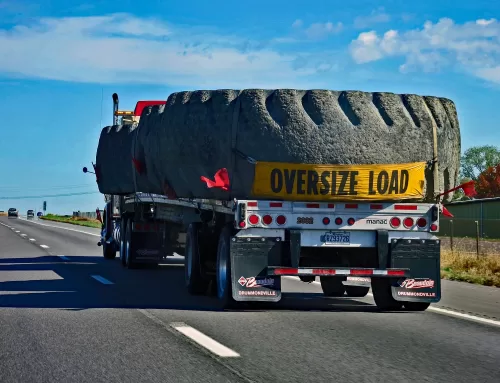
- Oversized Loads: Wind turbine blades and industrial components.
- Agricultural Equipment: Tractors and combine harvesters.
- Manufactured Goods: Prefabricated components and large industrial products.
- Energy Components: Pipeline materials and solar panels.
- Raw Materials: Boulders, logs, and scrap metal.
- Highway Construction Materials: Concrete beams and road barriers.
- Specialty Loads: Fragile and temperature-sensitive items.Selecting the appropriate securement methods is crucial for each freight type.
The broad spectrum of flatbed hauled cargo underscores the industry’s versatility and integral role in the economy.
Technological Advances and Sustainability
In the domain of flatbed trucking, technological enhancements are pivotal in driving efficiency while minimizing environmental impact. For instance, the integration of telematics improves both operational logistics and fuel management—which is critical for curtailing carbon emissions.
Advances in aerodynamics, such as tractor and trailer fairings, coupled with automated manual transmissions (AMTs), contribute significantly to reducing drag and enhancing fuel efficiency. These improvements are fundamental components of the industry’s strategic commitment to a sustainable future, encapsulating both economic and ecological considerations.
The terms “eco-driving” and “alternative fuels” are increasingly becoming cornerstones in the transport sector’s vernacular, exemplifying ongoing efforts to achieve greener operations.
Cutting-Edge Trucking Innovations
Pioneering platooning technology is revolutionizing road transport by optimizing aerodynamic efficiency and reducing fuel consumption. Automated convoys maintain optimal distances, leveraging advanced communication systems to synchronize movements and speed.
Electric semi-trucks are entering the freight market, representing a monumental shift toward zero-emission logistics.
Next-gen sensors are elevating safety to unprecedented levels. Equipped with LiDAR, radar, and cameras, these systems anticipate hazards, provide real-time feedback to drivers, and can even initiate preventive measures to avert collisions.
Transitioning beyond mere transportation, flatbed trucking is now embracing Smart Transportation systems, which integrate IoT devices, blockchain technology, and advanced analytics. These systems not only enhance supply chain visibility but also enable preventive maintenance, theft prevention, and optimized route planning for superior operational efficiency. In essence, flatbed trucking is evolving into a nexus for cutting-edge technological convergence, underscoring the importance of adaptability in an increasingly dynamic and interconnected world.
Efforts Toward a Greener Industry
Within the flatbed trucking sphere, ecological mindfulness is gaining ground, as companies integrate sustainability into their core business strategies. Clean energy initiatives, such as electric flatbed trucks, are becoming more prevalent, showcasing a commitment to reducing carbon footprints and promoting environmental stewardship within the industry.
The adoption of alternative fuels is on the rise, further mitigating the environmental impact of flatbed operations. From biodiesel to compressed natural gas, these greener options signify a progressive shift.
Simultaneously, aerodynamic enhancements for flatbed trailers are reducing drag and improving fuel efficiency. Innovations like trailer skirts (side fairings) and boat tails (rear tapering devices) are lessening air resistance and fuel consumption.
Investments in lightweight materials for trailers and cargo securement are paying dividends, both economically and ecologically. Lighter loads translate to fewer emissions, aligning economic incentives with environmental objectives.
Carrier companies are also participating in carbon offset programs to balance out emissions not yet eliminated by current technology. These initiatives demonstrate recognition of the trucking sector’s role and responsibility in facing global climate challenges.
What are some fun facts about the trucking industry?

The trucking industry is filled with fascinating facts and interesting tidbits. For starters, did you know that the trucking industry is responsible for transporting roughly 72.7% (by weight) of all goods in the United States? That’s right, without trucks, our supply chains would come to a screeching halt.
Secondly, have you ever wondered about the sheer size and weight of some of these trucks? Well, a fully loaded tractor-trailer can weigh up to 80,000 pounds, the federal gross weight limit on the Interstate system without a special permit! To give you some perspective, that’s about the same weight as ten adult elephants. It’s no wonder that these vehicles require special licenses and training to operate safely.
Another fun fact is that the trucking industry plays a vital role in the economy. ATA counts 8.4 million people employed in jobs related to trucking activity in 2024 (excluding the self-employed), including 3.58 million truck drivers. So the next time you see a big rig on the highway, remember that it represents not just a driver, but a whole network of jobs and economic activity.
Last but not least, let’s talk about the distances covered by trucks. On average, a long-haul truck driver can cover over 100,000 miles per year. That’s equivalent to circling the Earth more than four times! It’s a testament to the hard work and dedication of truck drivers who spend long hours on the road, connecting communities and delivering goods to every corner of the country.
So, the trucking industry is not just about large vehicles and long distances. It’s a crucial part of our economy, responsible for moving goods, creating jobs, and enabling commerce. The next time you encounter a truck on the road, appreciate the incredible role it plays in keeping our society running smoothly.
Women in Trucking
Trucking has long been male-dominated, but more women are driving and working across the industry. One industry write-up that cites Bureau of Labor Statistics data puts women at roughly 10% of the driver workforce, and describes that share as growing. You can read that overview at Migway.
For ongoing research, events and resources, see Women In Trucking Association. A wider mix of backgrounds brings new perspectives to dispatch, safety, driving and logistics roles alike.
Trucking Industry Facts FAQ
What percentage of U.S. freight moves by truck?
About 72.7% by weight in 2024, according to the American Trucking Associations.
How many truck drivers are there in the U.S.?
ATA estimates 3.58 million truck drivers were employed in 2024, down 0.8% from 2023.
How much can a loaded tractor-trailer weigh?
Up to 80,000 pounds gross vehicle weight on the Interstate system under the federal limit, unless the load moves on an oversize or overweight permit.
How many trucking companies are there?
Almost 580,000 active U.S. motor carriers owned or leased at least one tractor as of June 2025, according to U.S. DOT data cited by ATA. Most of them run 10 or fewer trucks.