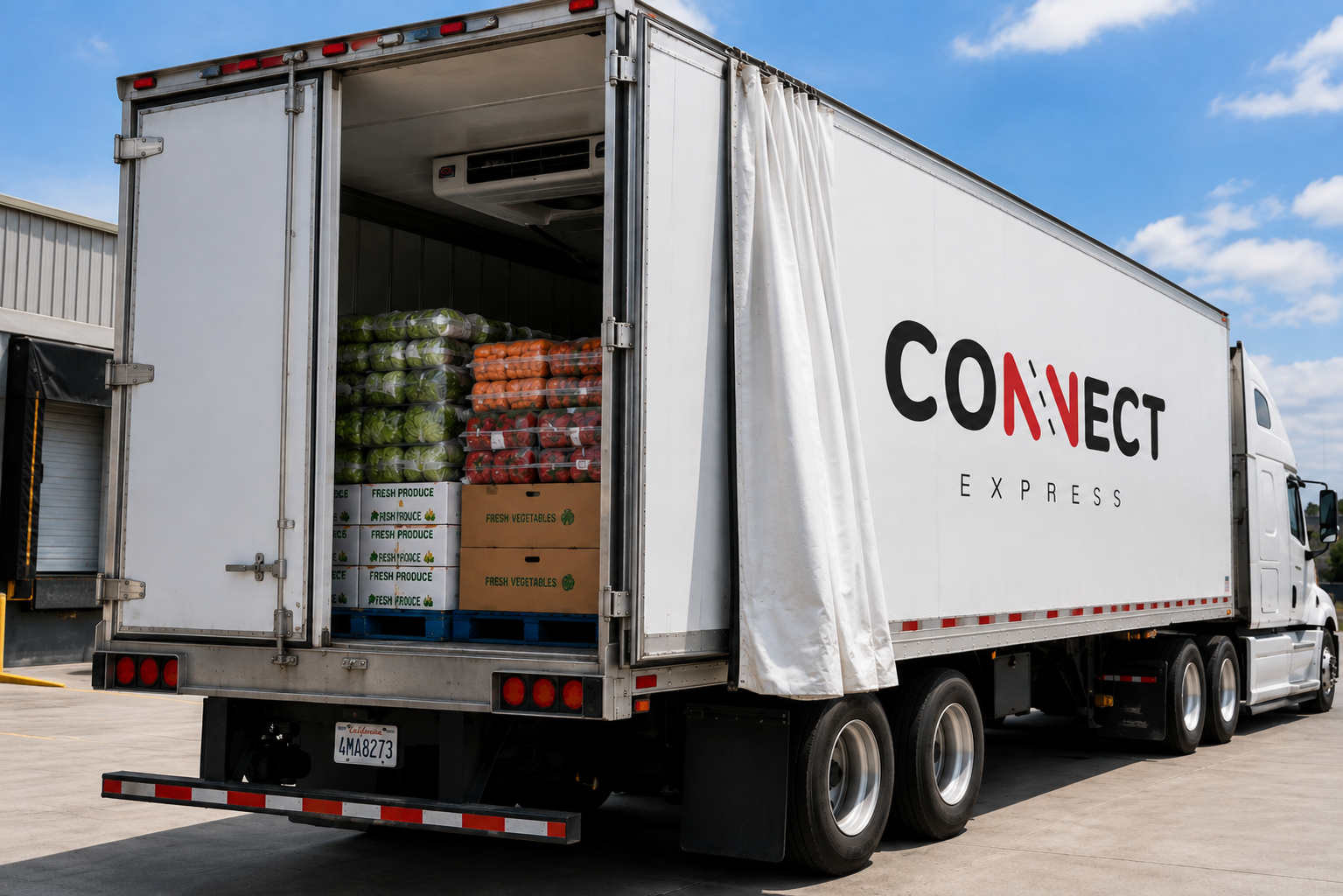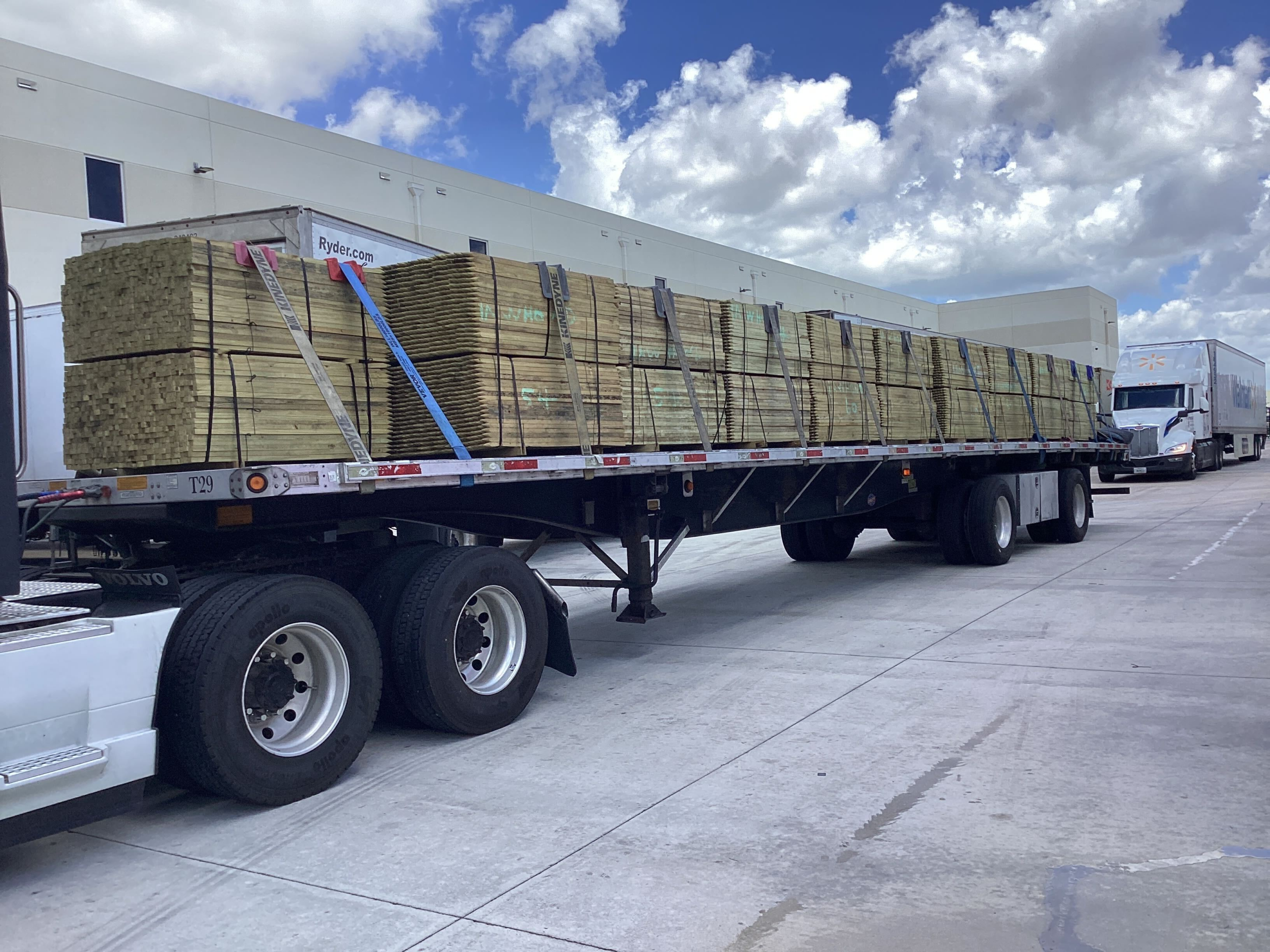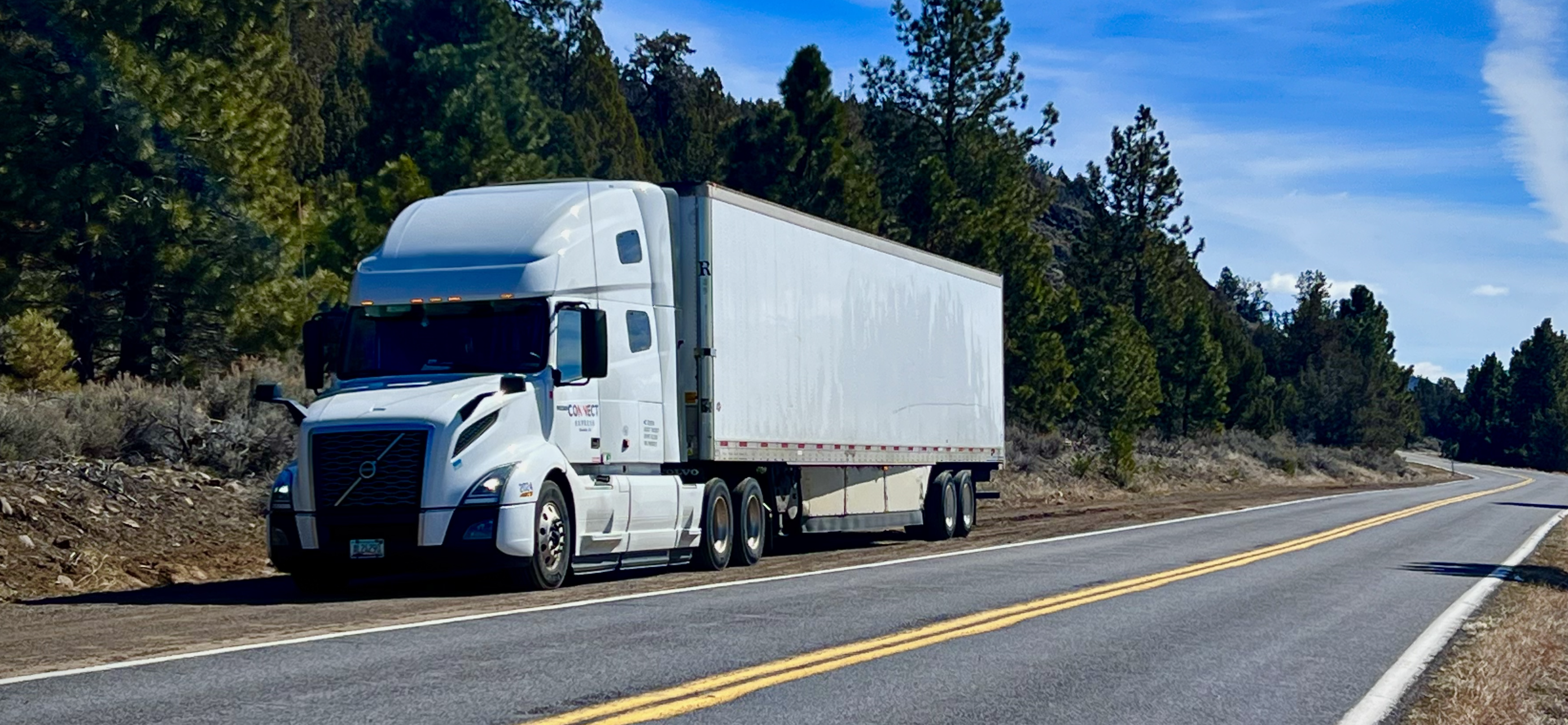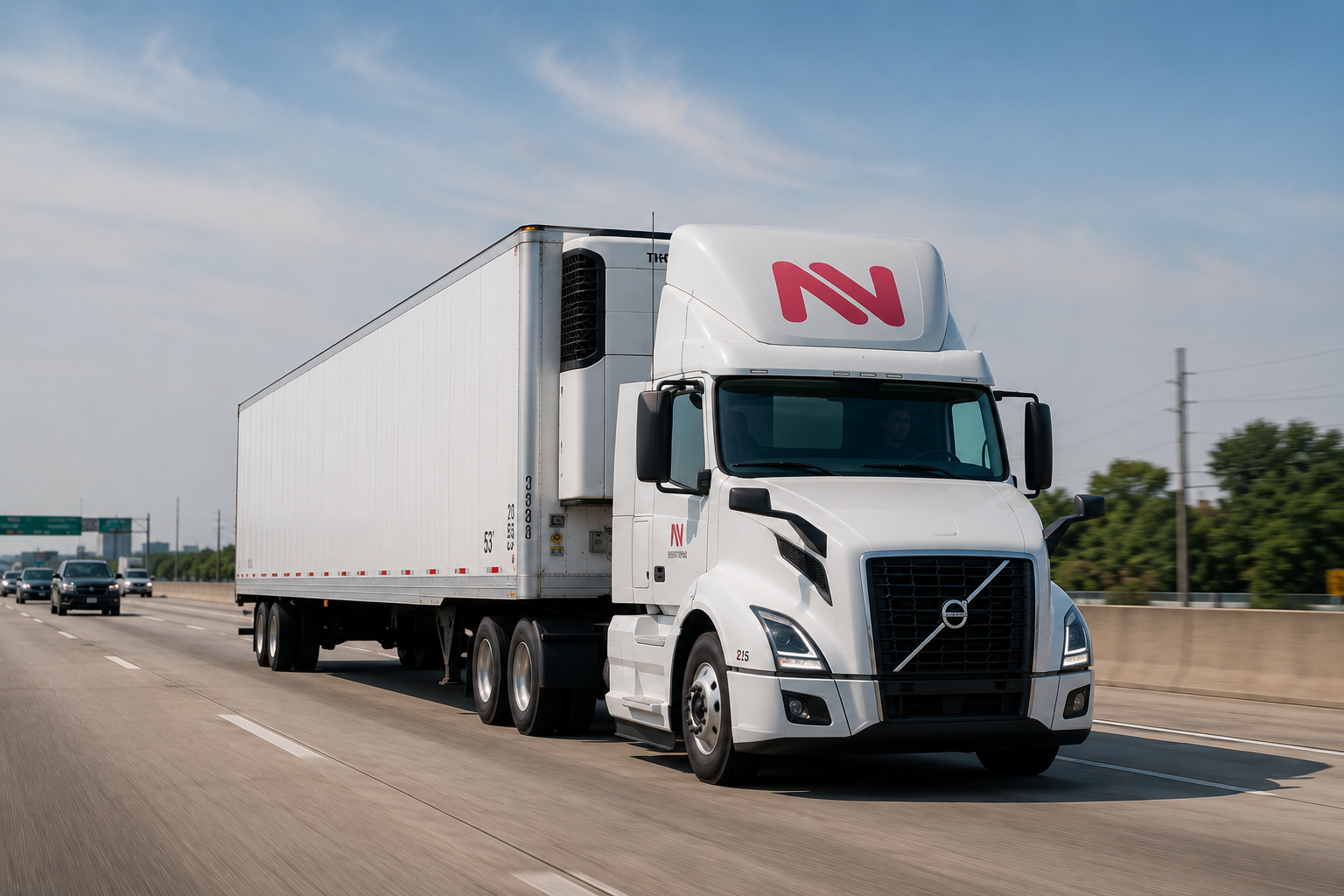
A reefer load can look fine at pickup and still be a claim by delivery. That usually comes down to temperature sensitive cargo handling. The freight did not fail on its own. Somewhere between the dock, the trailer, and the road, somebody missed a detail.
For shippers, that detail matters. Food, beverages, pharmaceuticals, chemicals, floral products, and other perishable freight all have a narrow margin for error. A late pickup is a problem. A bad set point, poor airflow, or a warm trailer is worse. If the product lands outside spec, the load may be rejected even if it arrives on time.
What temperature sensitive cargo handling really means
This is not just about putting freight on a refrigerated trailer and turning the unit on. Proper handling starts before the trailer reaches the dock. The equipment has to be clean, the reefer has to be operating correctly, and the set point has to match the shipment requirements. If any one of those is off, the load starts behind.
It also means understanding what the cargo needs during transit. Some loads need a frozen environment and little door exposure. Some need chilled temperatures with steady airflow. Some products should never ride directly against the trailer walls. Others need continuous run instead of start-stop mode. The details change by commodity, and that is where experience shows.
A lot of shipping problems come from treating all reefer freight the same. It is not the same. Ice cream, produce, dairy, and temperature-controlled chemicals each move differently. A carrier that handles these loads correctly pays attention to instructions instead of assuming one setup fits all.
Refer Trucking
Why reefer claims usually start before departure
Most cargo issues do not begin halfway through the trip. They start at loading.
If the trailer was not pre-cooled when required, product can start warming or sweating before the doors close. If the shipper loads warm product into a cold trailer expecting the unit to pull temperature fast, that can create another problem. Reefer units are made to maintain temperature, not always to bring down hot freight after loading. That distinction matters.
Loading pattern matters too. Good airflow is not optional. If pallets are packed too tightly, stacked too high, or pressed against the evaporator return, cold air cannot move the way it should. The trailer may show the right set point while parts of the load drift outside range. On paper, the load looks compliant. In the freight, it is not.
Then there is dwell time. The longer a trailer sits with doors open at the dock, the more temperature control becomes a fight. That does not always ruin a load, but it raises risk, especially in summer across Arizona, Texas, or the Southwest where ambient heat can push hard against the trailer every minute the doors are open.
Temperature sensitive cargo handling at pickup
Pickup is where a solid reefer run gets built. The basics are simple, but they have to be done every time.
First, the driver needs the right shipment instructions before arrival. Set point, product temperature requirements, ventilation if needed, and any special handling notes should be clear. If instructions are vague, somebody needs to ask questions before loading starts, not after the truck is rolling.
Second, the trailer has to be ready. That means clean, odor-free, structurally sound, and at the proper temperature when the freight calls for pre-cooling. A dirty trailer can contaminate cargo. A damaged door seal or poor reefer performance can create temperature drift all the way down the road.
Third, the product itself should be checked as much as the shipper allows. Carriers are not doing warehouse quality control, but obvious issues should never be ignored. If freight is coming out warm, leaking, damaged, or loaded in a way that blocks airflow, it needs to be addressed before departure.
This is also where communication matters. Shippers do not want excuses after delivery. They want updates while there is still time to act. If there is a loading delay, a discrepancy in instructions, or a problem with product condition, that needs to be reported right away.
In transit, small mistakes turn into big losses
Once the load is on the road, temperature control becomes a discipline issue. The reefer needs to stay on the correct setting. Fuel needs to be managed so the unit does not shut down. Door openings need to be limited. The route needs to make sense for the freight and the delivery window.
This is where dispatch and the driver have to stay on the same page. A reefer load is not the place for spotty communication. If traffic, weather, or a receiver delay starts building risk, the customer should know. No guessing where the load is. No waiting until appointment time to explain why things went sideways.
Monitoring matters, but it does not replace judgment. Temperature readouts can tell you what the trailer is doing. They do not tell you whether the product was loaded correctly, whether the receiver changed appointment times, or whether repeated door openings are affecting the freight. Data helps. Execution still matters more.
Common failures shippers can prevent
Some reefer claims trace back to the carrier. Some start with shipping instructions or dock practices that were never fully buttoned up. The cleanest moves happen when both sides handle their part.
One common issue is unclear temperature instructions. A rate confirmation that says “keep cold” is not enough. The carrier needs the actual set point and any mode requirements. Another issue is loading freight at the wrong product temperature. If the product is already out of spec, the trailer may maintain that bad temperature all the way to destination.
Poor appointment planning also causes trouble. Tight pickup windows, long detention at the dock, and receivers that refuse early or late arrivals all add pressure to a shipment that has less room for error. It does not mean the load cannot move. It means timing has to be managed more closely.
Packaging can be part of the problem too. If cartons collapse, vents are blocked, or pallets are unstable, airflow and product protection suffer. That is not always a trucking failure, but trucking gets pulled into the claim. It is better to catch those issues before the bills are signed.
What to expect from a carrier handling reefer freight
If you are shipping perishable or temperature-controlled freight, you should expect more than a truck with a cold trailer. You should expect a carrier that follows instructions, checks the equipment, communicates early, and treats appointment times like they matter.
You should also expect honesty. Not every load is the same, and not every request makes sense as written. Sometimes a product needs continuous run. Sometimes a pickup delay means the original delivery plan needs to be adjusted. Sometimes a trailer can hold temperature just fine, but the cargo was loaded in a way that creates hot spots. The right carrier tells you that early.
At ConnectExpress LLC, based in Phoenix, Arizona, that is how reefer work should be handled. Real trucks, real drivers, real updates. If there is an issue, you hear about it. If the load is on schedule, you know that too.
The role of documentation in temperature sensitive cargo handling
Paperwork is not the exciting part of freight, but it protects everyone when a shipment is under temperature control.
Set points, pulp readings when provided, seal numbers, pickup times, delay notes, and delivery exceptions all matter. If a claim comes up, clean records help show what happened and when. Without that, people start guessing. Guessing is expensive.
This is also why consignee notes matter at delivery. If the receiver signs clean, that means something. If they note product concerns, that needs to be documented right then. Waiting until later makes the situation harder to sort out.
Good documentation does not replace good handling. It backs it up.
Why consistency matters more than promises
A lot of carriers say they can handle refrigerated freight. The real test is whether they handle it the same way every time.
Temperature-sensitive freight does not need big talk. It needs discipline. It needs drivers who check settings, dispatchers who stay ahead of delays, and equipment that is ready before arrival. It needs people who understand that one missed detail at pickup can wreck the whole run.
That is what shippers are really buying when they book a reefer load. Not just capacity. Not just transit. They are buying control over the details that keep product in spec.
If you are moving temperature-controlled freight, ask simple questions before tendering the load. How is the trailer checked before pickup? Who confirms the set point? What happens if the shipper instructions do not match the freight? How quickly will updates come if something changes? Straight answers usually tell you what kind of operation you are dealing with.
When the cargo has a narrow temperature range, there is no room for casual handling. The load needs to be planned right, loaded right, monitored right, and delivered right. Anything less is a gamble most shippers cannot afford.
Need capacity on this type of freight? Connect Express LLC provides asset-based refrigerated transportation across the Southwest and nationwide.
Request a truckload quote: Contact Connect Express or call (844) 474-8963.