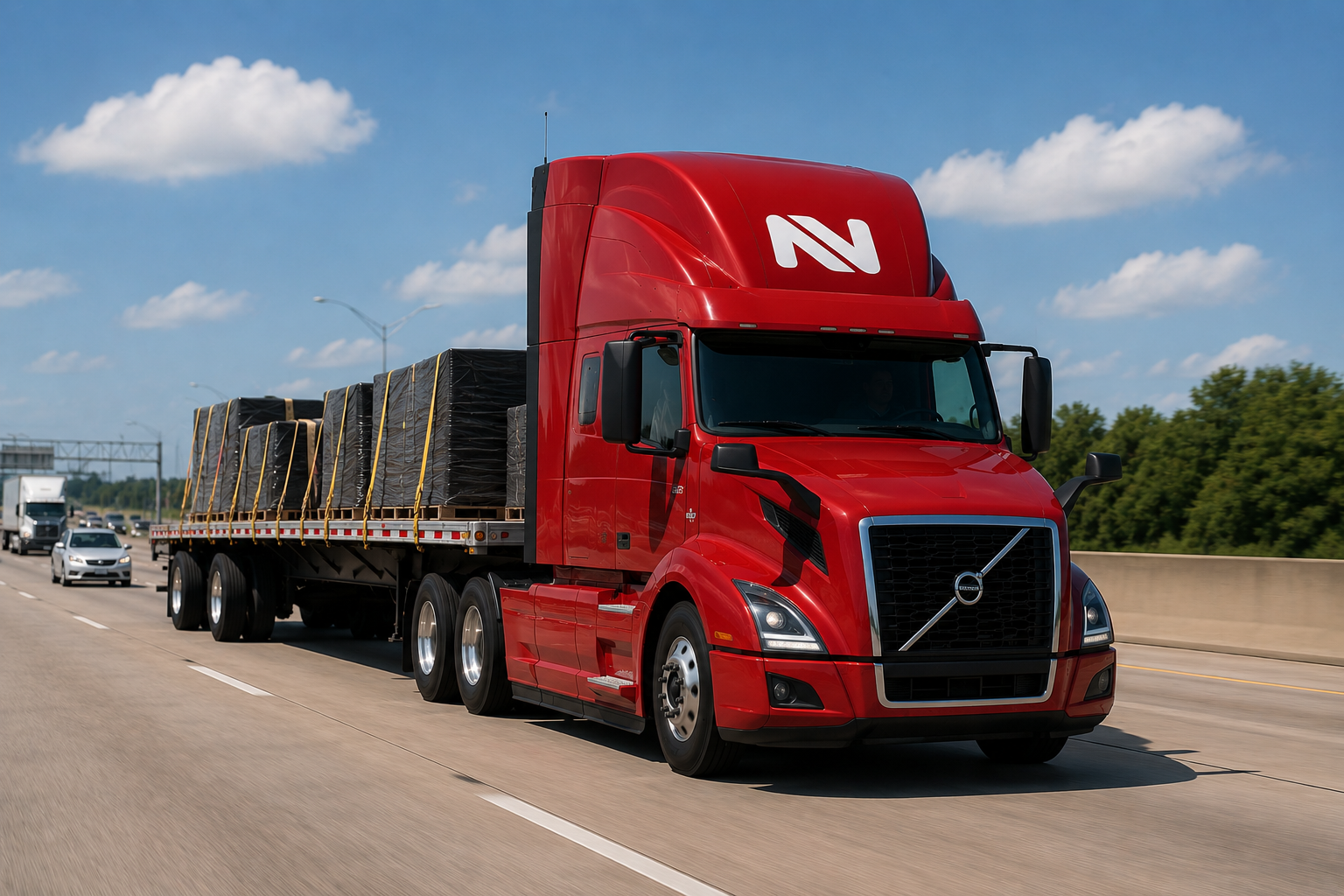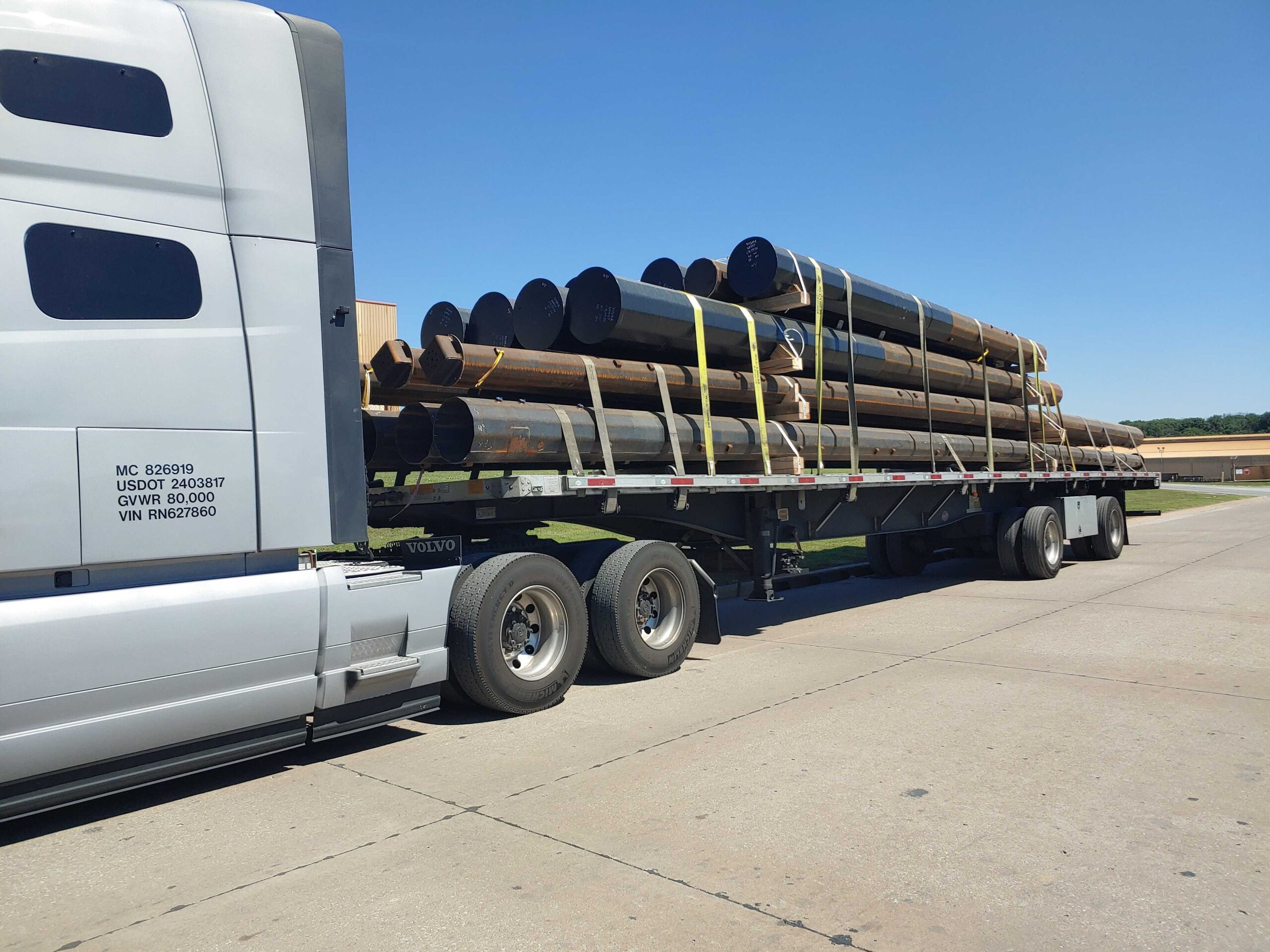
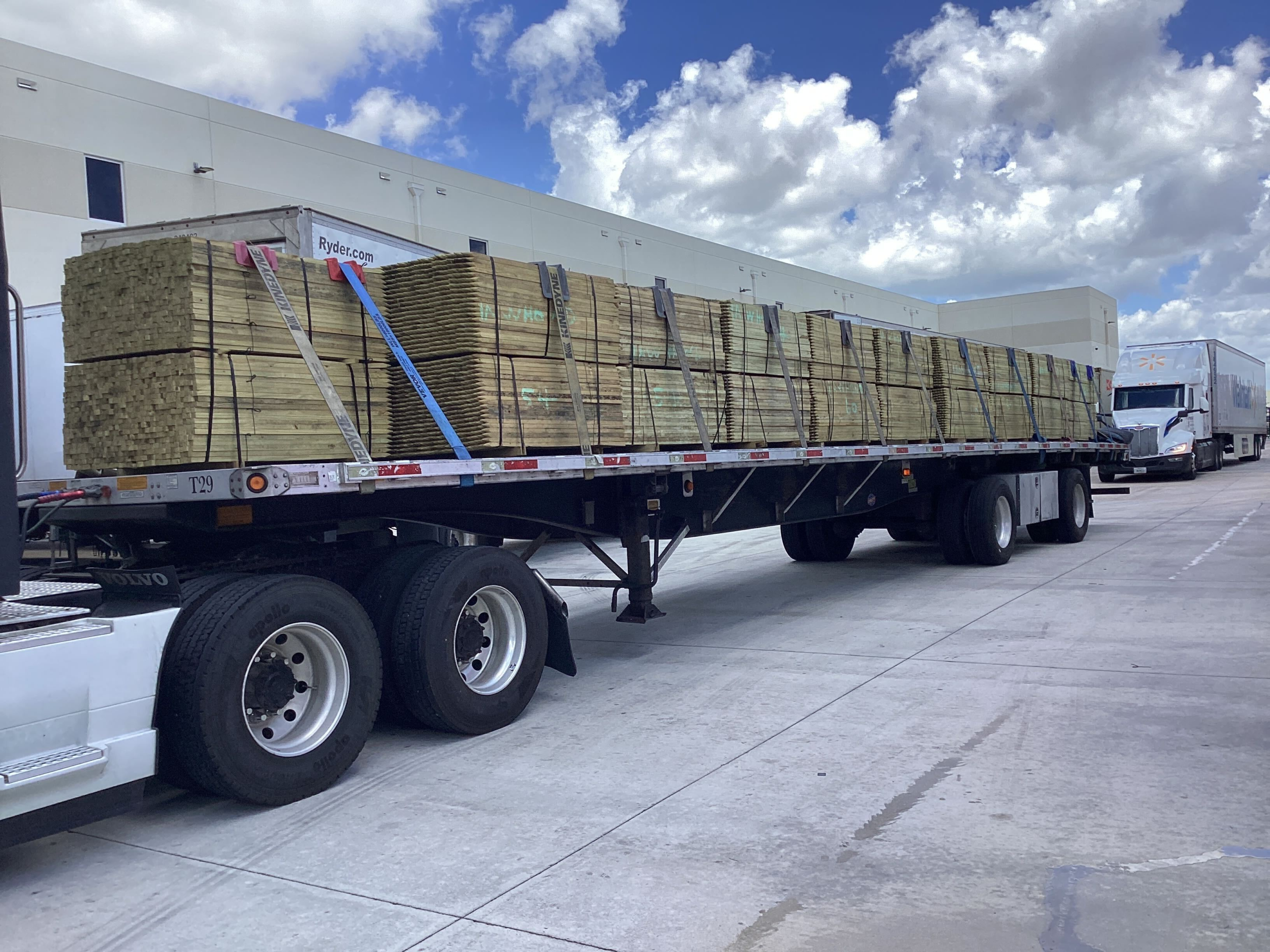
A flatbed load securement guide matters long before the truck leaves the dock. Most securement problems start during loading, not on the road. If the freight is stacked wrong, unsupported, or tied down with the wrong gear, the driver is already behind.
For shippers, that leads to the same problems every time – damaged product, roadside violations, missed appointments, and long claim conversations nobody wants. For drivers, it means wasted time fixing a load that should have been right from the start. Good securement is not guesswork. It is planning, proper equipment, and a load that stays put from pickup to delivery.
What a flatbed load securement guide should cover
Flatbed freight is different from dry van freight because everything is exposed. Wind, weather, hard braking, lane changes, and rough roads all work against the load. A securement plan has to account for forward movement, side-to-side shift, rearward movement, and bouncing.
That means the load itself matters as much as the straps or chains. A well-built crate with solid lift points is easier to secure than loose material on weak pallets. A machine with clear tie-down points is safer than one wrapped in plastic with no real place to anchor. The trailer deck condition matters too. If the deck is damaged, slick, or uneven, securement gets harder fast.
The basic question is simple: what is keeping this freight from moving when the truck has to brake hard or turn quickly? If the answer is just weight, that is not enough.
Start with the freight, not the straps
Before anyone throws a strap, look at the cargo. Weight, shape, center of gravity, and packaging all change the securement method. Tall freight can tip. Round freight can roll. Fragile freight can crush under too much pressure. Heavy machinery may need chains, while lighter building materials may be fine with straps and edge protection.
This is where loading crews and drivers need to be on the same page. If a shipper loads product in a way that blocks tie-down points or creates empty space between units, the driver has fewer options. That usually leads to rework at the dock or a bad securement job on the road.
A good load starts with even placement on the trailer. Weight needs to be distributed correctly across the axles. Too far forward or too far back creates handling problems and legal issues. Even if the cargo is tied down, poor weight distribution can still make the load unsafe.
Choosing the right securement method
There is no one setup that works for every flatbed load. It depends on cargo type, weight, dimensions, and how the freight reacts under pressure.
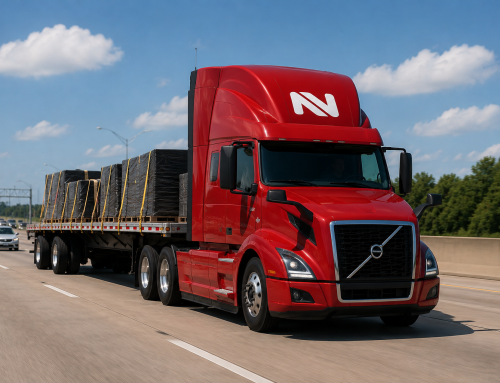
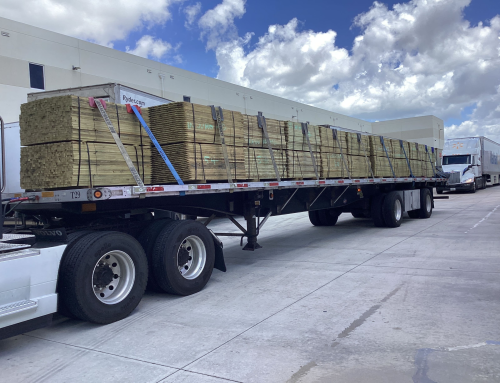
Straps are common for lighter freight, finished materials, and cargo that can be damaged by chains. They work well when the load has good edges, balanced shape, and enough contact for the strap to hold tension. But straps cut easily on sharp corners, and they lose value fast if they are frayed, torn, or burned.
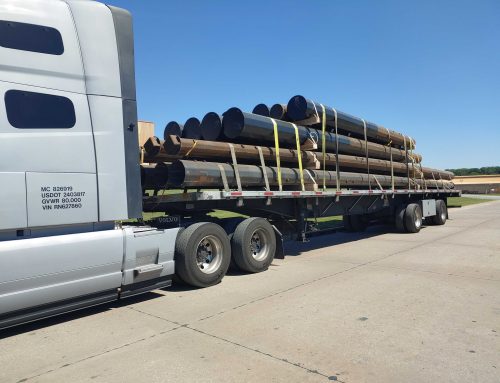
Chains are the better choice for heavy equipment, steel, machinery, and dense loads with designated anchor points. They handle abrasion better and usually give stronger restraint. The trade-off is that chains can damage finished surfaces, and they are not the right answer for every load.
Binders, winches, edge protectors, friction mats, blocking, and dunnage all have a role. Edge protection is one of the most overlooked pieces. Without it, a good strap can fail because the freight edge acts like a knife under tension. Dunnage matters too. If the load sits unevenly or shifts on weak blocking, the best tie-down pattern in the world will not fix it.
The most common securement mistakes
Most flatbed securement issues are not complicated. They come from rushing.
The first mistake is using the wrong number of tie-downs. The second is attaching them to weak points on the freight. The third is ignoring how the cargo can move under normal driving conditions. A stack of lumber, a steel coil, and a skid steer do not behave the same way. They should not be secured the same way.
Another common problem is mixed freight on one trailer. This is where things get tricky. One product may need chain securement while another needs straps and padding. One section may be stable while another can shift into it during braking. Mixed loads take more thought. If they are not separated and restrained correctly, one bad section can compromise the whole trailer.
Weather adds another layer. Rain can reduce friction. Tarps can catch wind if they are loose. Snow and ice can affect deck grip and make securement checks harder. In the Southwest, heat matters too. Long miles through Arizona, Nevada, New Mexico, and Texas can wear on equipment. Straps, especially older ones, do not improve sitting in the sun day after day.
Flatbed load securement guide for loading crews and shippers
Shippers have more control over safe securement than they sometimes realize. If the product is loaded badly, the driver is left trying to solve a dock problem in a parking lot.
Load the freight so securement points stay accessible. Keep units tight and stable. Do not build a load that depends on stretch wrap to hold shape. Wrap helps contain product. It is not a securement system.
If the cargo has special handling needs, say it before pickup. That includes top-heavy pieces, offset weight, soft packaging, no-touch surfaces, and items that cannot take chain pressure. Good information early saves time and avoids mistakes.
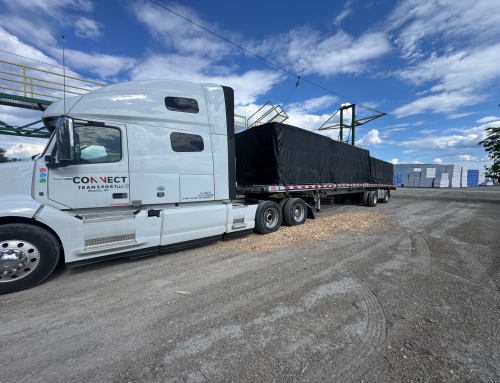
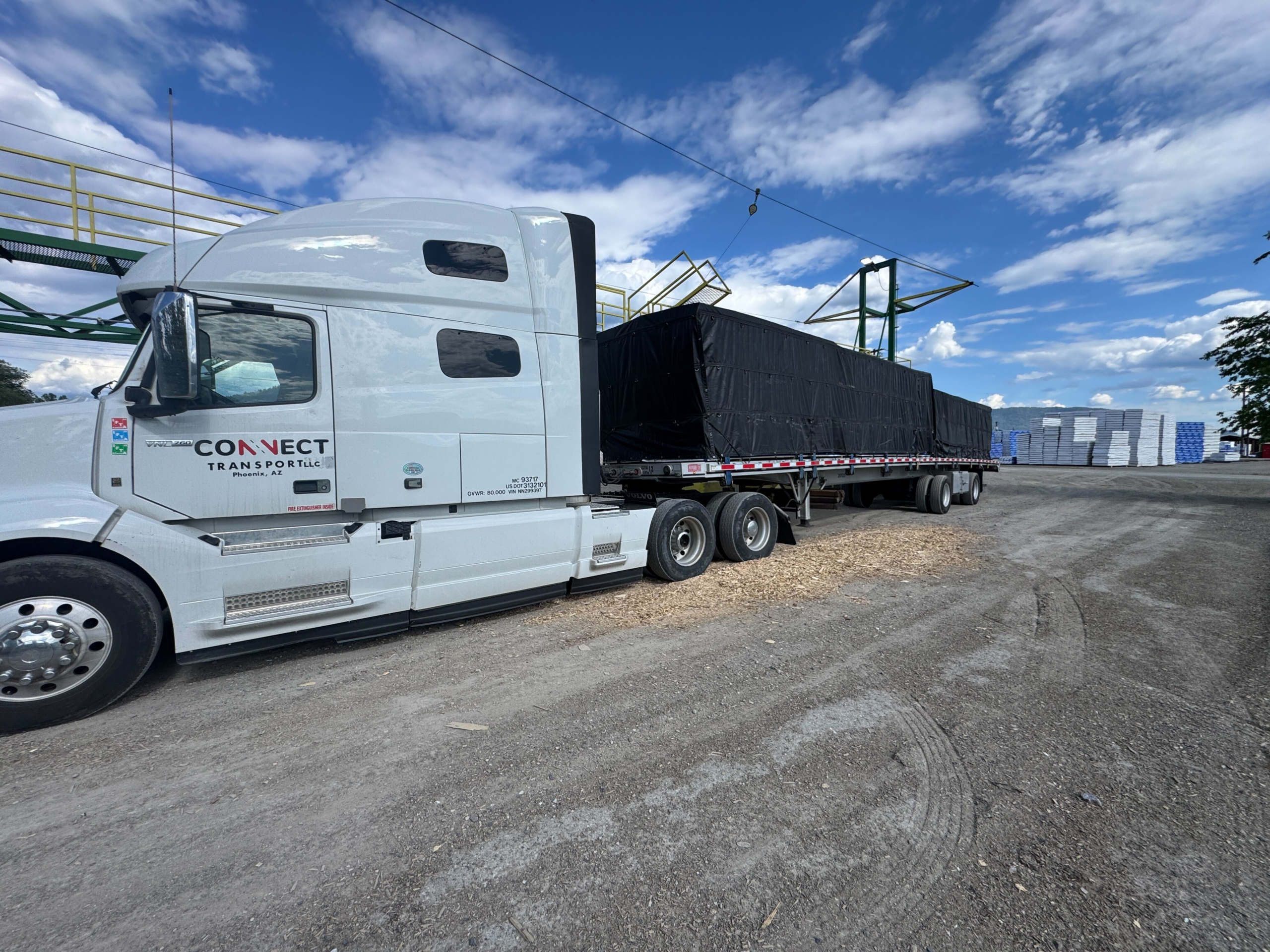
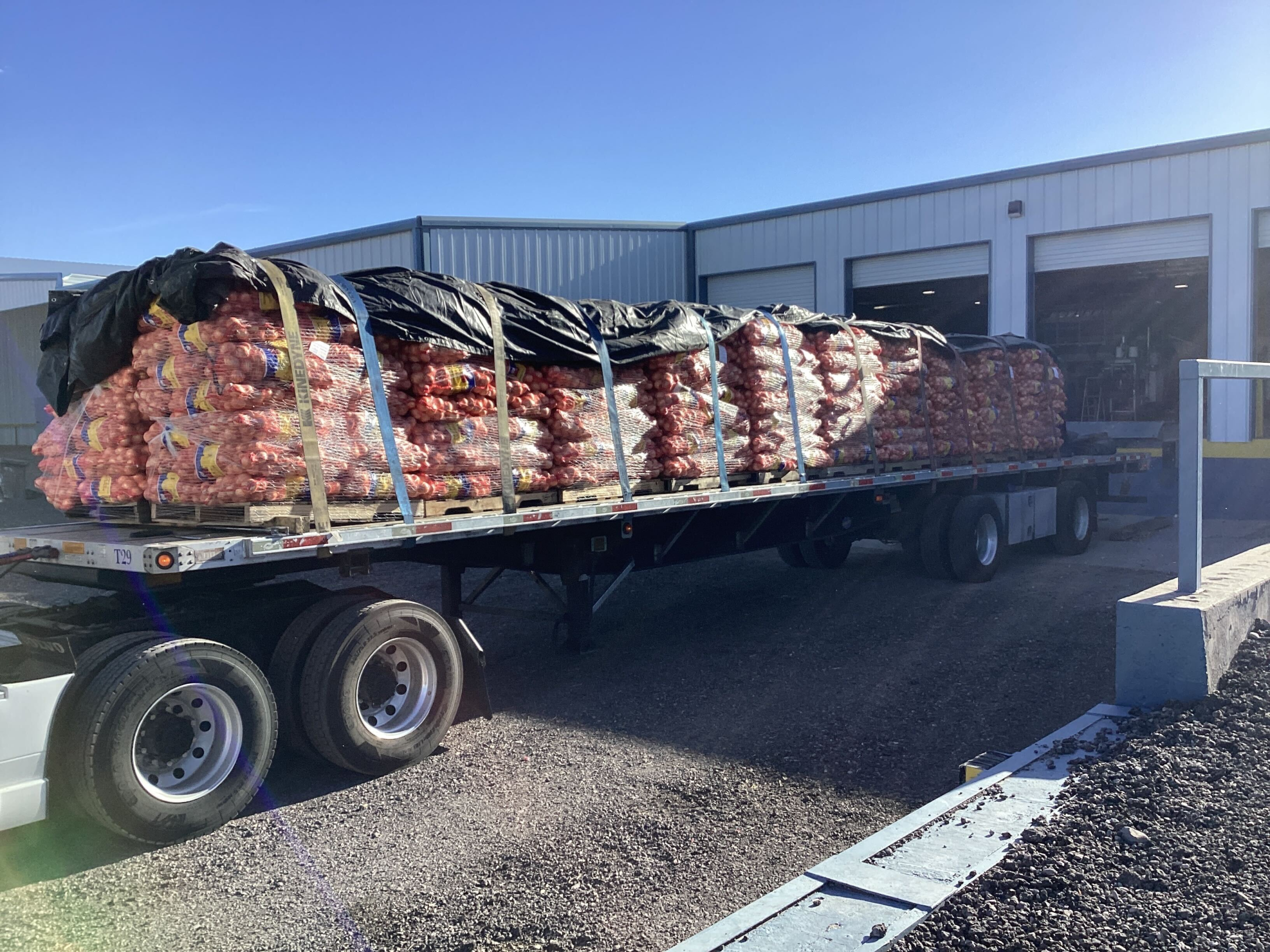
It also helps to know whether tarping is required. Some freight can get wet. Some cannot. Some loads need full tarp coverage with careful padding to prevent rub marks and tears. Tarping is not just throwing a cover over the top. It changes how the load is handled and how long securement takes.
For manufacturers and freight managers, the goal is simple: hand the driver a load that can be secured correctly without improvising.
Why inspections matter after the truck leaves
Securement is not done at the dock. It has to be checked again after the truck gets moving.
Tension changes once the load settles. Dunnage compresses. Straps loosen. Chains may need adjustment. That first stop matters because small movement early can turn into a major shift later.
This is one of the biggest differences between a load that arrives clean and one that arrives with problems. The load may look fine at pickup, but if nobody checks it after the first miles, early movement can go unnoticed until it is too late.
Drivers know this. Shippers should understand it too. A securement plan is only good if it holds through real road conditions.
Documentation, communication, and no surprises
When a load has unusual securement requirements, clear communication matters as much as the gear itself. If the freight needs a certain trailer setup, special blocking, chain-only securement, or extra tarping time, that needs to be known upfront.
That helps dispatch plan correctly. It helps the driver arrive with the right equipment. And it helps the shipper avoid delays at pickup.
At ConnectExpress LLC, based in Phoenix, Arizona, that is how we look at flatbed work. Real equipment. Clear instructions. Safe loading. Real updates if something changes. No guessing where your load is, and no pretending a bad setup will somehow work out on the highway.
What good securement really protects
Most people think load securement is about compliance. That is part of it, but it is not the main reason to care.
Good securement protects the freight, the driver, the public, and the delivery schedule. It reduces cargo damage, roadside issues, and redelivery problems. It also protects relationships. When a shipment arrives damaged because it shifted, nobody remembers that the pickup was on time. They remember the problem.
The best flatbed operations treat securement as part of execution, not as an extra step. That mindset shows up in the details – how the freight is staged, how the trailer is loaded, what gear is used, and whether the load gets checked after departure.
If you are shipping on a flatbed, the smartest question is not whether the cargo can fit on the trailer. It is whether the cargo can stay exactly where it belongs for the entire trip. Start there, and a lot of problems never show up.