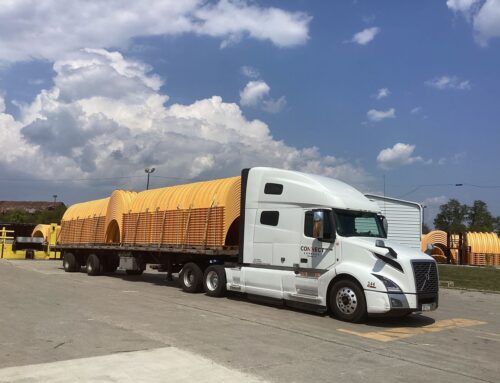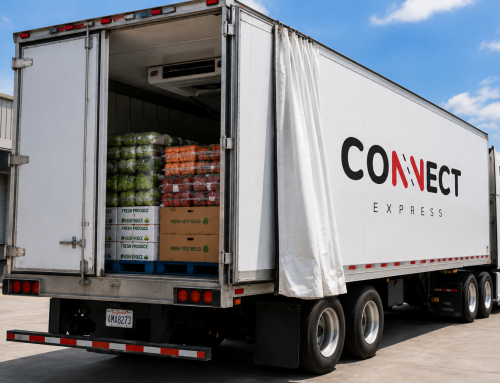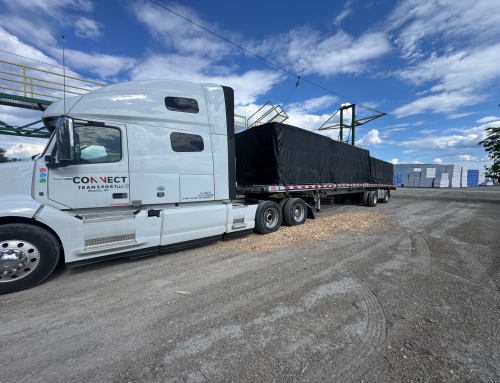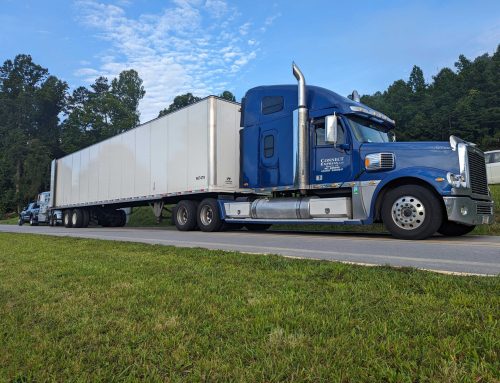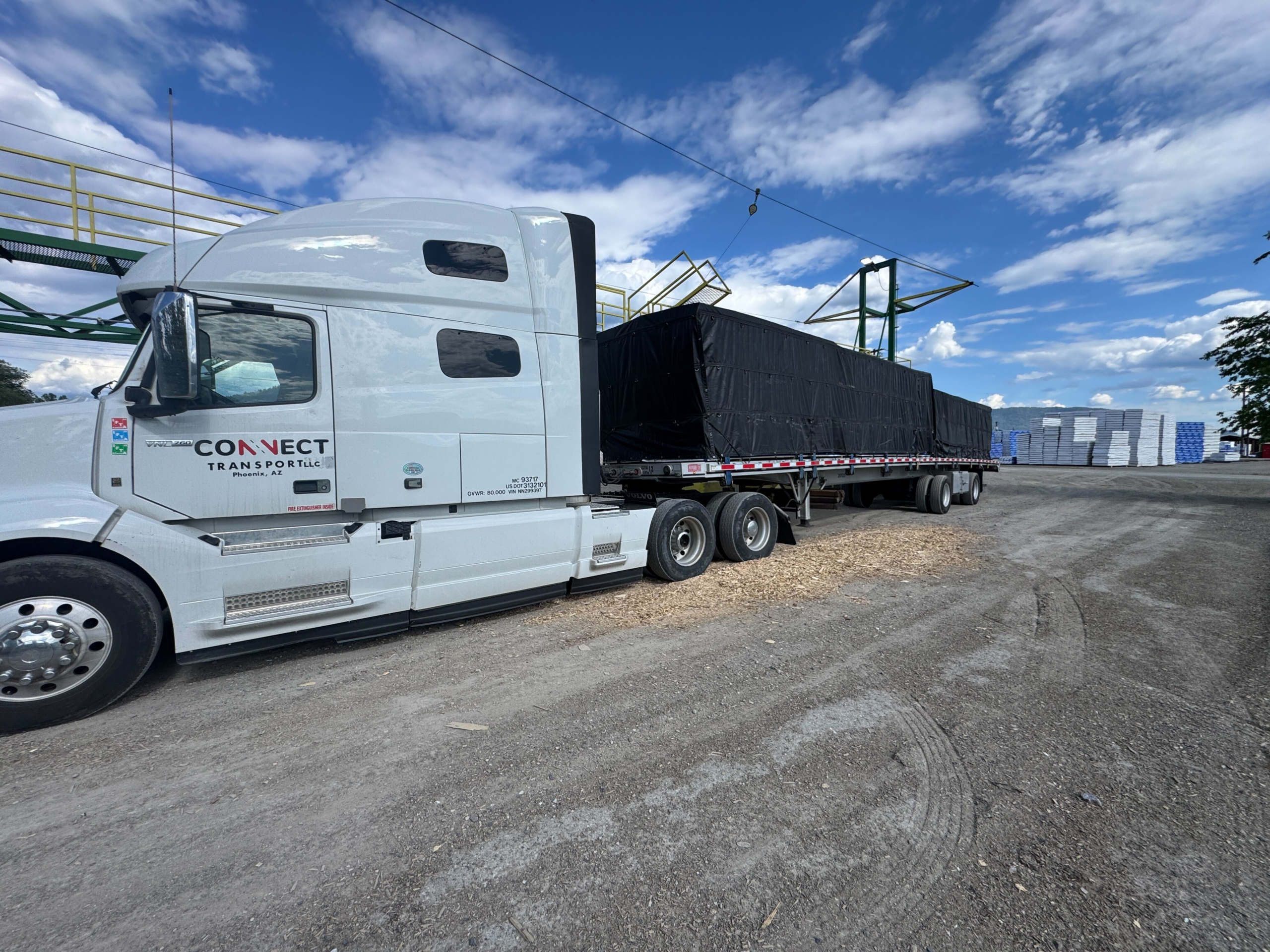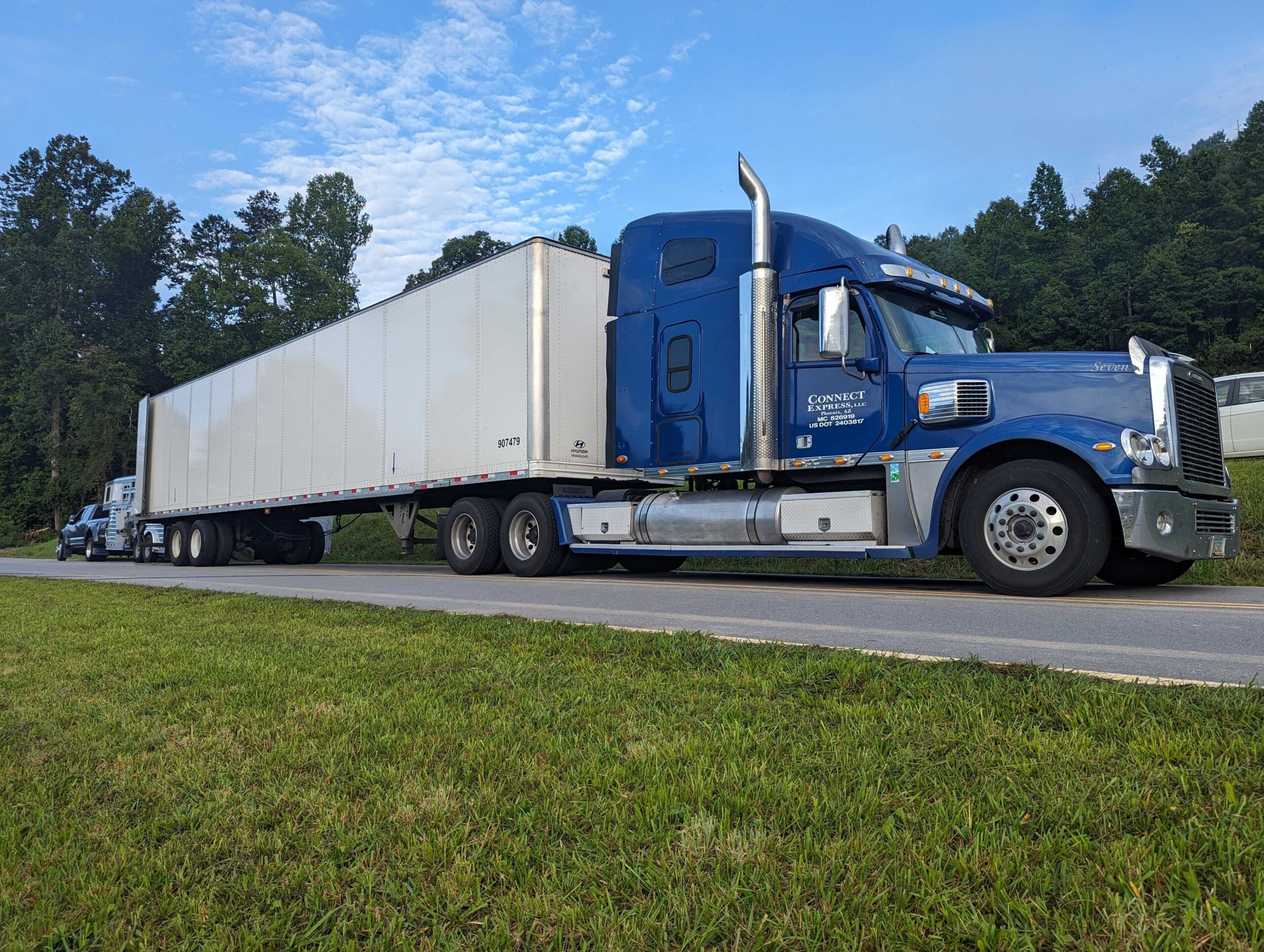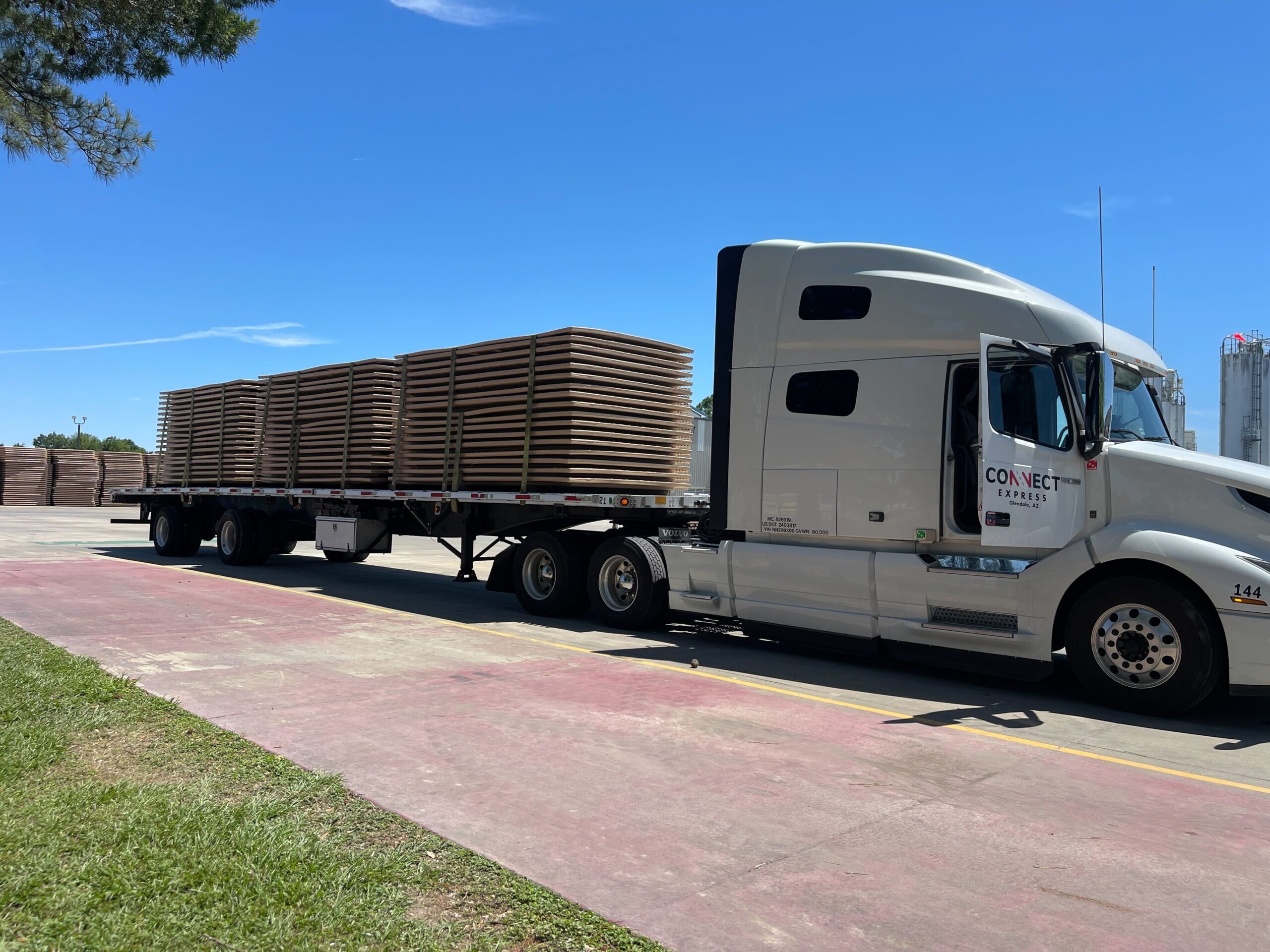
Ask any project superintendent in the Valley what slows a build down, and freight will be near the top of the list. Steel arrives on the wrong trailer. A bundle of lumber shows up at 6 a.m. with no way to get it off the truck. A machine clears the yard in Tolleson but not the low bridge on the route. This is the everyday reality of flatbed trucking Arizona contractors depend on, and it is a very different discipline from moving palletized freight in a dry van.
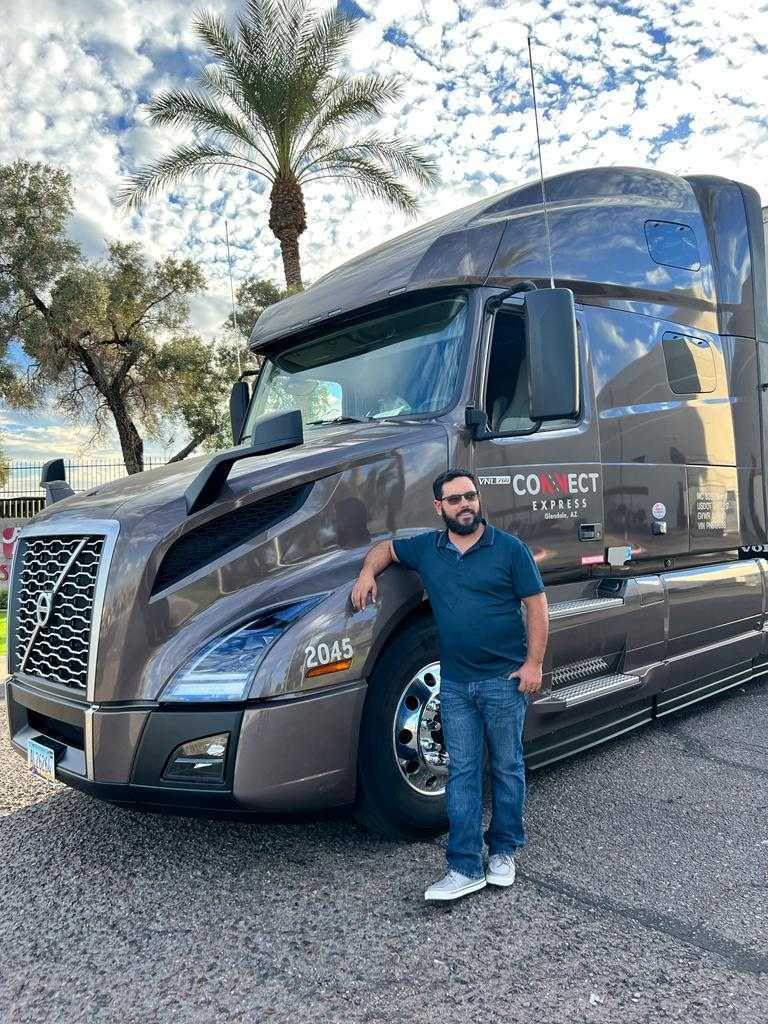
Connect Express LLC runs out of 5701 W Maryland Ave in Glendale, roughly twenty minutes from most of the industrial corridor along Grand Avenue and I-10. That location matters more than it sounds. Jobsite freight is a timing business, and being on the west side means a truck can stage the night before and hit a 6:30 a.m. delivery window in Buckeye, Goodyear, or downtown Phoenix without fighting an inbound haul from out of state first.
Why Jobsite Freight Breaks the Standard Playbook
A dry van delivery ends at a dock. A flatbed delivery ends wherever the crane, forklift, or telehandler happens to be that morning, which may be a graded dirt pad with no address on it. Three things change because of that.
- Unloading is your problem, not the receiver’s. Somebody has to have equipment on site and a person qualified to run it. If the site does not, the load has to be planned around a scheduled crane pick, and that decision belongs in the quote, not in a phone call at 7 a.m.
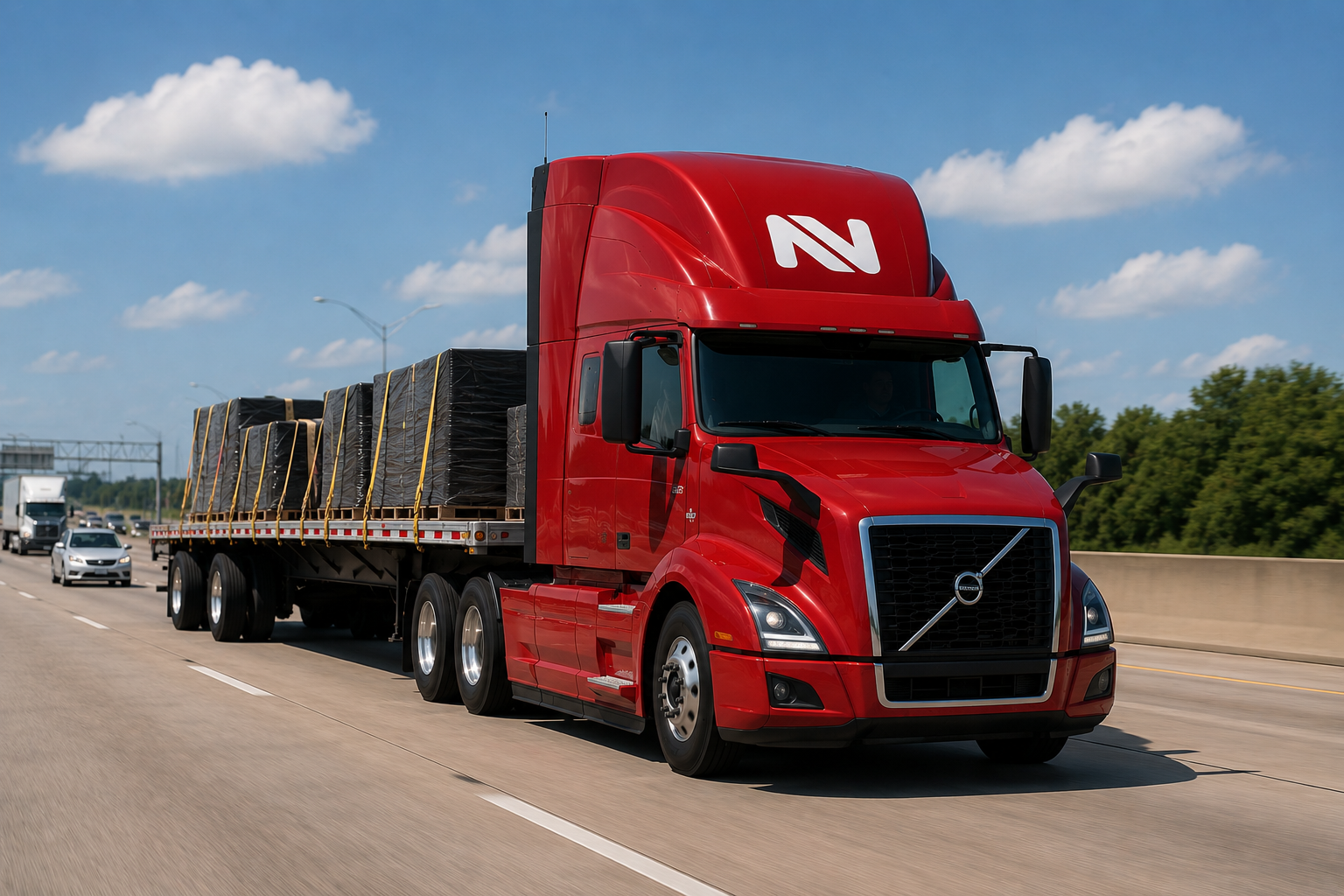
- Securement is load-specific. Coils, bundled pipe, banded lumber, and a skidded press each have different tie-down math under the federal cargo securement rules: chains and binders for steel, straps and edge protection for finished material, blocking and chocking for anything that can roll.
- Weather is real here. Monsoon season between roughly June and September means tarping is not optional on drywall, insulation, engineered wood, or anything with a finished surface. Summer heat also compresses the workday, and many crews stop setting steel by early afternoon, which pulls delivery windows earlier.
The Three Freight Types We See Most
Lumber and Building Materials
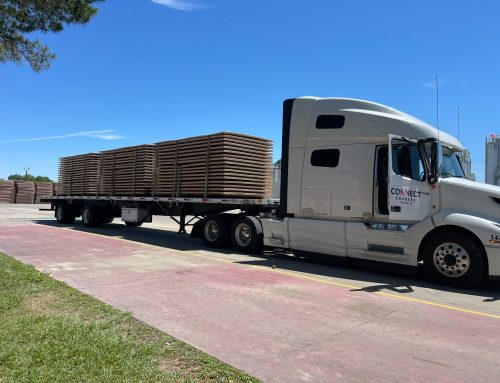
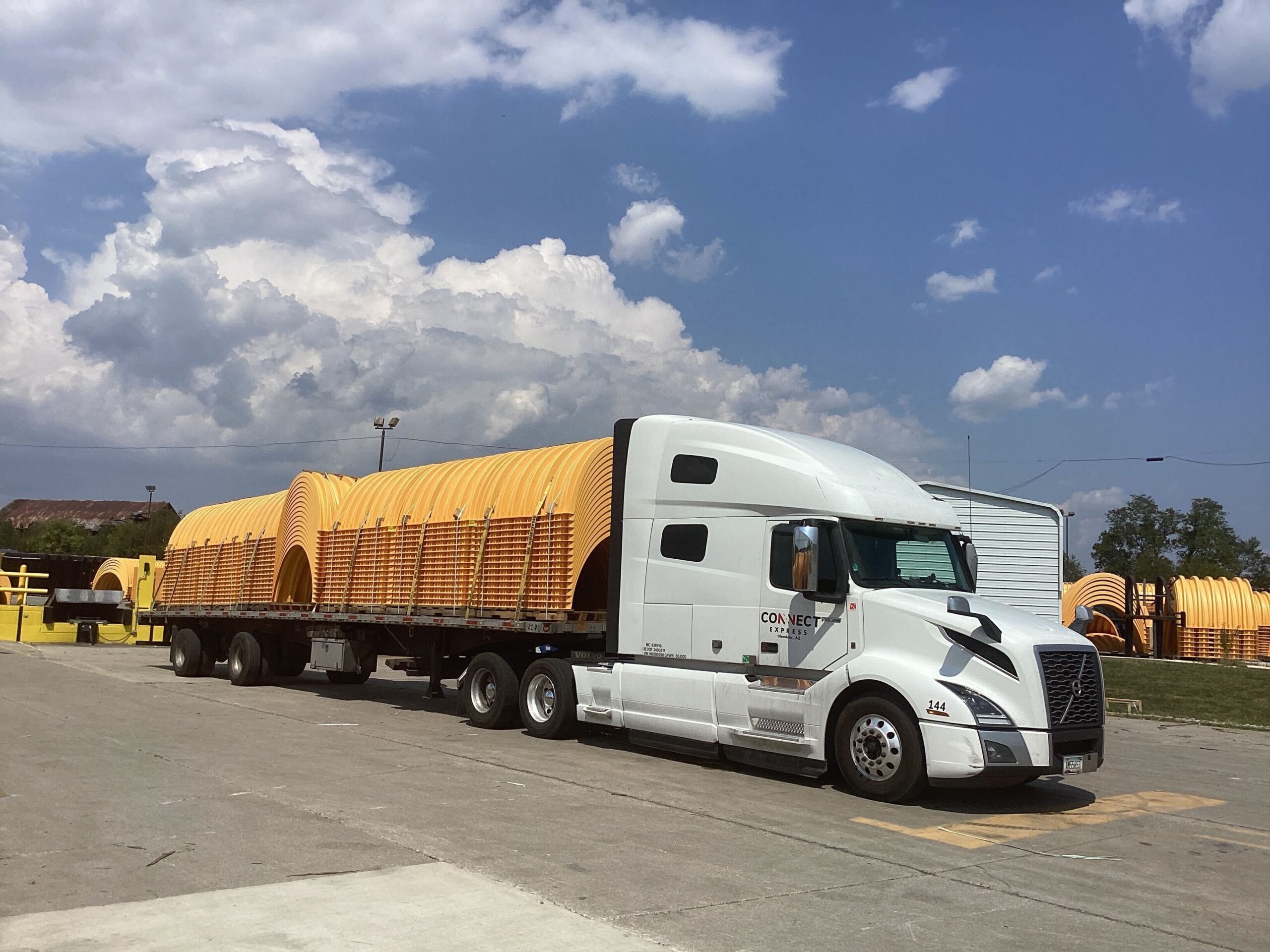
Bundled dimensional lumber, trusses, engineered joists, and panel products move on 48-ft flatbeds and step decks. Trusses are the classic headache: light in weight, awkward in length, easy to damage if stacked or strapped carelessly. These loads are about cube and length rather than weight, and they need tarps if there is any chance of rain between pickup and set.
Steel
Structural beams, rebar bundles, decking, plate, and coil are the opposite problem. Weight comes on fast and axle distribution decides whether the load is legal. A load that fits easily inside 48 feet can still be illegal if the weight sits in the wrong place over the trailer. Rebar and beams also need proper dunnage so the crew can get slings or forks underneath at the other end.
Machinery and Equipment
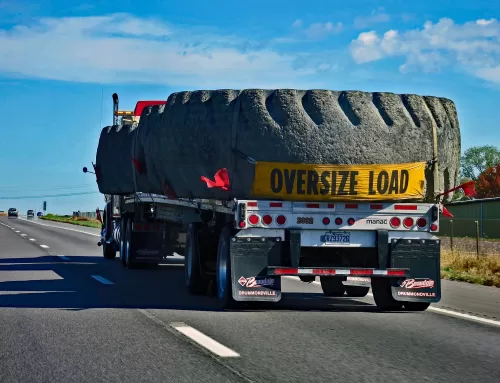
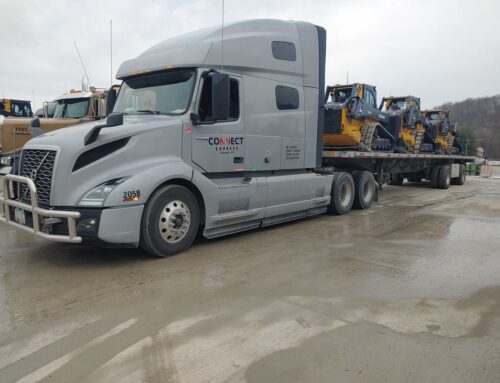
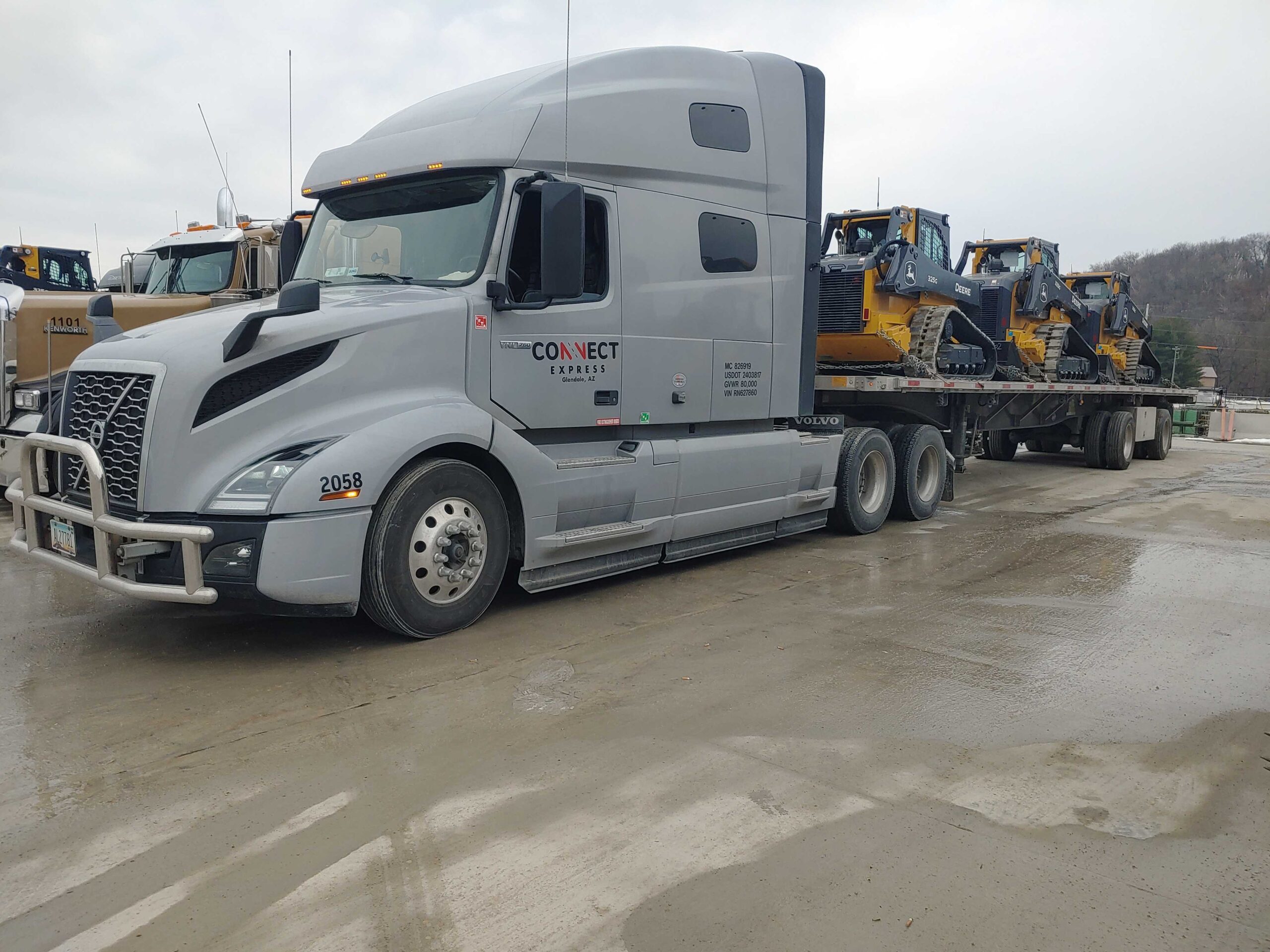
Skid steers, compressors, generators, rooftop HVAC units, gearboxes, and production machinery each have their own tie-down points and center of gravity. Tall equipment is where trailer selection matters most. A machine standing 10 feet tall on a standard flatbed deck will exceed 14 feet overall and become a permit load, while the same machine on a step deck or double drop may stay legal. Choosing the trailer before quoting is the whole game.
Legal Load vs. Oversize in Arizona
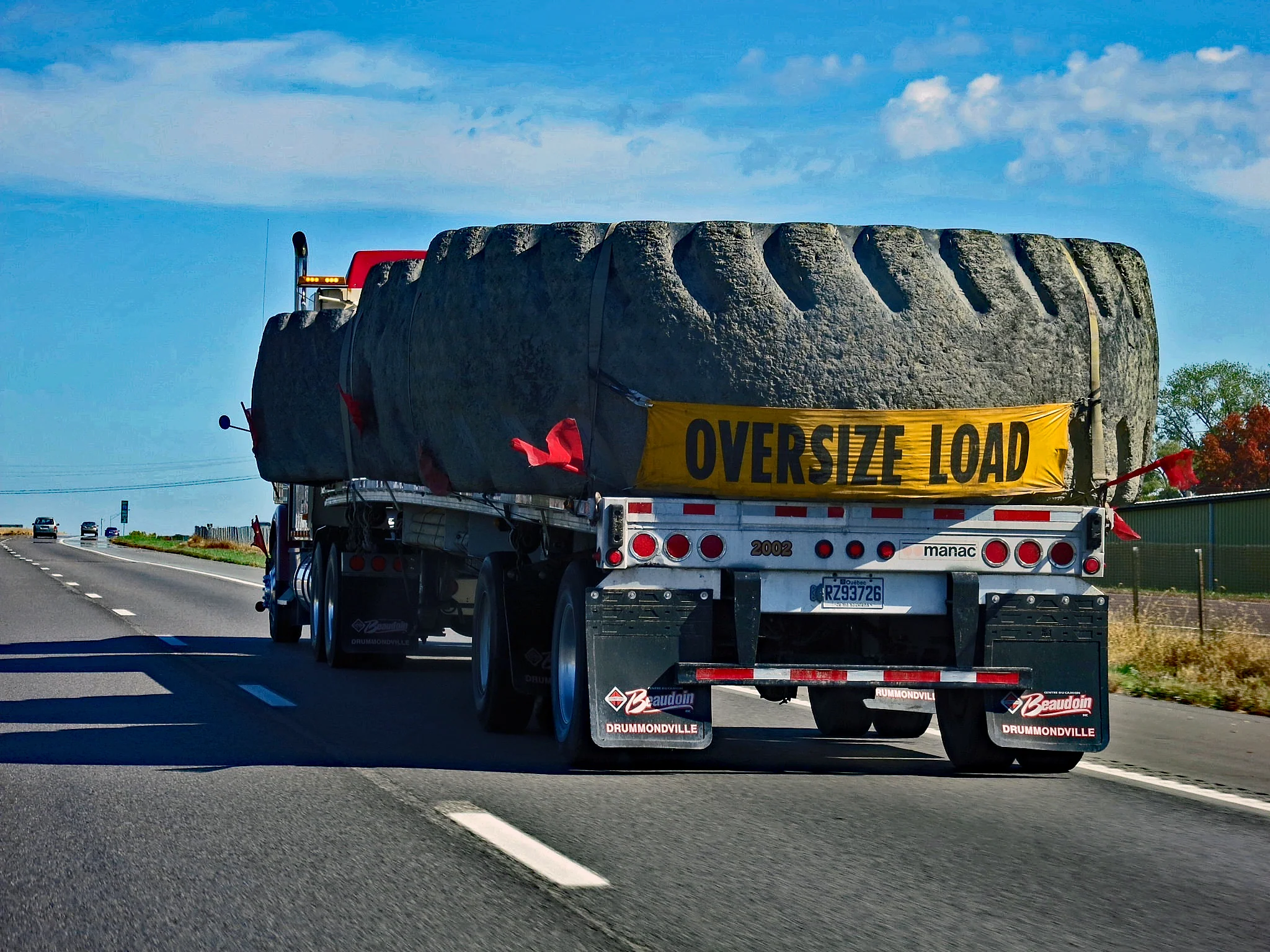
Arizona’s general limits for a load moving without a permit are 8 feet 6 inches wide, 14 feet high, and 80,000 pounds gross, with length limits that depend on the trailer configuration. Stay inside those and the truck rolls on its own schedule. Cross any one of them and the shipment becomes a permitted move governed by ADOT, and the rules change.
- A permit is pulled per trip and per route, and it specifies the roads you are allowed to use.
- Travel is generally restricted to daylight hours, with additional limits around holidays and, in some corridors, weekends.
- Wider or taller loads require escort vehicles, and the largest can require route surveys, utility coordination, or law enforcement escorts.
- City and county jurisdictions across the Phoenix metro can add conditions on top of the state permit.
The practical takeaway for a project manager is that an oversize load is a scheduling commitment, not just a higher line item. If a delivery has to hit a crane window on a Saturday morning and the load needs a permit, that plan may not survive contact with the permit office. Confirm dimensions early. For loads that genuinely will not fit inside legal limits, our overdimensional freight Arizona service handles permitting and escort coordination as part of the move rather than leaving it with the shipper.
What to Have Ready Before You Call
Quoting flatbed accurately takes about five pieces of information, and having them ready is the difference between a firm number and a guess that gets revised later.
- Dimensions and weight of the largest single piece, not just the totals. One 12-foot-wide item changes the entire move.
- Loading and unloading method at both ends. Forklift, crane, overhead gantry, or nothing at all.
- Site access. Can a 70-foot combination turn into the entrance and get back out? Is there a soft dirt pad, an active pour, or a narrow residential street involved?
- The real delivery window. Not the date on the schedule, but the hours the crew and the equipment are actually on site.
- Tarp requirement. If it cannot get wet or dusty, say so up front, because tarping adds time and labor at pickup.
Working With a Local Carrier
There is a difference between a broker posting your load to a board and a trucking company Glendale AZ based, with drivers who already know that a particular yard in Chandler will not let a truck stage on the street, or which route out of a quarry avoids a weight-restricted bridge. Local knowledge shortens every conversation and prevents the failure mode contractors hate most: a truck that shows up on time but cannot physically complete the delivery.
We handle single loads and repeating jobsite schedules, in-state runs across the Phoenix and Tucson corridors, and interstate flatbed into and out of Arizona. If a project has phased deliveries, we would rather map the whole sequence once than quote each leg cold.
Get a Number You Can Build Around
Send the piece list, the dimensions, and the delivery window, and we will tell you what trailer it needs, whether it is a permit load, and what it costs. Call 480-401-1998, stop by 5701 W Maryland Ave in Glendale, or request a truckload freight quote and we will come back with a plan, not just a price.