A missed pickup usually starts the same way. Too many calls, not enough answers, and nobody wants to say who actually has the load. That is why the asset carrier vs broker question matters more than most shippers think.
If you are moving freight every day, this is not just a paperwork difference. It affects pickup reliability, communication, capacity, claims, and how fast you get a straight answer when something changes.
Asset carrier vs broker: the real difference
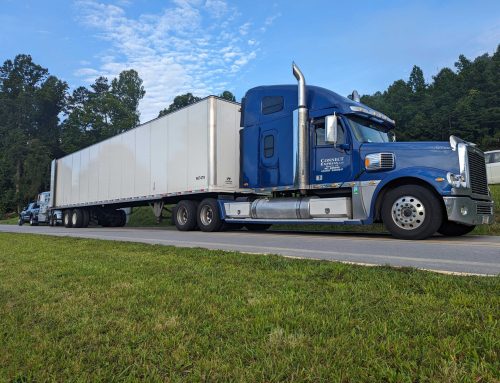
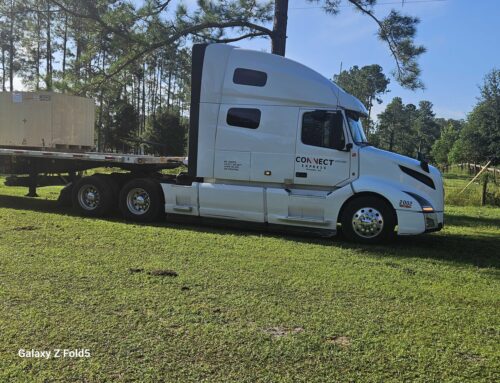
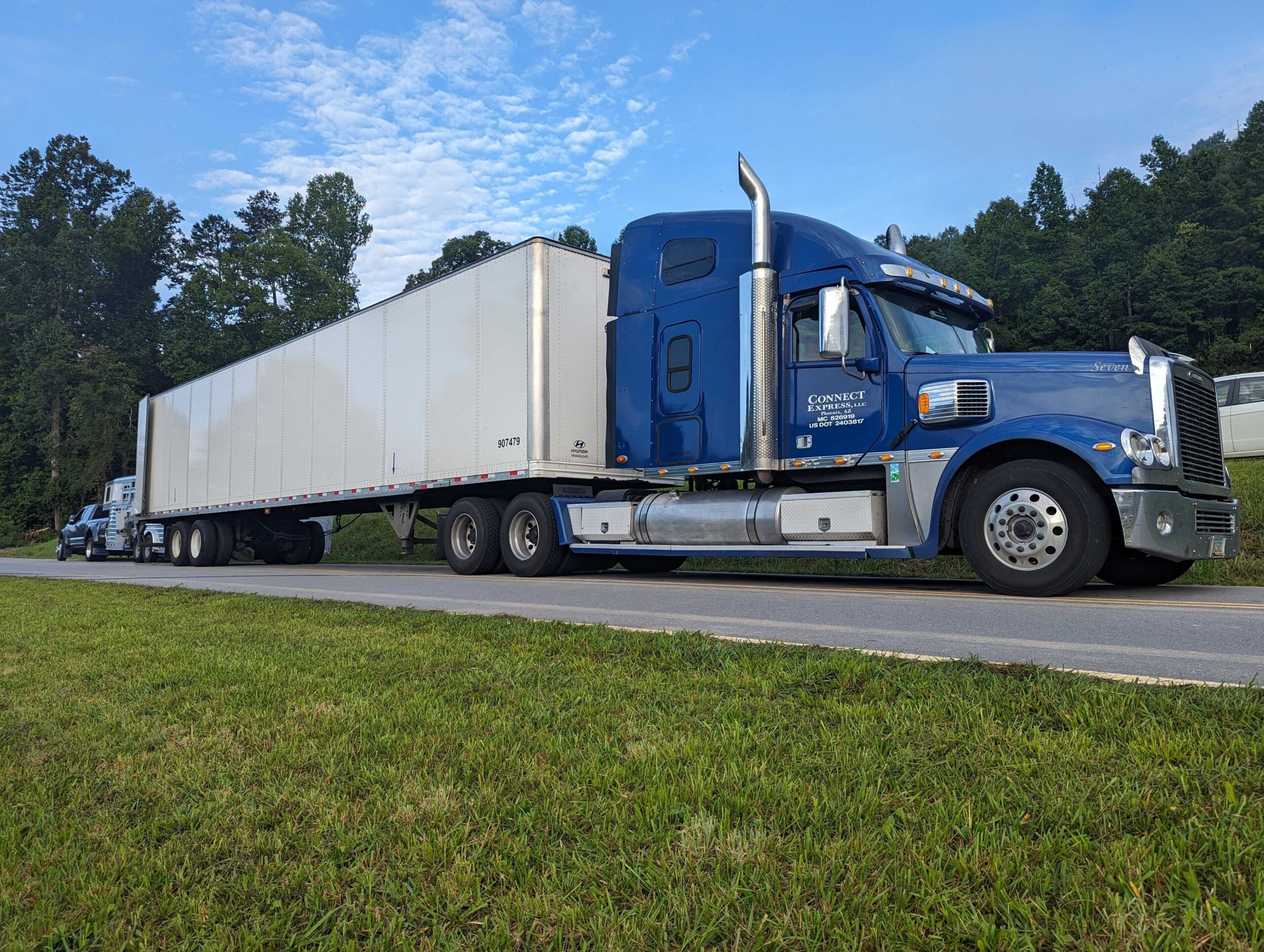
An asset carrier runs trucks. They employ drivers or contract them directly under their operation, manage equipment, handle dispatch, and physically move the freight.
A broker arranges transportation. They do not haul the load themselves unless they also operate as a carrier under a separate authority. Their job is to connect a shipper with a carrier that has available capacity.
That sounds simple, but the day-to-day impact is where the difference shows up.
When you book with an asset carrier, you are usually talking to the company that will dispatch the truck, assign the driver, and track the load. When you book with a broker, you are talking to the middle layer coordinating with the carrier that will do the actual work.
Neither model is automatically better in every situation. But they are not interchangeable.
What changes for the shipper
The biggest difference is control.
An asset carrier has direct control over trucks, drivers, schedules, and equipment. If a reefer unit needs attention, if a flatbed load needs securement checked, or if a driver is running behind at a receiver, the carrier can act on it directly. There is less back-and-forth because the company handling the call is the company handling the truck.
A broker has less direct control because they rely on another carrier to execute. A good broker can still keep a load moving well. They can find capacity fast, cover lanes that are hard to service, and help when you need options. But they are still coordinating through someone else.
That matters when things go off plan.
If your dock runs late, if an appointment changes, or if weather shifts the route, an asset carrier can usually respond faster because dispatch is tied to the truck. With a broker, updates may depend on how quickly the underlying carrier responds. Sometimes that works fine. Sometimes it turns one phone call into three.
When an asset carrier makes more sense
If your freight is repetitive, time-sensitive, or hard to hand off, an asset carrier usually gives you a cleaner operation.
Dedicated freight lanes are a good example. If you ship the same lane every week, consistency matters more than shopping for capacity every time. You want the same level of service, the same communication rhythm, and fewer surprises. A carrier with real equipment can build that lane with you and keep it stable.
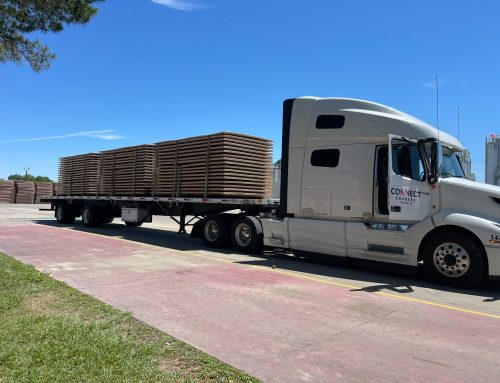
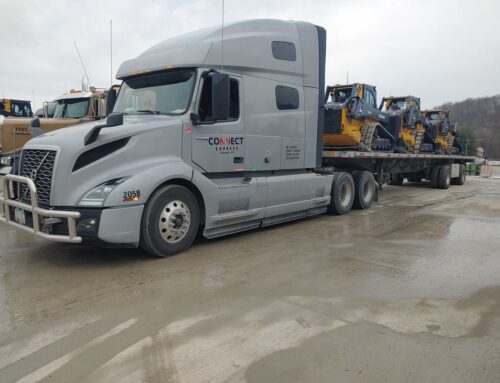
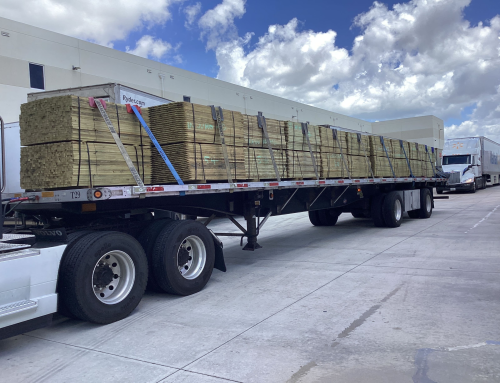
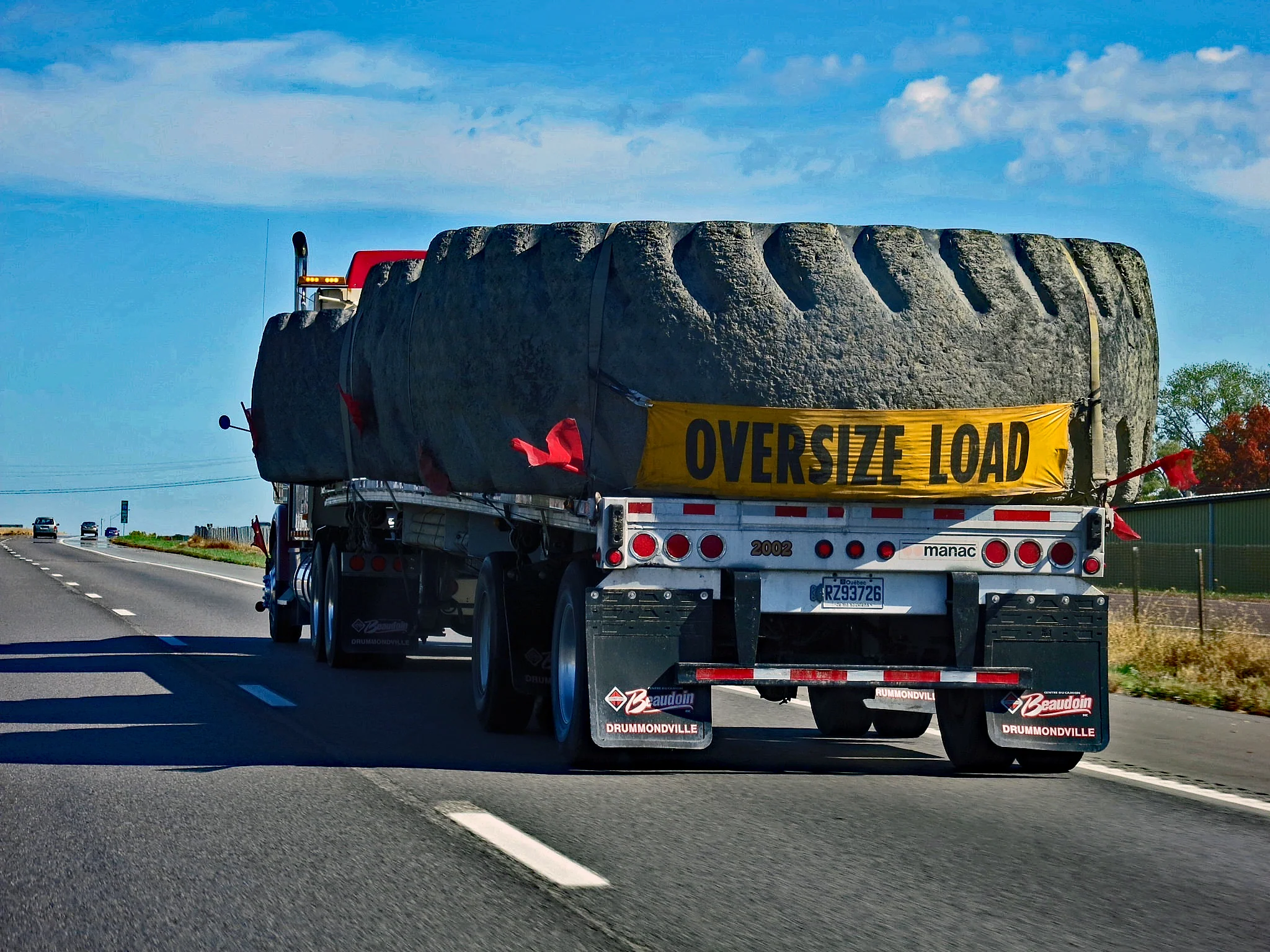
The same goes for specialized freight. Reefer loads, flatbed shipments, and oversized freight all require tighter execution. Temperature settings, securement, trailer fit, and timing all matter. In those cases, working directly with the company handling the truck often reduces confusion.
Shippers also tend to prefer asset carriers when visibility matters. You want real updates. Not vague check-ins. Not a chain of texts relayed through two offices. Just a clear answer on where the load is and what happens next.
That is one reason many freight managers prefer working with a carrier based in their region for recurring moves. A Phoenix, Arizona carrier covering the Southwest, for example, may already understand the lanes, appointment patterns, weather issues, and receiver habits that affect service.
When a broker can still be the right call
Brokers solve a different problem. They are useful when you need reach more than direct control.
If you have irregular freight, seasonal volume spikes, or lanes outside your usual carrier network, a broker can help find trucks quickly. They can also help when a shipment falls outside a carrier’s normal equipment mix or geography.
That flexibility has value. A shipper with scattered one-off loads may not need a direct carrier relationship for every move. In that case, a broker can fill gaps.
Brokers can also help if your freight team is stretched thin and you need one contact managing multiple carriers behind the scenes. A strong broker knows where to look for capacity and how to match freight with the right type of truck.
The trade-off is that the quality of service depends heavily on the broker’s network and follow-through. Some brokers stay on top of every shipment. Some disappear after the rate confirmation goes out. That is the risk shippers are really trying to manage.
Communication is where the gap shows up fastest
Most shipping problems are not caused by the original plan. They come from poor communication after the plan changes.
This is where asset carriers often stand out.
When the truck belongs to the carrier, dispatch can speak directly to the driver and give you a real update. If pickup is delayed, you hear it sooner. If the driver is empty early, that can be turned into an earlier arrival. If a receiver is slow, the carrier knows what is happening in real time.
With a broker, communication depends on how well they stay connected to the carrier and how honest the carrier is being with them. Good brokers manage this well. Weak ones give partial updates, late updates, or no updates until the shipper starts chasing.
For freight managers, that difference is not small. It affects production schedules, customer commitments, and internal trust. If your team has to keep asking for the same status, the problem is already bigger than one load.
Claims, accountability, and who owns the problem
When freight is damaged or service fails, everybody suddenly wants to define their role very carefully.
With an asset carrier, the line of responsibility is usually more direct. The same company that accepted the load moved it. There is less confusion about who had possession and when.
With a brokered load, responsibility can get more complicated because the broker arranged the shipment but the carrier handled the freight. That does not mean a claim cannot be resolved. It means there is another handoff in the process, and handoffs are where delays tend to start.
The same applies to service failures. If a truck misses pickup or falls off the schedule, an asset carrier owns the issue directly. A broker may work hard to fix it, but they are still managing another party’s execution.
For shippers moving high-value freight, temperature-sensitive product, or appointment-critical loads, that distinction matters.
How to choose without overthinking it
Start with the freight.
If you have steady lanes, strict appointments, or specialized equipment needs, lean toward an asset carrier. You will usually get stronger execution and cleaner communication.
If your volume is unpredictable or your freight pattern changes every week, a broker may help cover the gaps. That is especially true when you need broader market access on short notice.
Then look at how much visibility your operation needs. If your team cannot afford guessing, use partners that can give direct updates without delay. Ask who dispatches the truck. Ask who talks to the driver. Ask who is responsible if the plan changes at 4:30 p.m.
Those answers tell you more than a sales pitch ever will.
Asset carrier vs broker for long-term freight planning
For long-term planning, the asset carrier vs broker decision usually comes down to consistency versus flexibility.
An asset carrier is often better for building repeatable service. You learn their operating style. They learn your facilities, pickup windows, product requirements, and problem spots. Over time, that can reduce errors and speed up every load.
A broker is often better for handling swings in demand or lanes that do not justify a dedicated carrier setup. If your network changes often, flexibility may matter more than direct control.
Many shippers use both. They rely on core asset carriers for key lanes and use brokers for overflow or unusual coverage. That can work well if roles are clear.
The mistake is treating every shipment the same. Your most important freight should not be managed like an extra load that happened to come up at noon.
What a good partner sounds like
You can usually tell early whether you are dealing with a real operator or just another layer in the chain.
A good carrier gives direct answers. They tell you what equipment is available, when the truck can load, and how updates will be handled. No guessing where your load is.
A good broker should also be clear about their role. They should tell you who the hauling carrier is, how communication will work, and what happens if coverage changes.
If the answers stay vague, the service probably will too.
Shippers do not need perfect conditions. They need partners who show up on time, communicate early, and handle problems without excuses. That is what separates a usable relationship from a frustrating one.
The right choice is not about labels. It is about who can actually move your freight the way your operation needs it moved – safely, on time, and without turning every load into a follow-up project.
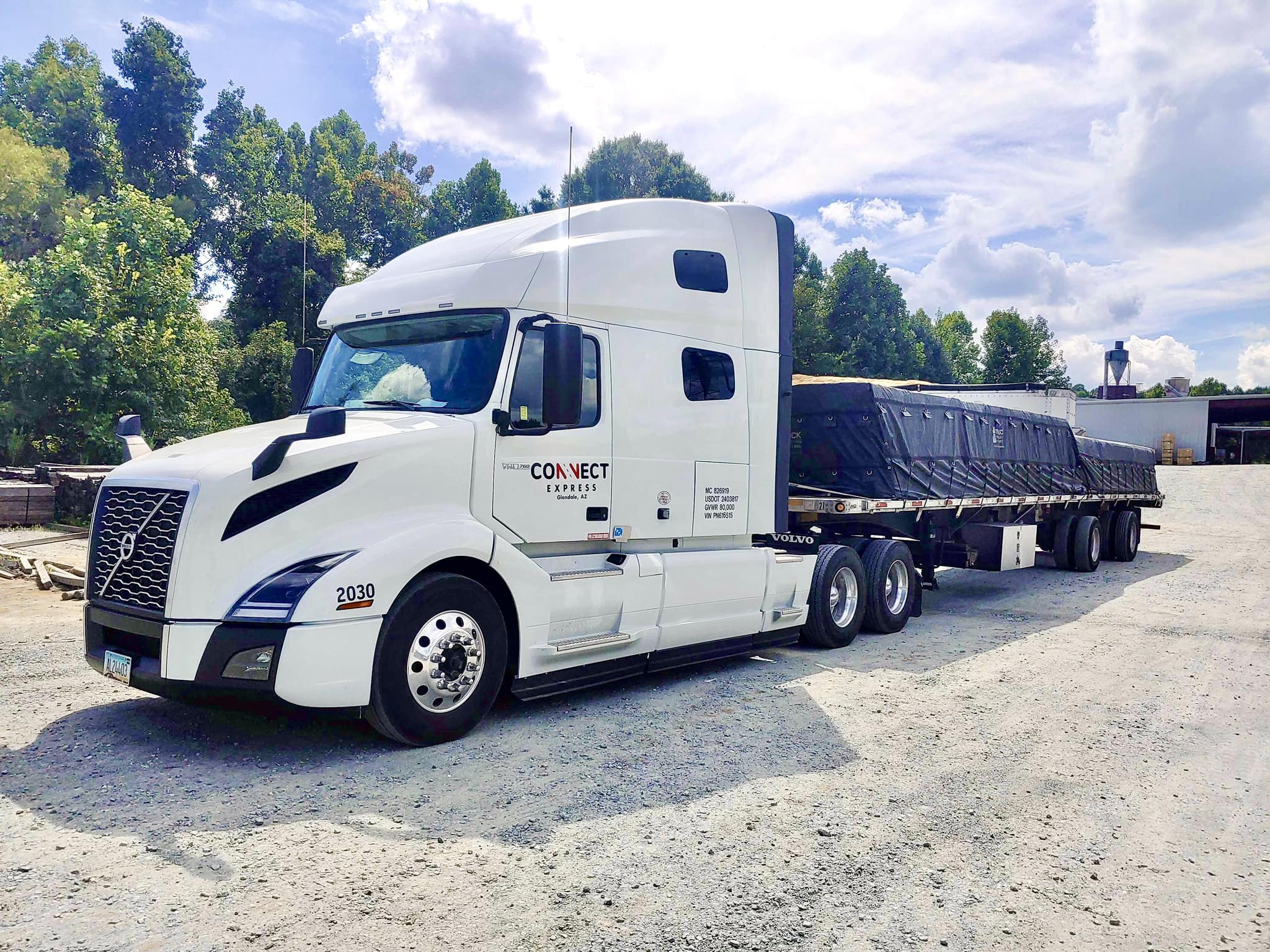
Need capacity on this type of freight? Connect Express LLC provides asset-based dedicated truckload service across the Southwest and nationwide.
Request a truckload quote: Contact Connect Express or call (844) 474-8963.