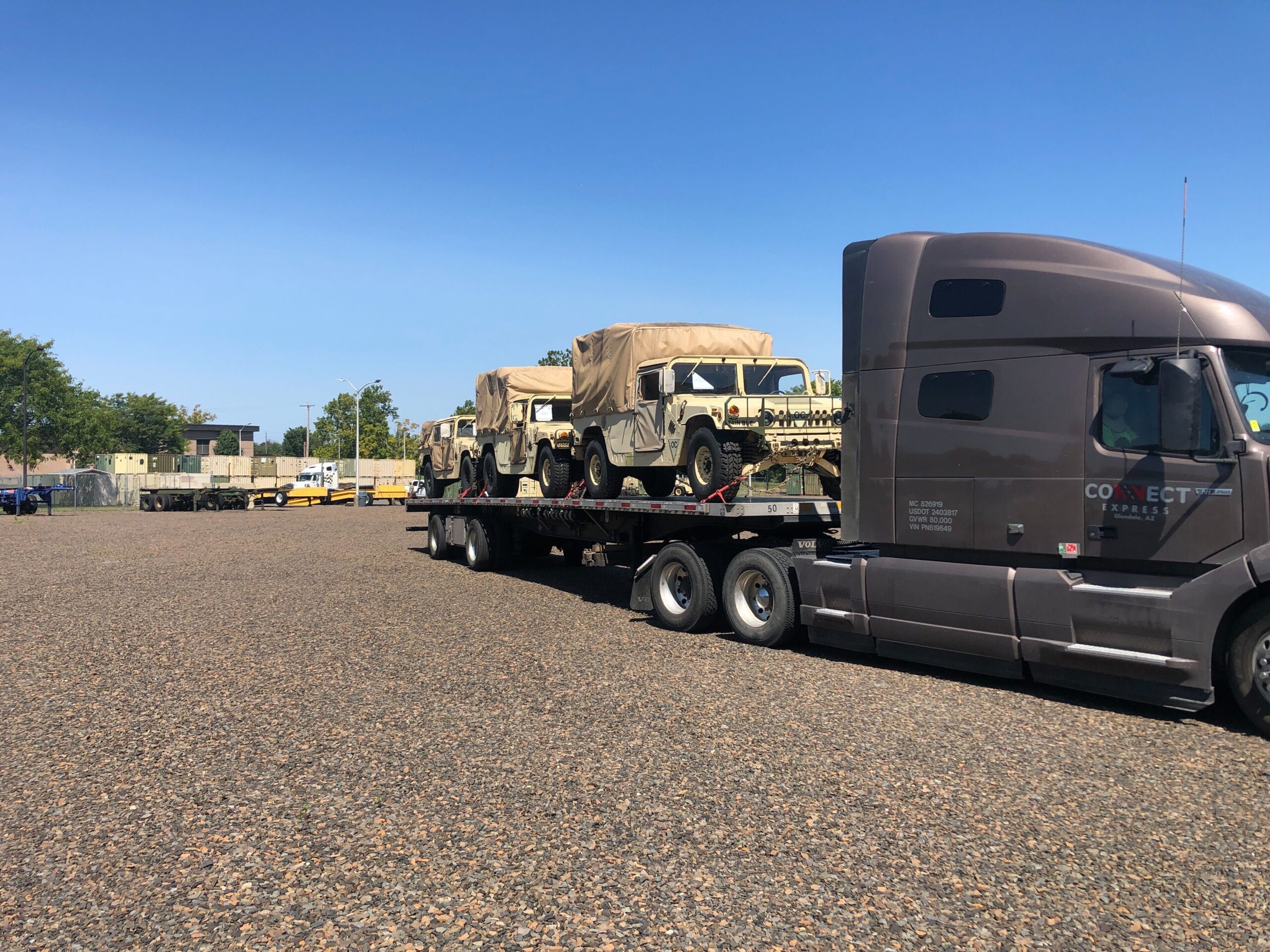
A load gets picked up late once, and maybe you can work around it. It happens twice, and now your customer is calling. That is why finding the best trucking companies for shippers is not about flashy sales talk. It is about who answers the phone, who shows up on time, and who keeps freight moving without drama.
A lot of carriers sound the same at first. They all say they are reliable. They all say they communicate. The difference shows up when a pickup window is tight, the receiver changes the appointment, or a driver gets stuck in weather. Good carriers deal with the problem and keep you updated. Bad ones go quiet.
What the best trucking companies for shippers actually do
The best trucking companies for shippers make your job easier. That sounds obvious, but it is the standard that matters. If a carrier creates more follow-up, more checking, and more uncertainty, they are not helping your operation.
A strong trucking company does a few basic things well every day. It confirms the load clearly. It dispatches the right equipment. It gives real updates, not vague check-ins. It delivers on time or gives notice early if something changes. That is the job.
This matters even more when you are moving freight that cannot sit. Reefer loads, production freight, retail appointments, and jobsite deliveries all have less room for mistakes. A missed pickup is not just a missed pickup. It can shut down a line, delay an install, or create chargebacks.
Start with equipment, not promises
If you are trying to sort through carriers, start with the equipment they actually run. Not what they say they can “cover.” What they operate.
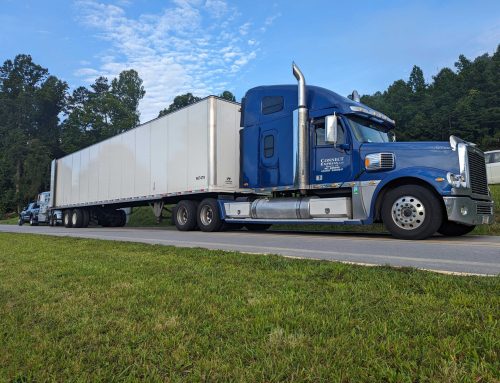
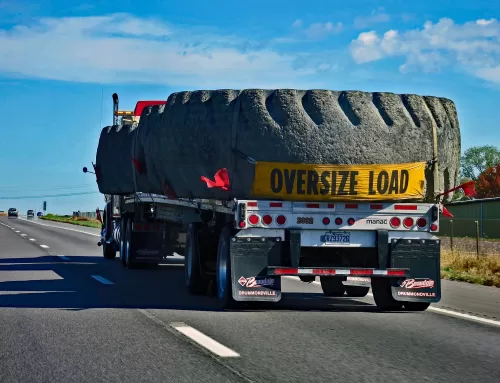
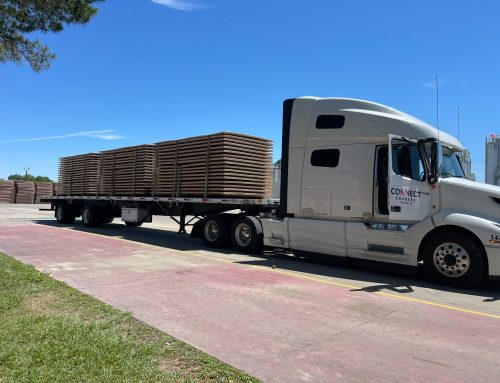
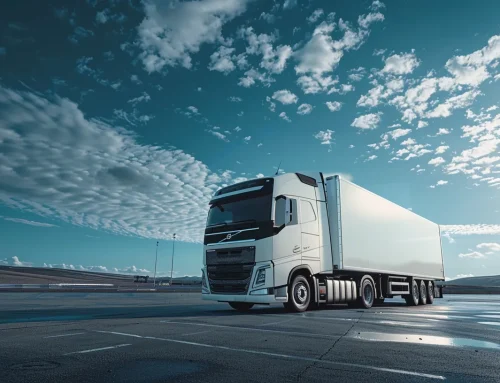
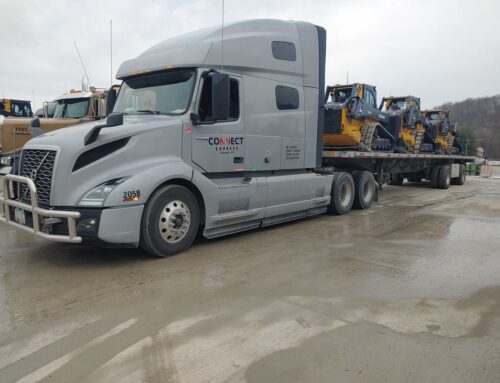
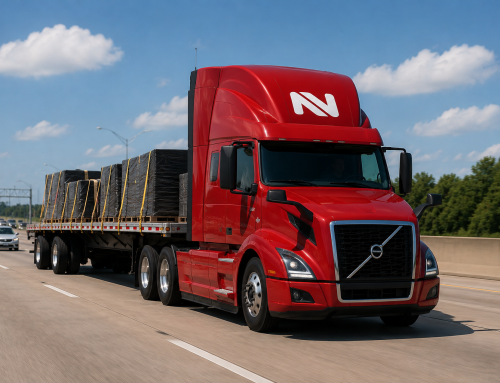
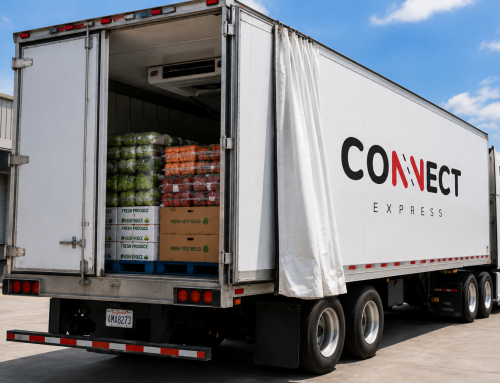
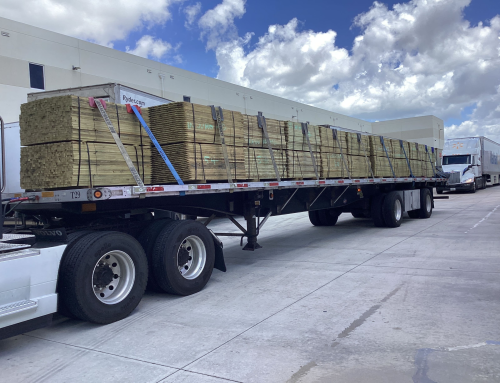
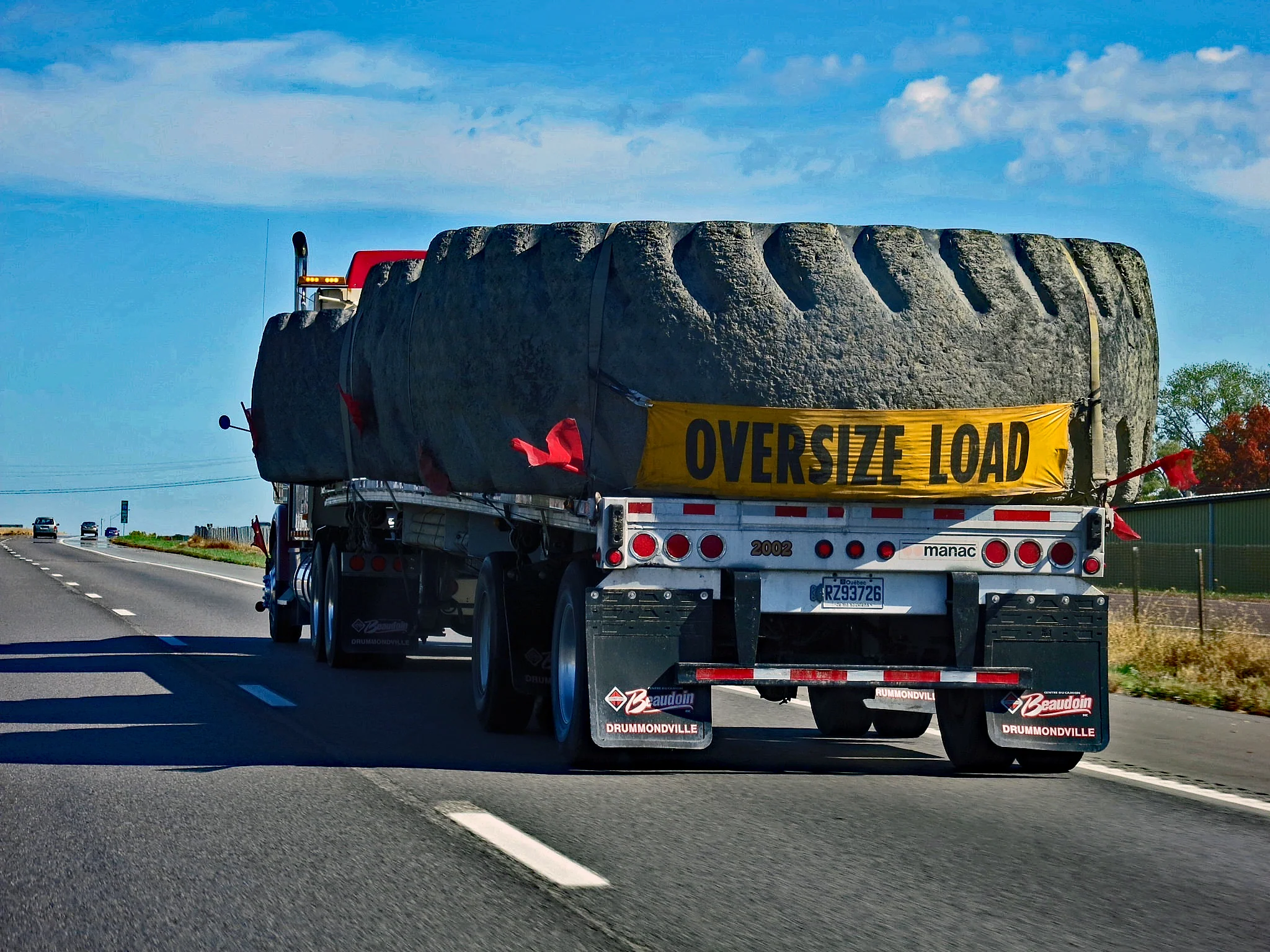
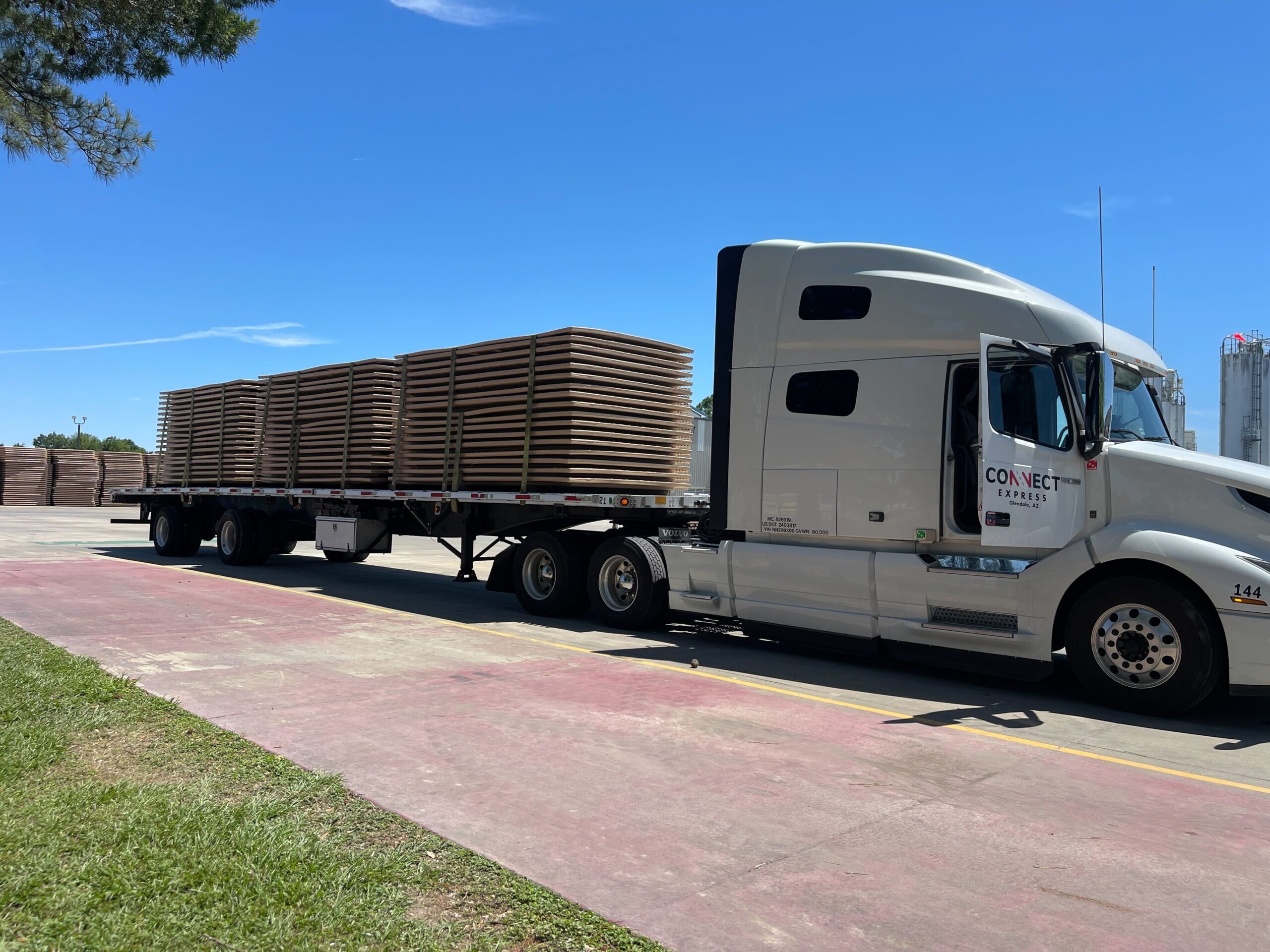
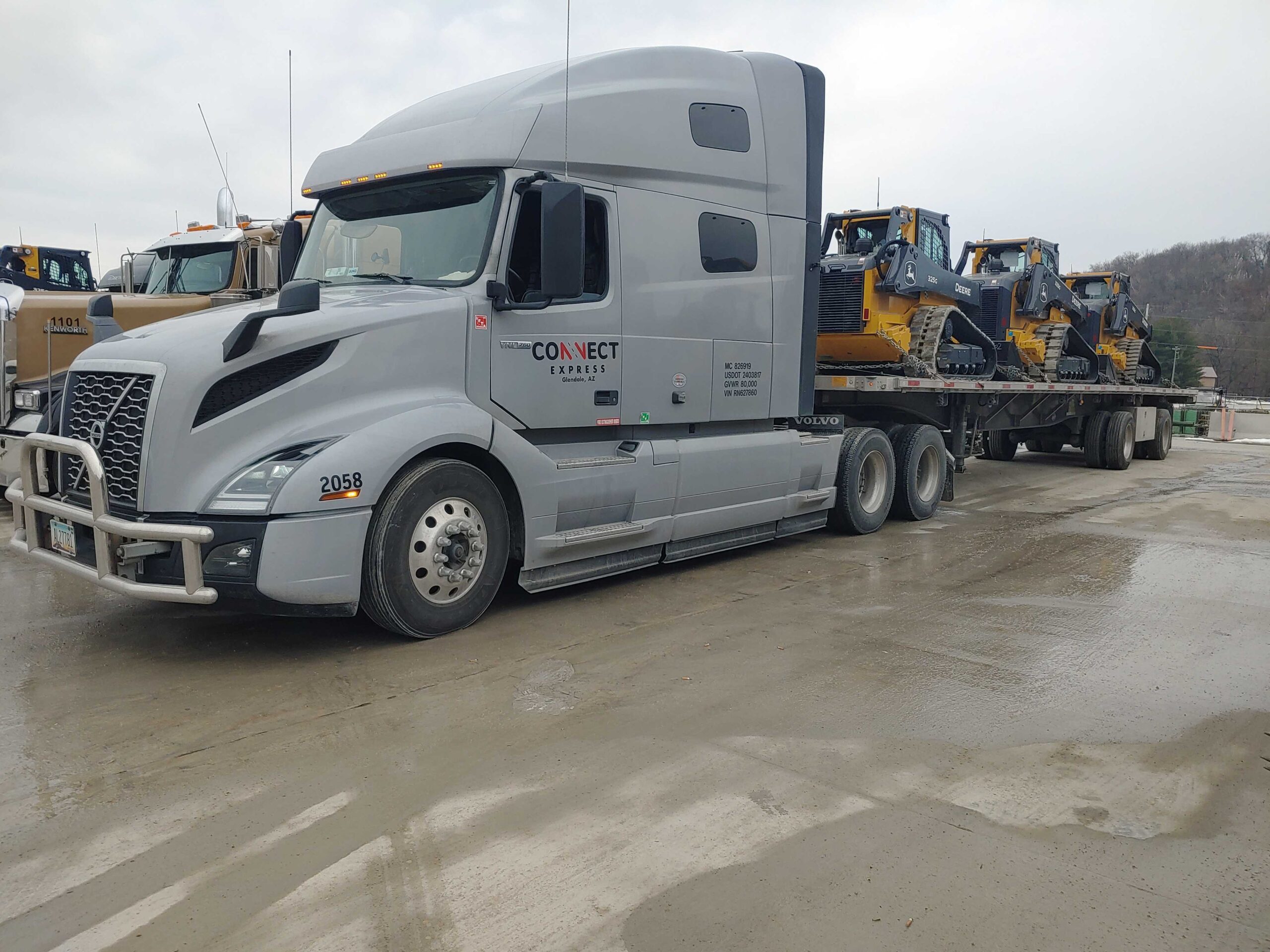
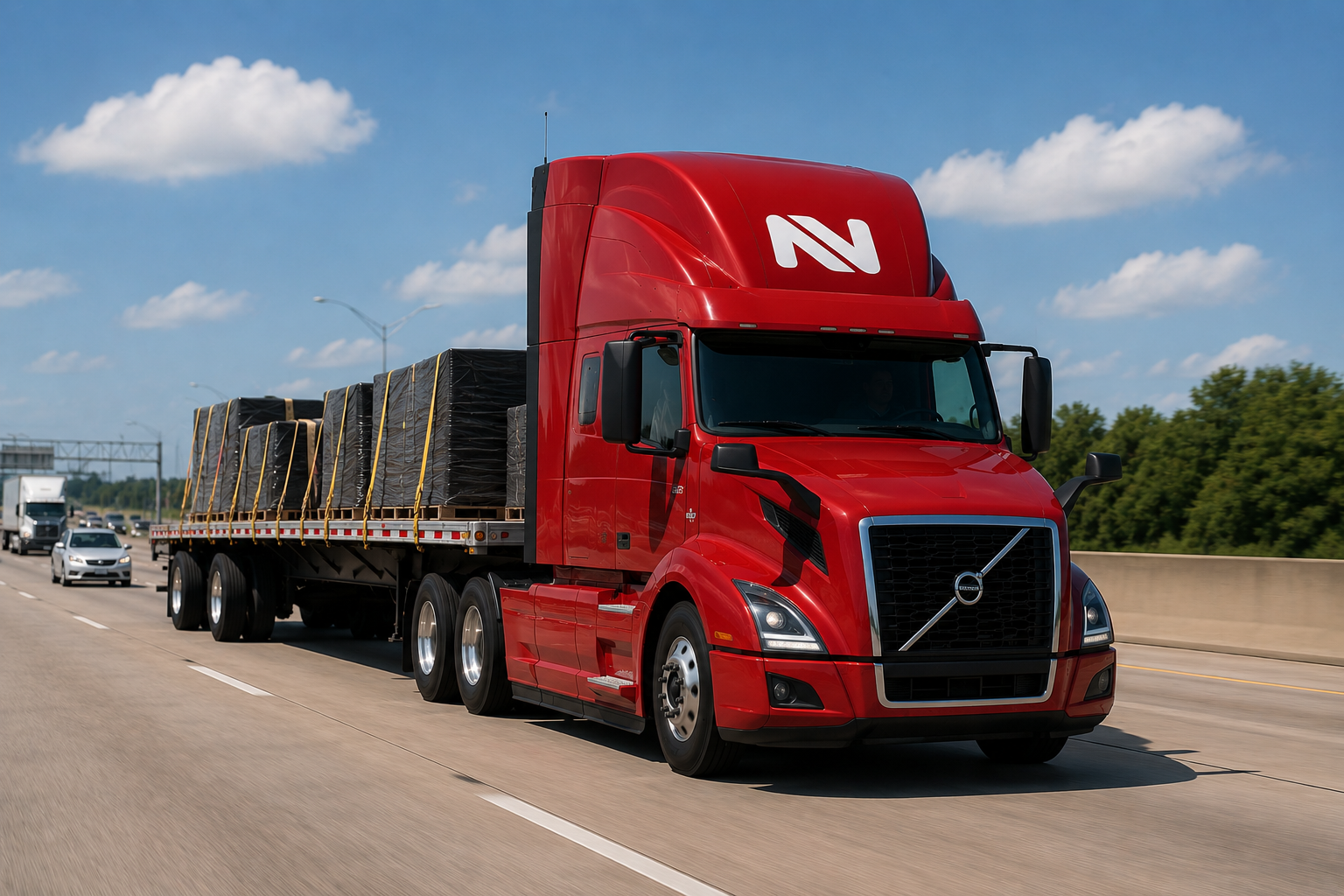
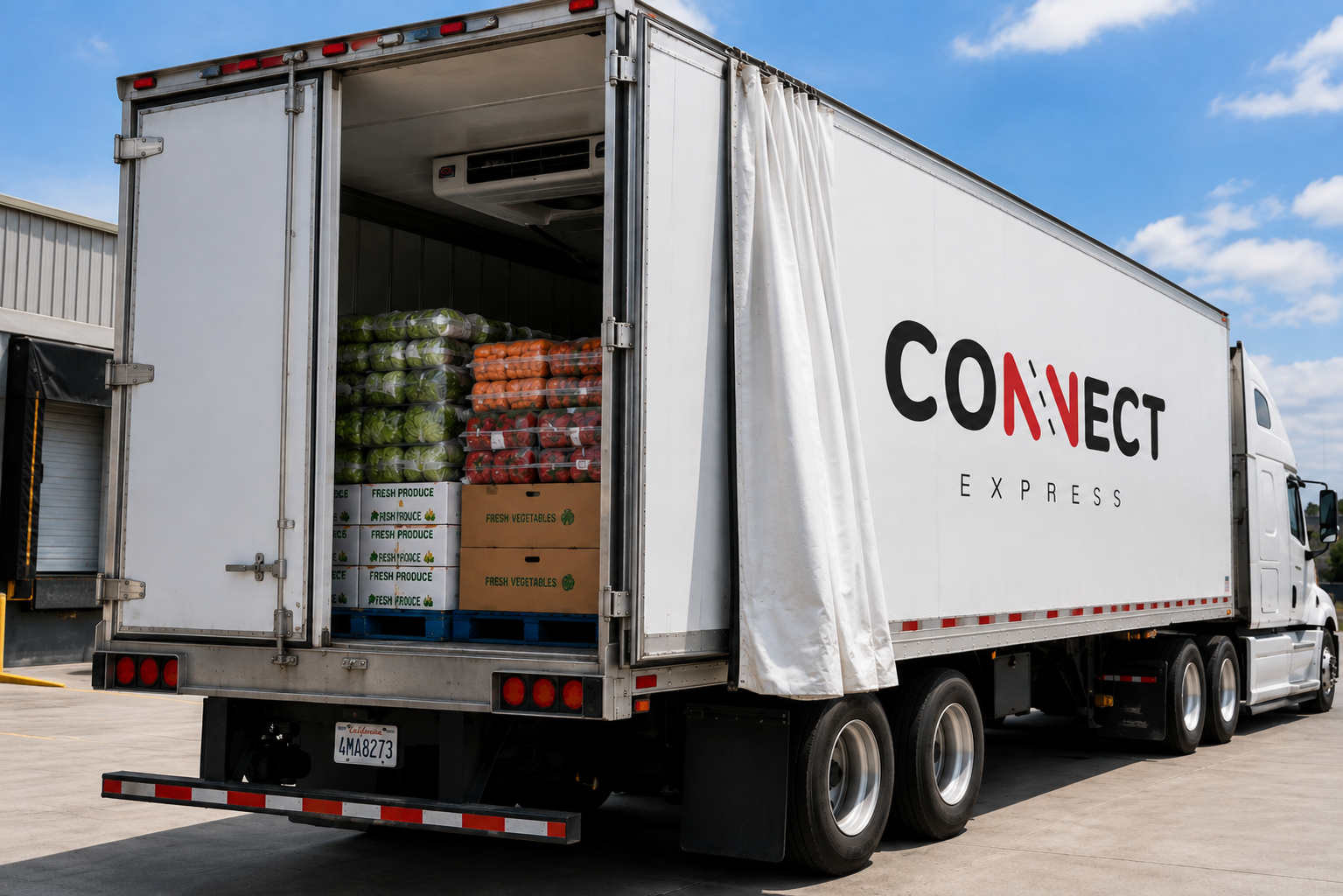
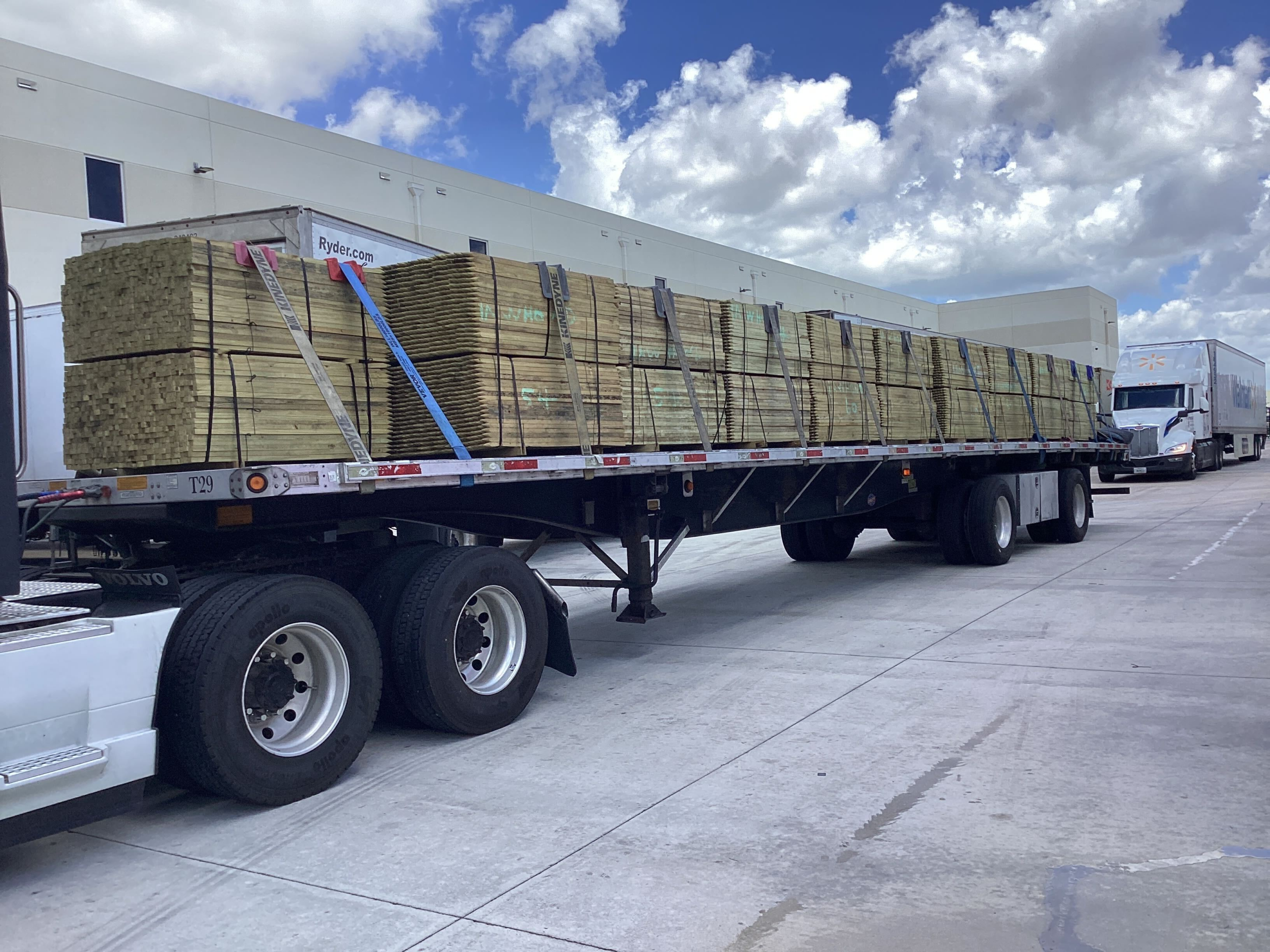
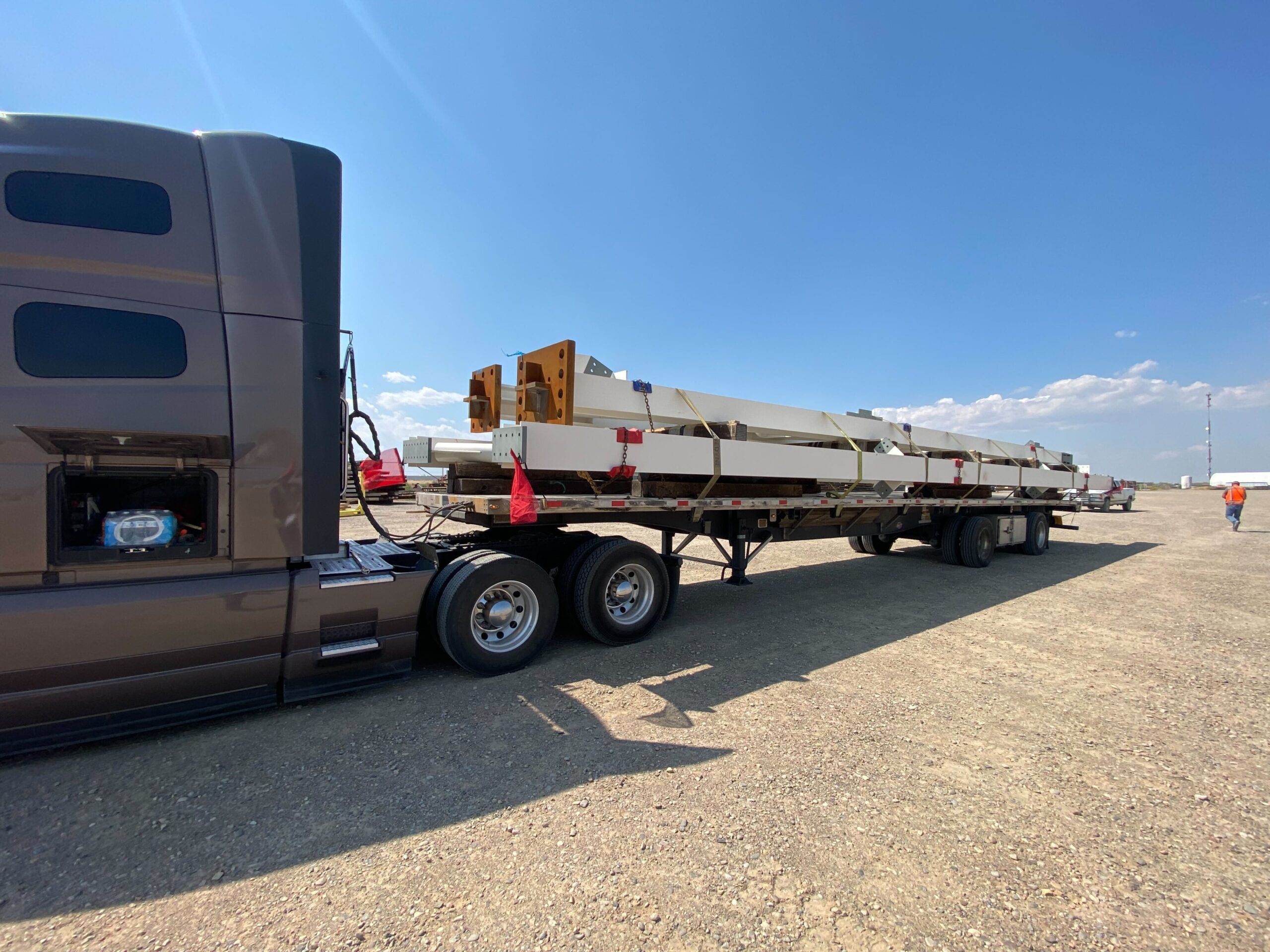
A shipper moving dry van freight needs a carrier with clean trailers, dependable tractors, and drivers who understand appointment freight. A shipper moving refrigerated product needs reefer units that are maintained correctly and drivers who know temperature control is not optional. Flatbed and oversized freight require even more attention. Securement, permits, route planning, and delivery site conditions all matter.
This is where a lot of problems start. A carrier may accept the load, then scramble to figure out the details later. That is how loads get rescheduled or handled wrong. The better choice is a company that already runs that freight type as part of its normal operation.
If your lanes are steady, dedicated capacity matters too. A carrier that knows your shipping windows, your facilities, and your expectations will usually perform better than one that is learning your account load by load.
Communication is not a bonus
Shippers do not need more messages. They need accurate ones.
The best trucking companies for shippers understand that communication is operational, not cosmetic. A pickup confirmation matters. An arrival update matters. A fast call when something changes matters even more. No guessing where your load is. No chasing three people to get one answer.
This is one of the clearest signs of a carrier you can trust. If updates are hard to get before the load even moves, it usually gets worse once the truck is on the road. On the other hand, when dispatch is organized and drivers are responsive, the whole shipment feels calmer. You spend less time checking and less time explaining delays to someone else.
A good carrier also knows when to raise a flag. If a facility has detention issues, if loading is running behind, or if weather will affect transit, you should hear it early. Not after the appointment is missed.
On-time service is built before the truck rolls
A lot of people talk about on-time delivery like it only depends on the driver. It does not. It starts earlier.
A carrier has to plan the load correctly. That means realistic pickup timing, proper dispatch, legal hours, and equipment that is ready to go. If any of those pieces are weak, the shipment is already in trouble before the truck leaves the yard.
This is why experienced operations teams matter. A well-run carrier does not force a bad plan and hope it works out. They know which loads fit the schedule and which ones need a different setup. They ask the right questions up front. Is the pickup first come, first served? Is the receiver strict on appointments? Is there special handling? Does the load need straps, tarps, or temperature records?
Those details are not small. They are what separate a clean delivery from a preventable problem.
Safety tells you a lot
Shippers usually feel safety issues after something goes wrong. Damaged freight. A roadside delay. A rejected delivery. A claim that drags on.
That is why safety is not just a compliance box. It is part of service. A safe carrier maintains equipment, hires carefully, and expects drivers to handle freight the right way. If a company is loose on maintenance or careless on load securement, it will eventually show up in your operation.
This is especially true for reefer and flatbed freight. Temperature-sensitive loads need consistent monitoring and proper trailer prep. Flatbed freight needs securement done right every time. Oversized hauling raises the stakes even more because planning errors do not stay small.
When a carrier takes safety seriously, the shipment is usually more predictable. And predictable is exactly what most shippers need.
Capacity matters, but consistency matters more
Every shipper wants capacity when things get tight. That is fair. But there is a difference between a carrier that can take a load today and a carrier that can support your freight next month too.
The best trucking companies for shippers build trust through consistency. They cover the lane this week, then do it again next week without excuses. They know your freight profile. They know your service expectations. Over time, that relationship becomes more valuable than chasing a different truck every day.
This does not mean one carrier has to handle everything. It means the carriers you rely on should have a real operating base behind their service. Real trucks. Real drivers. Real dispatch. If a company controls its own equipment and communicates directly, accountability is usually clearer.
That is one reason many shippers prefer working with asset-based carriers for core lanes. When the same company that accepts the load is also moving it, there are fewer handoffs and fewer gray areas.
What to look for when choosing a carrier
You can learn a lot in the first few conversations.
Pay attention to how a trucking company asks questions. Do they want the basic details only, or are they trying to understand the full move? Good carriers ask about pickup hours, delivery requirements, commodity details, weight, securement needs, temperature settings, and any known issues at the shipper or receiver.
Also look at how they handle normal pressure. Freight changes. Appointments shift. Loads get added late. You want a carrier that stays steady when things are not perfect.
It also helps to think by freight type. Dry van shippers usually need schedule discipline and reliable updates. Reefer shippers need strict temperature control and clean execution. Flatbed shippers need planning, securement knowledge, and drivers who can handle jobsite conditions. Oversized freight needs a carrier that understands permits and route limits before pickup day.
A trucking company does not need to be the biggest to be the right fit. It needs to be dependable on the lanes and freight you move.
Why regional strength can matter
For many shippers, regional performance matters more than broad claims about nationwide coverage. A carrier with a strong base in the Southwest, for example, may be a better fit for freight moving through Arizona, California, Nevada, New Mexico, Texas, Utah, and Colorado because they know the lanes, the timing, and the common issues.
That does not mean they cannot run nationwide. It means their day-to-day operation is grounded in routes they know well. For a shipper, that often leads to fewer surprises.
Phoenix-based carriers can be especially useful for freight moving in and out of the Southwest because they sit in a practical position for both regional and longer-haul moves. If they also run nationwide with their own equipment, that gives you more flexibility without giving up accountability.
The right carrier should lower your workload
This is the easiest test. After you start working with a trucking company, does your job get smoother or harder?
The right carrier reduces follow-up. They confirm quickly. They show up on time. You get real updates. Problems are handled early. Your team spends less time chasing status and less time cleaning up preventable misses.
That is what shippers are really buying. Not just truck capacity. Execution.
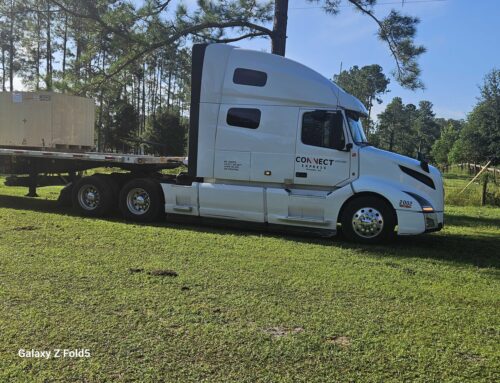
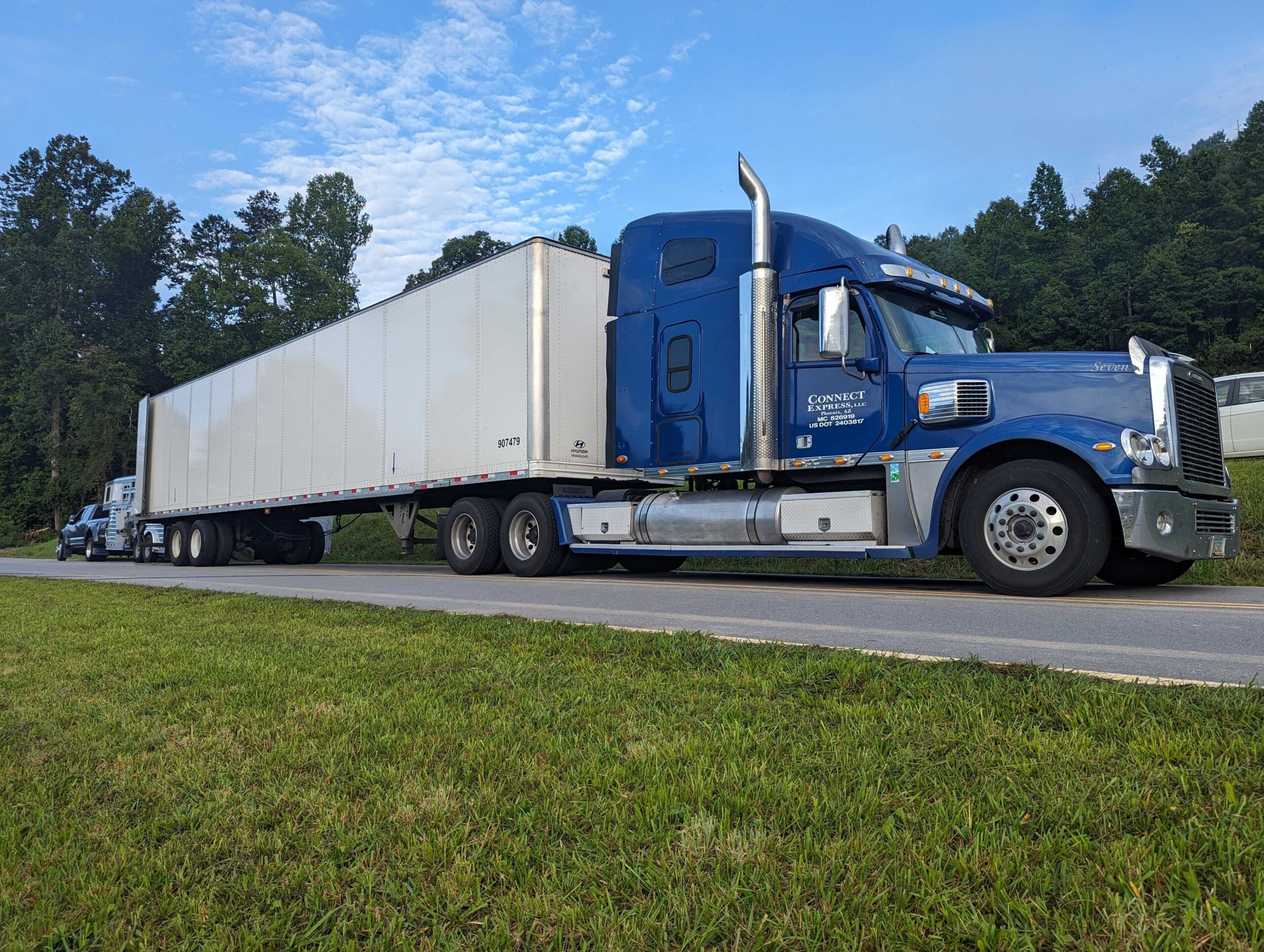
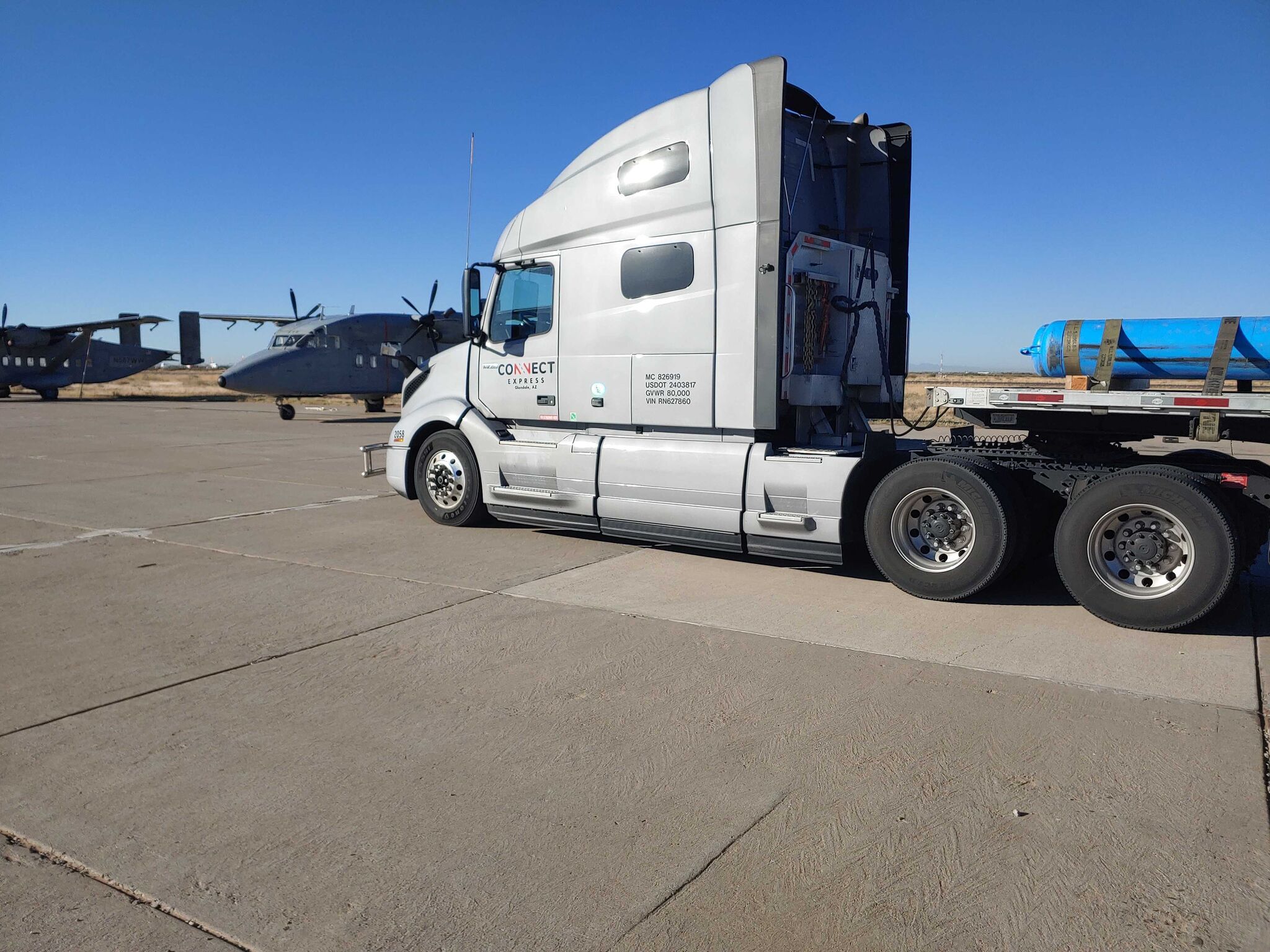
At ConnectExpress LLC, that is the standard we work from. Real trucks, real drivers, real communication. Dry van, reefer, flatbed, oversized, and dedicated lanes. Based in Phoenix and serving freight across the continental United States, with strong Southwest coverage where timing and consistency matter every day.
If you are evaluating carriers, keep it simple. Look past sales language and watch the basics. Do they pick up when they say they will? Do they update you without being chased? Do they handle freight the right way? Do they stay accountable when the day gets messy?
That is how you find a carrier worth keeping.
Need capacity on this type of freight? Connect Express LLC provides asset-based logistics services across the Southwest and nationwide.
Request a truckload quote: Contact Connect Express or call (844) 474-8963.