A missed handoff at the dock can throw off your whole day. One trailer sits. Another appointment gets pushed. Your customer starts asking questions. That is why dock to dock delivery matters. It sounds simple, but the details decide whether a load moves cleanly or turns into a problem.
In freight, dock to dock delivery usually means the carrier picks up at a shipper’s loading dock and delivers to a receiver’s dock. The freight stays in the trailer from origin to destination, with no inside delivery, no jobsite unload, and no extra handling unless the shipment calls for it. For shippers and logistics teams, that setup can be efficient. It can also create issues if the dock, appointment, product, or equipment is not matched correctly.
What dock to dock delivery includes
At its core, dock to dock delivery is about moving freight between two facilities that are built to load and unload trucks. That usually means a warehouse, plant, distribution center, or cold storage facility with dock doors, lift equipment, and a receiving process already in place.
The truck arrives, checks in, backs into a door, gets loaded or unloaded, and moves on. That is the clean version. It works best when the freight is palletized or unitized, the dock schedule is tight, and both sides know what trailer type they need.
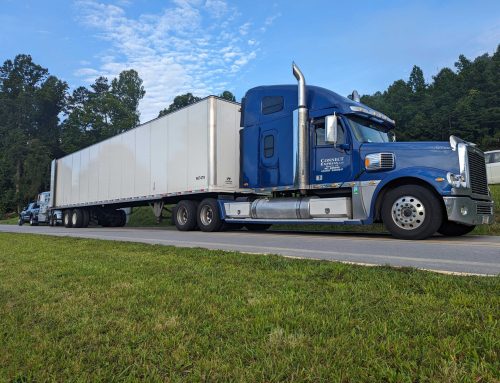
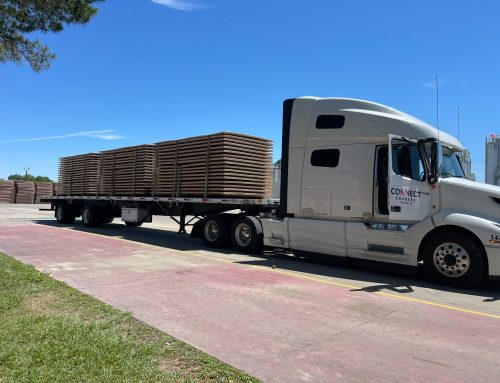
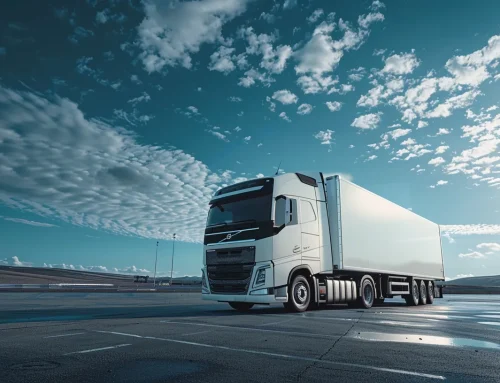
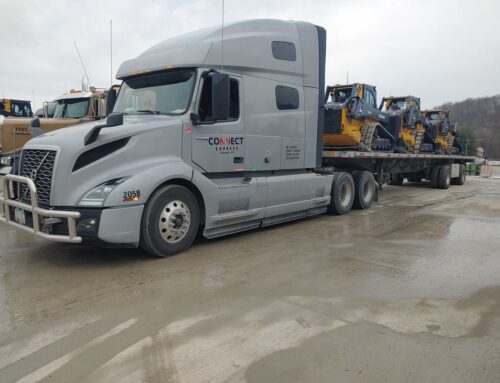
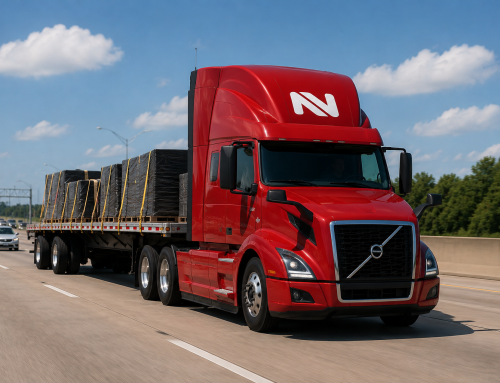
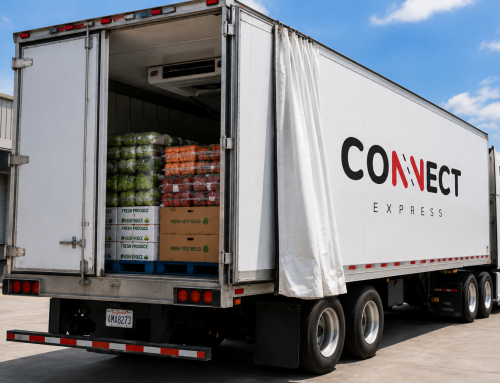
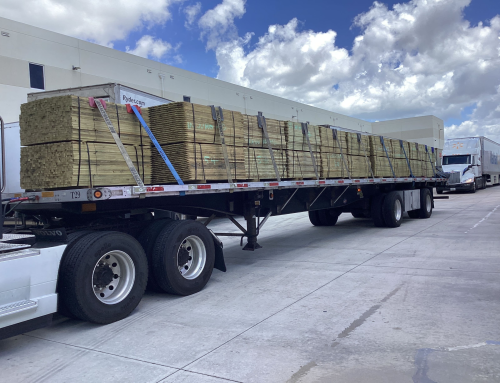
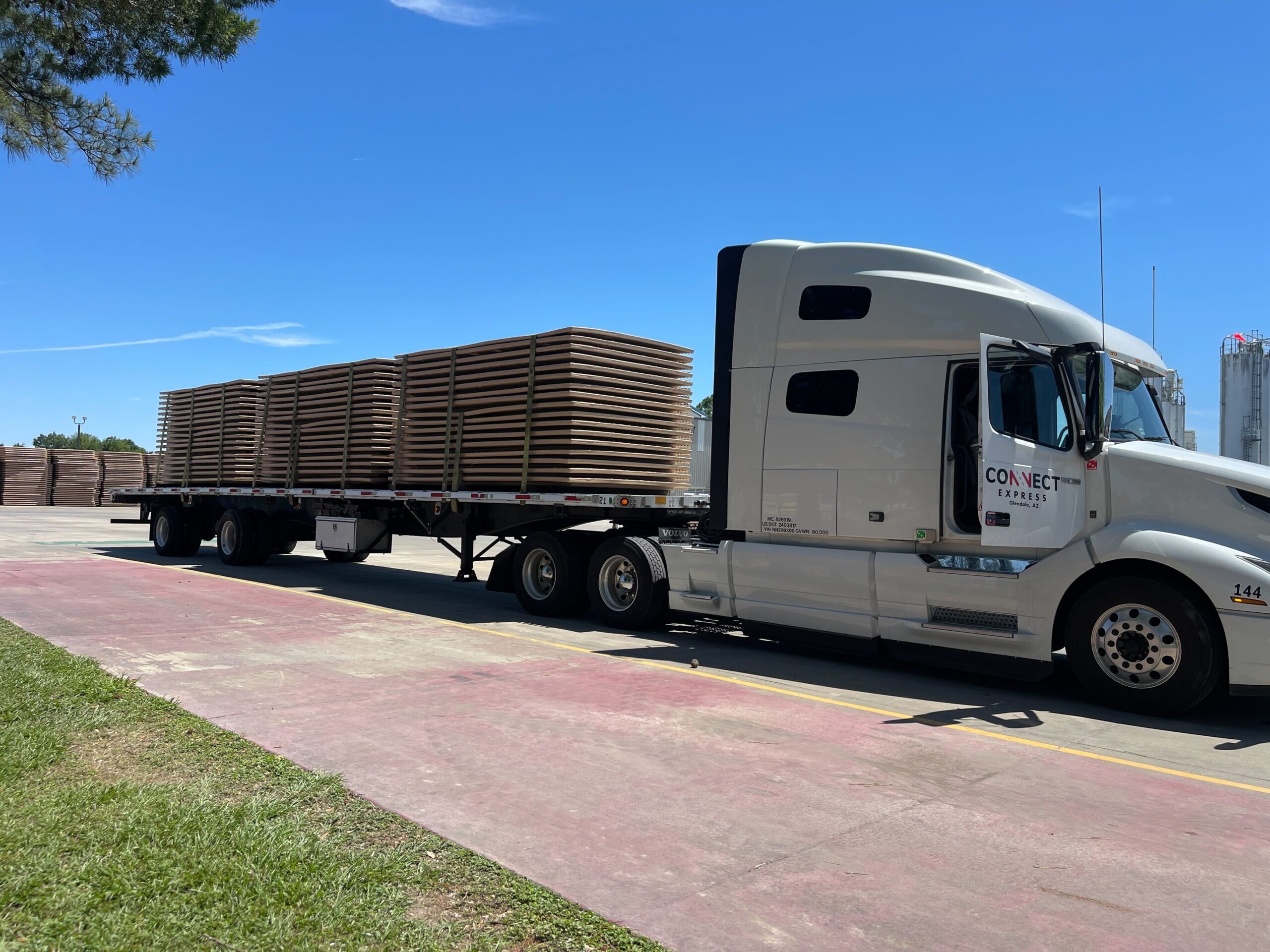
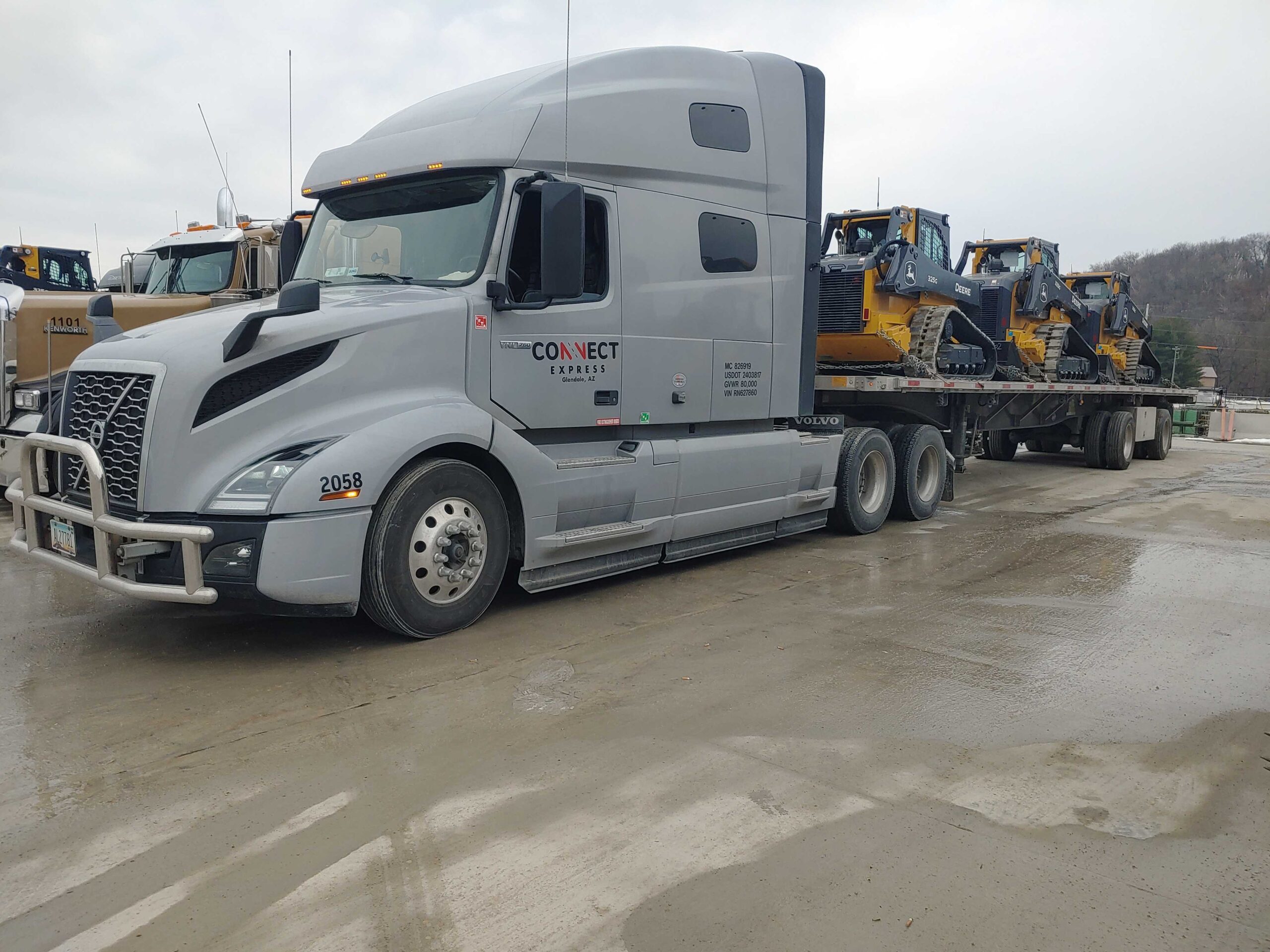
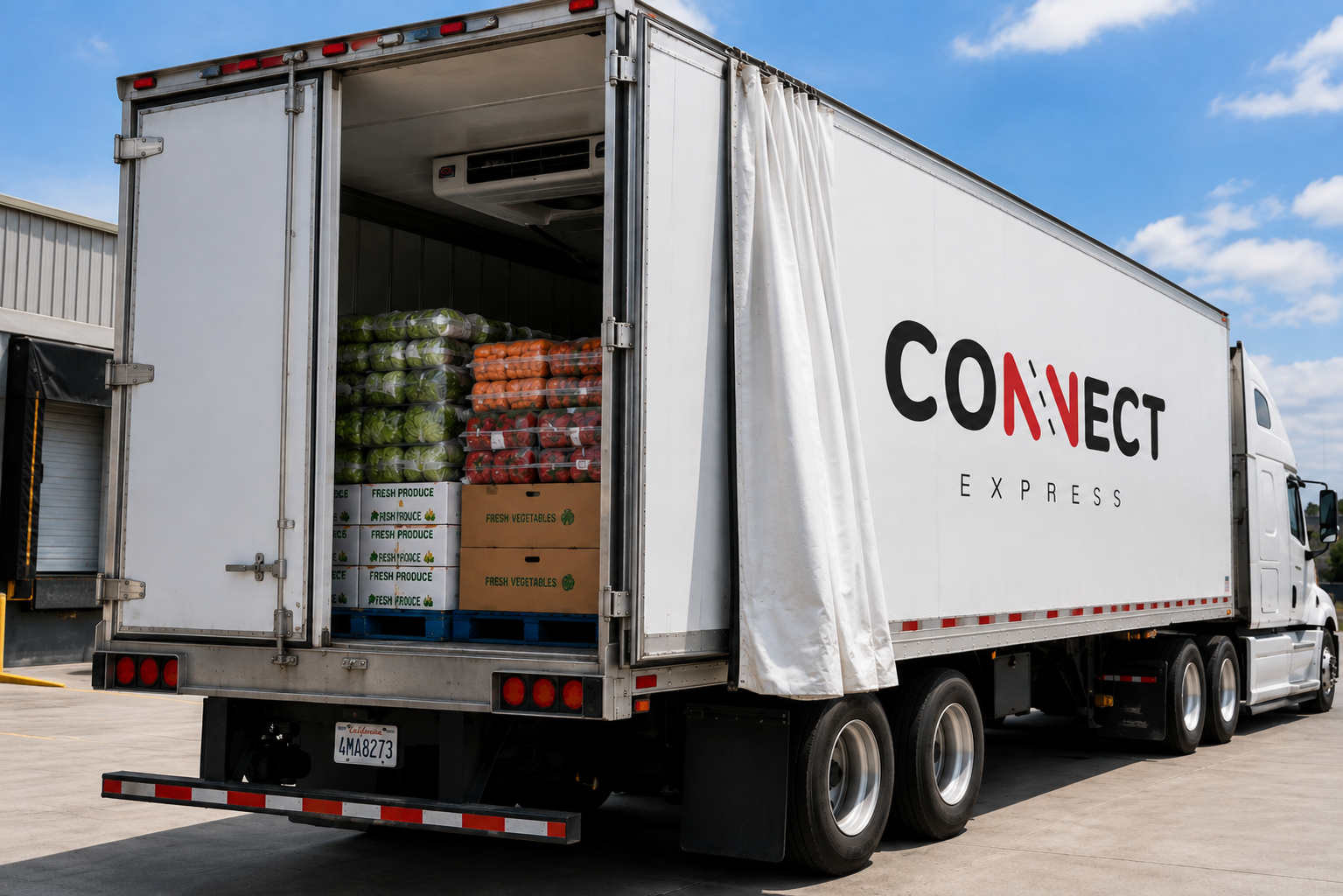
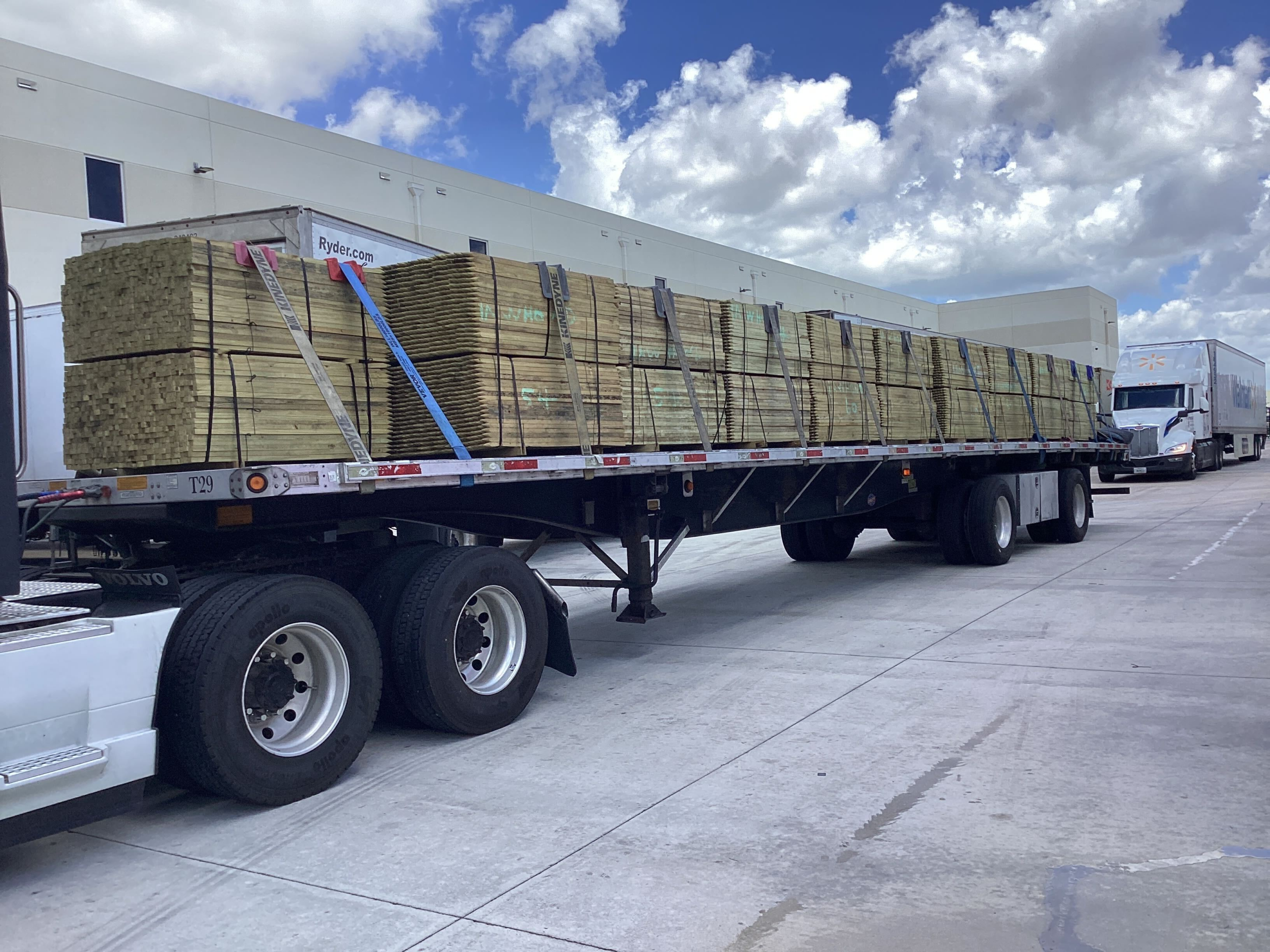
For dry van freight, this is a common setup. The same goes for reefer loads going to cold storage or food distributors. Flatbed can be a different story because many open-deck shipments load and unload from the side or overhead, not always at a traditional dock. So when someone says dock to dock delivery, it helps to confirm the freight type and the facility setup instead of assuming.
Why shippers use dock to dock delivery
The main reason is control. A dock environment is built for freight handling. You have staff on site. You have forklifts. You have appointment windows. You have a process.
That cuts down on confusion. The driver is not trying to find a jobsite contact or wait for someone to locate equipment. The receiver is not figuring out how to unload a trailer in a parking lot. Everyone knows where the handoff happens.
It can also reduce cargo handling. Less handling usually means less chance of damage. If the product gets loaded properly at origin and stays secure until it reaches the receiver’s dock, there are fewer touchpoints where things can go wrong.
For high-volume shipping operations, dock to dock delivery also helps with planning. Freight managers can stack appointments, assign labor, and keep inbound and outbound schedules moving. If you run repeat lanes, that consistency matters.
Where dock to dock delivery can break down
Problems usually start when the term gets used too loosely.
A shipper says the load is dock pickup, but the freight is sitting outside and needs to be floor loaded by hand. A receiver says they have a dock, but the facility cannot take a 53-foot trailer. A reefer appointment is scheduled, but the product is not staged and the driver burns hours waiting.
The delivery model is simple. The execution is not always simple.
Dock access is not the same as dock readiness
A facility may have dock doors and still not be ready for the truck. Appointments get pushed. Lumpers are delayed. Product is not labeled. The outbound load is not wrapped correctly. Those are operational issues, not transportation issues, but the truck still sits.
That matters because delays at the dock ripple into the rest of the route. One bad pickup can affect the next delivery. If you are running a dedicated lane or trying to protect a delivery appointment, time lost at the first stop is hard to get back.
Trailer type matters more than people think
Dock to dock delivery is not one-size-fits-all. Dry van, reefer, and flatbed all have different loading requirements. Even within dry van freight, the dock needs to match the cargo and the equipment.
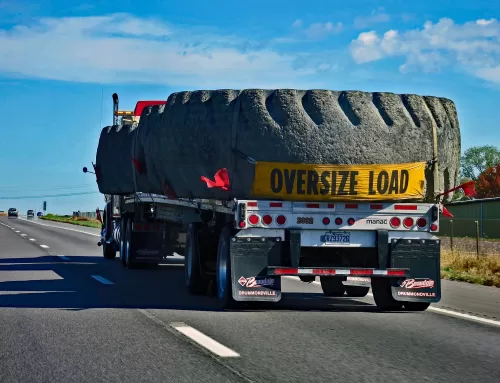
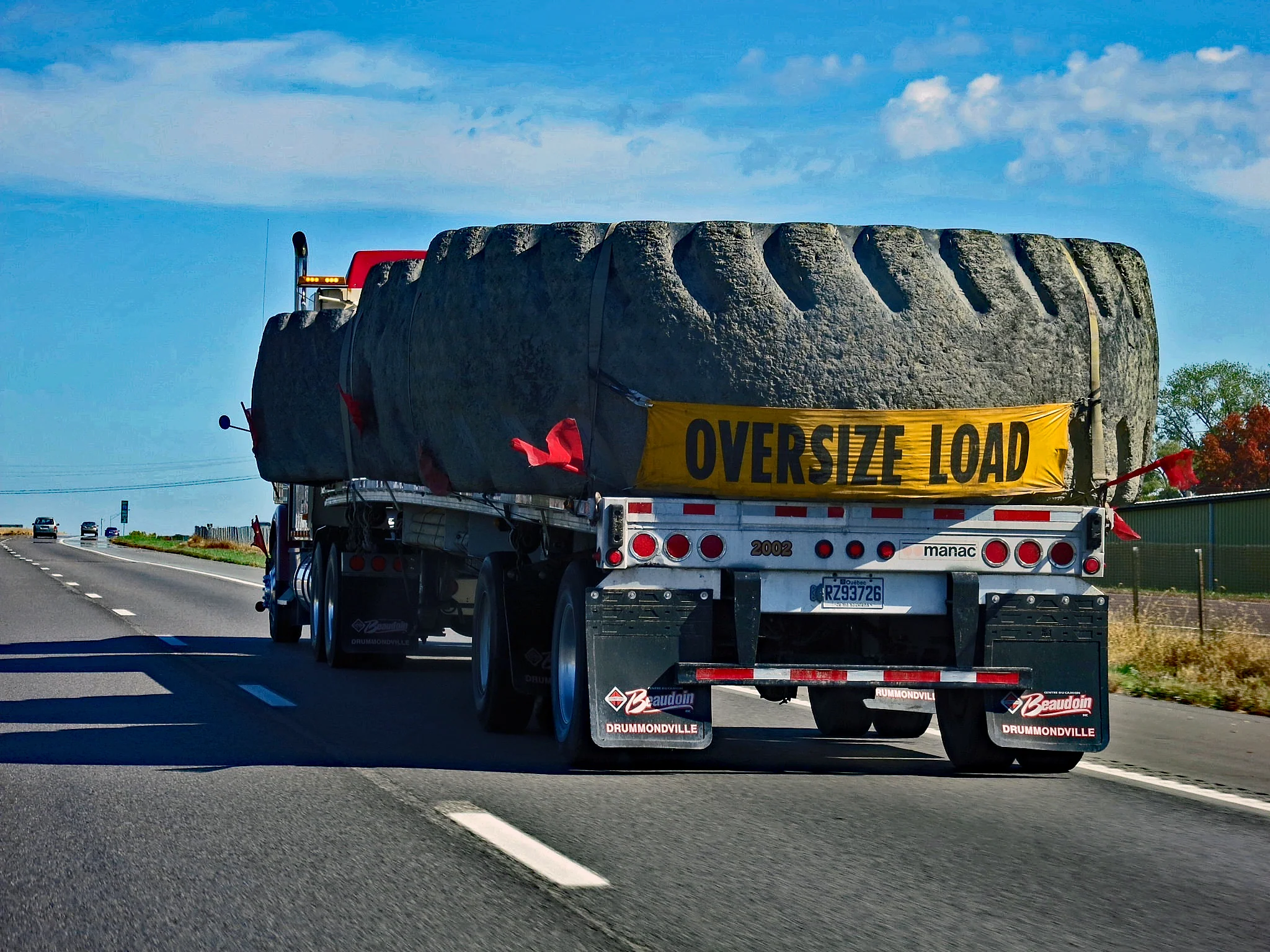
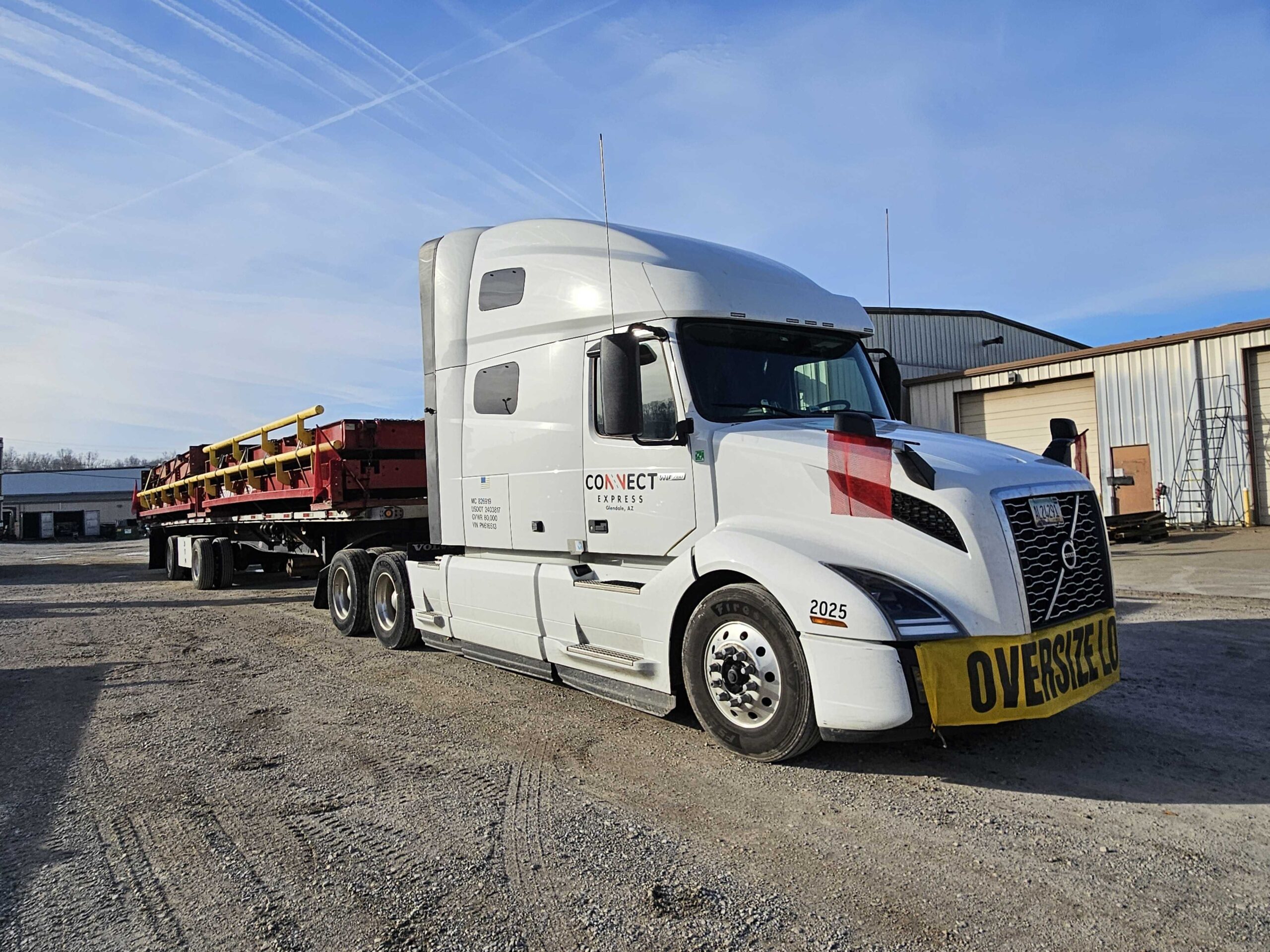
If the load is heavy, the dock crew needs the right forklift capacity. If it is temperature-sensitive, the reefer has to be precooled and managed correctly. If the freight is oversized, it may not be dock freight at all. These details should be settled before the truck is dispatched, not when the driver checks in.
Dock to dock delivery and appointment freight
A lot of dock to dock delivery moves on appointments. That can be a strength or a headache.
When appointments are set right, freight moves smoothly. The shipper has the product staged. The carrier arrives in the correct window. The receiver is ready to unload. You get clean status updates, less dwell, and fewer surprises.
When appointments are loose, everything slows down. A two-hour pickup delay may not sound major on paper, but if the delivery is at a tight receiver or the lane is running across multiple states, that delay can turn into a missed window.
This is where communication matters. Not generic tracking messages. Real updates. If the truck is waiting, you need to know why. If the shipper is behind, that needs to be flagged early. If the appointment needs to be reset, it should happen before the load is late.
That is one reason many shippers prefer working with asset-based carriers. When the company dispatching the load is the same one running the truck, communication tends to be more direct. There is less guesswork and fewer handoffs.
What shippers should confirm before booking dock to dock delivery
The phrase sounds straightforward, but a few basic questions can save a lot of trouble.
Start with the dock itself. Can the facility handle the trailer length? Is it a standard dock-height setup? Are there restricted hours, site rules, or check-in requirements? If it is a live load or live unload, how long does the facility usually take?
Then confirm the freight. Is it palletized? Floor loaded? Fragile? Temperature-controlled? Does it need load bars, straps, or special securement? If the load shifts because it was packed wrong, the problem shows up at delivery.
Finally, confirm who is handling what. Is the shipper loading and the receiver unloading? Does the driver need to assist? Are there seals, paperwork, or product counts that have to be verified at the dock? The cleaner the handoff, the fewer claims and disputes later.
Why dock to dock delivery works best with consistent carriers
If you run the same freight often, consistency matters more than big promises. A carrier that knows your pickup process, receiver rules, and equipment needs can prevent small mistakes that cost real time.
That is especially true in high-frequency lanes across the Southwest and beyond. A shipper based in Phoenix, Arizona, moving regular freight into California, Nevada, Texas, or Colorado does not need a sales pitch. They need trucks that show up on time, drivers who know how to work a dock, and updates that mean something.
Dock freight is not glamorous. It is routine work done right. But routine work is where service gets tested. Missed appointments, bad check-in notes, wrong trailer temp, no seal record – those are the issues that create friction.
At ConnectExpress LLC, the approach is simple. Real trucks. Real drivers. Clear communication. If a dock is running behind, you hear about it. If the load is moving on time, you know that too. That is what shippers actually need.
Dock to dock delivery is efficient, but only when the details are right
Dock to dock delivery is a strong fit for freight moving between warehouses, plants, and distribution centers. It gives both sides a defined handoff point and keeps handling to a minimum. For dry van and reefer freight especially, it is often the most practical setup.
Still, it depends on the freight, the dock, the schedule, and the carrier’s ability to execute. If any of those are off, the load will feel it.
The best results come from asking the basic questions early and working with carriers that operate like operators. No missed pickups. No guessing where your load is. Just a truck that gets to the dock ready to work.
Need capacity on this type of freight? Connect Express LLC provides asset-based dry van shipping across the Southwest and nationwide.
Request a truckload quote: Contact Connect Express or call (844) 474-8963.