
Why Refrigerated Trucking Matters to the Modern Economy
Refrigerated logistics and efficient distribution play a pivotal role in our modern economy. Imagine a world where fresh produce, lifesaving medications, crucial medical supplies, and gourmet cheese couldn’t make it from farm or lab to your door.
Updated October 23, 2026: added what the FDA sanitary transportation rule requires from food shippers and carriers, a checklist for booking temperature-controlled loads and an FAQ, and replaced unsourced claims.
Let us explore the top 5 industries that rely on refrigerated trucking for safe deliveries. These industries are the backbone of our health, nutrition, and comfort, continually driving innovation to meet the demands of a dynamic marketplace.
Food and Beverage Industry
The Importance of Temperature-Controlled Logistics in Food and Beverage
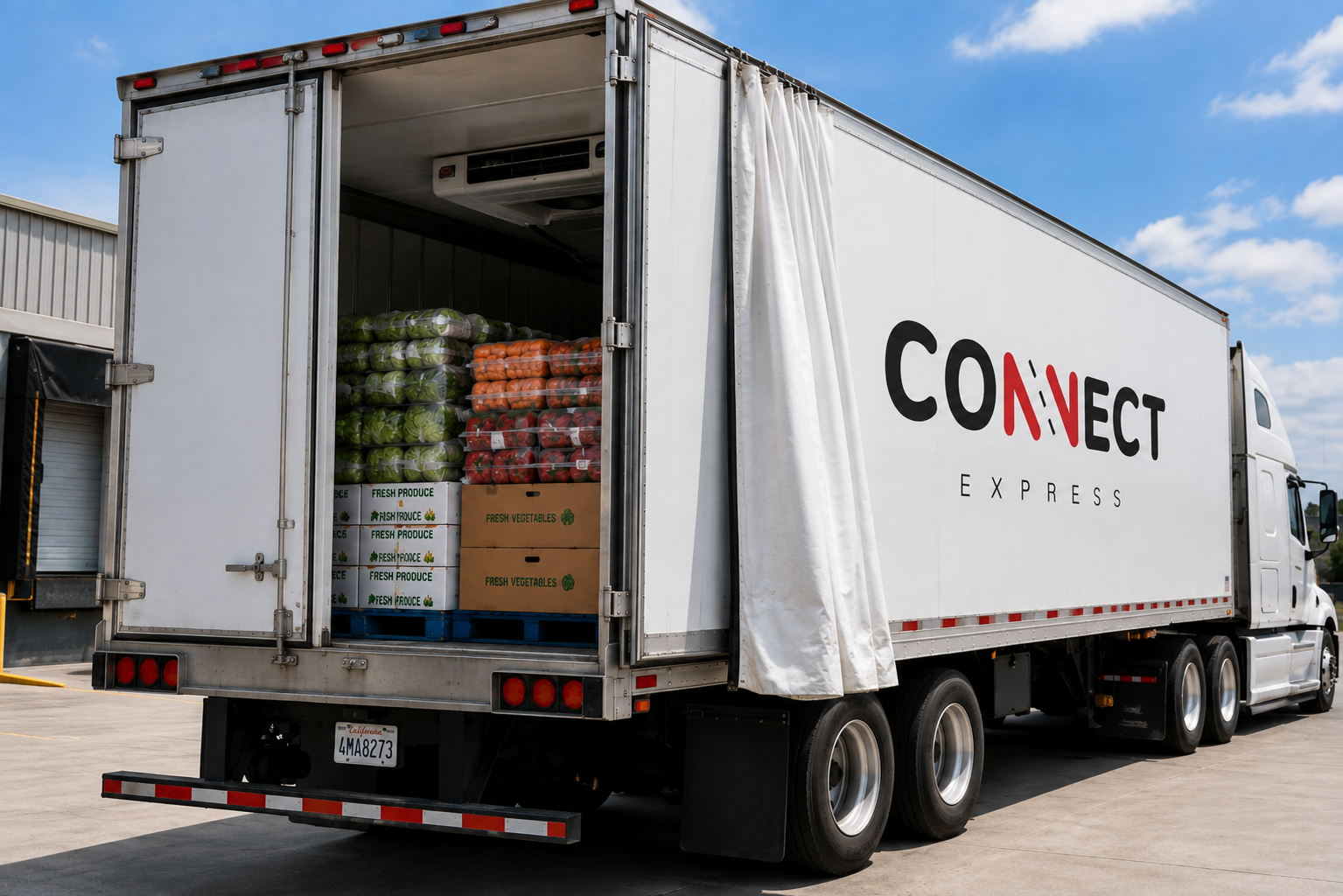
The food, beverage, and hospitality industries rely heavily on refrigerated trucking to maintain product safety and ensure revenue growth. Temperature-controlled logistics are crucial in the food and beverage industry to ensure products remain fresh and safe for consumption. To be specific, these logistics solutions are vital for transporting perishables like seafood, dairy, meats, fruits, and vegetables across vast distances. This ensures consumers receive products that are fresh and contamination-free. Aptly termed “farm-to-table,” this process summarize quality, convenience, and health assurance for consumers.
Preserving the Quality of Dairy and Perishable Goods
The dairy and perishable goods industry is one of the top 5 industries that rely on refrigerated trucking for safe deliveries. Products like milk, cheese, and yogurt must reach their destination in optimal condition, and Connect Express LLC ensures the cold chain is maintained to preserve their freshness and quality. Advanced cooling systems in their refrigerated trucks keep temperatures within the recommended range, preventing spoilage.
Ensuring the utmost quality in frozen goods shipping is a priority for many industries and refrigerated trucking plays a crucial role in this process.
- Temperature Control: Maintaining optimal temperatures during transit.
- Speedy Transport: Minimizing transit times to preserve freshness.
- Proper Packaging: Utilizing insulated and moisture-resistant packaging.
- Monitoring Systems: Employing real-time tracking and monitoring technology.
- Regulatory Compliance: Adhering to industry-specific regulations and guidelines.
These strategies collectively enable industries to deliver high-quality frozen goods efficiently.
Benefits of Temperature-Controlled Vans for Food Safety
Temperature-controlled vans are essential for maintaining the safety and quality of perishable food items during transportation. Temperature deviations during transit are a significant food safety concern. The FDA’s sanitary transportation rule, published on April 6, 2016, requires that food needing temperature control for safety be transported under adequate temperature control, and advancements in refrigerated logistics help foods reach their destination in prime condition.
Different perishable goods require specific temperature ranges to remain fresh and safe. For instance, dairy products typically need to be kept between 34°F and 38°F, while frozen foods must be maintained at 0°F or below. Fresh produce often requires temperatures between 32°F and 55°F, depending on the type. Temperature-controlled vans are equipped to handle these varying requirements, ensuring each product is transported under optimal conditions.
Temperature control not only preserves freshness but also reduces the risk of contamination and spoilage, providing a reliable solution for consistently delivering high-quality food products. These vans enable businesses to extend the reach of their perishable goods, accessing markets that were previously too distant or challenging to service effectively.

FDA Sanitary Transportation Rules for Food Shippers and Carriers
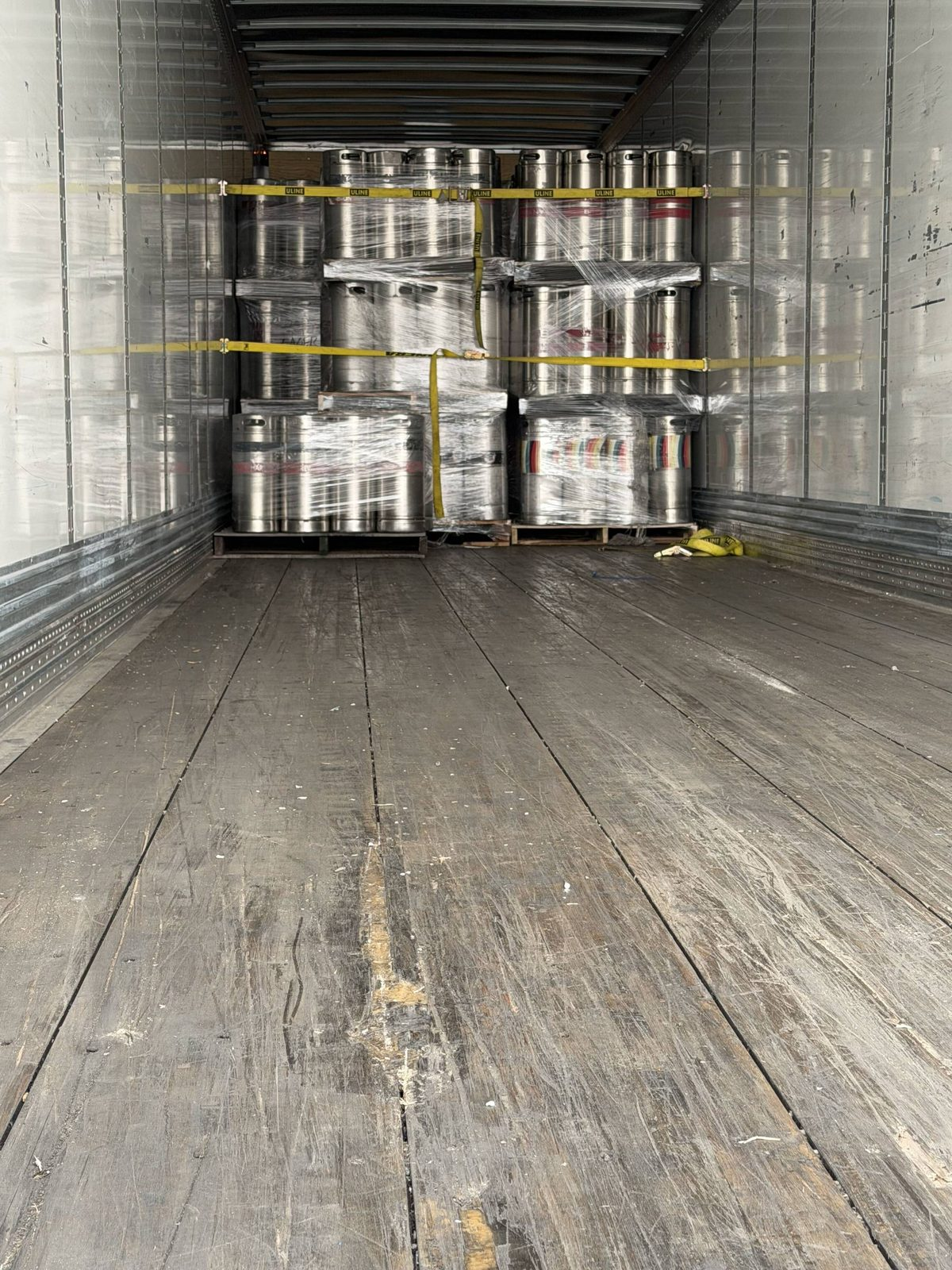
For food, temperature control is also a legal requirement. FDA’s sanitary transportation rule (21 CFR Part 1, Subpart O) applies to shippers, receivers, loaders and carriers in food transportation, whether or not the food crosses state lines (21 CFR 1.900). Key points from 21 CFR 1.908:
- Shippers must give the carrier, in writing, the operating temperature for food that needs temperature control for safety, including the pre-cooling phase if necessary. One notice is enough unless conditions change.
- Carriers responsible for sanitary conditions under a written agreement must pre-cool each refrigerated compartment as the shipper specifies before loading. If the receiver asks, they must provide the operating temperature the shipper specified, and if the shipper or receiver asks, they must show the temperature was maintained, for example with readings at loading and unloading or time and temperature data from the trip.
- Everyone in the chain who becomes aware of a possible temperature-control failure must not sell or distribute the food unless a qualified individual decides it wasn’t made unsafe.
Carriers with these responsibilities must also train their personnel on sanitary transportation practices when hired and as needed, and keep training records (21 CFR 1.910). Shippers keep records of the temperature specifications they give carriers for 12 months beyond the end of the agreement, and all required records must be made available promptly to an authorized official (21 CFR 1.912).
Checklist for Booking a Temperature-Controlled Load
- The required temperature or range, in writing, plus any pre-cool instructions.
- Continuous or cycle mode for the reefer unit, if your product requires one.
- How temperatures will be recorded and shared. Our guide to reefer temperature monitoring explains the options.
- Pickup and delivery appointments and dock hours. See how to book reefer capacity without delays.
Shipping produce, dairy or frozen goods from the Valley? Our Phoenix refrigerated trucking service page covers local temperature-controlled freight.
Pharmaceutical Companies
Pharmaceutical companies are among the top industries that rely on refrigerated trucking for safe deliveries.
To maintain the efficacy of their life-saving products, pharmaceutical companies depend heavily on temperature-controlled logistics solutions. These solutions ensure medications and vaccines are transported under optimal conditions, preserving their stability.
The Importance of Temperature Control in Pharmaceuticals
The pharmaceutical industry hinges on meticulously-regulated temperatures—precision ensures medications maintain their efficacy and safety from production to administration. Proper temperature control in pharmaceuticals averts the degradation of vaccines and biopharmaceuticals, ensuring patients receive effective treatments.
Temperature deviations can render medications ineffective, potentially leading to dire health consequences. Therefore, an unbroken cold chain is imperative in safeguarding the integrity of these products, from manufacturer to patient.
Common Temperature-Sensitive Pharmaceutical Products
Temperature-sensitive pharmaceutical products require meticulous handling to ensure their efficacy and safety. Here is a list of some common ones:
- Vaccines: Essential for immunization programs and must be kept within strict temperature ranges.
- Insulin: Vital for diabetes management, it requires refrigeration to maintain stability.
- Biologics: These complex molecules, derived from living organisms, need precise temperature control.
- Blood Products: Including plasma and red blood cells, which require cold storage to remain viable.
- Certain Antibiotics: Some formulations require refrigeration to remain potent.
Maintaining the correct temperature ensures these pharmaceuticals are effective and safe for patient use.
Pharmaceutical shippers who use refrigerated transport should give the carrier the product’s required temperature range in writing and agree up front on how temperatures will be monitored and recorded in transit, so the cold chain can be documented from pickup to delivery.
Biotechnology and Research Institutions
In biotechnology applications, a network of refrigerated logistic solutions ensures that delicate samples, medical supplies, and reagents remain viable. These companies rely on specialized transport to move sensitive biological materials, ensuring they arrive in peak condition for research and experimentation.
Special handling and controlled environments are a must when dealing with “cold chain” logistics. This is not just a matter of convenience but of critical importance for scientific advancements. In this field, the precision of temperature control can mean the difference between groundbreaking discoveries and lost opportunities.
Transporting Biological Samples Safely
Ensuring the integrity of biological samples during transportation is paramount to the success of scientific endeavors.
- Temperature Control: Precise regulation of temperature to prevent degradation.
- Specialized Packaging: Utilizing insulated and shock-absorbent materials.
- Real-time Monitoring: Implementing GPS and temperature tracking technology.
- Compliance with Regulations: Adhering to local and international transport standards.
- Qualified Personnel: Employing trained professionals for handling and transportation.
The accurate delivery of biological samples can mean the difference between groundbreaking research and significant setbacks.
Importance of Precision in Chemical Reagents Transport
Precision is paramount in this delicate task.
Improper handling can ruin crucial chemical reagents. The precise regulation of conditions like temperature and humidity ensures that these chemicals maintain their integrity from point A to point B. Therefore, meticulous attention to every detail becomes a fundamental necessity.
The high level of exactness in transportation not only preserves the chemicals themselves but also plays a pivotal role in advancing scientific discoveries.

Floral Industry
Springtime, weddings, and celebrations demand top-tier, farm-fresh flowers delivered across states, preserving nature’s beauty, and enhancing joyful occasions.
To maintain the beauty and delicate structure of these blossoms, florists in the hospitality industry rely on refrigerated trucking (also known as temperature-controlled shipping) to deliver fresh flowers, from fields to flower shops and special events.
Challenges of Transporting Delicate Flowers
Navigating the details of transporting delicate flowers involves a mass of logistical challenges, given their sensitive nature and limited shelf life.
Ambient conditions, if not rigorously maintained, can lead to premature wilting, discoloration, or loss of fragrance, creating a cascade of negative impacts on quality and customer satisfaction.
Temperature Requirements for Different Floral Types
Maintaining optimal temperatures ensures the longevity and vibrancy of different floral varieties. Each type of flower has its specific temperature needs to stay fresh.
- Roses: 34-37°F (1-3°C)
- Lilies: 35-39°F (2-4°C)
- Tulips: 32-36°F (0-2°C)
- Orchids: 50-55°F (10-13°C)
- Carnations: 31-33°F (-0.5-1°C)
Understanding these precise requirements is crucial to avoid any deterioration in quality during transportation and refrigerated logistic solutions not only preserve floral beauty but also enhance customer satisfaction by delivering blooms that look freshly picked.
Chemical Manufacturers
Pharmaceuticals and chemical manufacturers heavily depend on refrigerated trucking, a backbone of modern supply chains, to ensure safe and stable transport of temperature-sensitive chemicals. These substances often require precise thermal conditions to maintain their integrity and effectiveness, steering clear of hazardous degradation.
Temperature-Sensitive Chemicals and Their Risks
Transporting temperature-sensitive chemicals poses unique challenges, primarily due to the risk of degradation and hazardous reactions under unfavorable conditions.
- Decomposition: Some chemicals decompose rapidly if not kept at specific temperatures, rendering them ineffective or dangerous.
- Chemical Reactions: Uncontrolled temperature fluctuations can trigger unwanted chemical reactions, posing safety risks and potential hazards.
- Pharmaceutical Integrity: Certain pharmaceuticals must be transported within strict temperature ranges to ensure efficacy and patient safety.
- Volatility: Highly volatile chemicals can become unstable, leading to potential accidents or explosions when improperly managed.
- Regulatory Compliance: Adhering to regulatory requirements for temperature control is critical to avoid legal repercussions and ensure public safety.
These risks underscore the importance of reliable refrigerated trucking solutions in the chemical industry.
Adhering to Temperature Regulations in Chemical Transport
Strict adherence to temperature regulations in chemical transport is crucial to ensuring safety and stability, thus preventing hazardous situations.
Chemicals often have strict temperature windows to remain stable. These materials can become volatile when exposed to temperatures outside their prescribed range. Therefore, meticulous temperature monitoring, reporting, and adherence is not just a legal requirement but a cornerstone of safe chemical logistics.
Utilizing advanced thermal imaging, real-time tracking, and automated alerts ensures that any deviations are immediately addressed, protecting both handlers and the environment.
Why Businesses Rely on Temperature-Controlled Shipping
Reliable, temperature-controlled freight ensures that products arrive in prime condition, safeguarding consumers’ trust and confidence.
In medical shipping of biological materials and medical supplies, where items are extremely temperature-sensitive, effective control is predominant to preserving the integrity and efficacy of the products, fostering advancements in healthcare.
Key Benefits of Using Connect Express LLC
Utilizing Connect Express LLC guarantees a seamless and efficient supply chain for perishable goods, ensuring products arrive in pristine condition.
Clients receive the utmost excellence through our bespoke cold chain management solutions.
Connect Express LLC employs state-of-the-art technology to monitor, track, and ensure optimal temperature conditions throughout transit, providing peace of mind.
Flexible transport options, combined with our stringent quality control standards, allow us to adapt to a multitude of industry needs, from pharmaceuticals to seafood to fresh produce, exemplifying our commitment to reliability and innovation. Clients can thus expect “excellence” in every delivery.
Request a truckload quote: Contact Connect Express or call 480-401-1998.
Refrigerated Trucking FAQ
Which industries rely most on refrigerated trucking?
Food and beverage, pharmaceuticals, biotechnology and research, floral, and chemical manufacturing all ship products that must stay within a set temperature range.
Who sets the temperature for a reefer load?
The shipper. For food that needs temperature control for safety, FDA’s rule requires the shipper to give the carrier the operating temperature in writing.
Does a carrier have to pre-cool the trailer?
Under 21 CFR 1.908(e)(3), a carrier responsible for sanitary conditions must pre-cool each mechanically refrigerated compartment as the shipper specifies before offering it for food that needs temperature control.
Can I get the temperature record after delivery?
Yes. If the shipper or receiver asks, the carrier must show that it maintained the specified temperature conditions, for example with loading and unloading readings or time and temperature data.