What Makes a Lane a Good Fit for Dedicated Capacity
Not every regular shipment needs a dedicated truck. A lane with one occasional load per month may be better handled through regular spot coverage. Dedicated service makes more sense when your operation has repeat volume and the cost of a missed pickup is higher than the convenience of shopping for a truck each time.
Start with the actual freight history, not a forecast that looks good on paper. Review the last six to twelve months. Look at how often loads moved, where they started and ended, how much lead time was available, and where service failures occurred. A lane that runs three times a week with the same trailer requirement is a stronger candidate than a lane that has high volume but changes destinations every week.
Arizona plants with weekly pulls should also read our guide to dedicated truckload shipping Arizona.
A good dedicated lane usually has three things: recurring volume, a stable route pattern, and a clear service standard. That standard may be a firm pickup appointment, a delivery window tied to production, or a requirement for live tracking and status updates. If the carrier cannot meet those basics every week, it is not a dedicated solution. It is just another truck assignment. If you also rely on outside coordinators, our guide to third-party logistics partnerships explains how to keep roles clear.
Best Dedicated Lanes for Manufacturers: Where to Start
The strongest lanes are often tied directly to production or distribution. Inbound raw materials, components, packaging, and outbound finished goods are common places to start. Focus first on freight that cannot sit without creating a bigger issue elsewhere in the plant.
Inbound material lanes
Inbound lanes deserve close attention because they affect everything after them. If a plant depends on daily or weekly deliveries of steel, resin, parts, ingredients, or packaging, late freight can create downtime, overtime, and rushed recovery work.
For these lanes, appointment discipline matters. So does the driver knowing the facility rules before arrival. A dedicated driver who understands gate procedures, receiving hours, check-in requirements, and where to stage saves time at every stop. That knowledge is hard to recreate with a different truck every load.
Plant-to-plant transfers
Manufacturers with multiple facilities often move work-in-process freight between plants, warehouses, or assembly locations. These routes may be short, but they can be just as critical as a long-haul load. A late transfer can hold up the next production step.
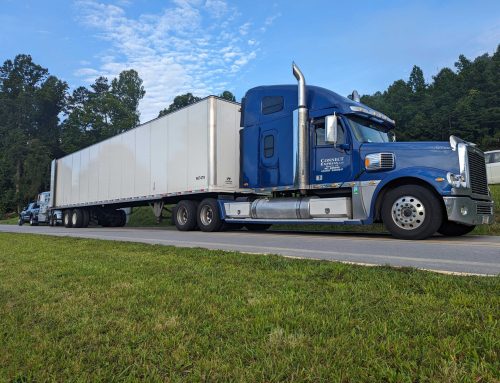
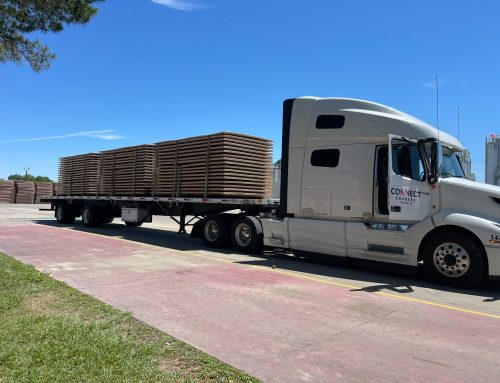
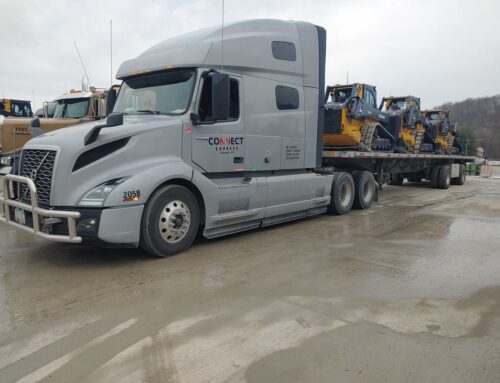
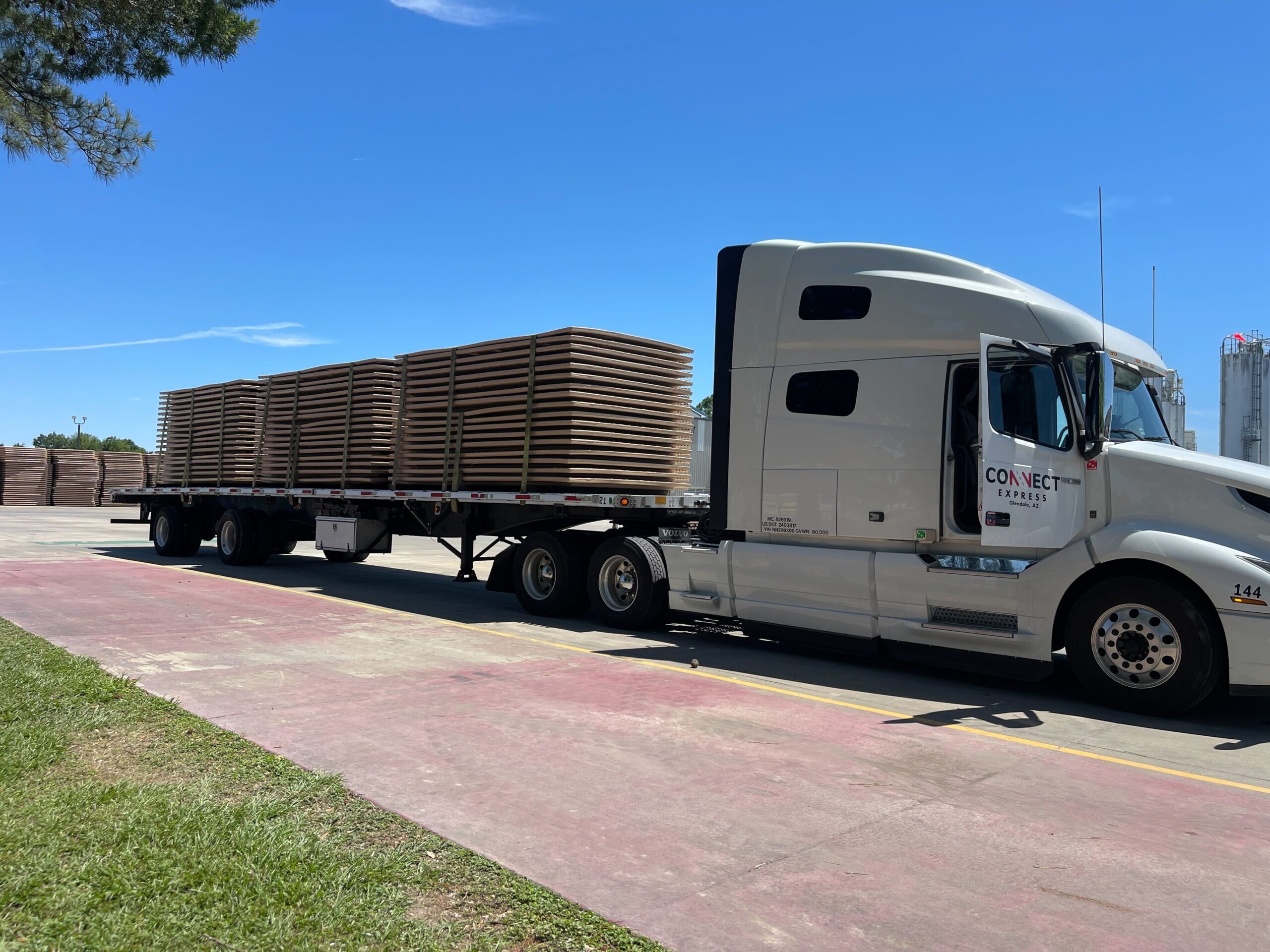
Dedicated capacity is especially useful when these moves run on a set schedule. The route may need a dry van, a flatbed, temperature control, or specialized securement. The key is matching the equipment to the freight and keeping the schedule realistic. A truck cannot make a 400-mile round trip, wait four hours at each end, and still cover a second run without a plan that accounts for those hours.
Finished-goods lanes to distribution centers
Outbound freight can be a good dedicated fit when it moves consistently to the same distribution centers or customer locations. These lanes often have strict appointment requirements and chargebacks for missed delivery windows. A carrier needs to know the receiving rules, pallet requirements, and whether the location expects drop-and-hook service or live unloading.
The right dedicated setup gives your shipping team a known point of contact. You should not have to explain the same delivery requirements every time a new driver is assigned.
Southwest manufacturing corridors
For manufacturers shipping from Phoenix or elsewhere in Arizona, recurring freight into California, Nevada, New Mexico, Texas, Utah, and Colorado can be a practical dedicated opportunity. These lanes connect major production, distribution, and construction markets across the Southwest.
Distance alone does not make a lane worth dedicating. The freight needs to move often enough to support the truck plan. But when volume is steady, a carrier based in the region can build around recurring pickups instead of treating each load like a last-minute recovery.
Match the Equipment Before You Commit
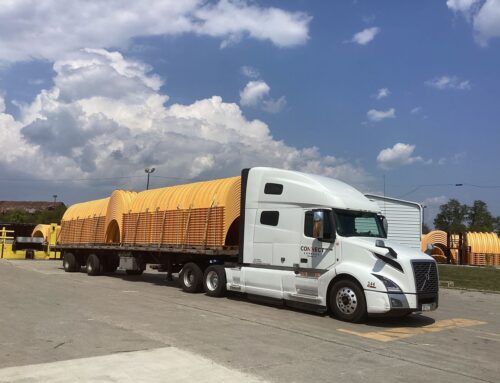
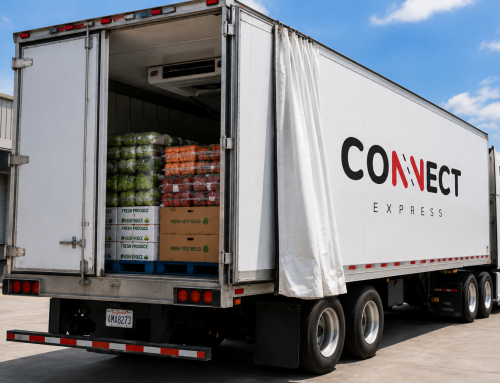
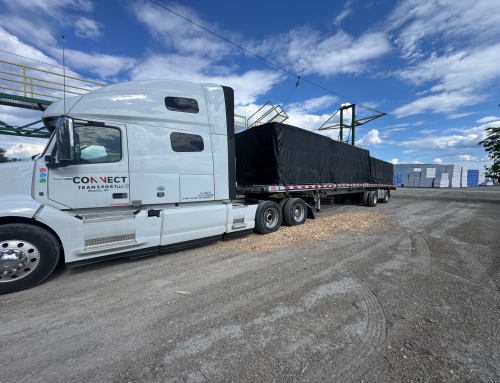
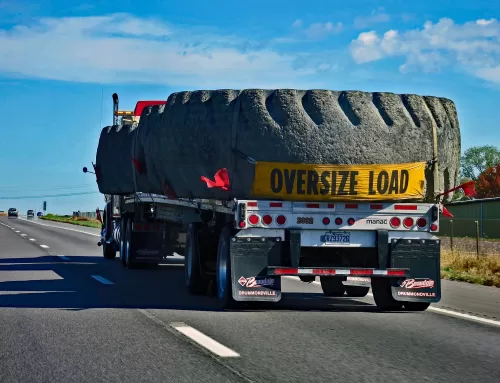
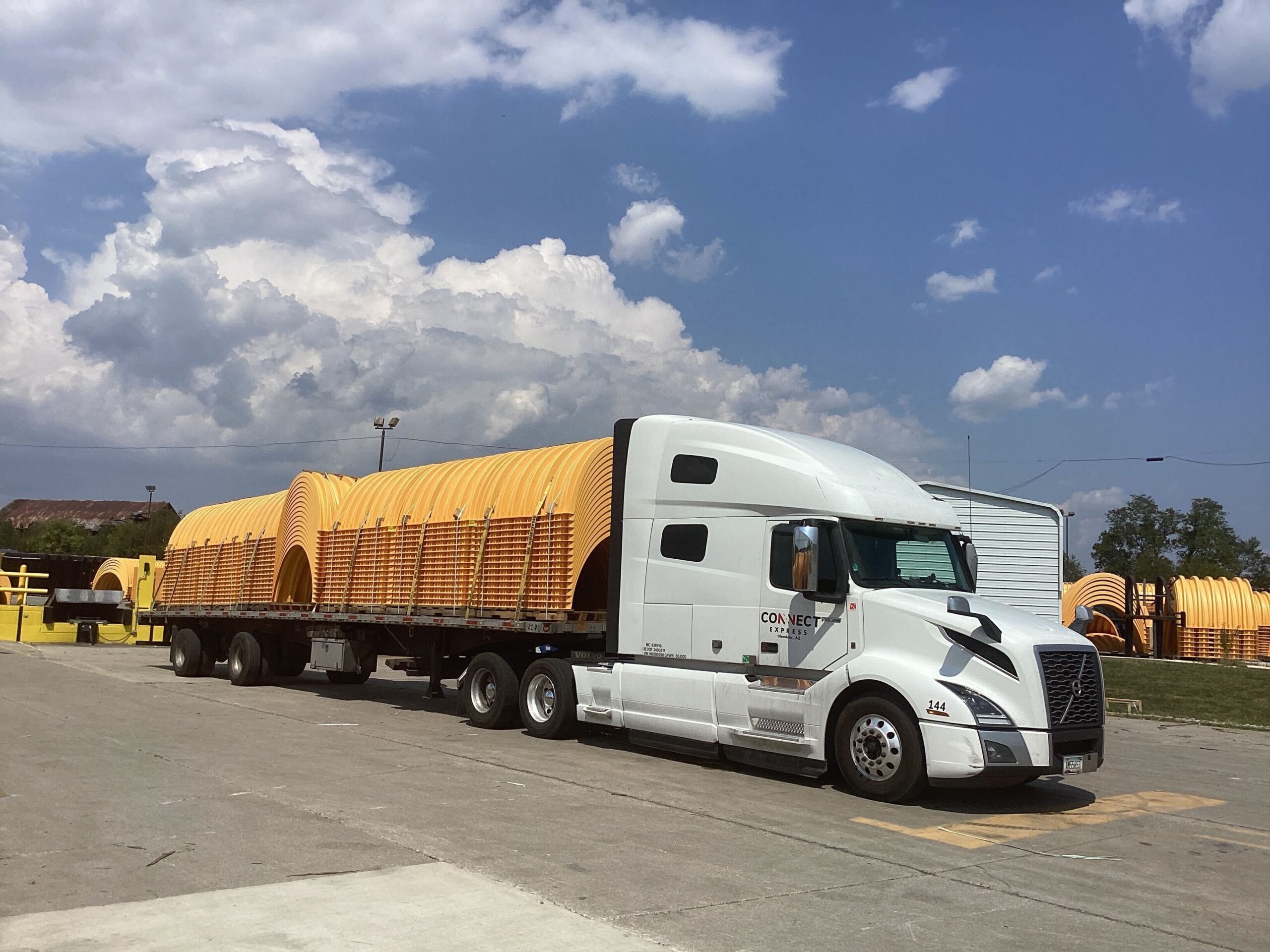
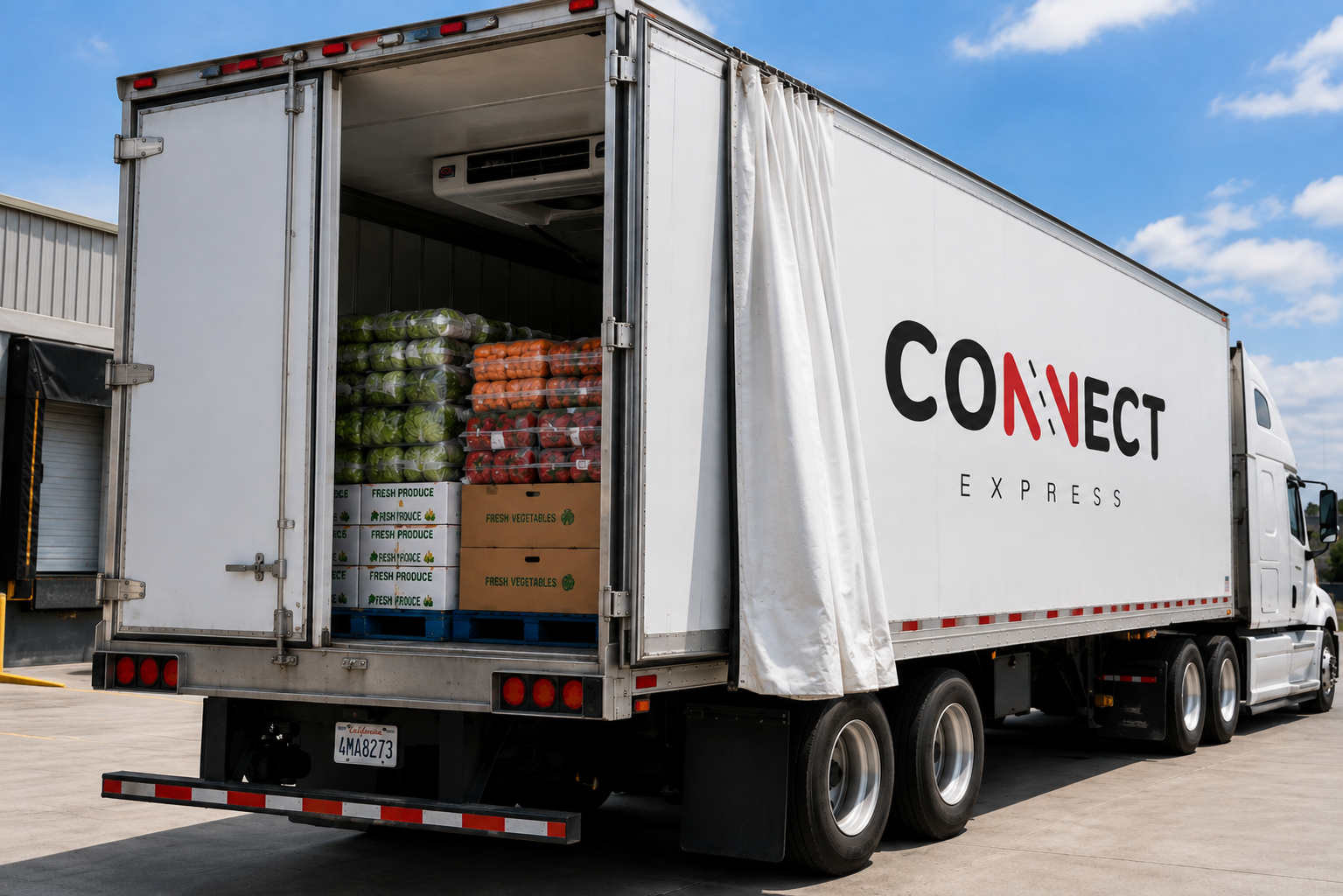
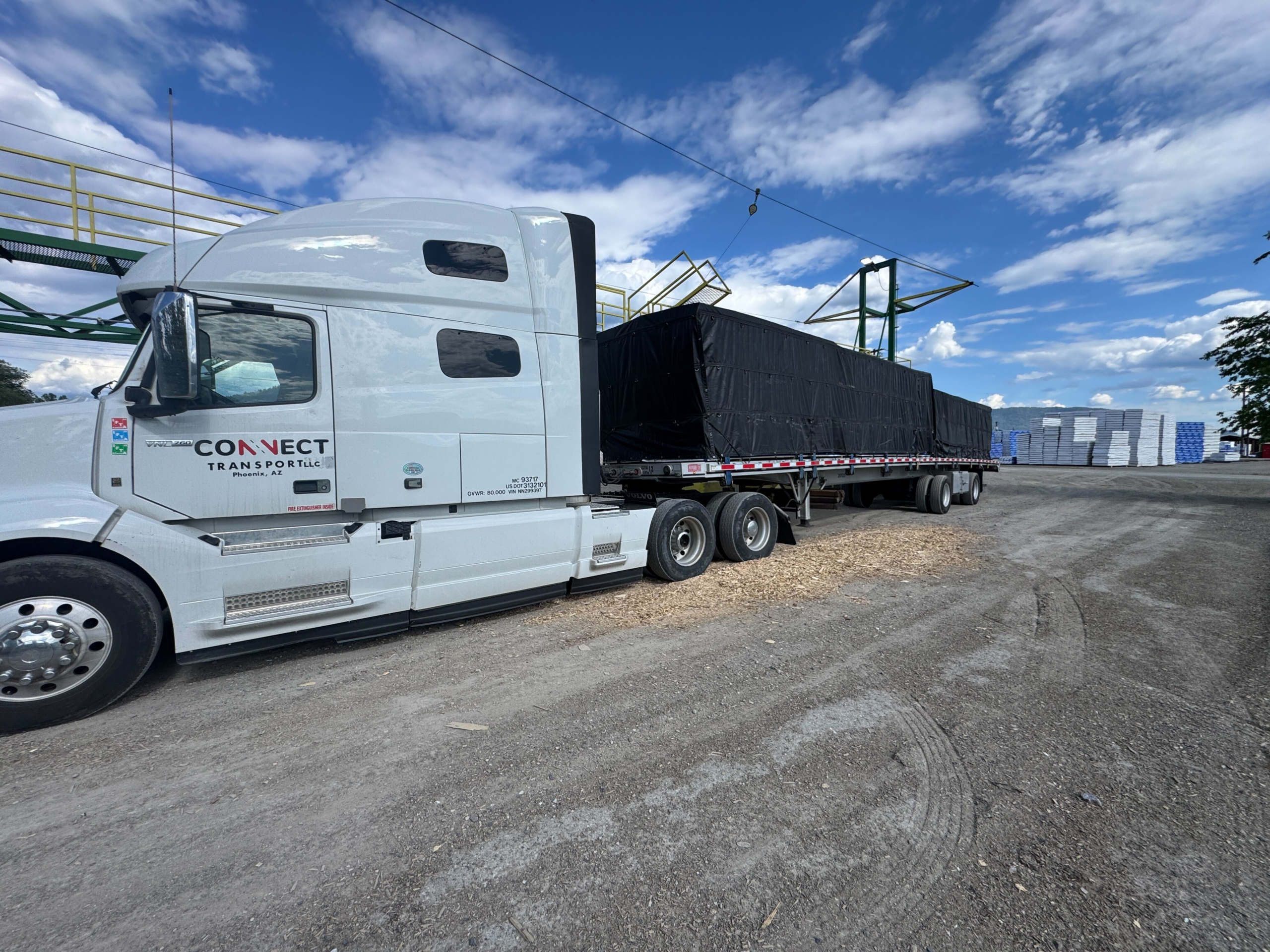
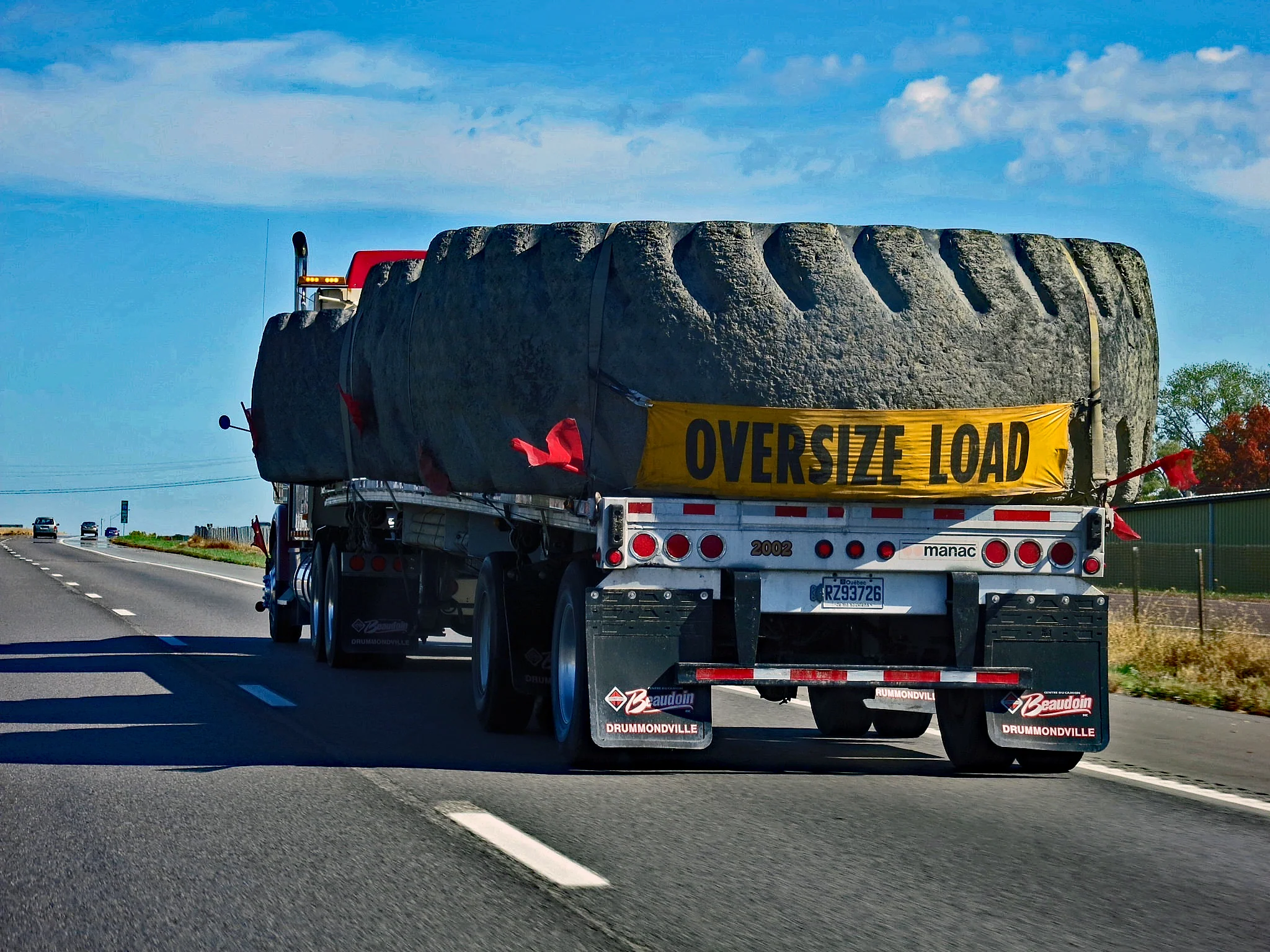
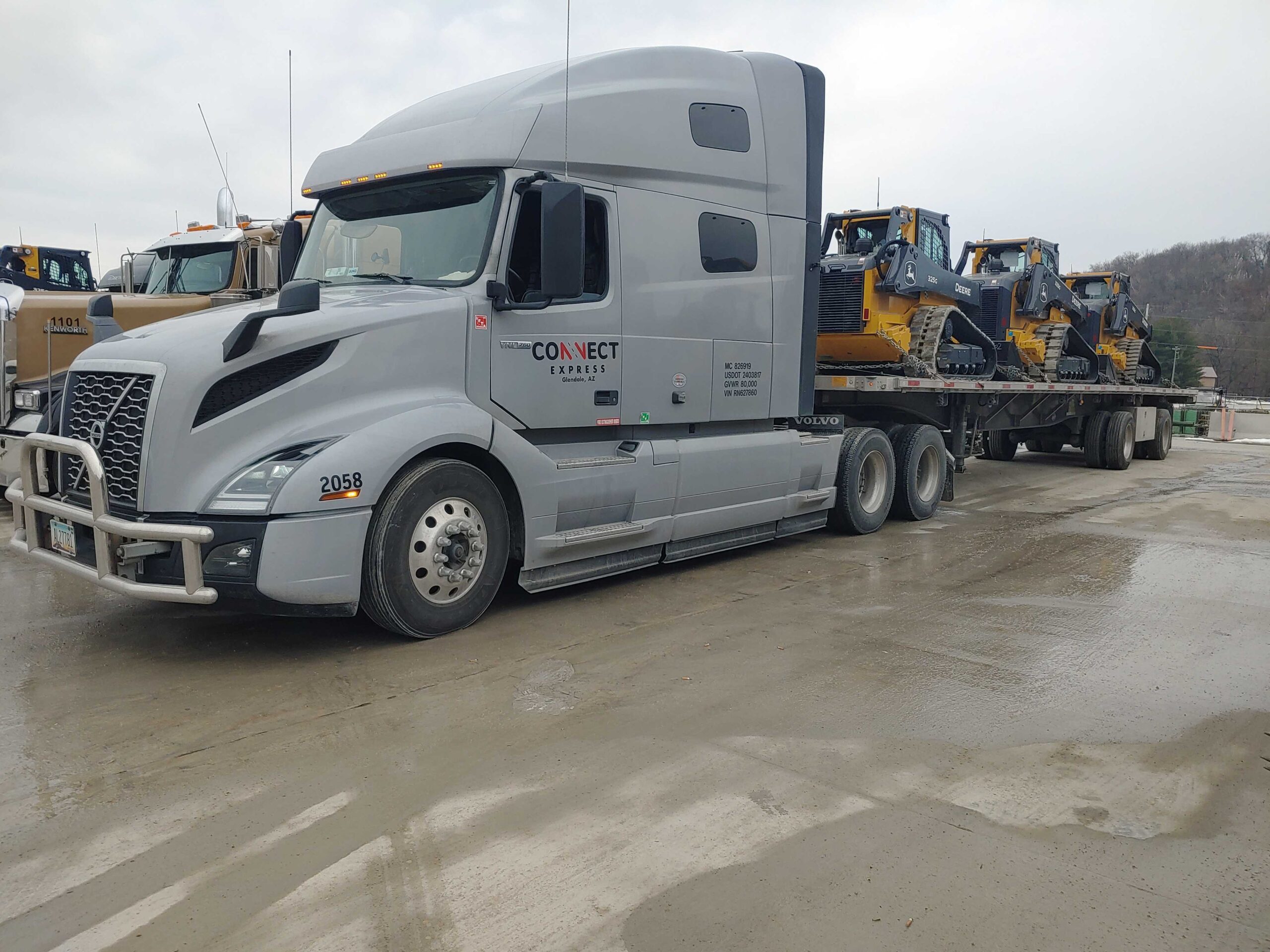
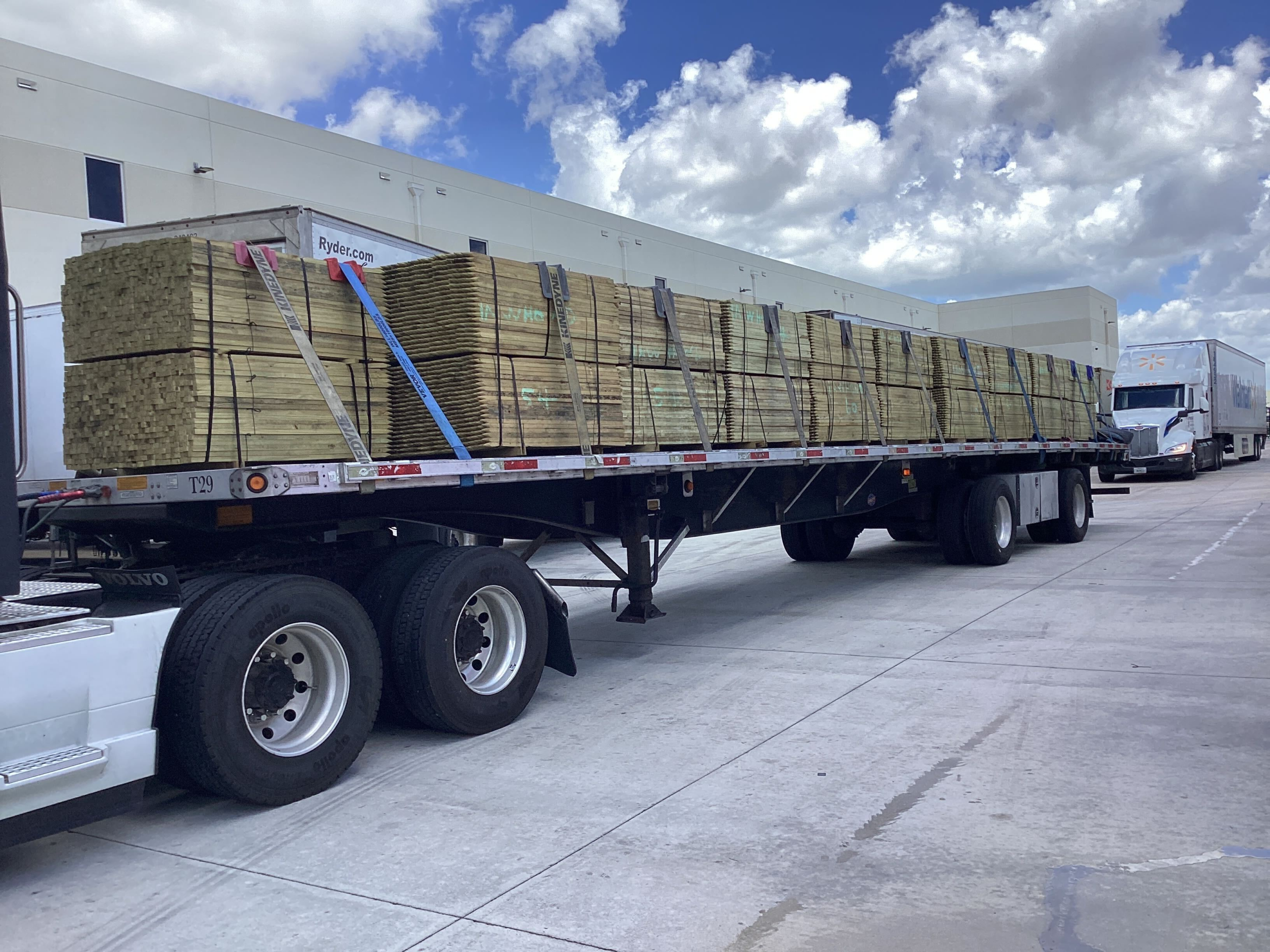
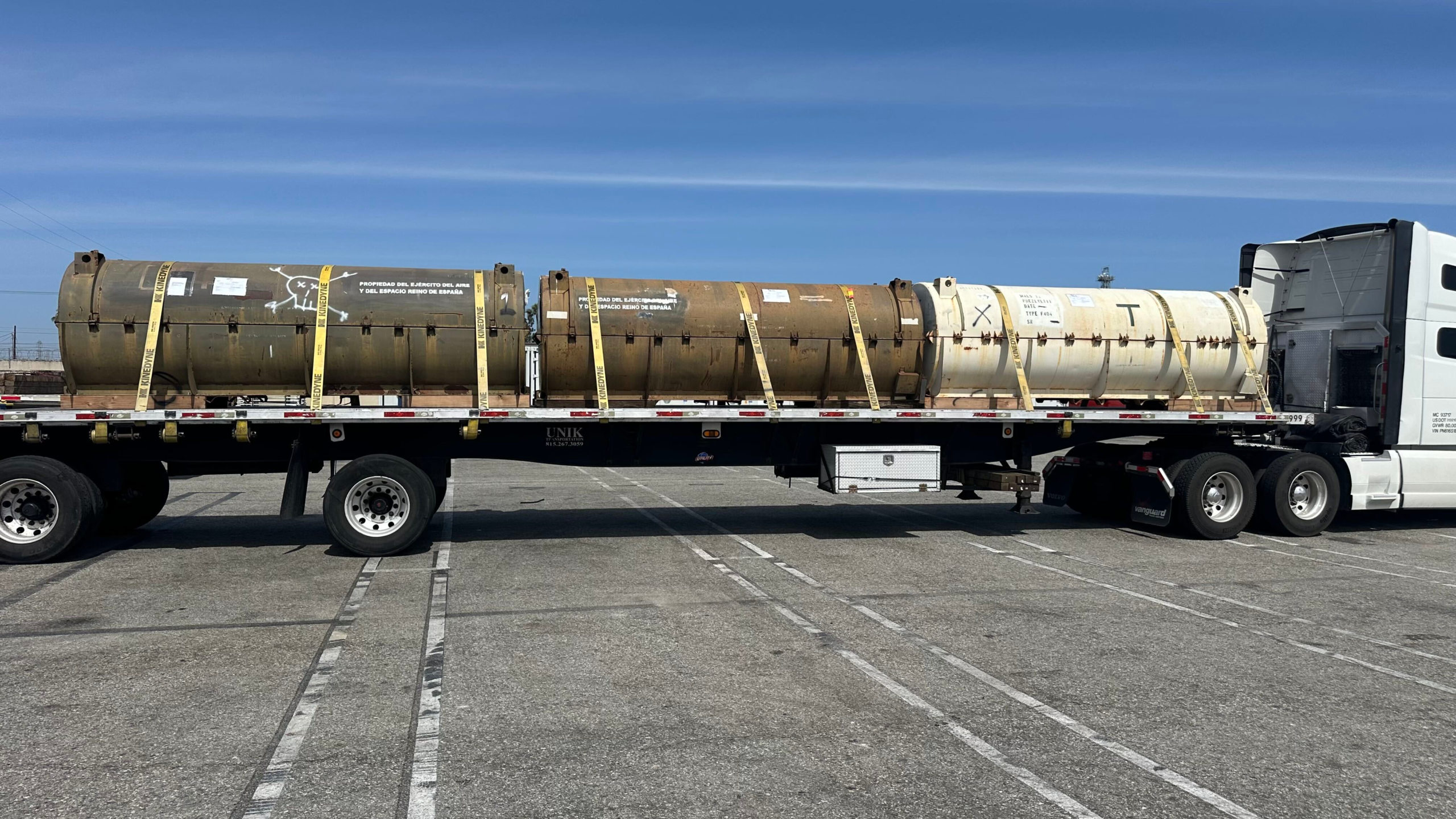
The lane is only as good as the equipment assigned to it. A dry van route may look simple until the shipper requires floor-loaded freight, high-value product, or specific trailer dimensions. Reefer freight adds temperature requirements and more checks before loading. Flatbed and oversized shipments require the right trailer, securement plan, permits where needed, and drivers who understand the load.
Be direct about the freight details from the beginning. Share weight, dimensions, loading method, commodity, handling restrictions, and any special site rules. If the product is time-sensitive, say so. If it cannot be double-stacked, say so. Surprises at pickup are where good plans start to fail.
A dedicated carrier should also be honest about what it can cover. A lane may require one trailer type today and a different one during peak season. That can change the setup. It is better to address that early than find out when a load is on the dock.
Build the Schedule Around Real Operations
A dedicated lane should not be planned around ideal conditions. It should be built around actual dock times, legal driving hours, traffic patterns, loading delays, and receiver appointments.
Ask how long trucks really wait at pickup and delivery. A facility may list a one-hour loading time, while drivers regularly wait three hours. That difference affects how many turns a truck can make in a week. If the lane needs backup capacity for seasonal volume, identify those weeks ahead of time.
Clear communication is part of the schedule. The carrier should know when production changes, when a shipment will not be ready, and when an appointment moves. In return, the shipper should receive real updates when a truck is loaded, moving, delayed, or delivered. No guessing where the load is. No silence until someone asks.
Questions to Ask Before Setting Up a Dedicated Lane
Before committing, get specific with the carrier. Ask who will dispatch the lane, how backup coverage is handled, what equipment is assigned, and how exceptions are communicated. Ask whether the carrier operates its own trucks or is passing the load through a network.
That last question matters. A manufacturer with a critical lane needs to know who is responsible when a pickup is at risk. Working directly with a carrier that operates real trucks and employs or contracts directly with its drivers gives you a clearer line of accountability.
Also ask what information the carrier needs from your team to perform well. Good dedicated service is a two-way operation. Accurate load details, early schedule changes, and realistic appointment times help the carrier keep the truck where it needs to be.
Measure the Lane After Launch
Do not set up a dedicated lane and assume it is working because loads are moving. Review performance on a regular schedule. Look at on-time pickup, on-time delivery, missed appointments, detention, communication issues, and recurring loading delays.
The goal is not to blame either side for every exception. The goal is to find the repeat problems and fix them. Maybe the pickup appointment needs to move. Maybe the facility needs a better check-in process. Maybe the equipment assignment needs to change as freight volume grows.
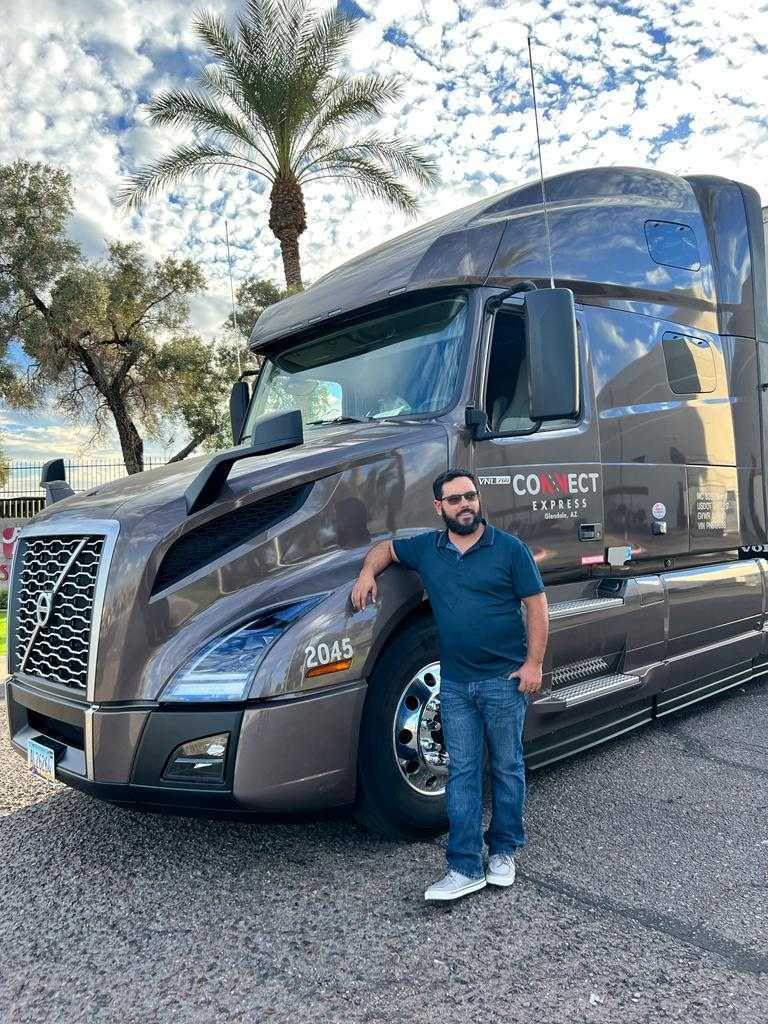
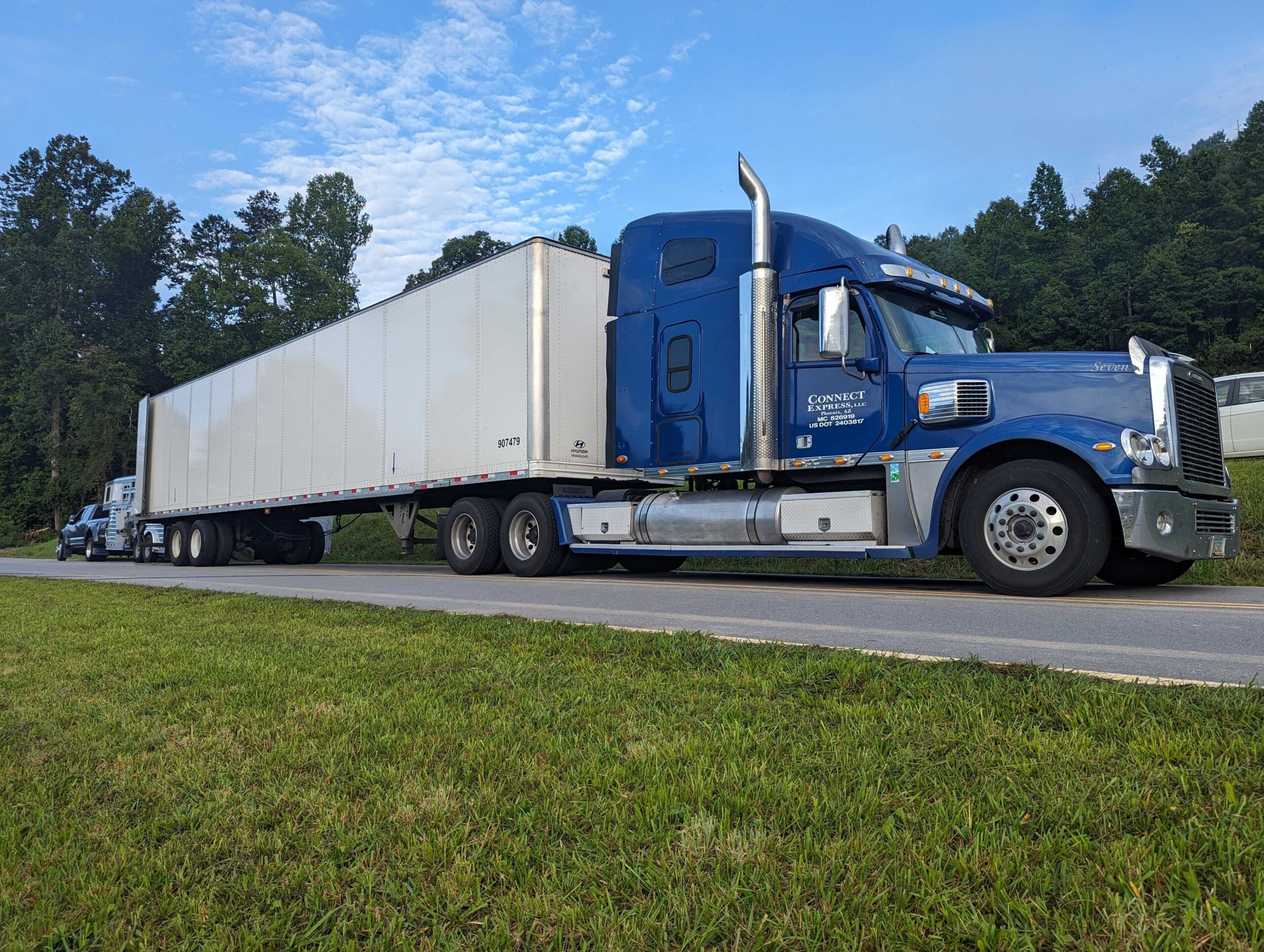
At ConnectExpress LLC, we see the best results when manufacturers treat the carrier as part of the shipping operation. We run real equipment, provide direct updates, and plan around what the lane actually requires. That is how dedicated freight should work.
The right lane will make your operation quieter. Loads get picked up when they should. Drivers know the route. Your team spends less time calling for status and more time managing the work in front of them. Start with the freight that causes the biggest disruption when it is late, then build the lane around a schedule your plant and carrier can both execute.
Need capacity on this type of freight? Connect Express LLC provides asset-based dedicated truckload service across the Southwest and nationwide.
Request a truckload quote: Contact Connect Express or call 480-401-1998.