A missed detail in a digital freight quote request can cost you a pickup window. It happens all the time. A shipper sends over basic lane info, but leaves out the pallet count, appointment rules, or whether the load needs a reefer set point. Then dispatch has to go back and ask questions, and the clock keeps moving.
That is why the quote request itself matters. Not just the rate. If you want faster coverage, fewer calls, and less back-and-forth, the request has to give a carrier what they need to actually plan the move.
What a digital freight quote request should do
A digital freight quote request is not just an online form. It is the first handoff between your shipping team and the carrier that may haul the load. If that handoff is clean, everything after it gets easier. If it is sloppy, problems start early.
A good request should answer the basic operating questions right away. Where is it picking up? Where is it delivering? What is the freight? How much does it weigh? What equipment does it need? Is there a hard appointment? Is it live load, drop, or driver assist? Those are not small details. They shape whether a truck can take the load and whether it can stay on schedule once it does.
For freight managers and logistics coordinators, speed matters. But speed without accuracy creates more work later. The best quote requests do both. They move fast and they give enough detail for a carrier to respond with confidence.
Why incomplete quote requests cause delays
Most delays do not start on the road. They start before dispatch ever assigns a truck.
When a request comes in missing key details, the carrier has to stop and verify everything. That means extra emails, extra calls, and extra time. If the pickup is same day or next day, that delay can be the difference between getting covered and scrambling at the last minute.
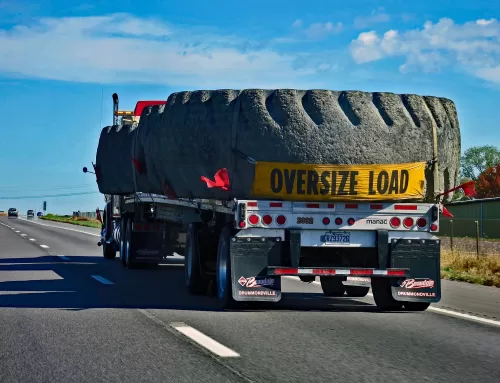
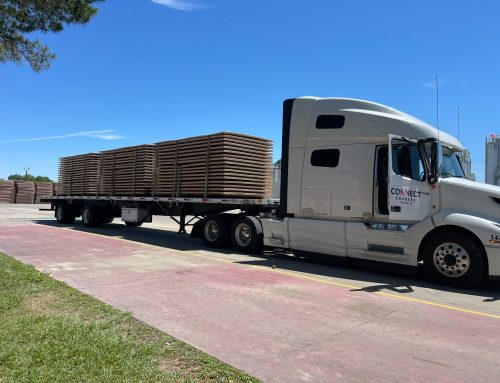
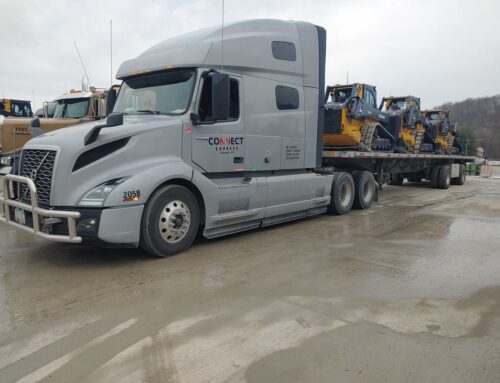
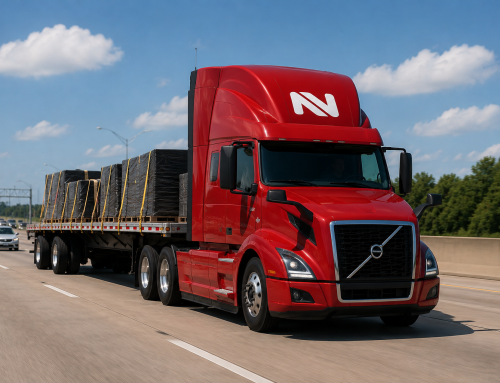
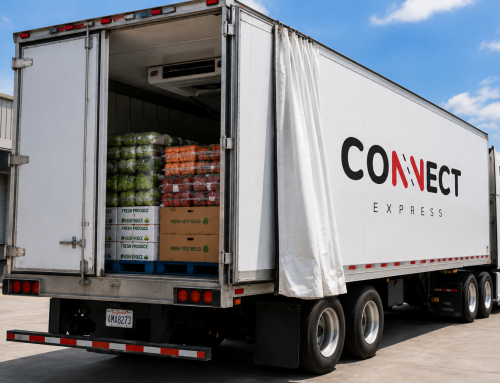
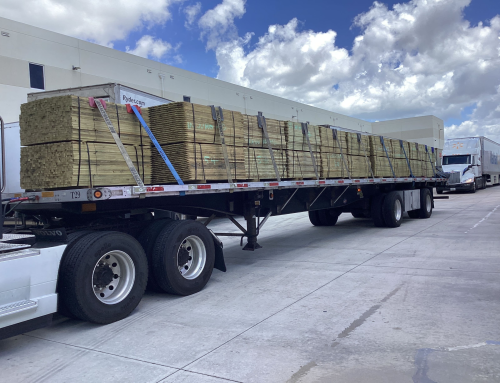
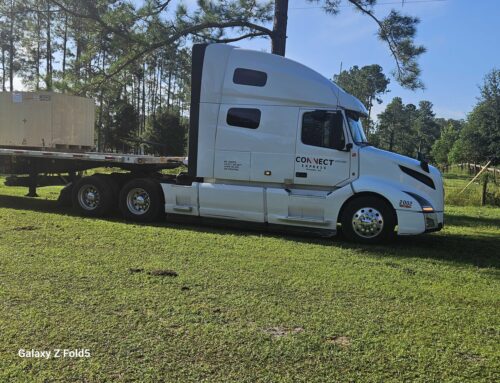
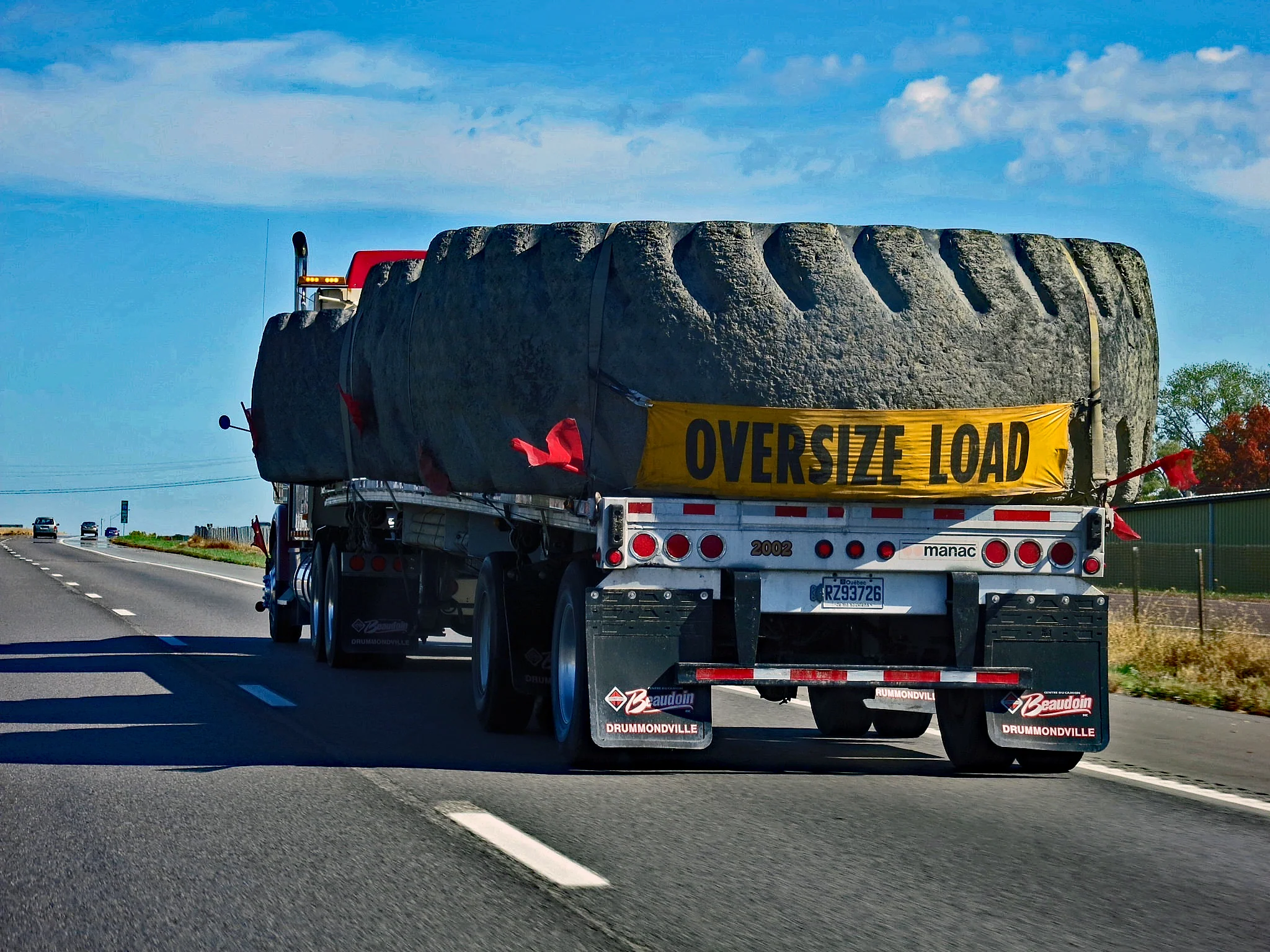
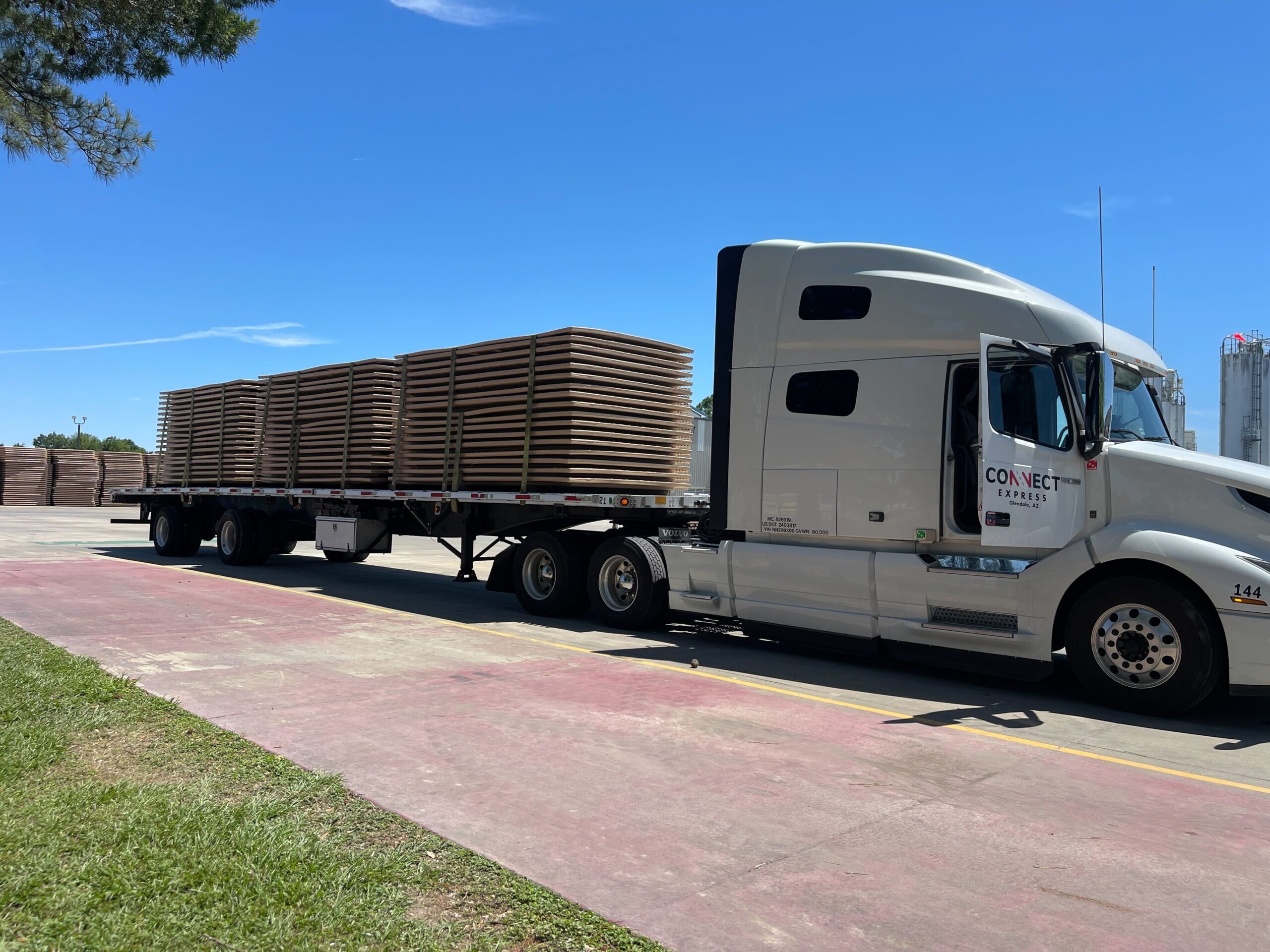
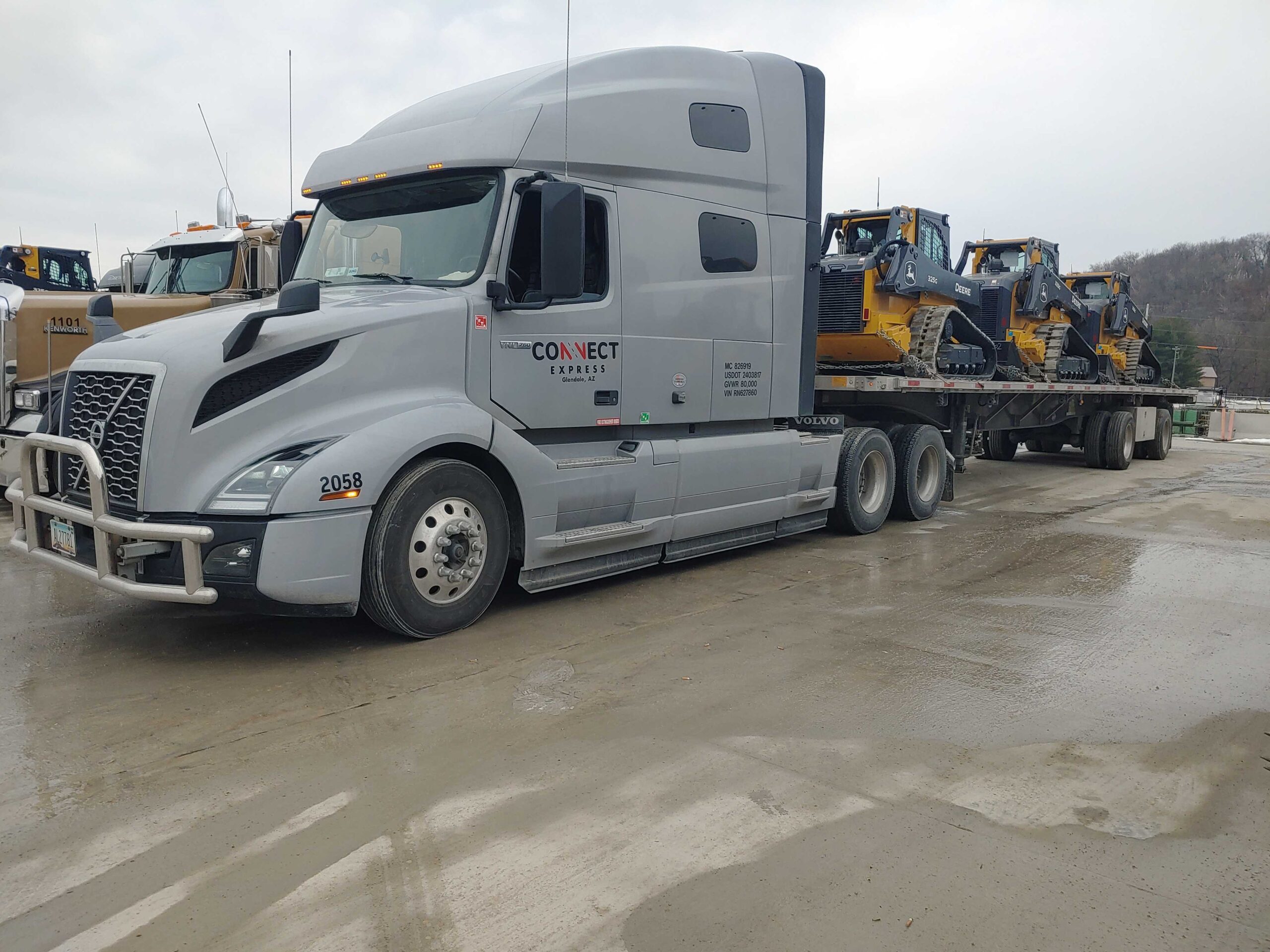
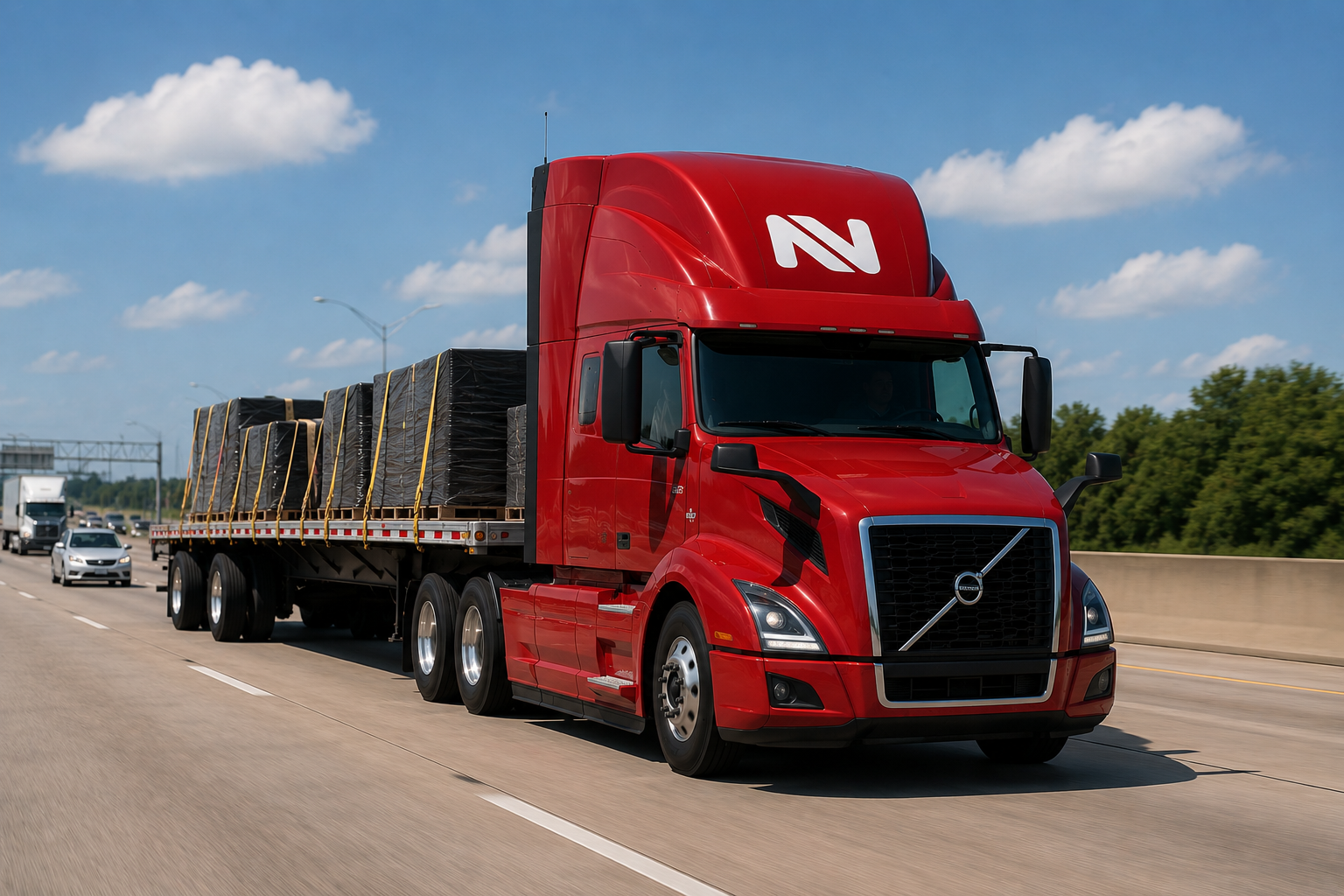
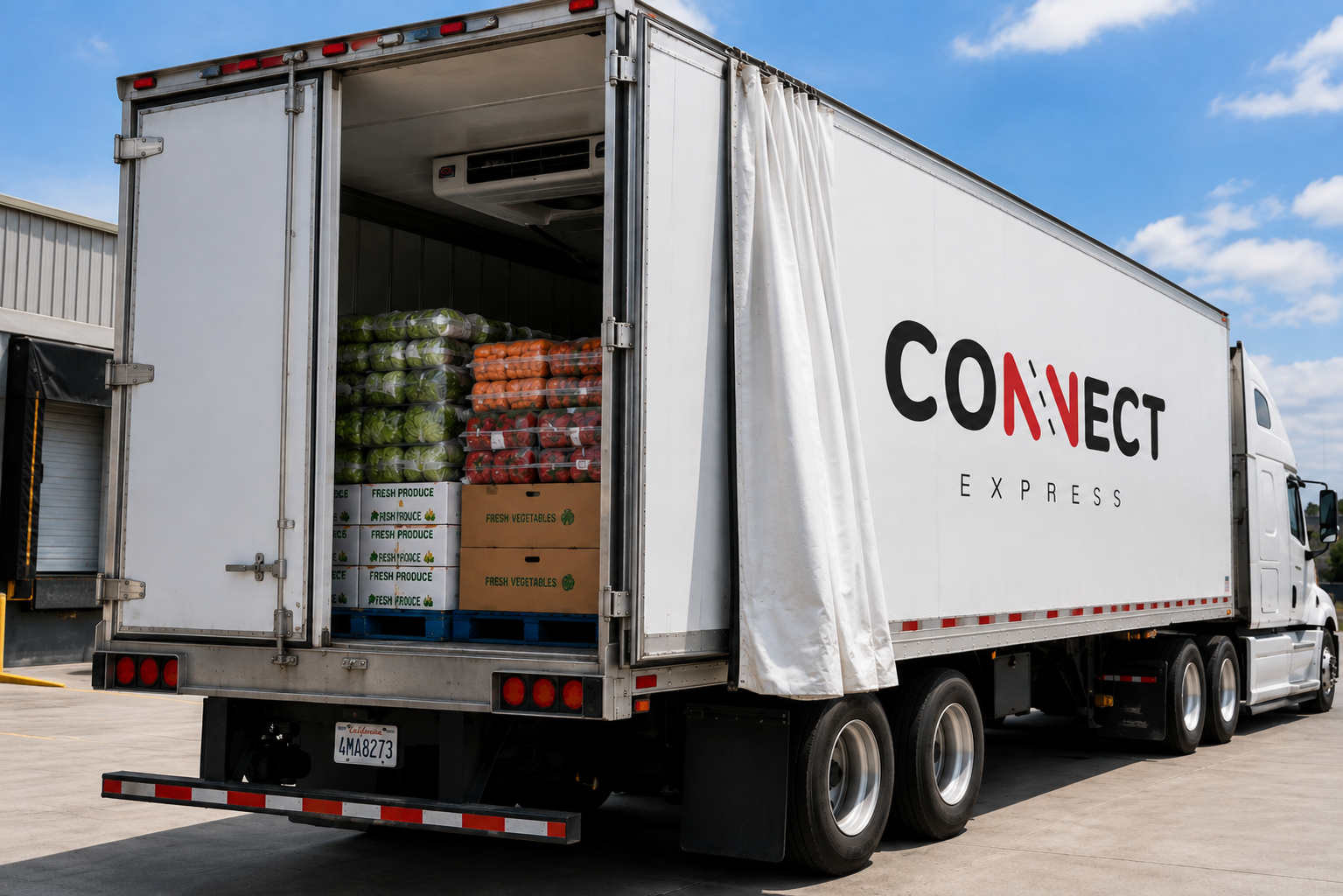
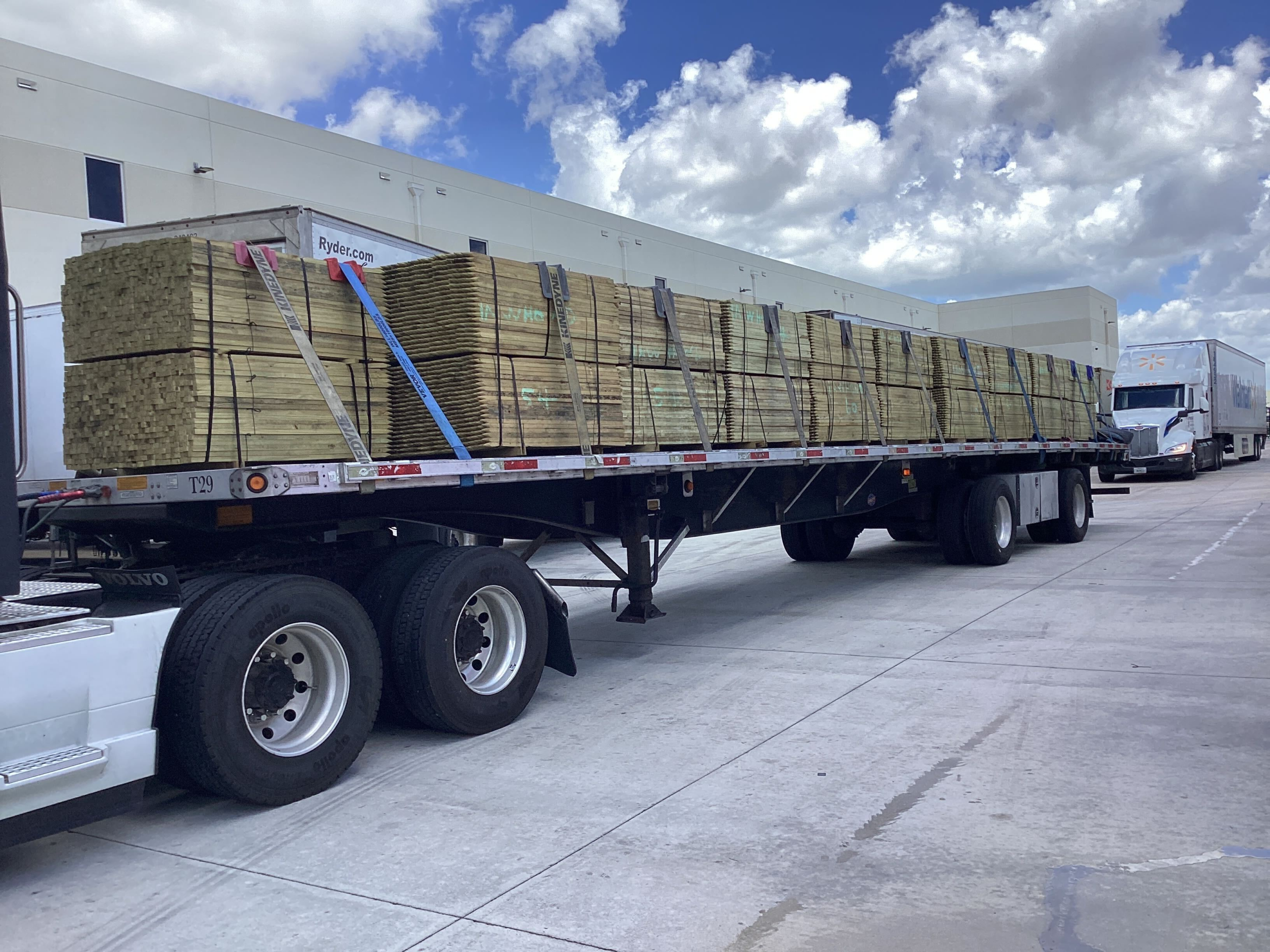
This is even more true on specialized freight. A dry van load with standard dimensions is one thing. A refrigerated shipment needs temperature info. A flatbed move may need dimensions, securement requirements, and notes about tarping. An oversized load needs permit-related details early, not after the truck is already planned.
Digital tools help, but they only work if the data going in is right. A bad request entered into a system is still a bad request.
The load details carriers need upfront
If you want a digital freight quote request to actually save time, it needs to cover the basics every dispatcher looks for first.
Start with the lane. Full pickup and delivery addresses matter more than just city and state, especially if appointment timing is tight or access is limited. Then include commodity, total weight, piece count, and dimensions if the freight is not standard.
Equipment type should be clear. Dry van, reefer, flatbed, step deck, or something more specific. If it is temperature-controlled, include the set point and whether the freight can cross-dock or needs continuous run conditions. If it is flatbed freight, note if tarps are required, if it is top-loaded, and if there are any securement rules at the shipper.
Accessorials need to be there too. Liftgate. Driver assist. Residential. Limited access. Detention-sensitive appointments. These details change planning. So do shipping hours and receiving hours.
And one more thing gets missed often – contact info. A solid request includes the right shipping and receiving contacts in case something changes while the truck is en route.
Why digital matters when the freight is time-sensitive
Phone calls still have their place. So do emails. But when freight is moving fast, digital requests help standardize information so dispatch can act on it quickly.
A digital freight quote request keeps details in one place. That reduces the chance that a note from a phone call gets lost or an email thread gets buried. It also gives both sides a cleaner record of what was requested at the start.
That matters when there is a tight pickup, a strict delivery appointment, or a high-value load that cannot sit. It also matters when multiple people touch the shipment. A buyer may book it, a warehouse team may load it, and a transportation manager may track performance after delivery. Digital records keep everyone working from the same load facts.
For shippers running repeat lanes, digital quoting also helps with consistency. If the same load moves every week from Arizona into Texas or across the Southwest, using a standard request format reduces mistakes. The same fields get filled. The same operating details get checked. That means fewer surprises on pickup day.
A faster quote is not always a better quote
A fast response feels good. That does not mean it is the right one.
If a carrier replies to a digital freight quote request in two minutes but has not asked the questions that matter, that should get your attention. Good carriers do not guess through missing details. They ask what they need to know so they can execute the load the right way.
This is where experience shows up. A real carrier looks at appointment times, transit expectations, equipment fit, and driver availability. They are thinking beyond the quote. They are thinking about whether the load can be picked up on time and delivered without excuses.
That is especially important for dedicated lanes, refrigerated freight, and flatbed work. These are not freight types where you want assumptions.
What shippers should look for after they send the request
Once the request is out, the next step is not just waiting for a number back. Watch how the carrier communicates.
Do they confirm the load details clearly? Do they ask smart follow-up questions when something is missing? Do they sound like they actually run trucks, or like they are still trying to figure out what the load is? That part tells you a lot.
A good quoting process should lead into a good execution process. If communication is messy before the load is booked, it usually does not get cleaner after pickup. On the other hand, when a carrier is direct from the start, you are more likely to get real updates, no guessing where your load is, and fewer surprises once the truck is rolling.
How carriers can make the process easier on shippers
This is not all on the shipper. Carriers need to make the request process simple too.
The best digital quote process is easy to fill out and hard to misunderstand. It does not ask for useless information. It asks for the operating details that actually affect pickup, transit, and delivery. If something is commonly missed, the form should prompt for it.
For example, reefer quote requests should ask for product type, temp range, and whether the shipment is frozen, chilled, or protected from heat. Flatbed requests should ask for dimensions, loading method, and securement notes. Oversized freight should flag permit-related details early. Dry van requests should still confirm weight, pallet count, and dock requirements.
Carriers should also respond like operators, not like a call center. Short answers. Clear answers. If the load works, say so. If something needs clarification, ask. If timing is tight, say what is realistic.
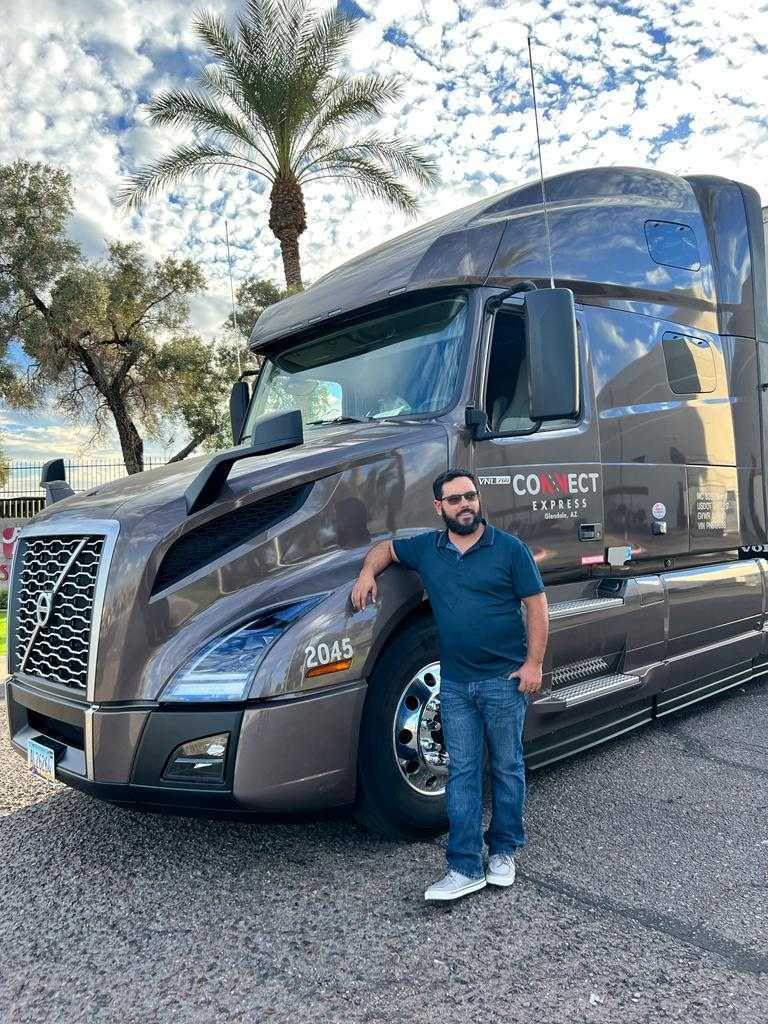
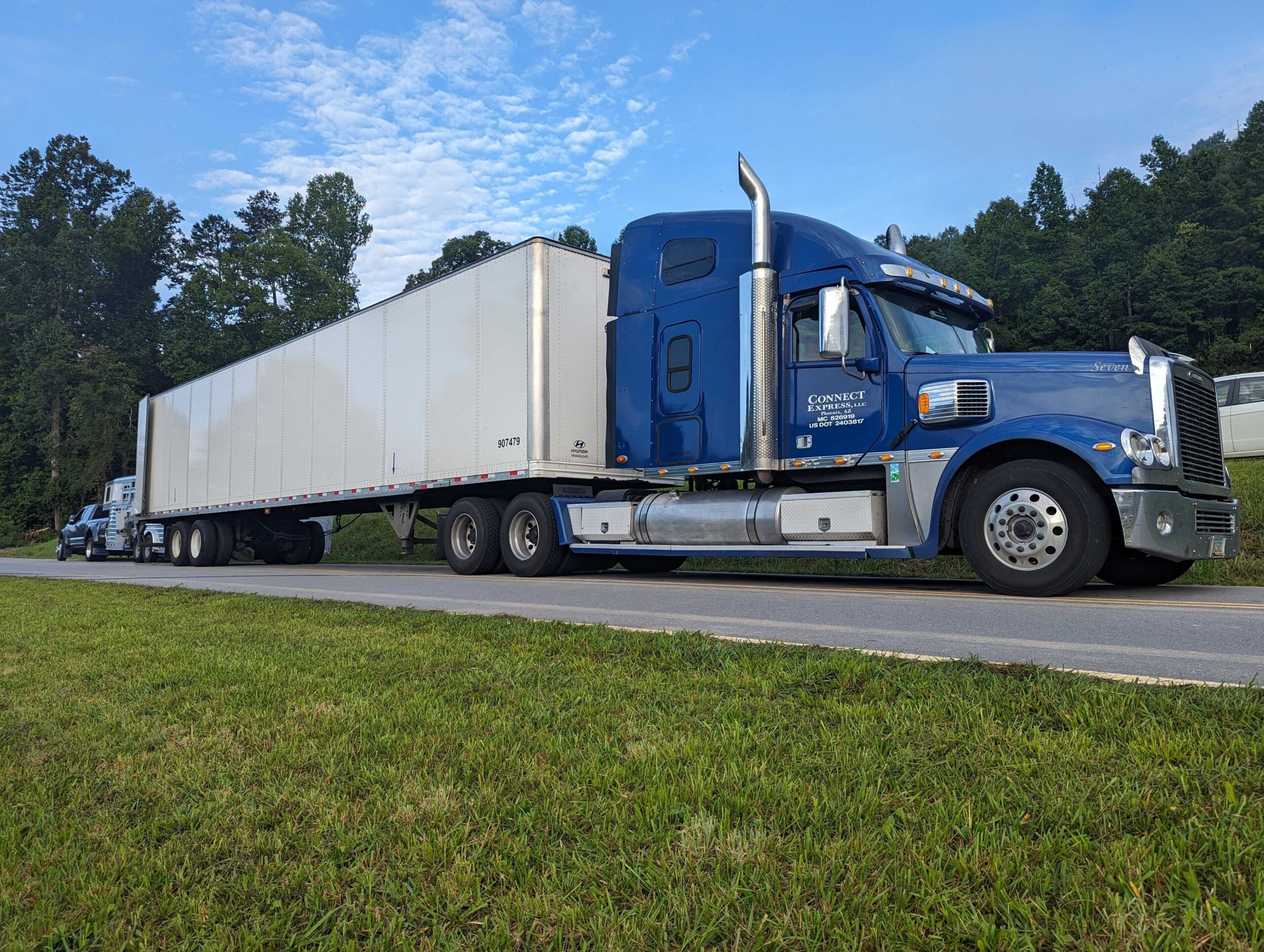
That is how ConnectExpress LLC approaches freight out of Phoenix and across the continental United States. Real equipment. Real drivers. Straight answers.
When a digital freight quote request works best
It works best when the lane is active, the details are complete, and both sides treat the quote as the start of operations, not just a rate check.
For one-off shipments, a digital request helps organize the basics fast. For repeat freight, it helps create a consistent handoff that your team can use every time. For urgent moves, it gives dispatch a clean starting point. For specialized loads, it reduces the chance that a critical detail gets missed until the truck is already at the dock.
There are still cases where a phone call should come first. If the load is highly unusual, if permits are involved, or if timing is changing by the hour, talking live may be the faster move. But even then, the digital request should follow. It gives the shipment a record and keeps everyone aligned.
A good digital freight quote request does one simple job. It gives the carrier enough truth, early enough, to plan the load right. That is what saves time. That is what prevents missed pickups. And that is what keeps freight moving the way it should.
Need capacity on this type of freight? Connect Express LLC provides asset-based logistics services across the Southwest and nationwide.
Request a truckload quote: Contact Connect Express or call (844) 474-8963.