Dry Van Shipping Quotes: What Shippers Should Send
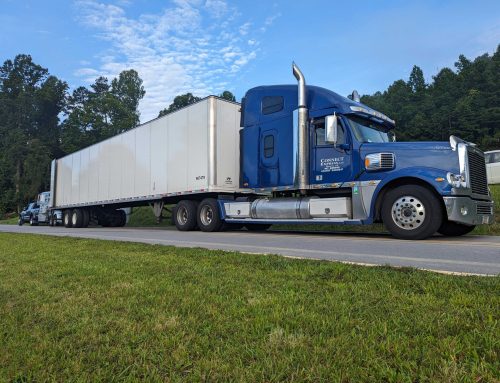
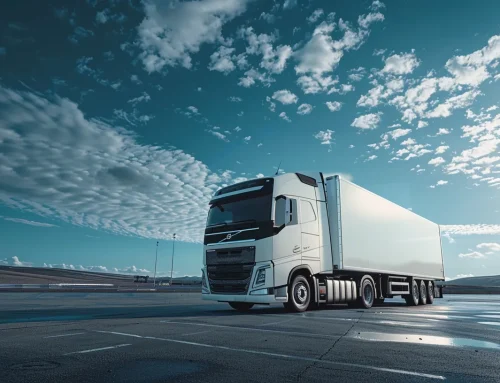
Most dry van shipping quotes slow down for one reason: the first request is missing details, so dispatch has to come back with a list of questions before anyone can price the load. If you ship palletized or boxed freight in a 53-foot dry van, you can skip that back-and-forth by sending the right facts up front. This guide covers what Connect Express dispatch needs for an accurate dry van truckload quote, which details move the number, and a checklist you can copy into your next email.
What goes into a dry van shipping quote
Every dry van freight quote is built on three groups of facts: the lane, the freight, and the timing. If you get these right, the rest of the conversation is usually short.
Lane: origin and destination ZIPs, miles, and stops
Start with full pickup and delivery addresses, or at least the city and ZIP code for each end. A city name alone can cover a 40-mile spread across a metro area like Phoenix, and that difference shows up in the miles and in the drive time. If the load has more than one pickup or drop, list every stop in order. Each extra stop adds time and planning work, so it needs to be in the quote from the start, not added on the day of pickup.
Lane direction matters too. National freight flows are not balanced, so some lanes have plenty of trucks heading that way and others do not. That is one reason two loads with similar miles can price differently.
Freight: commodity, weight, pallet count, and floor-loaded vs palletized
Tell dispatch what the freight is, in plain words, such as “canned beverages”, “packaged auto parts”, or “retail fixtures in cartons”. Then give the total weight, the number of pallets or pieces, and the pallet size if it is not a standard 48 x 40. Say whether the freight is palletized or floor-loaded, because floor-loaded freight usually takes much longer to load and unload.
Weight is more than one number on the bill. Heavy loads need to stay within legal weight limits on the gross weight and on each axle group, so dense freight may need to be placed carefully across the trailer. If the load is close to a full trailer by weight or by floor space, say so. If it is only a few pallets, ask whether a truckload or a less-than-truckload option fits better. LTL pricing uses freight class, while a full truckload is usually priced on the lane and the equipment.
Timing: pickup date, appointment windows, and lead time
Give the date the freight will be ready, the pickup window, and the delivery date or appointment you need. Note whether each end works by appointment, first come first served, or a set window. Tight appointment windows have to fit a driver’s legal hours, so a pickup late in the day followed by an early delivery the next morning may not work on a longer lane.
Lead time helps as well. A load sent a few days ahead gives dispatch more room to plan than a same-day request. Metro traffic and congestion also add real hours to a trip. For Phoenix-area freight, construction and closures listed on Arizona road conditions can affect drive time, so build some buffer into tight delivery times.
Details that change a dry van quote
Two loads on the same lane can still get different quotes. These are the details that usually explain why.
Accessorials: liftgate, driver assist, lumper, detention
Accessorials are services beyond picking up at a dock and delivering to a dock. Common examples on dry van freight include:
- Liftgate: needed when a site has no dock and no forklift.
- Driver assist or driver unload: when the driver is expected to help move freight.
- Lumper: a third-party unloading service that some receivers require.
- Detention: time the truck waits beyond the free time at a facility.
- Inside delivery, residential, or limited-access sites: schools, construction sites, and similar locations.
Waiting time is a real cost in trucking. Research on detention shows how much unplanned waiting adds for carriers and shippers. If you know a receiver often runs long, say so when you ask for the quote.
Fuel surcharge and market conditions
Many truckload quotes include a fuel surcharge tied to diesel prices, which the U.S. Energy Information Administration publishes every week. When diesel moves, the fuel part of a quote can move with it. Ask whether a quote is all-in or linehaul plus fuel, so you compare like with like.
Truck supply and demand shift with the season, the lane, and the economy. Carrier operating costs such as equipment, insurance, and maintenance also change over time. Our guide to truckload rate changes explains why the same load can price differently from one week to the next.
Facility rules: dock hours, load bars or straps, seals
Share the shipping and receiving hours for both ends, along with any rules the driver needs to know: check-in steps, required safety gear, no-touch freight, or appointment-only docks. Long time at the dock affects driver schedules, so realistic load and unload times help dispatch plan the trip properly.
Tell dispatch if the freight needs load bars or straps to keep partial loads from shifting, and whether the shipper applies a seal and wants the seal number recorded. These are small details, but leaving them out leads to delays at pickup.
Dry van or reefer for the quote?
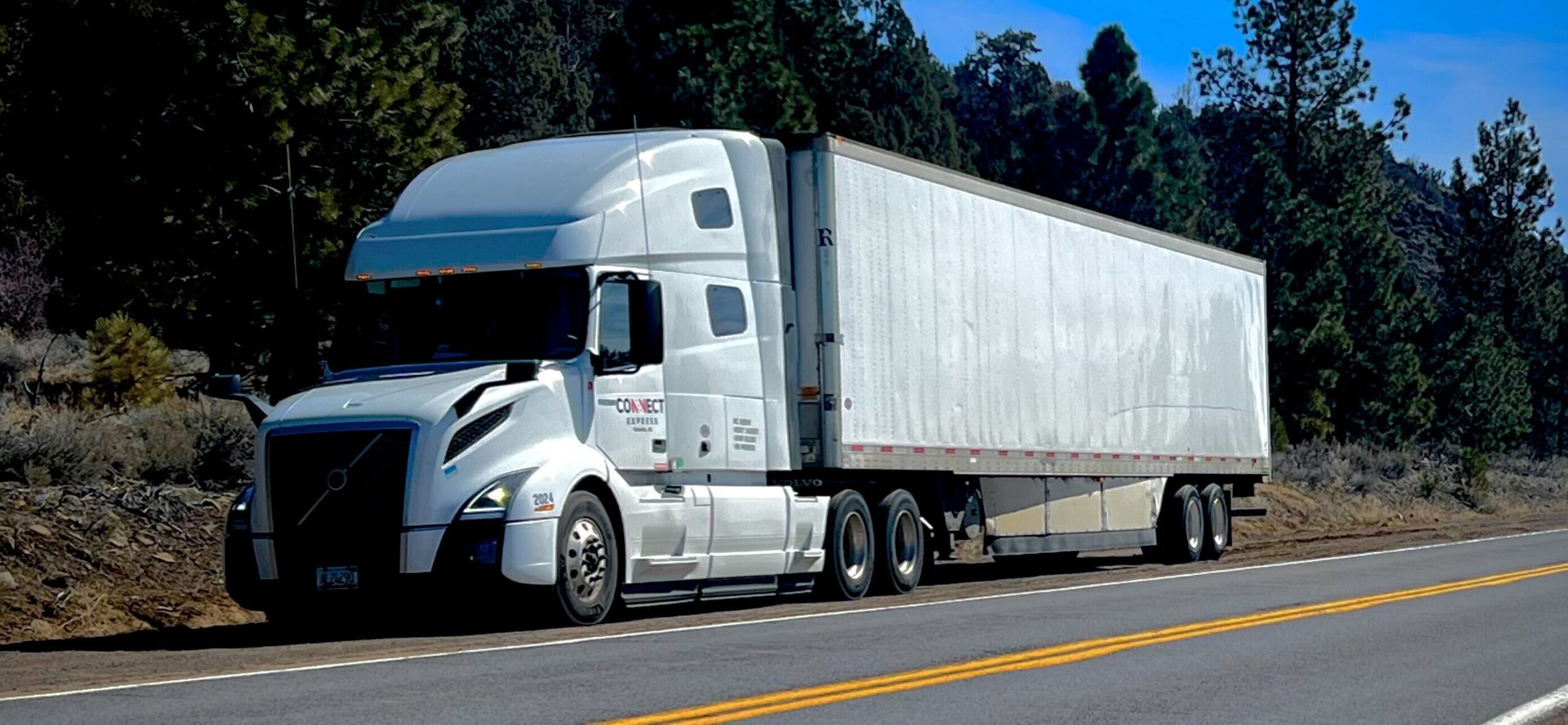
A dry van is enclosed but not temperature controlled. If your product can be damaged by heat or cold, especially during an Arizona summer, ask whether it should move in a refrigerated trailer instead. Our comparison of reefer trailer vs dry van covers how to decide. Settle the equipment type before you request the quote, because a reefer quote is built differently.
One-time load vs recurring freight
Say whether the load is a one-time move or part of regular freight. If it repeats, share the expected frequency, such as weekly or several loads a month, and the usual pickup days. Recurring freight can be planned differently from a single spot load, and the information also helps you track performance later with the trucking KPIs for shippers that matter most.
A copy-and-send quote checklist
Paste this into your email or quote form and fill in each line:
- Pickup address (or city and ZIP) and pickup window
- Delivery address (or city and ZIP) and delivery date or appointment
- Any extra stops, in order
- Commodity description
- Total weight and pallet or piece count
- Palletized or floor-loaded; pallet size if not standard
- Dock or no dock at each end; any liftgate, driver assist, or lumper needs
- Facility hours and check-in rules
- Load bars, straps, or seal requirements
- One-time or recurring, and how often
- Reference or PO numbers for the bill of lading
- Your contact name, phone, and email
If you prefer an online request, our guide to a digital freight quote request shows how to fill one out without leaving gaps. Once the price is agreed, see how to book dry van loads for the next step.
How to request a dry van quote from Connect Express
Connect Express is based in Glendale, AZ, in the Phoenix metro area, at 5701 W Maryland Ave, Glendale, AZ 85301. To request a dry van shipping quote, call dispatch at 480-401-1998, email admin@connectexpressllc.com, or use our contact page. Send the checklist above with your first message and dispatch can review the load without a round of follow-up questions. To see what to expect after booking, read what dry van freight services should deliver and what a nationwide dry van carrier should handle.
Dry van shipping quotes FAQ
What information do I need for a dry van freight quote?
Send the origin and destination ZIP codes, the pickup date and appointment windows, the commodity, the total weight, and the pallet count or whether it is floor-loaded. Add any accessorials, such as liftgate or driver assist, and any facility rules. A complete first request means fewer follow-up questions.
How are dry van rates calculated?
Most truckload quotes combine a linehaul charge for the miles, a fuel surcharge, and any accessorials. Lane demand, timing, lead time, and how well the load fits the carrier’s planned trucks all move the final number. Ask whether a quote is all-in or linehaul plus fuel when you compare.
Why did my dry van quote change from last week?
Fuel prices, truck capacity on the lane, lead time, and appointment changes can all shift truckload pricing from week to week, even when the freight itself stays the same. Changes in pickup day or delivery window can also change how the load fits into a carrier’s schedule.
Can I get a dry van quote for a recurring lane?
Yes. Share the expected frequency, volume, usual pickup days, and both facility addresses so dispatch can review it as repeat freight rather than a one-off load. Clear volume details help the carrier plan trucks ahead and keep the quote realistic over time.
What makes a dry van quote more accurate?
Exact weight, real dock hours, the loading method, and any facility rules sent up front. Estimates are fine for a first look, but measured numbers and confirmed appointment times help the quote match what actually happens on pickup and delivery day.