A crushed carton or a short pallet count calls for a clear record, not a rushed conclusion about fault. If you are learning how to file a freight claim, start by documenting the shipment, preserving evidence, and separating a delivery exception from the formal claim itself. This guide explains those steps for commercial motor freight where the cited federal provisions apply. This is general information, not legal advice or a decision about a particular shipment. Check your bill of lading, contract of carriage, and applicable carrier tariff for shipment-specific terms.
For preparation before the next delivery, see our guide to prevent freight damage. To discuss a delivery concern, contact Connect Express or call 480-401-1998.
What counts as a freight claim
A freight claim is a written request seeking payment for an alleged transportation loss. 49 CFR 370.3 addresses loss, damage, injury, and delay to cargo. Do not assume a delay complaint follows the same analysis as physical damage. Keep the facts separate and seek shipment-specific guidance. A carrier claim also differs from a claim under your own freight insurance and liability coverage.
Visible damage vs concealed damage
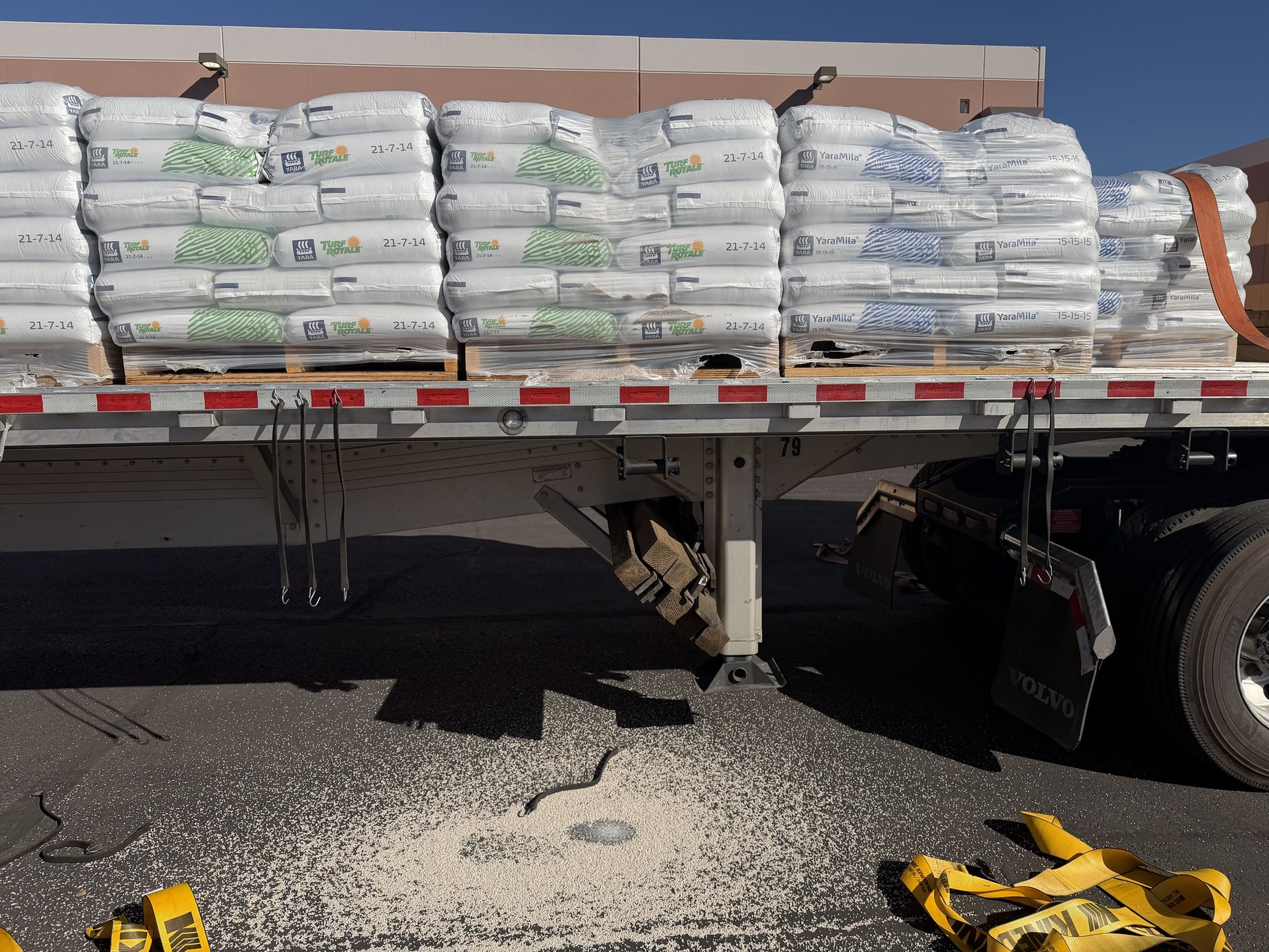
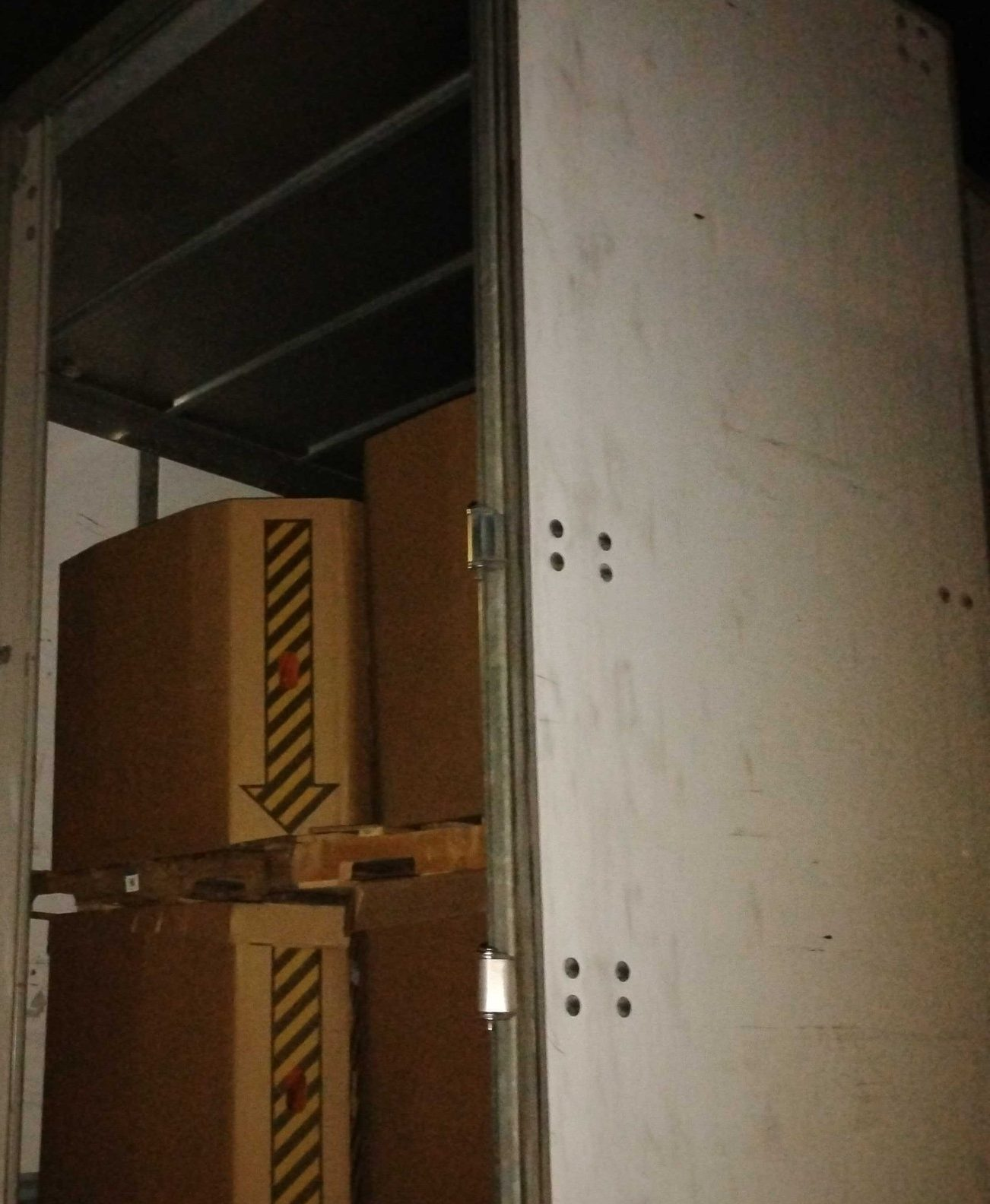
Use “visible damage” for an issue apparent during receiving, and “concealed damage” for damage found after unpacking. Record what you observed rather than guessing when it happened. Photograph the unopened package and the contents as you uncover the issue.
OS&D notes and why exceptions on the delivery receipt matter
OS&D means over, short, and damaged. A specific exception documents an observation, but it is not the claim itself: section 370.3(c) says delivery-receipt notations and inspection reports, standing alone, do not meet minimum filing requirements.
What to do at delivery before you sign
Inspect and count against the bill of lading
Compare identifiers, handling-unit counts, and the freight description with your shipping documents. Note whether you counted sealed pallets or individual cartons. For receiving preparation, review our explanation of dock to dock delivery.
Write specific exceptions on the BOL/POD
Describe the location and extent of the observed issue: “two cartons crushed on the upper corner of pallet A” is clearer than “damaged.” Ask that the observation appear on the delivery record, and retain a legible copy. Avoid treating “subject to inspection” as a substitute for either specific observations or a written claim.
Photos, keeping packaging, and decisions about refusal
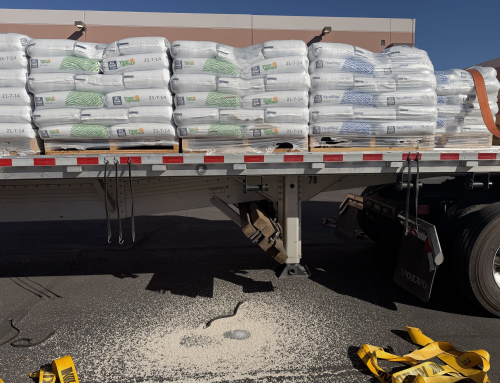
Take wide photographs of the shipment and close-ups of affected areas, labels, and packaging. Preserve packaging and separate affected goods where practical and safe. Ask the shipment parties for written handling instructions before disposal or return. Whether refusal is appropriate depends on the shipment; this guide does not give a blanket instruction to accept or reject damaged freight.
How to file a freight claim step by step
Step 1: Notify the carrier in writing
Identify the carrier’s claims contact and submission method. Send shipment references, the delivery date, and a factual description. Use your shipper communication record to assemble a chronology. An early incident message is useful, but check it against the formal requirements below rather than assuming it completes filing.
Step 2: Gather documents
Build one organized packet: bill of lading, proof of delivery with exceptions, packing list, invoice, photographs, and relevant correspondence. Add repair estimates or other support for the amount requested where appropriate. Label attachments consistently and explain which goods each document covers. Keep originals and a copy of everything submitted.
Step 3: State a specified or determinable amount
Under 49 CFR 370.3(b), a written claim filed with a proper carrier within applicable limits must identify the shipment, assert liability for the alleged loss, damage, injury, or delay, and request a specified or determinable amount. Explain your calculation and supporting records. Do not merely ask the carrier to investigate an unspecified loss.
Step 4: Submit the claim and track the acknowledgment
Save evidence of submission and receipt. Record the claim number and the carrier’s requests for further information. 49 CFR 370.5 requires written acknowledgment within 30 days after receipt of a proper written claim unless it has been paid or declined in writing within that period. An acknowledgment is not an acceptance of liability.
Step 5: Keep goods available for inspection and limit further damage
As a practical precaution, preserve the goods and packaging for inspection and ask for written instructions. Where safe, protect unaffected goods from additional exposure. Keep a record of actions taken, who authorized them, and related documentation. Do not interpret an inspection arrangement as a settlement or permission to discard evidence.
Carrier timelines under 49 CFR Part 370
The acknowledgment rule above is separate from disposition. Under 49 CFR 370.9(a), a covered carrier must pay, decline, or make a firm compromise settlement offer in writing within 120 days after receiving the claim. If it cannot process and dispose of the claim within that period, it must then advise the claimant in writing of its status and the reason for delay, and repeat that advice at each succeeding 60-day period while it remains pending. These are not promises of payment.
Carmack minimum windows
The Carmack provision at 49 U.S.C. 14706(a)(1) addresses carrier liability for actual loss or injury to property within its scope. Under subsection (e)(1), a carrier may not provide less than nine months to file a claim or less than two years to bring a civil action under that section. The suit period is computed from written notice disallowing any part of the claim. These are statutory minimum periods, not a universal instruction to wait. Review the bill of lading and contract for the applicable terms, and obtain legal advice about disputed deadlines or coverage.
Concealed damage claims
When damage appears during unpacking, record the discovery date, package condition, identifiers, and handling history. Preserve images from receiving alongside the new photographs. Notify the carrier promptly as a practical step and check shipment-specific notice and inspection instructions. This guide does not invent a separate concealed-damage deadline. A delivery record without an exception should be reported accurately, not altered after the fact.
Carrier vs broker: who you file with
Identify the parties before submitting. Section 370.3(a) identifies proper carriers, including the receiving or delivering carrier, the carrier issuing the bill of lading, or the carrier on whose line the alleged issue occurred. Review the actual documents rather than relying only on who booked the shipment. See truckload carrier vs freight broker and asset carrier vs broker for terminology. Ask any broker for coordination help without assuming that sending it an incident email files a claim with the proper carrier.
Freight claim packet-review checklist
Use this as a packet-review checklist, not a prediction of a decision:
- Is the written claim missing an amount or an assertion of liability?
- Do the shipment references match across the attachments?
- Are visible observations missing from the receiving record?
- Was packaging discarded before inspection could be discussed?
- Do photographs show both the damage and the affected shipment?
- Was the claim directed to the proper carrier?
The formal minimum requirements come from section 370.3. Other evidence gaps need case-specific review; none alone establishes the outcome here.
How to reduce the next claim risk
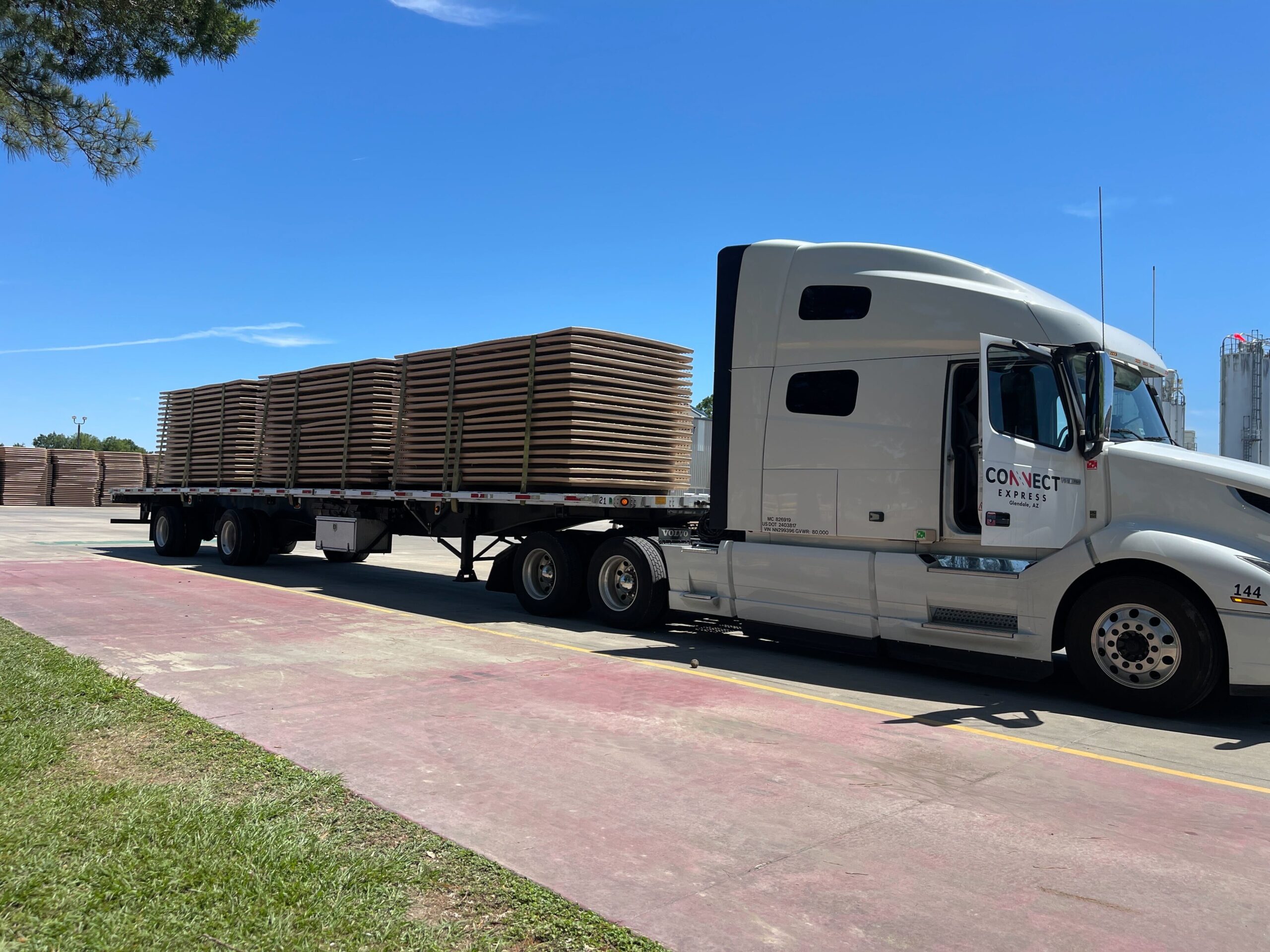
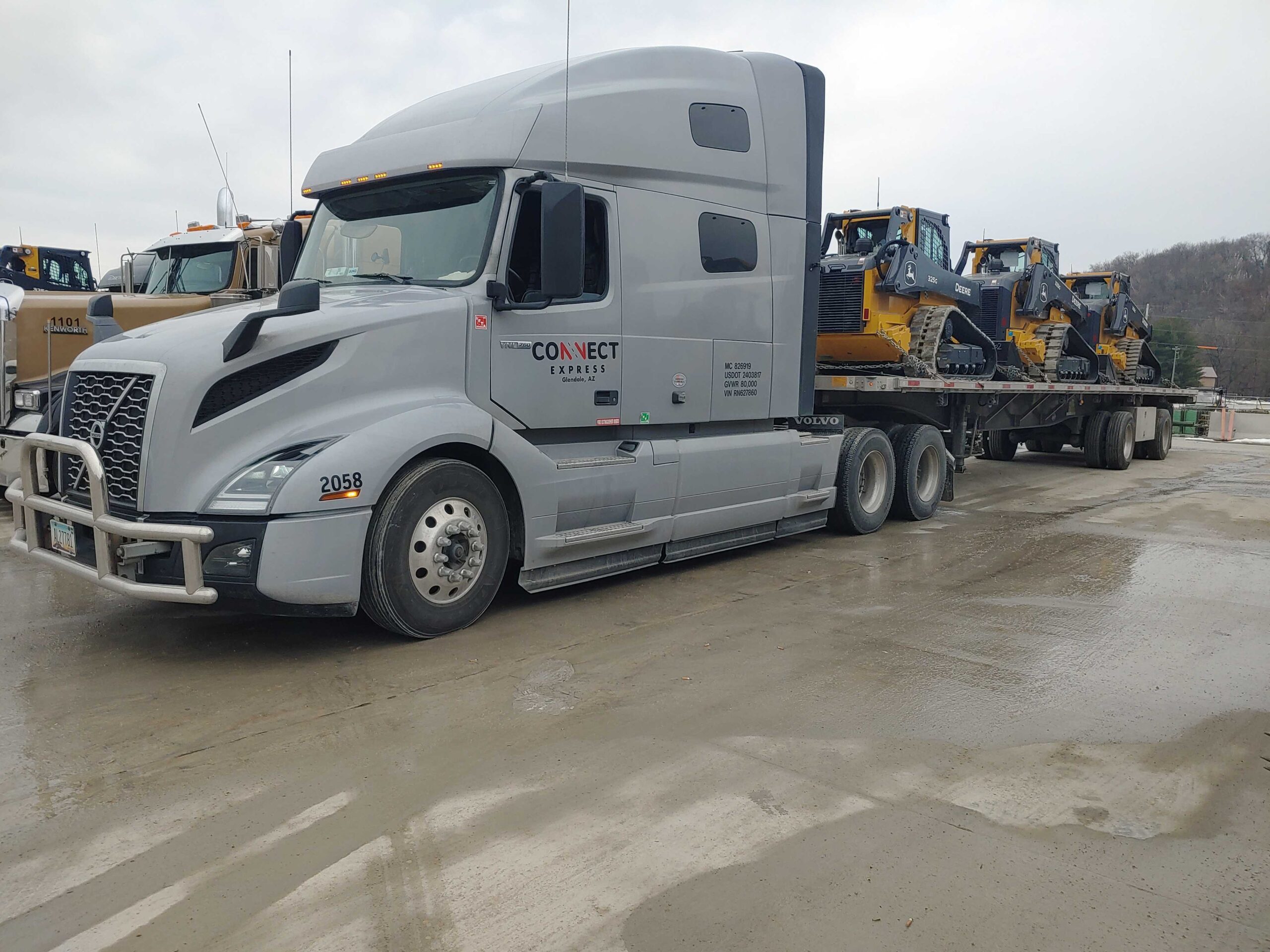
Review packaging and flatbed load securement before loading. Use our dry van loading guide to frame loading discussions. For temperature-sensitive cargo, agree on monitoring records and review reefer temperature monitoring. Keep appointment changes in the shipment file; our guide to missed delivery appointments offers related planning context. These are preparation habits, not guarantees against damage.
Frequently Asked Questions
How do I file a freight claim?
Submit a written claim to a proper carrier using the shipment’s applicable instructions. Identify the shipment, assert liability, and request a specified or determinable amount, as described in 49 CFR 370.3(b). Attach supporting records and retain evidence of receipt. A delivery exception alone is not the formal claim.
What documents do I need for a freight claim?
Assemble the bill of lading, delivery receipt, invoice, packing list, photographs, correspondence, and support for the requested amount. Treat this as a practical packet checklist, not an exhaustive legal requirement. Under 49 CFR 370.5(a), the carrier must indicate in its acknowledgment what additional documentary evidence or other pertinent information, if any, its preliminary examination shows may be required to process the claim.
What is concealed damage in shipping?
Here, concealed damage means damage discovered after unpacking rather than apparent during receiving. Record the discovery and preserve packaging, labels, receiving photos, and photographs of the contents. Avoid guessing about the cause. Ask the carrier for inspection instructions and review the shipment terms rather than assuming a universal concealed-damage notice period applies.
How long do I have to file a freight claim?
For claims under Carmack, 49 U.S.C. 14706(e)(1) bars a carrier from providing less than nine months for filing. It also protects a minimum two-year civil-action period computed from written disallowance of any part of the claim. Check the actual bill of lading and seek advice on your applicable deadline.
Who is responsible for freight damage, the carrier or the broker?
Do not decide responsibility from the booking contact alone. 49 U.S.C. 14706(a)(1) addresses liability of carriers within its scope. Identify the parties and their contractual roles, then obtain shipment-specific advice if responsibility is disputed. Broker coordination and a formal claim to a proper carrier are not interchangeable steps.
Should I refuse a damaged shipment?
There is no blanket recommendation here. Record the condition, contact the shipment parties, and request written instructions before deciding about refusal, storage, return, or disposal. Consider safe handling and evidence preservation. Do not assume refusal resolves responsibility or eliminates the need to prepare and submit a formal written claim.
Related guides
Continue with the damage-prevention, shipping-document, and insurance guides linked above. For future booking discussions, review how to choose a truckload carrier.
Talk Through a Damaged or Short Delivery
Have your shipment reference and receiving documents ready. Contact Connect Express in Glendale, at 5701 W Maryland Ave, Glendale, AZ 85301. Call 480-401-1998 or email admin@connectexpressllc.com to discuss the delivery and next documentation steps.