A missed pickup usually does not start at the dock. It starts earlier – with bad load info, late status updates, or a dispatcher working off three screens, two phone calls, and a spreadsheet that is already wrong. That is where a transportation management system trucking companies use starts to matter. Not because software fixes bad operations, but because it helps good operations stay tight when the day gets busy.
For shippers, freight managers, and logistics coordinators, the question is simple. Will this system help move freight on time with fewer surprises? If the answer is no, it is just more overhead. If the answer is yes, it can make a real difference.
What a transportation management system trucking teams actually use does
In plain terms, a TMS is the operating board behind the freight. It keeps load details, pickup and delivery times, driver assignments, route notes, rate confirmations, documents, and status updates in one place. It gives dispatch, safety, accounting, and customer service the same picture of the load.
That matters because trucking breaks down fast when information lives in too many places. If dispatch has one appointment time, the driver has another, and the shipper gets no update until someone starts calling around, the problem is not only the load. The problem is control.
A good transportation management system for trucking helps control the basics. It tracks the load from tender to delivery. It stores the paperwork. It gives real-time status when the truck is moving. It records who changed what and when. And it cuts down on the back-and-forth that wastes time.
Where a TMS helps most in day-to-day trucking
The biggest value is not the software itself. It is what stops falling through the cracks.
Dispatch gets cleaner load entry and fewer mistakes on appointments, commodity details, and special instructions. That matters on dry van freight, but even more on reefer and flatbed work. A reefer load with the wrong temperature setting or a flatbed load missing securement notes can turn into a claim, a delay, or both.
Tracking gets better too. Shippers do not want vague updates. They want to know if the truck is empty, loaded, rolling, delayed, checked in, or delivered. A TMS can pull that into one workflow so your team is not chasing drivers for every update. Drivers still matter, of course. Good communication from the cab is still part of the job. But the system gives that communication a place to land where everyone can see it.
Paperwork is another big one. Bills of lading, proof of delivery, lumper receipts, scale tickets, and load photos all need to be tied to the right shipment. When documents are scattered through texts and email threads, billing slows down and disputes take longer to fix.
Transportation management system trucking operations and visibility
Visibility gets talked about a lot, and sometimes too loosely. A blue dot on a map is not the whole story. Real visibility means the shipper can get a straight answer without waiting an hour for someone to call back.
A transportation management system trucking carriers rely on should make that easier. It should show the current load status, the planned route, key stop times, and any issue that could affect delivery. If there is a delay because of weather, traffic, late loading, or mechanical trouble, the system should help the team flag it early.
That early warning matters more than perfect execution. Most shippers understand that things happen on the road. What they do not want is silence. If a delivery is going to slide, they want to know before the appointment gets missed, not after.
This is one place where systems help good carriers stand out. Real updates. No guessing where your load is. No pretending everything is fine until it is not.
It matters more on specialized freight
Not every load has the same level of complexity. A straight dry van move on a familiar lane is one thing. Refrigerated freight, oversized hauling, and dedicated lanes are another.
Reefer freight needs tighter control. Temperature settings, pre-cool requirements, washout status, and check-call timing all matter. If that information is buried in emails or sitting in one dispatcher’s notebook, mistakes happen. A TMS helps keep those details attached to the load from start to finish.
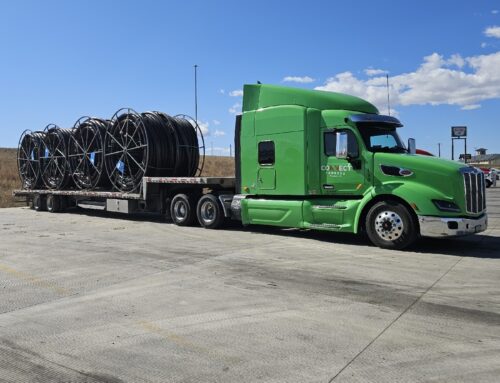
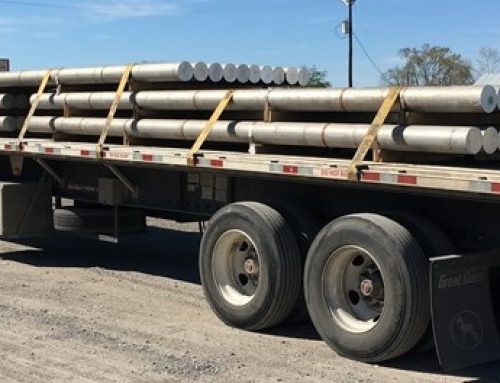
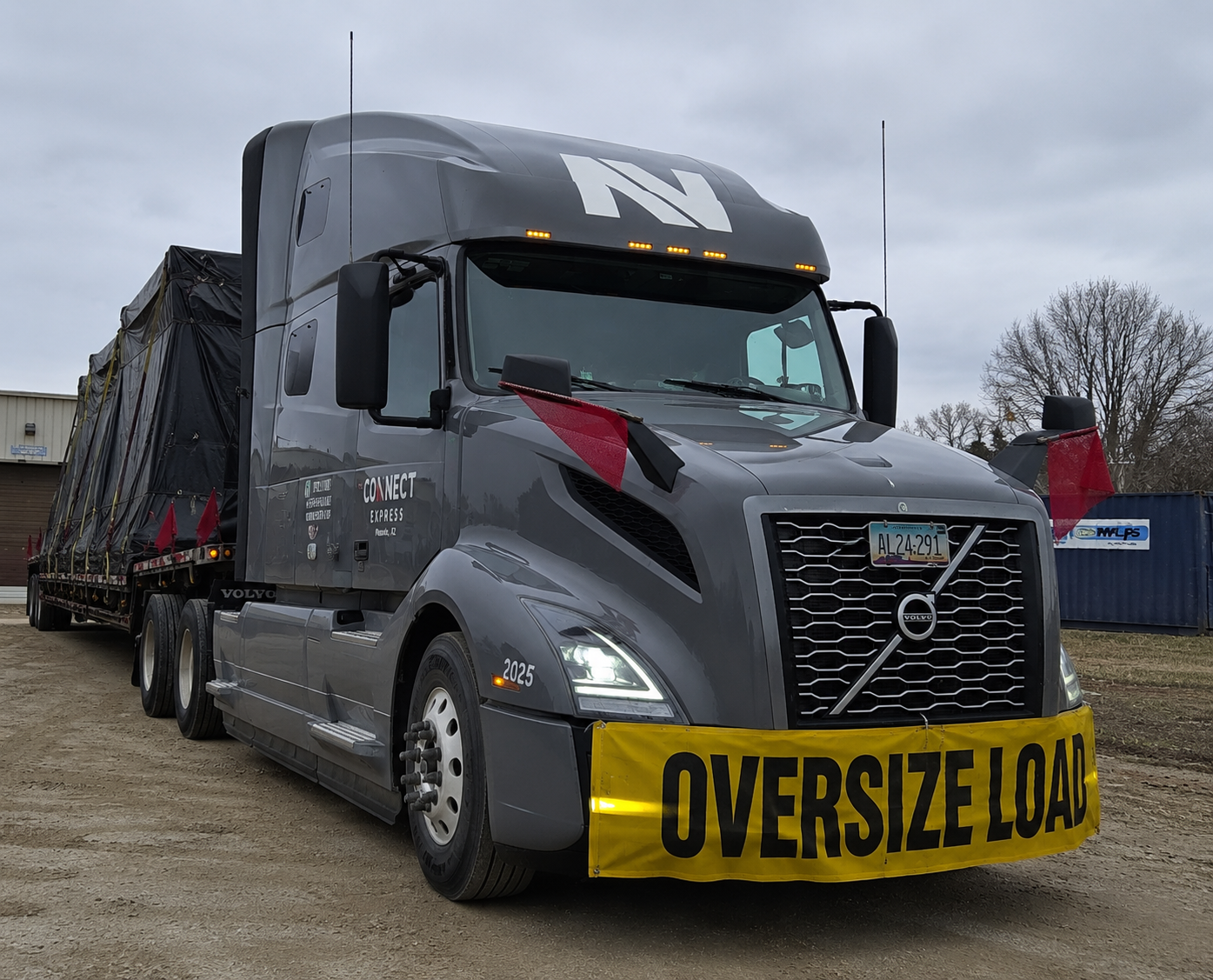
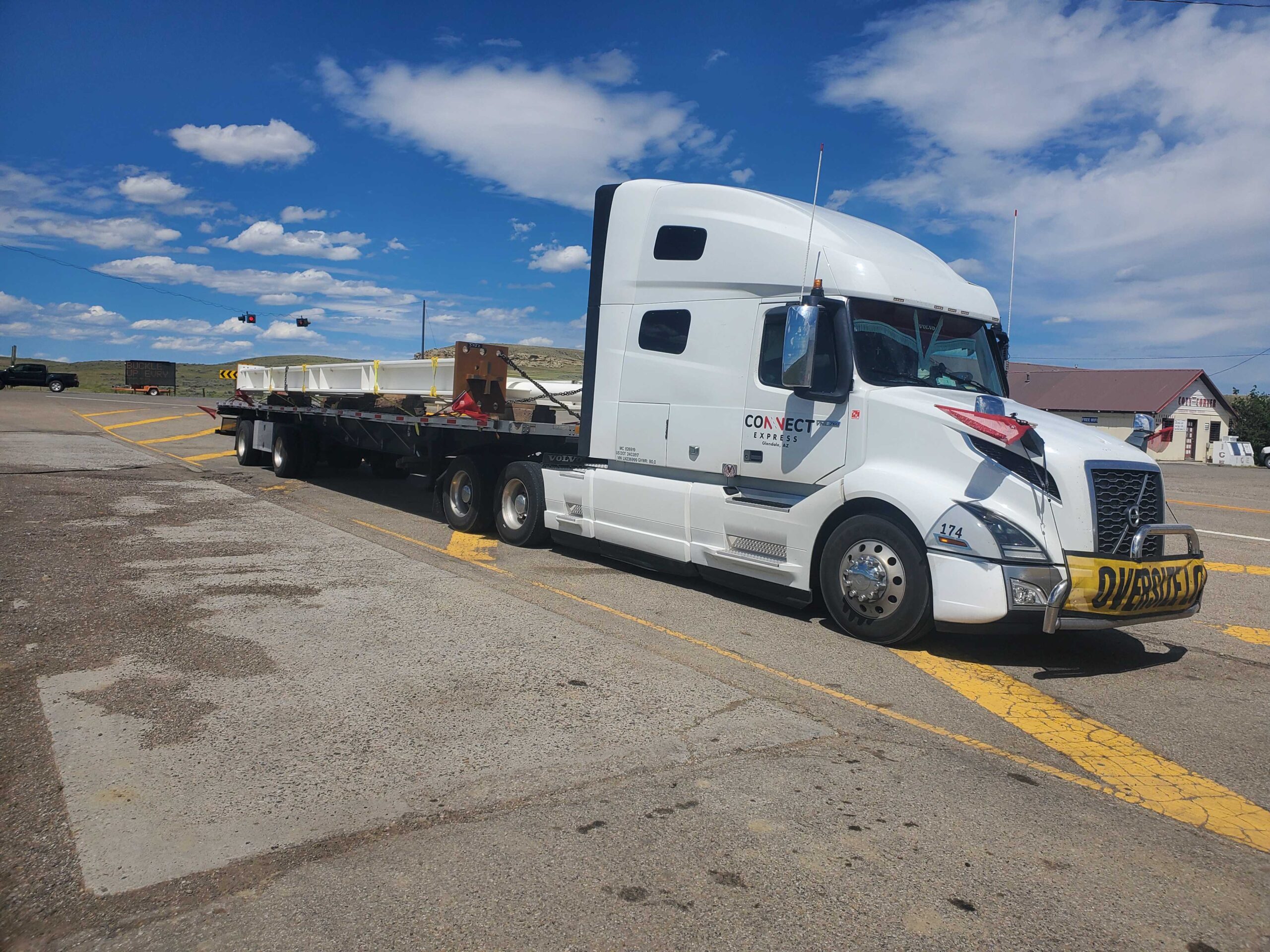
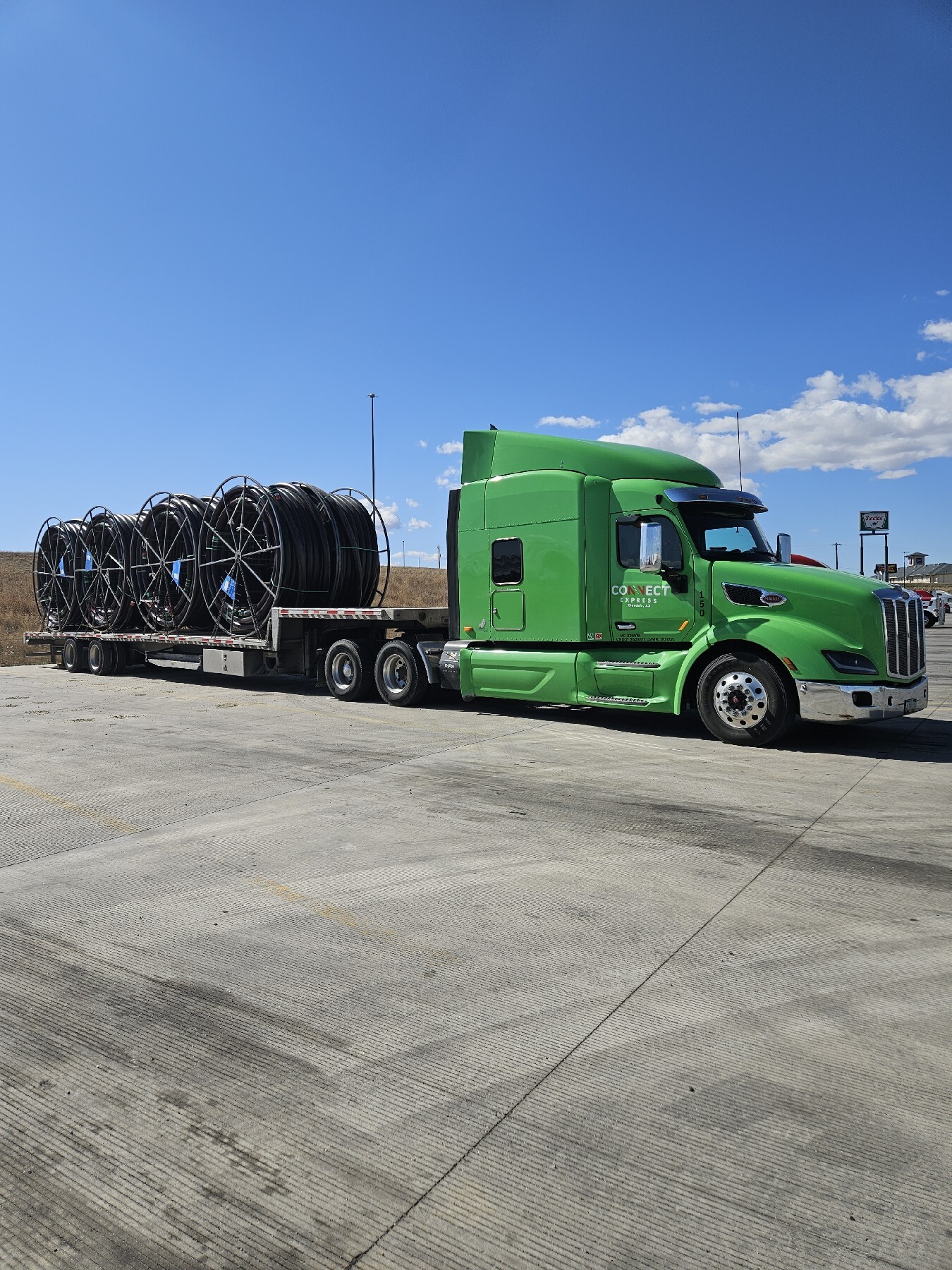
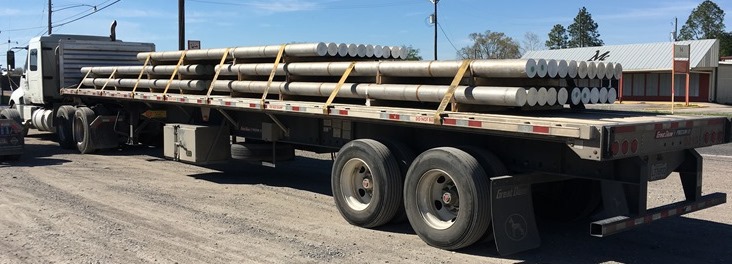
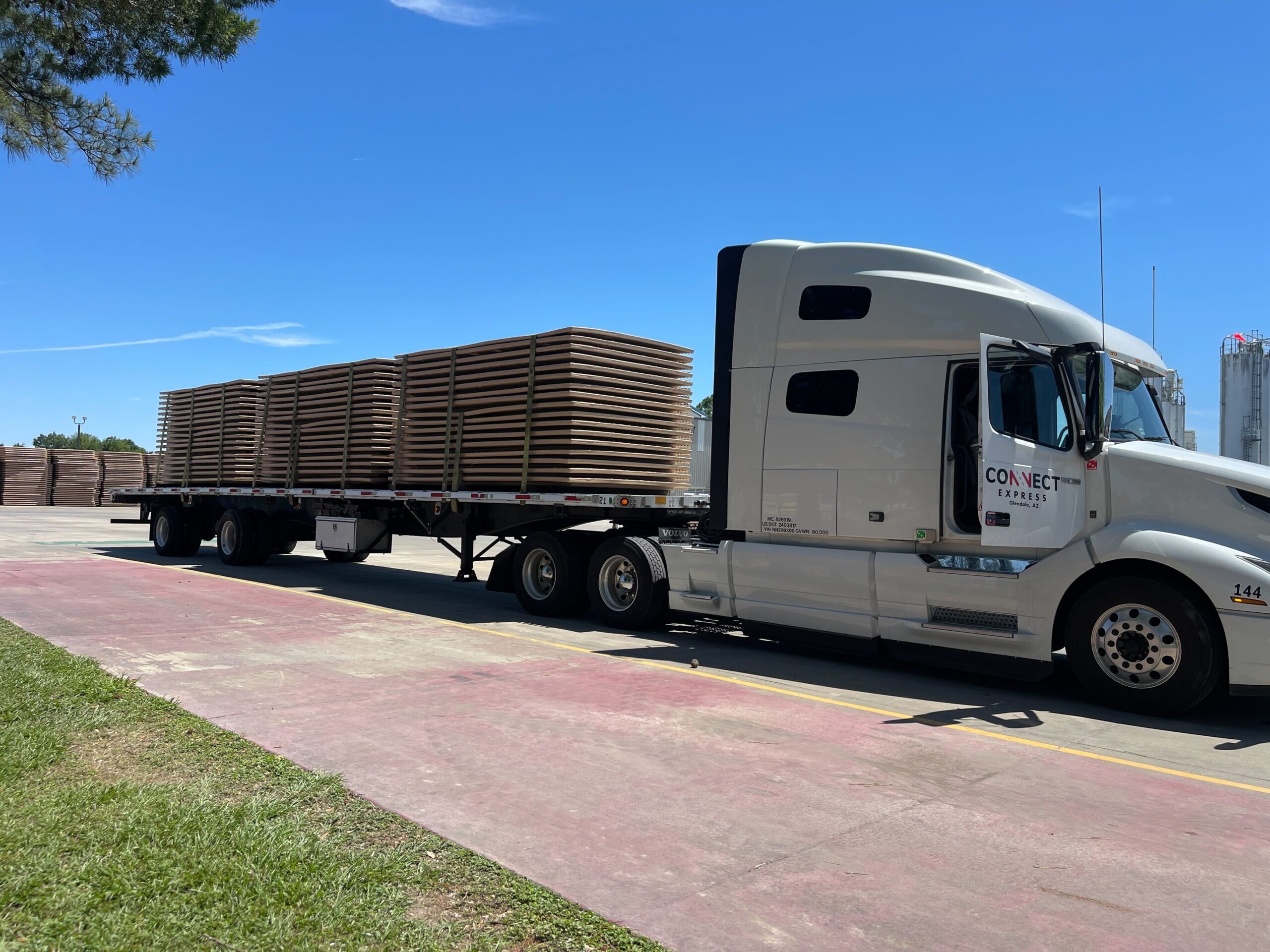
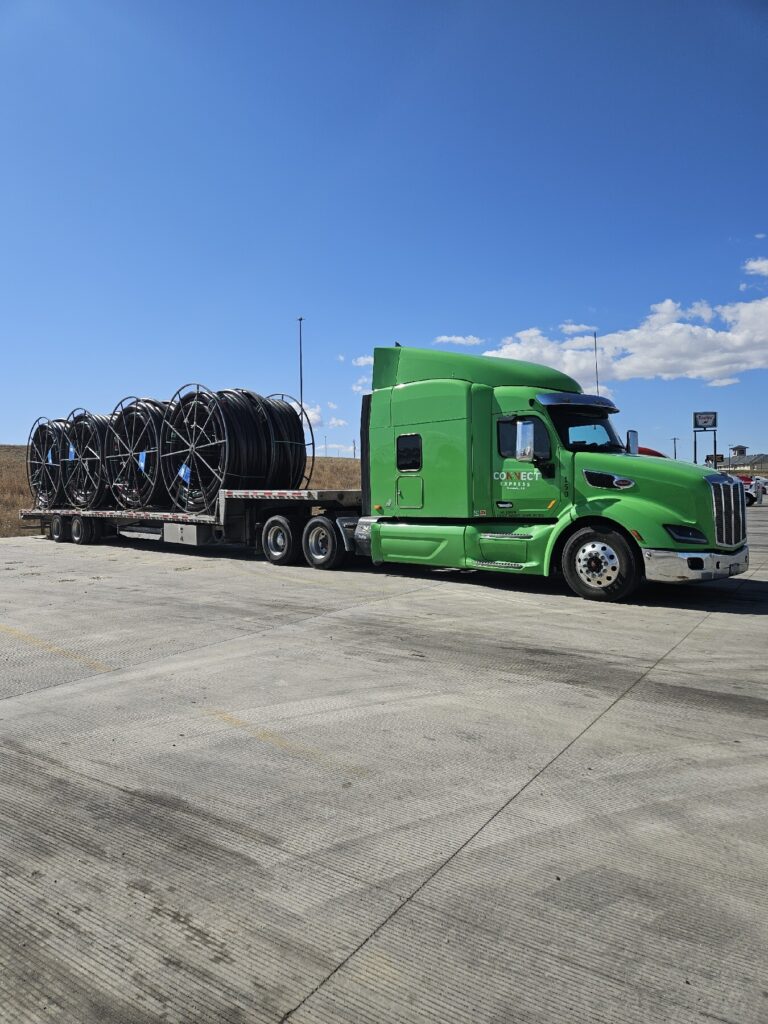
Flatbed and oversized work bring a different set of demands. Securement requirements, route restrictions, permit notes, escort coordination, and delivery site conditions need to be clear before the truck moves. There is less room for sloppy communication. The more specialized the load, the more important it is that operations, driver, and customer all work off the same facts.
Dedicated freight lanes also benefit from a system, but in a different way. The lane is repeatable. The appointments are known. The customer expectations are established. That is exactly where a TMS can tighten performance, because the team can spot recurring delays, slow shipping windows, and paperwork bottlenecks faster.
A TMS will not fix bad trucking
This part gets missed. Software does not replace execution.
If a carrier overbooks trucks, misses maintenance, ignores driver communication, or gives weak dispatch coverage, a TMS will not hide that for long. It may actually expose it faster. That is a good thing, but only if the operation is willing to fix the root problems.
The best use of a transportation management system trucking company setup is simple. Support the people doing the work. Give dispatch better load control. Give drivers clear instructions. Give shippers timely updates. Give accounting clean paperwork. The system should make a solid operation sharper, not try to rescue a messy one.
That is also why some carriers get less value from a TMS than they expected. They buy too much system for the size of their fleet. Or they add features nobody uses. Or they never train the team well enough to make the workflow stick. Then the old habits come back, and now they are paying for a platform on top of the same confusion.
What shippers should look for from a carrier using a TMS
Most shippers do not need a technical tour of the software. They need to know how it shows up in service.
Can the carrier give accurate pickup and delivery updates without being chased? Can they tie documents to the load quickly? Can they flag issues before a missed appointment? Can they handle exceptions without losing track of the shipment? Those are the questions that matter.
If the answer is yes, the system is doing its job.
For a shipper, the real benefit is fewer blind spots. You should not have to wonder whether the truck checked in, whether the reefer is set right, whether the driver got the revised delivery note, or whether the POD is going to take three days to surface. You want freight moved safely, on time, and with clean communication.
That is especially true when volume picks up. During busy stretches, weak processes get exposed. Loads get reassigned. Appointment windows tighten. Detention starts stacking up. A carrier with a disciplined operating system is usually better prepared to stay steady when the board gets crowded.
Why this matters for fleets based in the Southwest
For carriers working out of Phoenix, Arizona and across the Southwest, load planning can get complicated fast. Long desert miles, heat, cross-state timing, produce seasons, and tight receiver windows all put pressure on communication. A TMS helps keep those details organized, especially when freight is moving across Arizona, California, Nevada, New Mexico, Texas, Utah, and Colorado before heading farther out.
But the same rule still applies. The system helps only if the carrier has the trucks, drivers, and dispatch discipline to back it up. Real equipment. Real status updates. No missed pickups because someone lost track of the load.
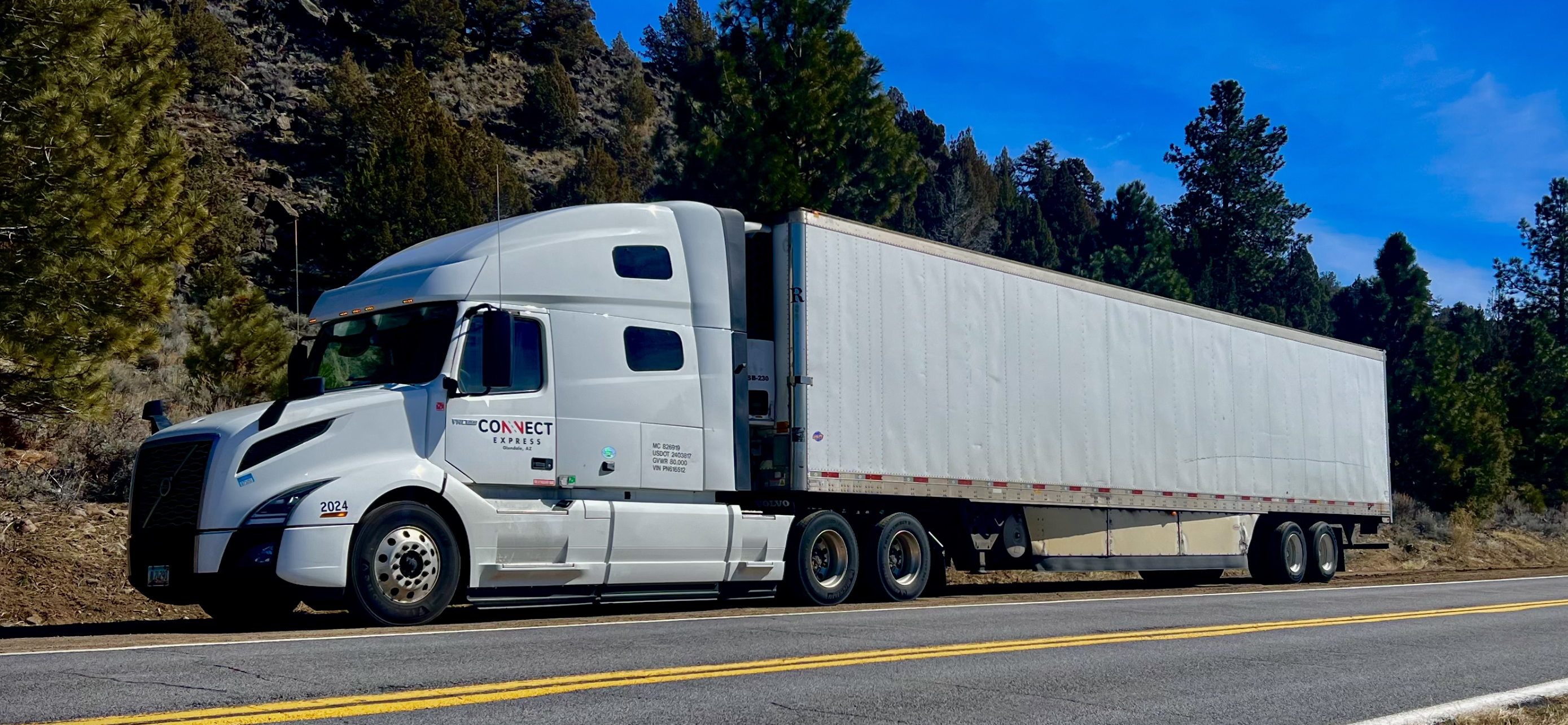
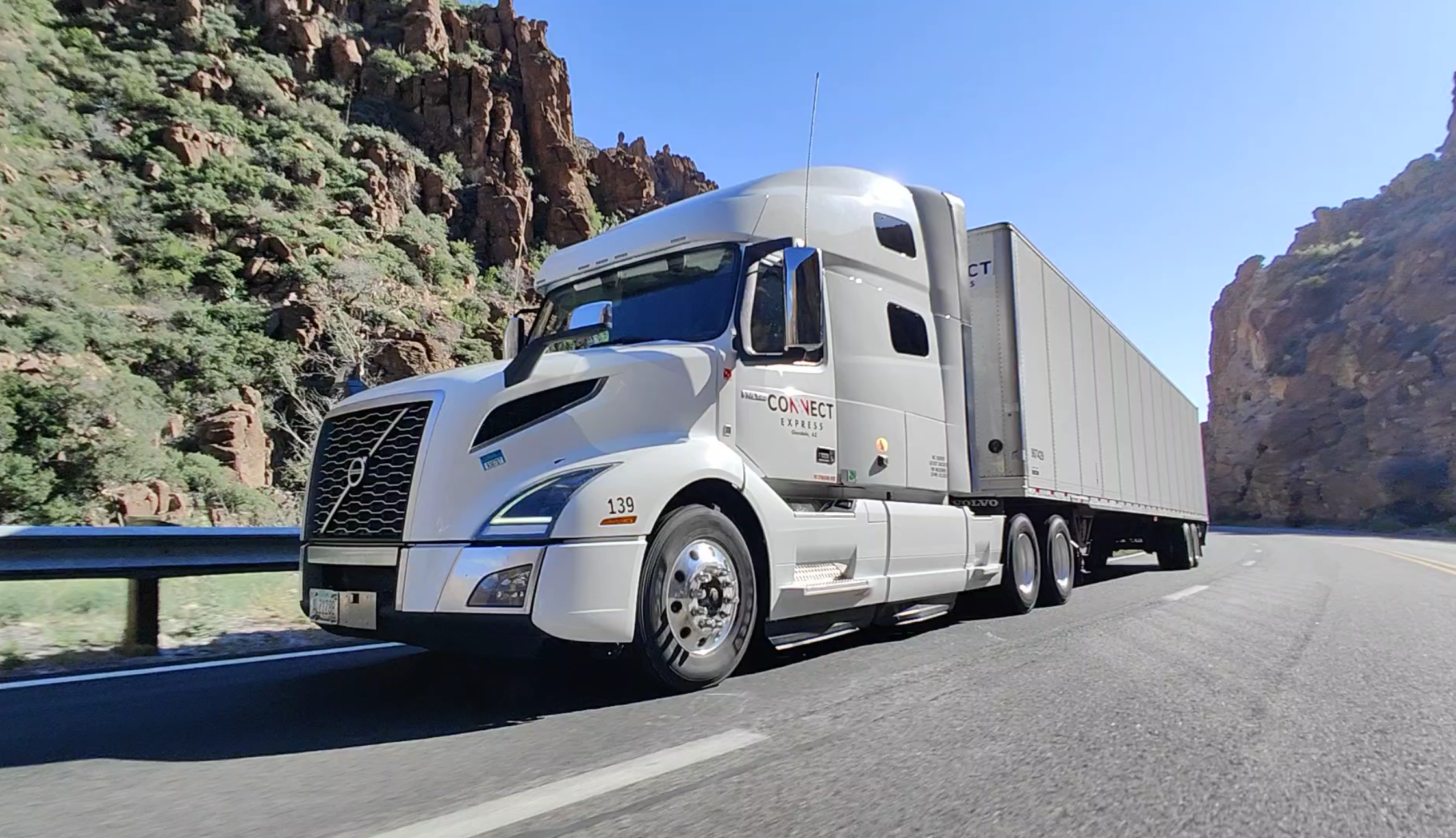
That is why strong carriers use technology as support, not as a sales pitch. At ConnectExpress LLC, the goal is the same whether the freight is dry van, reefer, flatbed, or a dedicated lane. Show up on time. Communicate clearly. Move the load without surprises.
The right question to ask
If you are a shipper or freight manager, do not ask whether a carrier has a transportation management system trucking platform. Ask what it helps them do better.
If it means faster dispatch, cleaner paperwork, better load visibility, and straight answers when plans change, it is worth something. If it is just another system with no impact on execution, it is noise.
Freight does not move better because the screen looks good. It moves better when the operation behind that screen stays organized when the day gets messy.