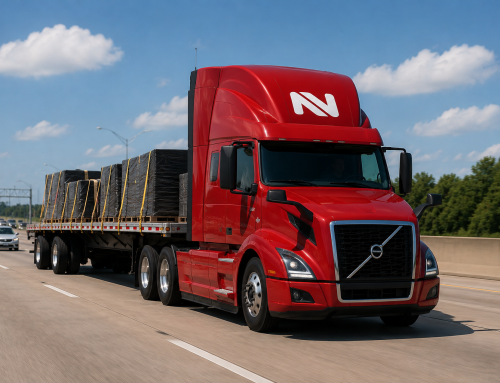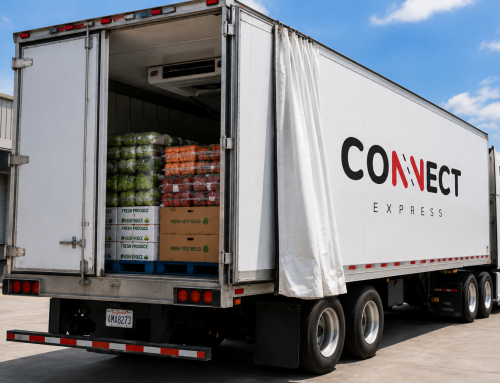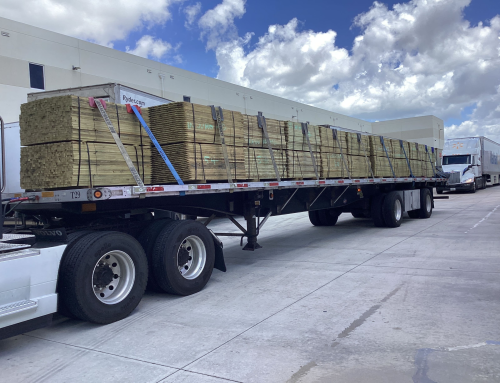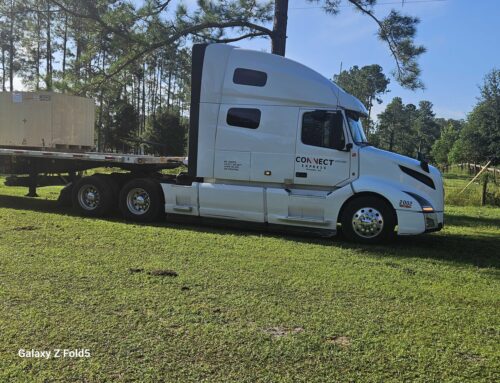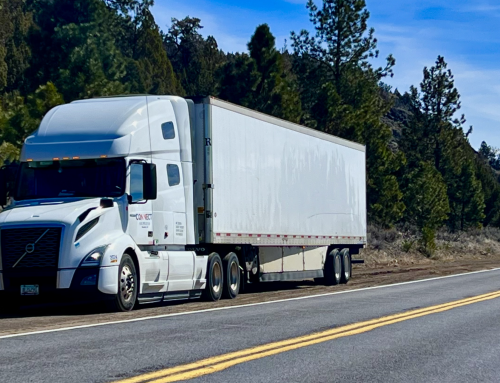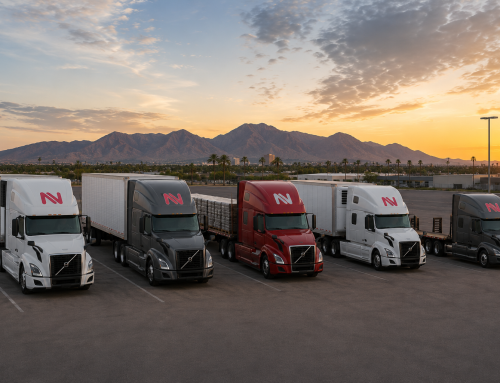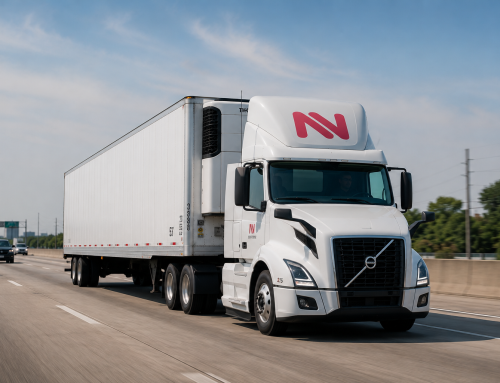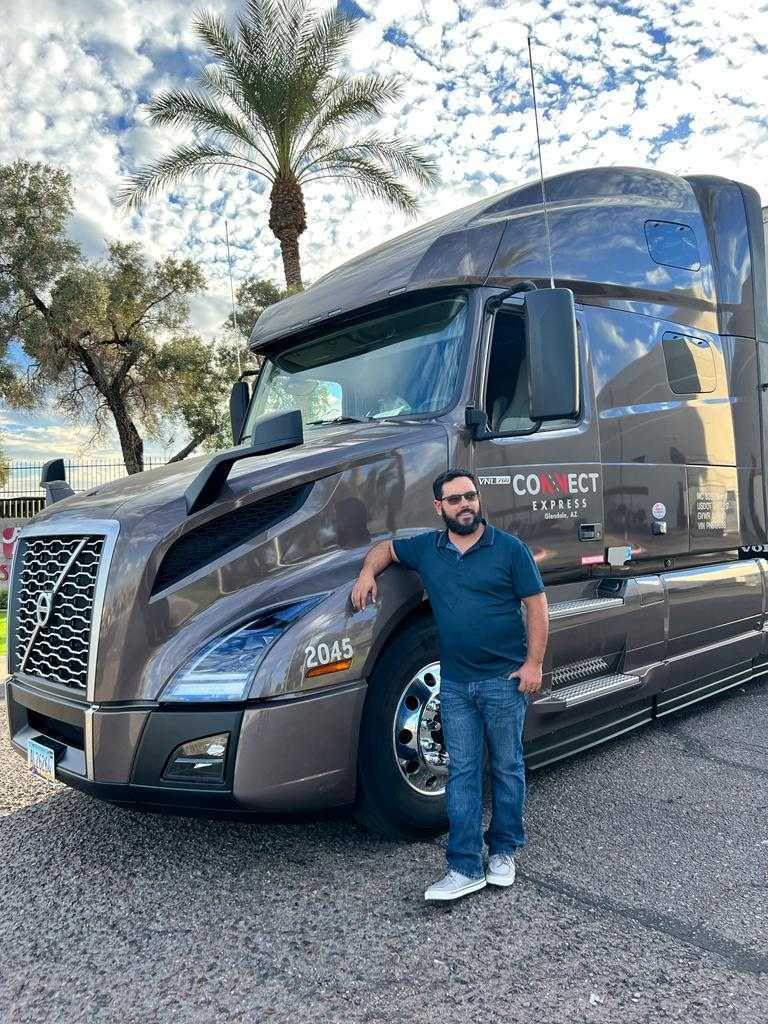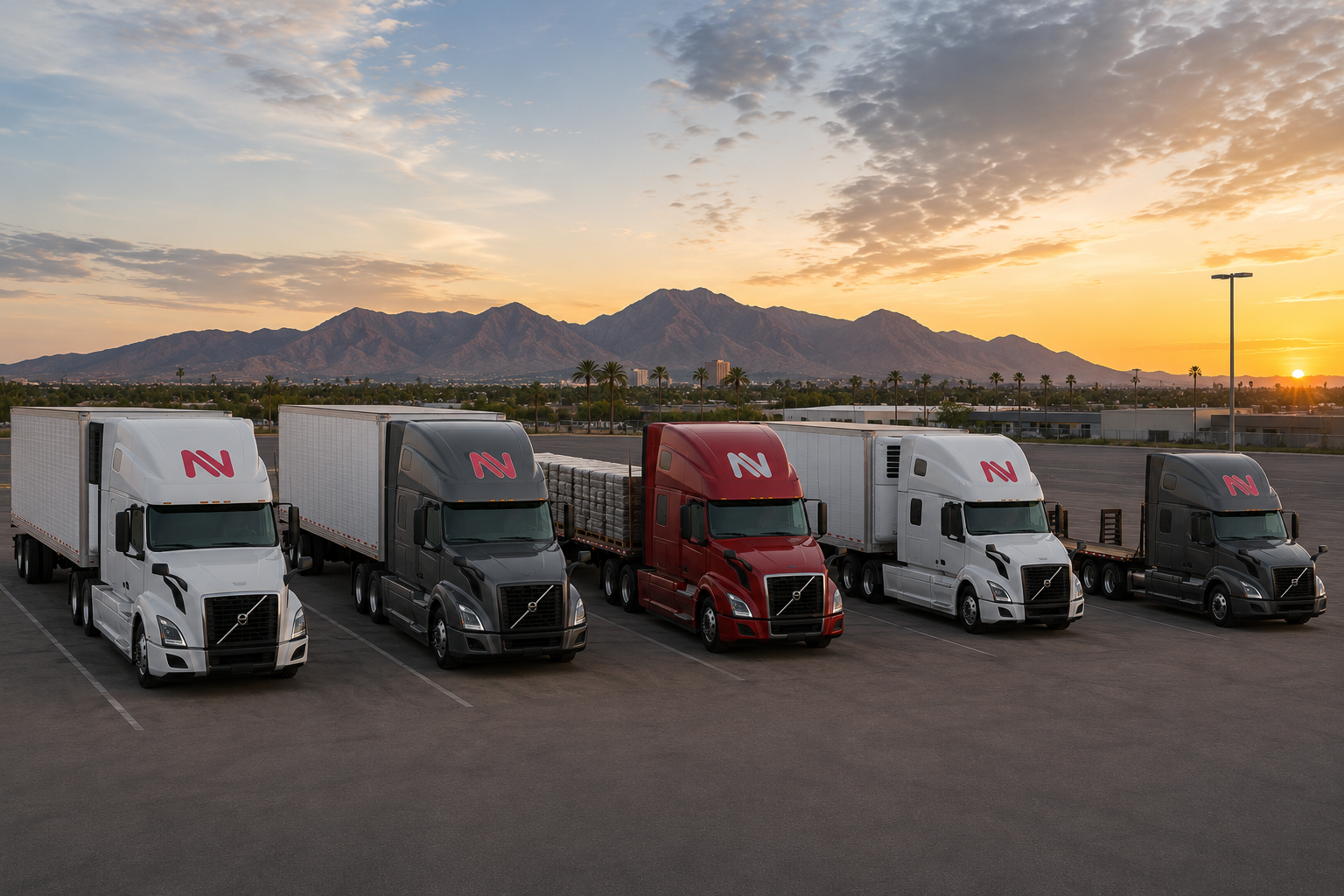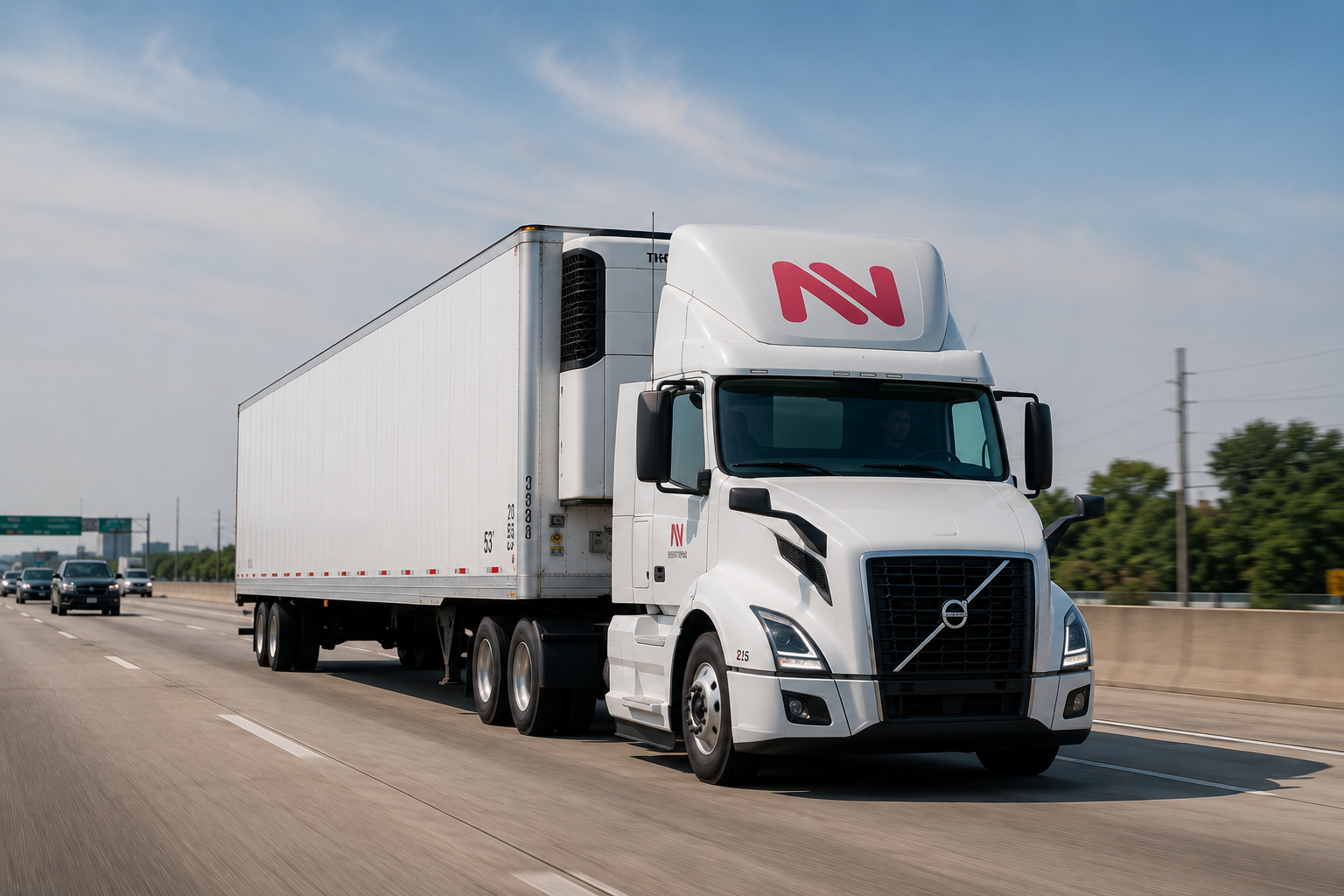
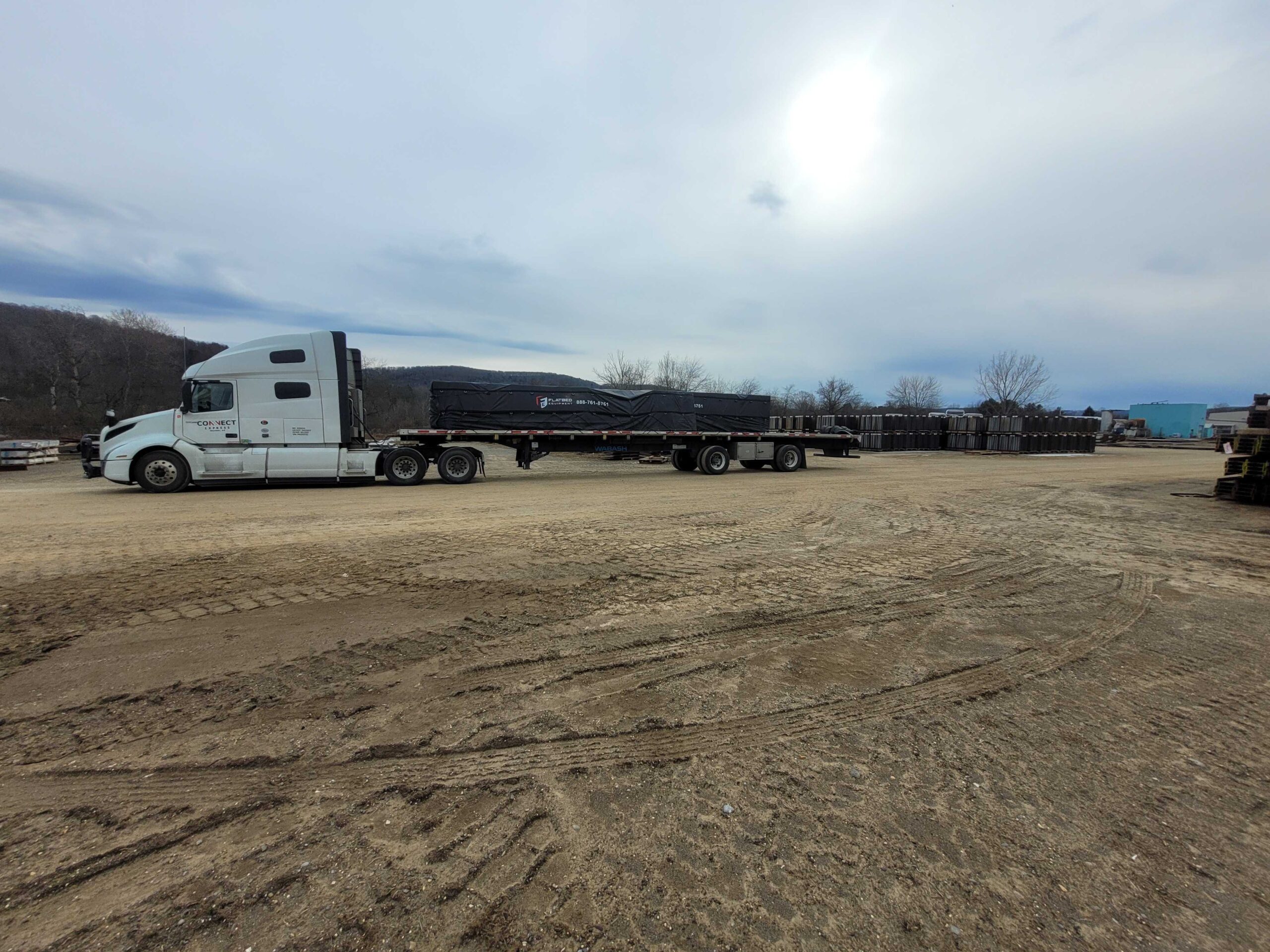
If you are working with a newer fleet trucking company, the first thing you want to know is simple. Can they cover the load, communicate clearly, and deliver on time without drama? Newer trucks can help, but equipment age alone does not move freight. Execution does.
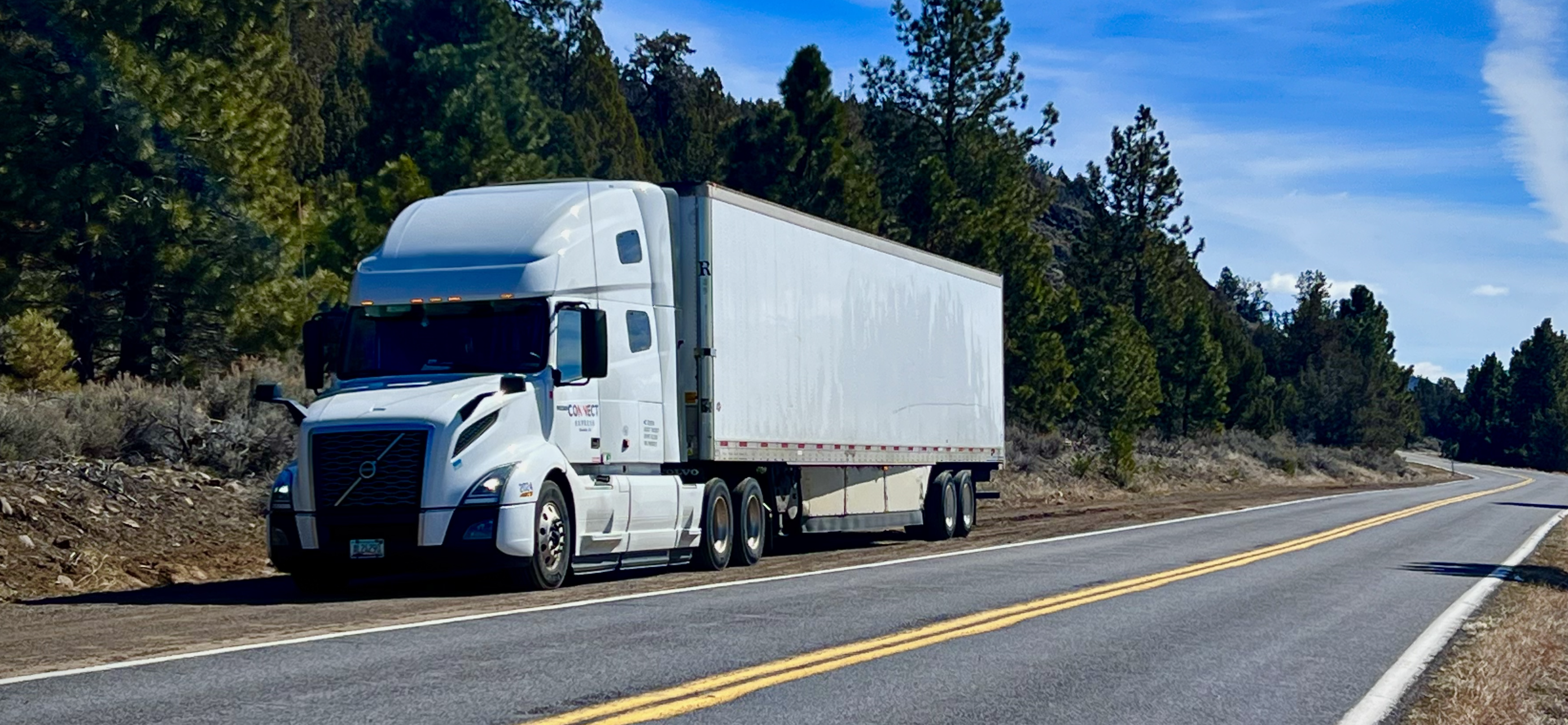
A lot of shippers hear “newer fleet” and assume that means fewer problems. Sometimes that is true. Newer tractors and trailers usually spend less time in the shop. They often have better fuel efficiency, stronger safety systems, and more consistent tracking. That matters when you are trying to keep appointments, protect product, and avoid service failures.
But there is another side to it. A newer fleet trucking company still needs disciplined dispatch, qualified drivers, and a maintenance plan that does not fall apart the first time freight spikes. A clean truck is good. A clean handoff, clear updates, and no missed pickup are better.
Why shippers ask about a newer fleet trucking company
Most freight managers are not asking about truck model years just to make conversation. They are trying to reduce risk. If you manage shipping for a plant, warehouse, or retail operation, you already know one late truck can cause problems across the whole day. The dock schedule gets backed up. Labor gets wasted. Customers start calling.
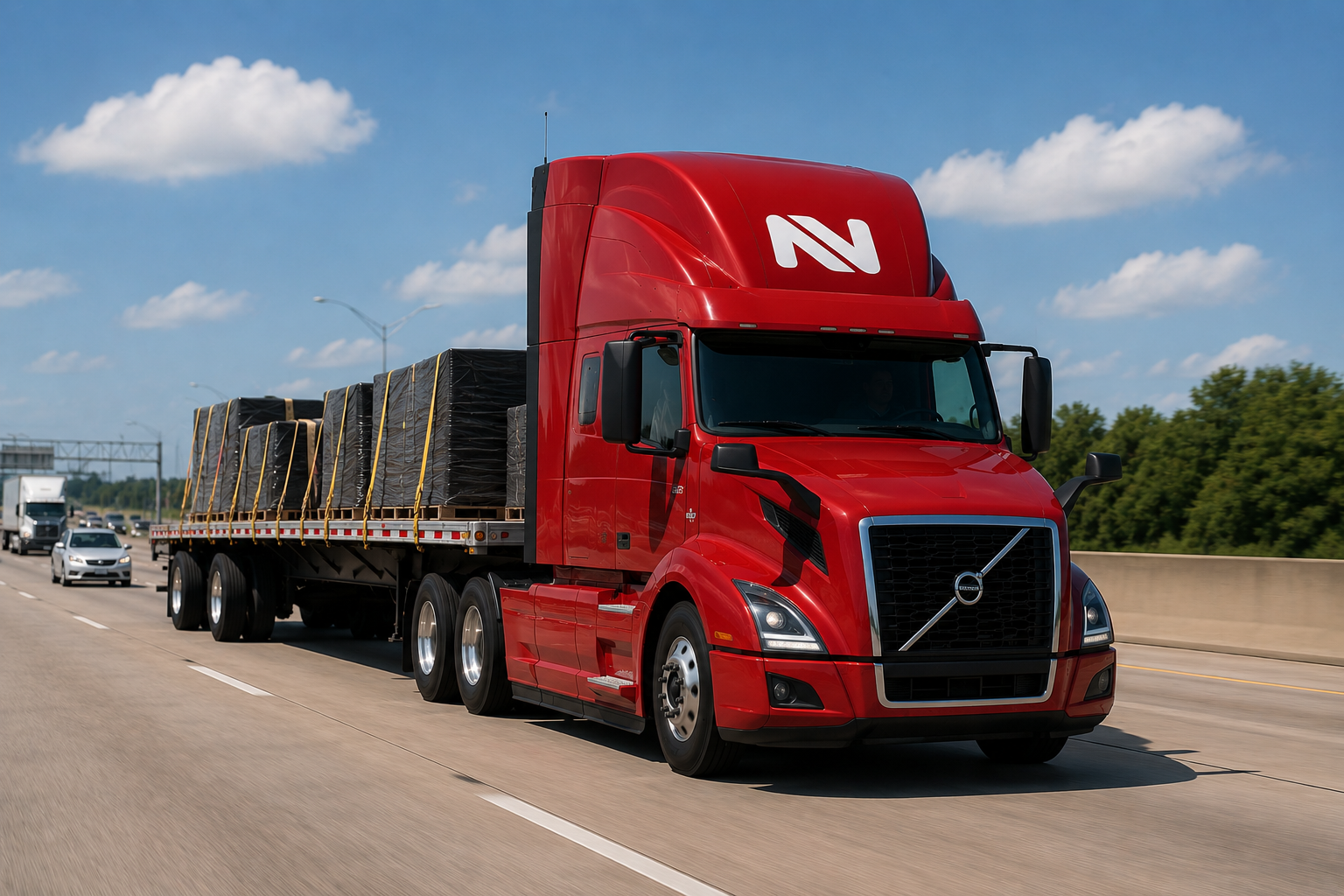
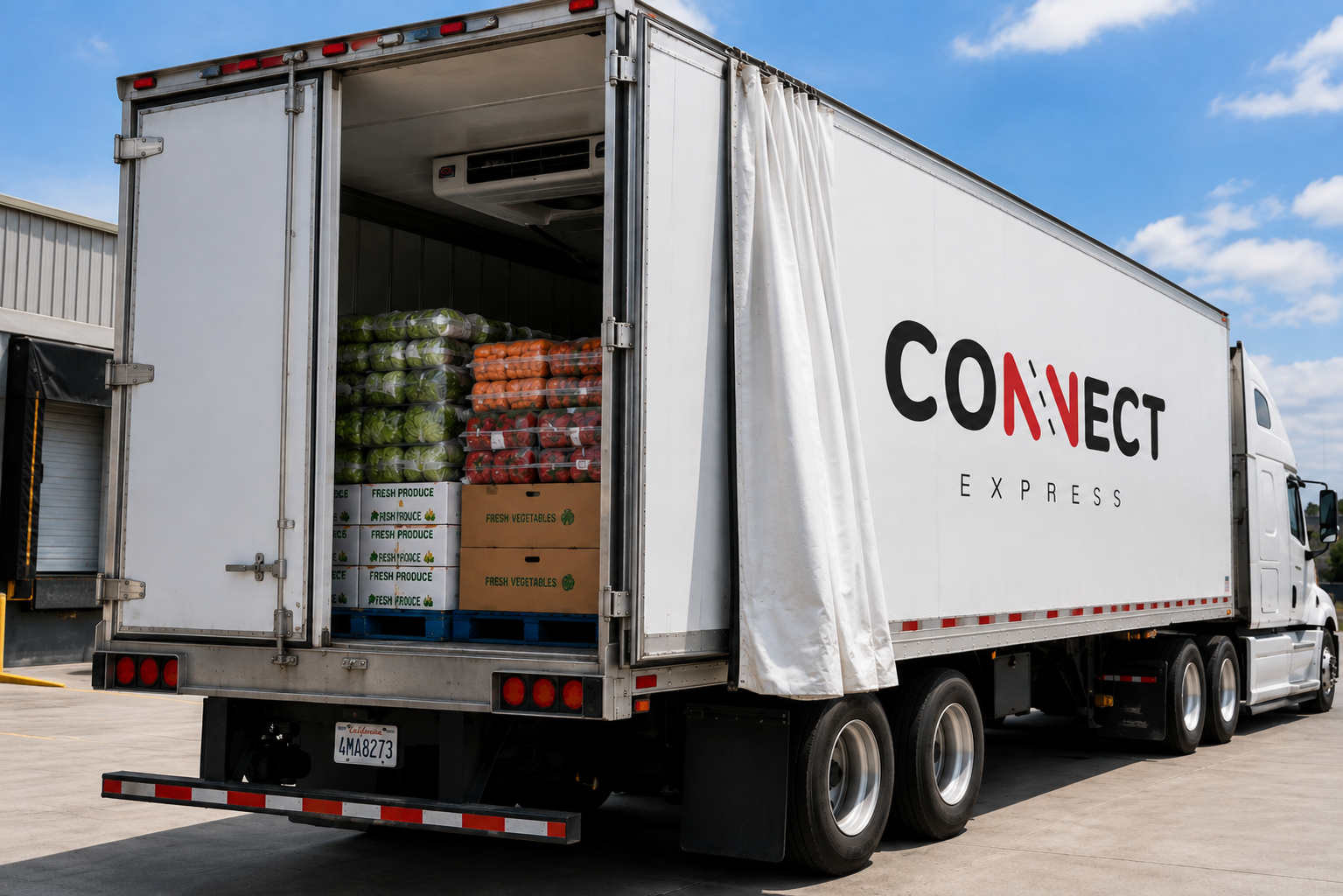
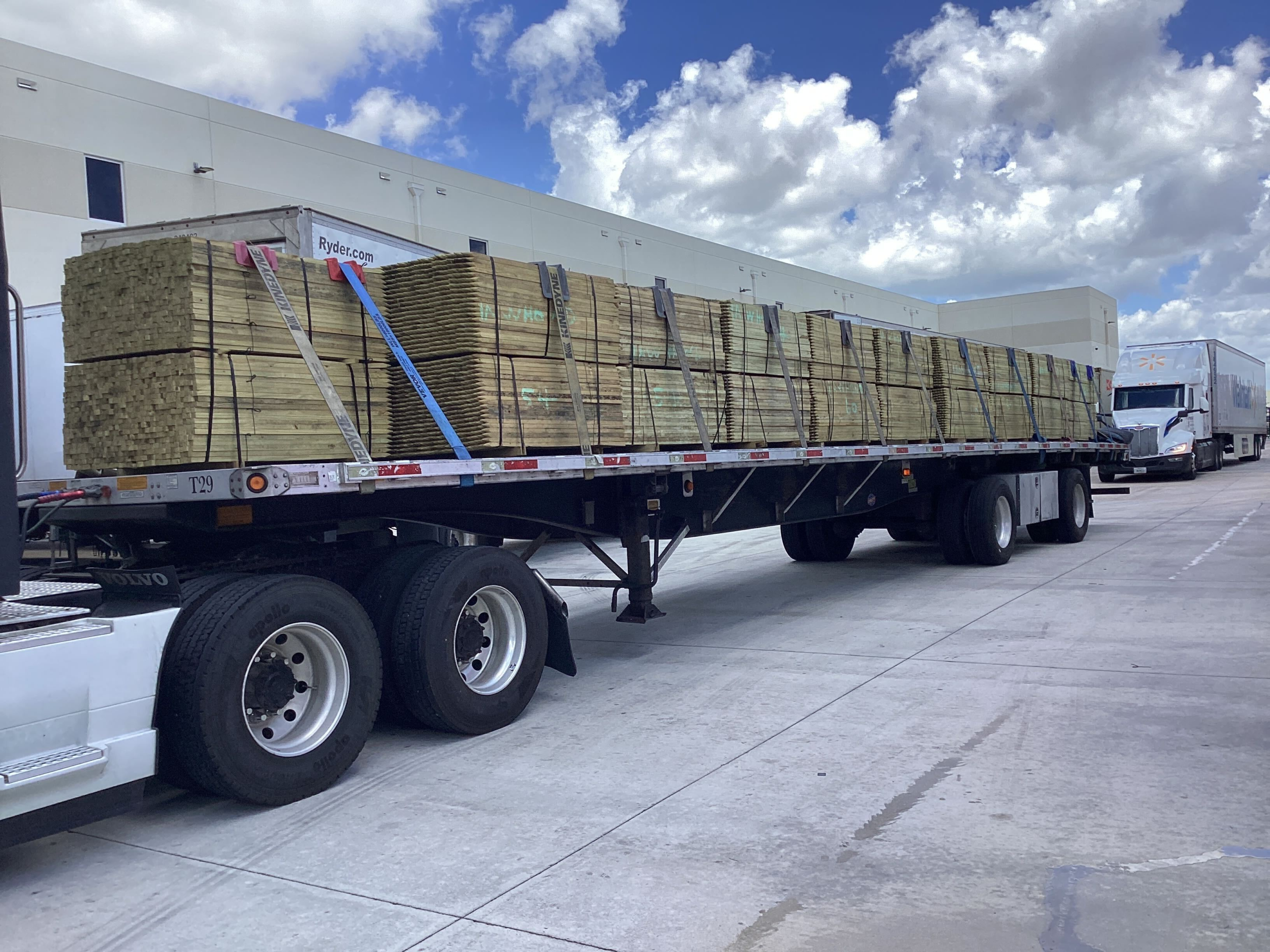
That is why fleet age comes up early in the conversation. Newer equipment can mean fewer breakdowns on the road. It can also mean better trailer condition, which matters for dry van freight, reefer loads, and flatbed work. Doors that seal right, reefers that hold temp, and trailers that are road-ready are not small details. They are the difference between a smooth load and a claim.
Still, fleet age should be treated as one signal, not the whole answer. A carrier with newer equipment and weak operations can still miss appointments. A carrier with a mixed-age fleet and a sharp operation can outperform them every week. Shippers do best when they look at the whole picture.
What newer equipment actually helps with
The biggest advantage of newer trucks is uptime. When trucks are newer, they generally have fewer major failures and more predictable maintenance intervals. That helps a carrier keep appointments and protect capacity.
For a shipper, uptime is not an abstract benefit. It means your load gets picked up when it is supposed to get picked up. It means fewer calls about a truck going down halfway through transit. It means less scrambling to recover a load that should have been routine.
Newer equipment can also improve visibility. Many newer tractors come equipped with stronger telematics, better diagnostics, and more reliable location reporting. That gives dispatch more usable information and lets customers get real updates instead of vague estimates. No guessing where your load is.
Safety is another factor. Newer trucks often include better braking systems, lane alerts, and driver-assist features. Those systems do not replace a good driver, but they do add support. In reefer freight, newer units can also help with temperature consistency and alarm monitoring. When the product is sensitive, that matters.
There is a driver side to this too. Drivers usually prefer equipment that is dependable and well maintained. Better trucks can support retention, and retention helps service. A route handled by an experienced driver who knows the lane is usually going to run cleaner than freight bounced around between whoever is available.
Where a newer fleet does not solve the problem
This is where a lot of carriers get exposed. They talk about the trucks, but the issues are really in dispatch, planning, and follow-through.
A newer fleet trucking company can still fail if appointment times are not managed well. They can still fail if dispatch overloads drivers, if check calls are late, or if nobody catches a small issue before it turns into a service miss. Equipment does not fix poor communication.
It also does not fix bad lane fit. Some carriers look good on paper but struggle outside their core freight. A company may run dry van very well but not have the trailer pool, temperature discipline, or after-hours support to handle reefer freight consistently. Or they may own flatbeds but not have the securement habits needed for oversized or sensitive loads. The truck can be new and the operation can still be wrong for the load.
Capacity planning matters too. If a carrier grew fast and added trucks without building the back office, the result is usually uneven service. Loads get accepted, then coverage gets thin. Updates slow down. Problems get reactive instead of managed. Shippers feel that right away.
What to ask before you trust the freight
If you are qualifying a carrier, ask direct questions. Not sales questions. Operating questions.
Ask how they handle updates. Ask who manages after-hours issues. Ask what equipment they run for your freight type and how they maintain it. Ask whether they operate the trucks themselves or rely on outside coverage to fill gaps. That last point matters. There is a big difference between a company running its own assets and a company trying to piece together capacity.
You should also ask about lane consistency. A newer fleet means more when the carrier already runs your region or commodity type on a regular basis. A Phoenix-based carrier moving freight across Arizona, California, Nevada, New Mexico, Texas, Utah, and Colorado may be a better fit for Southwest freight than a carrier chasing random one-off loads nationwide. Familiar lanes usually produce better timing, better communication, and fewer surprises.
You are not looking for a perfect answer to every question. You are looking for operational clarity. If the carrier cannot explain how they run, that is usually the answer.
Signs the operation is solid
A solid carrier sounds different from the start. They are specific. They tell you what equipment they have, what freight they handle, and what kind of service you can expect. They do not dodge basic questions.
They also communicate early. If a pickup is tight, they say it. If weather or traffic is going to affect timing, they tell you before the appointment gets missed. That is how real operators work. Problems happen in trucking. Silence is the real problem.
You can also hear it in the way they talk about freight. Good carriers care about securement, temperature, loading times, delivery windows, and accessorial risks even if pricing is not the topic. They pay attention to the details that usually cause service failures.
For drivers and owner operators, the same rule applies from the other side. A newer fleet is appealing, but support matters more than appearance. If dispatch is disorganized, miles are inconsistent, or maintenance response is weak, newer trucks will not make the job easier for long.
Why the right fit beats the newest truck in the yard
Some shippers put too much weight on equipment age because it is easy to measure. It feels concrete. But freight performance usually comes down to habits.
Does the carrier show up on time? Do they answer the phone? Do they send real updates? Do they understand the load requirements before the truck gets to the dock? Those are the questions that decide whether your day stays on track.
A carrier with newer trucks and loose operations will create problems fast. A carrier with disciplined dispatch, dependable drivers, and a serious maintenance culture will usually give you the service you need, whether every unit is brand new or not.
That is the real value of a newer fleet trucking company. Not the truck itself. The opportunity to run cleaner, more reliable service if the people behind the wheel and behind the board know what they are doing.
At ConnectExpress LLC, that is the standard. Real trucks. Real drivers. Clear communication. We move freight the way shippers expect it to be moved.
If you are evaluating carriers, look past the paint and spec sheet. Ask how they run the load when things are normal, and when they are not. That answer will tell you more than the truck year ever will.
Need capacity on this type of freight? Connect Express LLC provides asset-based dry van shipping across the Southwest and nationwide.
Request a truckload quote: Contact Connect Express or call (844) 474-8963.